
 Products
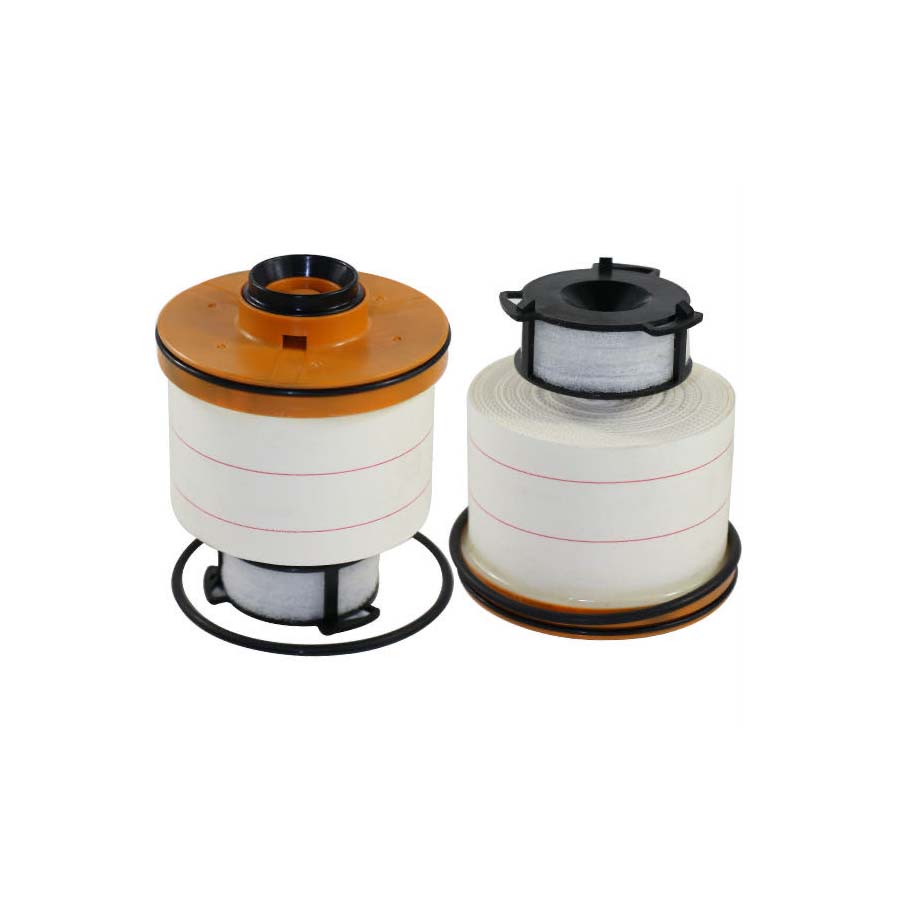 FUEL FILTER
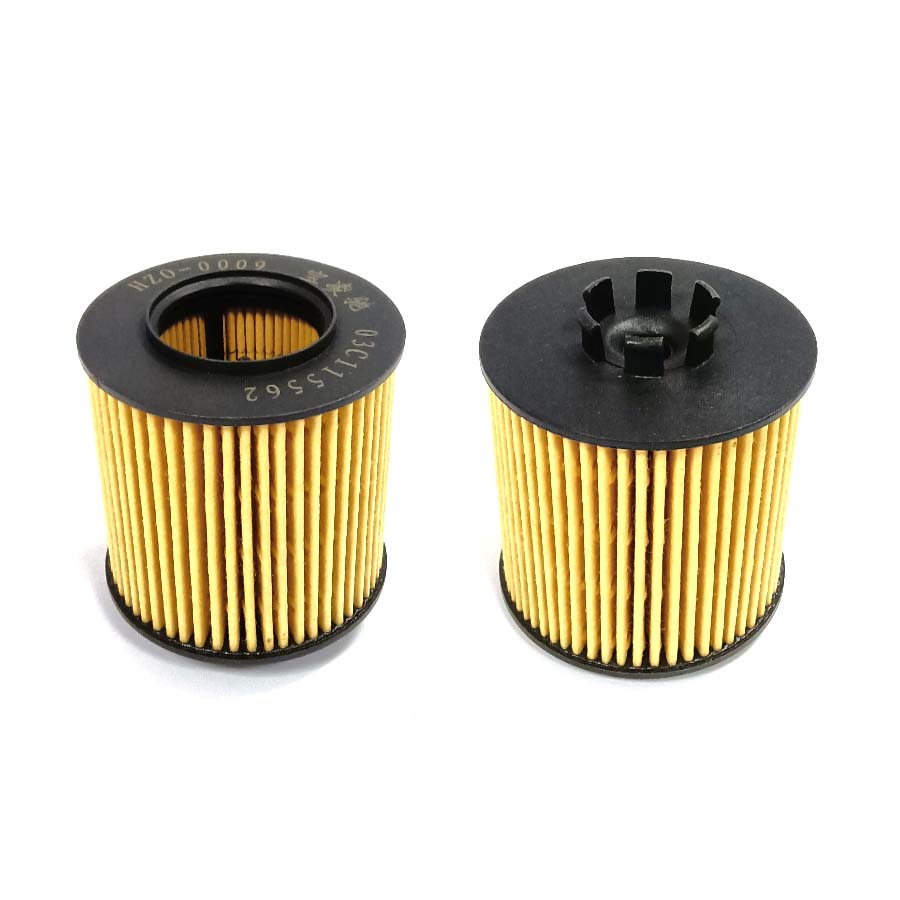 OIL ELEMENT FILTER
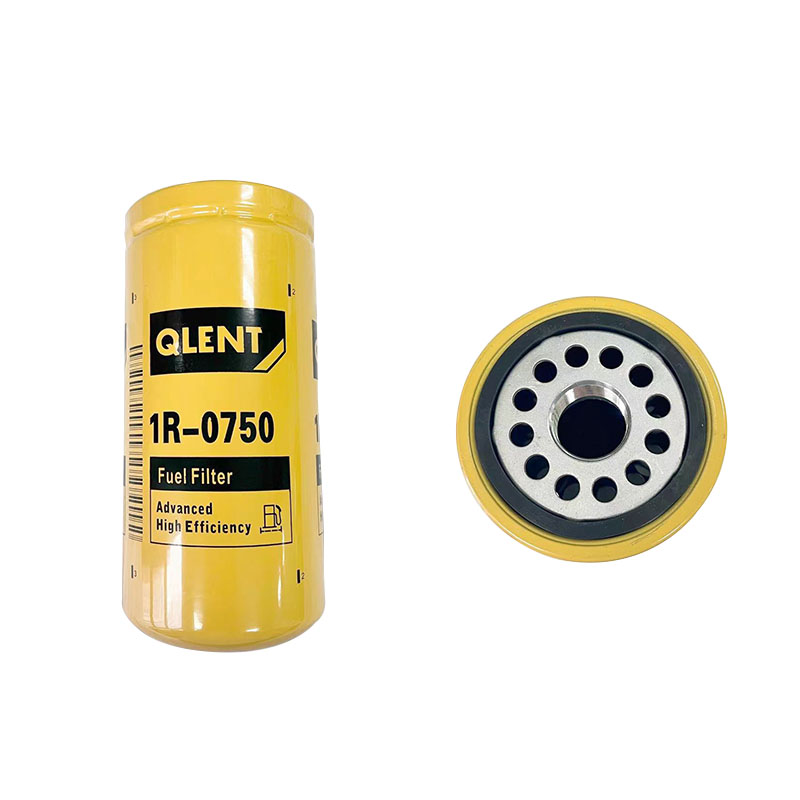 OIL FILTER
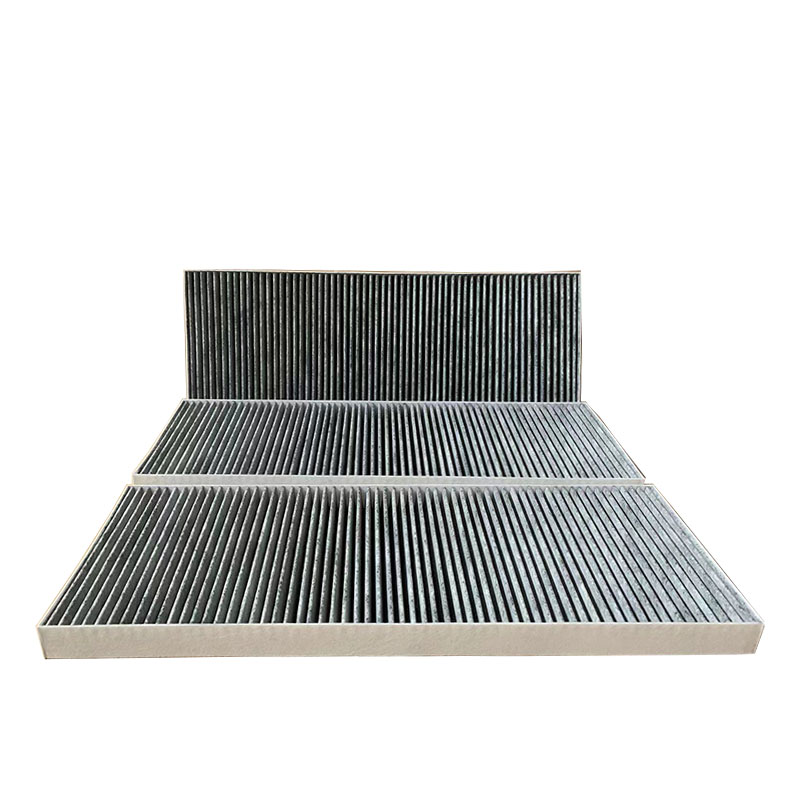 CABIN FILTER
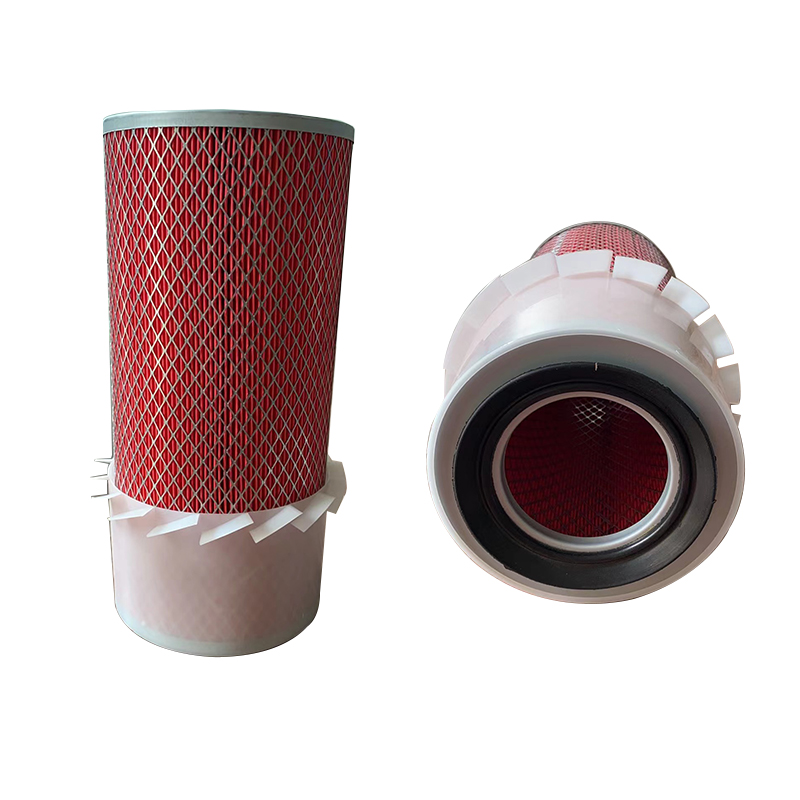 AIR FILTER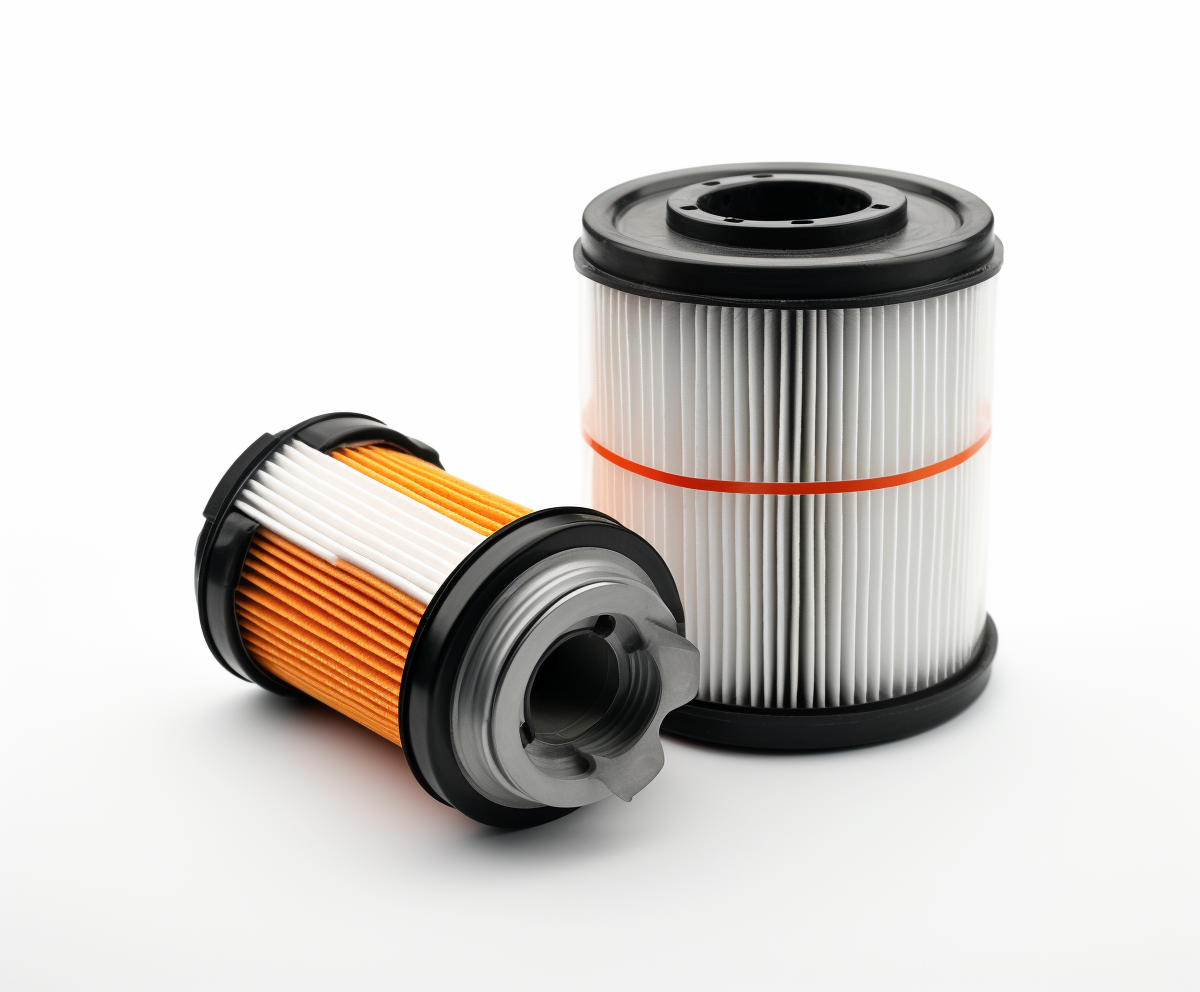

Inquiry
Form loading...
Lately, there's been a lot more talk about how important it is to keep the air inside truck cabins clean and fresh. It’s pretty clear that inhaling polluted air isn’t just uncomfortable — it can actually be really bad for your health. In fact, the World Health Organization estimates that around 7 million premature deathseach year are linked to air pollution. And let’s be honest, your truck’s cabin can be a hotspot for exposure, especially since you're spending so much time on the road. Up until now, traditional truck Cabin Filters have been the go-to solution, but newer, more advanced filtration options are coming into the picture, promising even better air quality.

Over here at Ningbo Hongzhuo Filter CO., Ltd., we’ve been around since 2013, based in Ningbo City in Zhejiang Province. We specialize in Automotive Filters, and we really see the urgent need for innovation. By exploring new materials and smarter designs, these newer filters could do a lot more than just improve the air—you know, make drivinghealthier and more comfortable for everyone out there on the road.
Lately, there's been a lot more talk about how important air quality is inside truck cabins. Experts from health fields and industry folks both agree — and it makes sense, especially considering a report from the World Health Organization. They say indoor air pollution is behind a huge chunk of health problems worldwide, with around 4.2 million deaths every year tied to breathing in contaminated air. For truck drivers, who spend long hours in pretty tight spaces, having good air quality really isn't just a tiny detail — it’s essential for their health and keeping them alert on the road.

Turns out, those old-school cabin filters in trucks often aren’t doing enough to stop the really harmful pollutants. A study from the EPA pointed out that standard filters mainly catch the bigger stuff — but the really dangerous, tiny particles like volatile organic compounds (VOCs) and ultrafine particles tend to slip right through. That’s pretty concerning because breathing in those can lead to breathing problems, making drivers tired, unfocused, or even risking long-term health issues. But there’s good news too: newer filter tech like activated carbon filters and HEPA filters are showing promise. They can trap a wider range of pollutants, making the air inside the cabin way healthier and safer for drivers on the road.
When it comes to maintaining your Chevrolet Cruze, selecting the right auto oil and fuel filters is crucial for enhancing both performance and longevity. Among the key components to consider is the Auto Car Oil Filter, specifically designed for the Chevrolet Cruze, with OE NO. 13263262 and Reference No. 5818085. This filter plays a vital role in ensuring that your engine runs smoothly by effectively removing contaminants from the engine oil, thus prolonging its life and ensuring optimal engine performance.
In choosing the right oil filter, the standard size and customizable material options provide flexibility for various needs. Whether you’re looking for a neutral package or want to add a personal touch with your logo, there are minimum order quantities to suit your preferences—200 pieces for a neutral package and 500 pieces for customized branding. With a delivery time of just 15 to 20 days upon deposit receipt, you can rest assured that your Chevrolet Cruze will be well-equipped with the necessary components for efficient operation. Certified by ISO 9001:2015 and IATF 16949:2016, this oil filter not only guarantees quality but also reliability, making it an essential choice for maintaining the excellent performance of your vehicle.
: Air quality in truck cabins is crucial for the well-being and productivity of drivers, as confined environments can intensify exposure to harmful pollutants, leading to significant health issues.
Poor air quality can lead to respiratory issues, fatigue, allergies, and reduced concentration levels among drivers due to exposure to harmful air contaminants.
Traditional truck cabin filters often fail to effectively remove smaller, hazardous particles like volatile organic compounds (VOCs) and ultrafine particulate matter, which compromises air quality.
Activated carbon filters and HEPA (High-Efficiency Particulate Air) filters are recommended alternatives that can capture a wider range of air contaminants and improve overall air quality.
HEPA filters can capture up to 99.97% of pollutants as small as 0.3 microns, making them significantly more effective than traditional filters at trapping fine particulate matter.
It's important to consider the specific needs of the vehicle and the external environmental conditions, as about 50% of in-cabin air contaminants come from outside sources.
Activated carbon filters absorb odors and harmful gases, which is especially beneficial for trucks operating in urban environments with high levels of vehicle emissions.
The EPA reports that poor air quality inside vehicles can lead to serious health effects, including respiratory issues and allergies among occupants.
Long exposure to confined air in truck cabins can significantly contribute to discomfort and health risks for drivers, necessitating the use of effective cabin filters.
Truck owners can enhance cabin air quality by selecting high-quality alternative cabin filters, which provide better protection against harmful air contaminants.
You know, in today's trucking world, making sure the air inside those truck cabins stays clean and fresh is more important than ever. I mean, bad air quality? That's a real concern — it can cause health issues for drivers and make those long hours on the road pretty uncomfortable. Usually, many trucks stick with standard cabin filters, but they often fall short when it comes to filtering out pollutants effectively or handling the load of everyday dirt and grime. That’s why some pretty cool new alternatives are starting to pop up — ones that actually promise cleaner air and better overall performance.
Take Ningbo Hongzhuo Filter Co., Ltd. for example — they've been around since 2013, specializing in auto filters. They've got a whole range of products, including some really advanced truck cabin filters that can actually boost air quality inside the cab. When you're picking out a filter for your truck, it’s smart to weigh the pros and cons of traditional filters against these newer options. Getting a good grip on what each one offers helps you make smarter choices, making the driver’s environment healthier and more comfortable — not to mention safer overall while you're out there on the roads.


