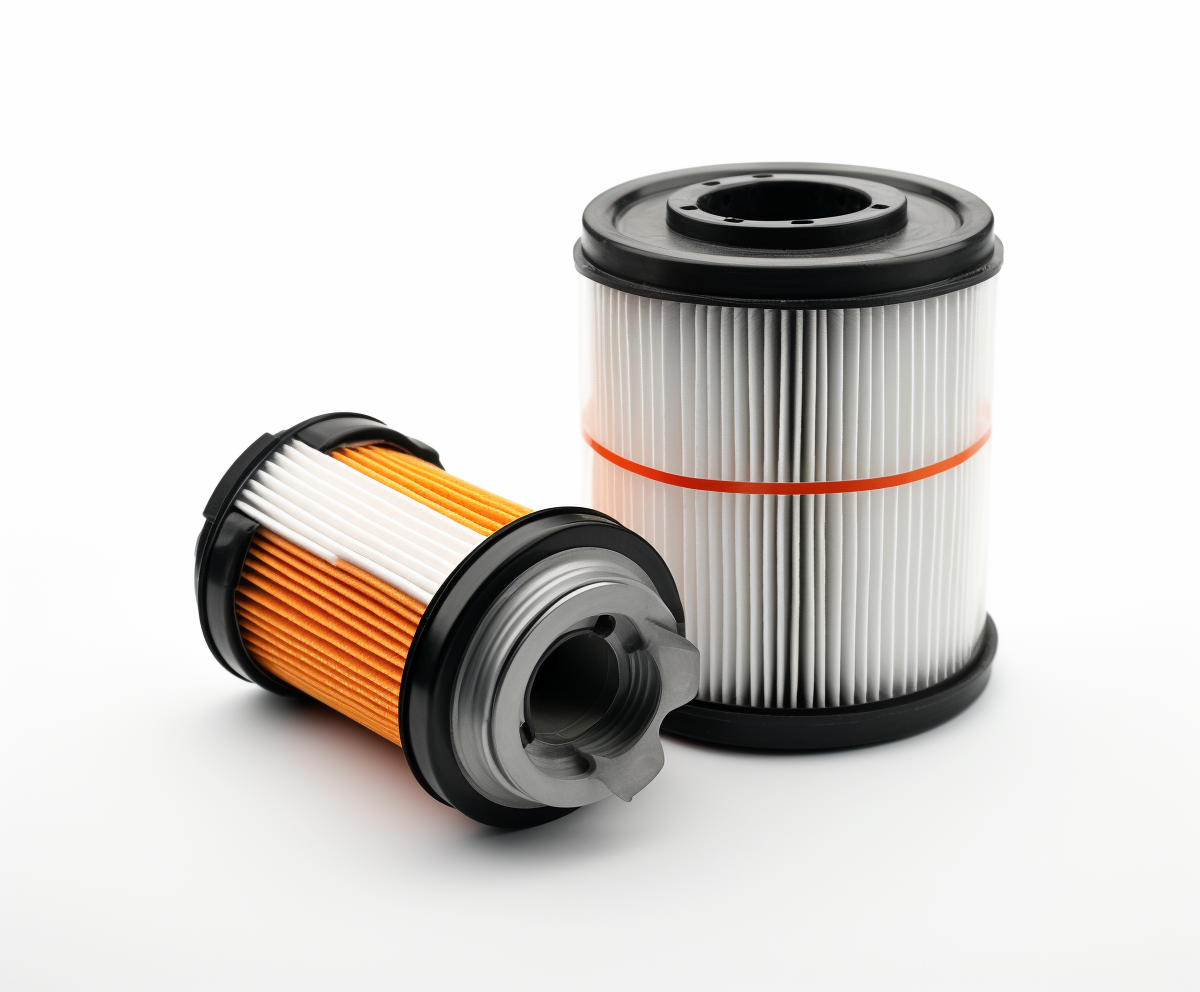
When it comes to taking care of your vehicle's performance, choosing the right truck Air Filter isn’t something to take lightly. It’s pretty key if you want your engine to stay healthy and run smoothly for the long haul. Here at Ningbo Hongzhuo Filter Co., Ltd., we’ve been into making top-notch automotive filters since 2013. Conveniently based in the heart of Ningbo City, Zhejiang Province, we cover a whole bunch of different filters — not just truck air filters, but also cabin filters, oil filters, air filter elements, and even filters for heavy machinery and generators. But honestly, picking the perfect truck air filter can sometimes feel like navigating a maze—there's so much to consider like compatibilities, how efficient it is, and how long it lasts. This blog is here to help you understand some of the common hurdles people face when choosing filters, and offer some solid advice so you can make smarter choices that keep your vehicle running better and longer.

Key Factors to Consider When Choosing Truck Air Filters
When you're picking out air filters for your truck, there are a few key things you really want to keep in mind to make sure everything runs smoothly and the filter lasts as long as possible. For starters, the type of filter material is pretty important—that could be your regular filters or the fancier HEPA filters. These HEPA filters are actually pretty impressive because they can trap tiny particles really effectively. They're not just found in homes or offices anymore; now, industries like semiconductors and microelectronics are jumping on the bandwagon too. And honestly, if your truck operates in an area where air quality matters a lot, you might see some real benefits from using these high-performance filters.
Another thing to watch out for is whether the filter fits properly with your truck's existing air intake system. A good fit is crucial—if it's too loose or not compatible, you could end up messing with your engine's performance or causing damage. Plus, staying on top of regular maintenance and knowing when to swap out filters is a must. Ignoring this can lead to your engine working harder than it should, which means worse fuel efficiency and potential issues down the line. Basically, understanding the specific needs of your trucking situation and the environment you’re in really helps in choosing the right air filter. Taking these little steps makes a big difference in ensuring your truck stays in top shape.
Top 5 Challenges in Selecting the Best Air Filters for Trucks
Picking out the best air filters for trucks can feel pretty overwhelming sometimes, right? There are a few stuff to keep in mind that can make the whole process seem pretty daunting. First off, you’ve gotta make sure the filter actually fits your truck. Trucks come with different engine sizes and specs, so grabbing the wrong one could mess with how your truck runs. It’s really worth checking the manufacturer’s details and sticking with a filter made specifically for your model.
Then, there’s the whole thing about the types of filter materials out there—things like paper, foam, or cotton. They all have their pros and cons, especially when it comes to filtering and airflow. Sure, paper filters are usually cheaper, but they might not last as long or breathe as well as cotton ones. Think about where you usually drive—if you’re hitting dusty roads a lot, a high-flow cotton filter might actually give you a noticeable boost.
And of course, price plays a big part, too. It’s tempting to just grab the cheapest one out there, but that might lead to more trouble down the line—higher maintenance, lower fuel efficiency, that sort of thing. Usually, spending a little extra on a good quality filter pays off, especially with better engine life and saving some cash on fuel. My tip? Look at reviews, and if you can find one with a warranty, even better. That way, you’re probably getting the best bang for your buck.
How Different Environments Affect Air Filter Performance
These days, air quality is more of a big deal, especially in city areas where environmental issues are everywhere. The performance of air filters really depends on what's going on around them. For example, filters in commercial HVAC systems have to deal with way more dirt, dust, and pollutants because of the dense population. On the other hand, home air purifiers face their own set of challenges—like when you live near a busy road or an industrial zone—those airborne pollutants can really make it harder for the filters to do their job effectively.
Different places also mean different needs when it comes to air filtration technology. Take pharmaceutical companies, for instance—they have super strict standards to keep the air in cleanroom environments, which are crucial for sensitive manufacturing. And at home, especially if you’ve got kids or pets, having a good filter that traps allergens and harmful stuff is pretty much a must for keeping the air healthy and safe. As people get more aware of how important indoor air quality is, they're leaning more toward systems that not only clean the air but also match the specific environmental challenges they face. It’s all about finding that perfect fit for your space and needs.
Understanding Challenges Faced with Top Truck Air Filter Selections - How Different Environments Affect Air Filter Performance
| Filter Type | Environment | Performance Rating | Lifespan (Miles) | Maintenance Frequency |
| Paper Filter | Urban | Good | 10,000 | Every 3 months |
| Cotton Filter | Off-Road | Excellent | 15,000 | Every 6 months |
| Synthetic Filter | Coastal | Very Good | 20,000 | Every 12 months |
| Foam Filter | Desert | Good | 12,000 | Every 2 months |
| Multilayer Filter | Snowy | Very Good | 25,000 | Every 18 months |
Comparative Analysis: Best Truck Air Filters for Various Models
When you're trying to pick out the best air filters for your truck, it’s really important to do a bit of homework. You’ll want to compare different models and think about what your truck actually needs—whether it’s better engine performance, improved fuel economy, or keeping emissions in check. Different truck models might need specific types of filters to run smoothly, so it’s worth paying attention to those details. Recent studies suggest that maintaining the right air intake pressure and using the right filter can actually help your engine last longer by keeping that perfect air-to-fuel mix. Plus, a good filter can boost your fuel efficiency by up to 10%. It’s pretty impressive how making the right choice can pay off, right?
Pro tip: Always check your truck’s manufacturer specs to make sure the filter you’re choosing is compatible. Quality filters tend to trap more dirt and contaminants, which means better air quality and overall performance.
Another thing to keep in mind is the environment your truck usually runs in. If you’re often driving through dusty or polluted areas, a filter designed for tough conditions might be the way to go. But if you mostly drive in cleaner environments, prioritizing airflow and efficiency could be more beneficial.
Note: Make sure to inspect and change your air filter regularly as part of your truck’s maintenance routine. And if you’re in a particularly harsh environment, you might want to consider splurging on a higher-end filter to keep things running smoothly.
Maintenance Tips to Extend the Life of Your Truck’s Air Filter
Taking care of your truck’s air filter might not be the most glamorous task, but trust me, it’s super important if you want your ride to perform well and last longer. A clean air filter means better airflow, so your engine runs smoother and more efficiently—plus, it helps keep out dirt and debris that can cause problems down the line. A good rule of thumb is to check your air filter regularly. How often you need to do this depends on where and how much you’re driving. Typically, you’re looking at every 15,000 to 30,000 miles, but always double-check your truck’s manual for the recommended schedule—each vehicle can be a bit different.
If you’re into it, you might want to think about upgrading to a high-quality reusable filter. They often do a better job of filtering and tend to last way longer than standard paper ones. When it’s time to clean it, just be sure to follow the manufacturer’s instructions so you don’t accidentally mess up the filter’s effectiveness. And don’t forget, your driving habits matter too—if you’re off-roading a lot or driving through dusty spots, you’ll probably need to stay on top of these checks a bit more often. Keep up with these simple steps, and you’ll help your truck’s air filter last longer, which means your vehicle will keep running smoothly and efficiently for longer than you might expect.

Cost vs. Efficiency: Finding the Right Balance in Truck Air Filters
When you're choosing air filters for trucks, one thing you'll want to think about is balancing cost and efficiency. A lot of industry reports show that over 70% of truck fleet operators mainly focus on improving fuel efficiency—this is pretty much directly linked to how well their air filtration systems work. Good quality filters can really boost engine performance, help save on fuel, and over time, they can save you quite a bit of cash. For example, adopting some of the newer filtration tech can bump up fuel efficiency by around 10%. That might not sound huge, but over the long run, it can make a notable difference in your expenses.
Now, I get it—those premium filters can seem pricey at first, which can make folks hesitant, especially if budgets are tight. But it’s important to look at the bigger picture, not just the initial cost. Recent industry insights suggest that going for cheaper filters might save you some bucks upfront, but they often end up costing more with increased maintenance and possible drops in engine performance. So, really, the trick is to weigh the upfront expense against how well a filter performs in keeping your trucks running smoothly and lasting longer—plus, it aligns with broader goals around sustainability in the trucking world.
Understanding Challenges Faced with Top Truck Air Filter Selections
This chart illustrates the trade-off between cost and efficiency for various truck air filter options, helping to identify the ideal balance for optimal performance.
Essential Excavator Accessories: The Importance of the 377-6969 Oil Filter Element
When it comes to operating an excavator, the importance of maintaining optimal performance cannot be overstated. One essential component that contributes significantly to the efficiency and longevity of excavators is the oil filter element. The 377-6969 oil filter is a prime example, serving as a reliable choice for various brands such as Alfa, Bobcat, Caterpillar, Isuzu, Kubota, and Renault. This product not only ensures a clean oil supply but also protects engine components from harmful contaminants, making it an indispensable accessory for construction equipment owners.
The 377-6969 oil filter boasts a standard size and is designed to support customization, accommodating the specific needs of your equipment. With a minimum order quantity of just 500 pieces for neutral packaging and 1,000 pieces for custom logos and packaging, this oil filter is an excellent choice for both individual buyers and businesses looking to stock up on essential excavator accessories. Additionally, with a delivery time of 30 to 35 days after receiving a deposit, you can stay on schedule and minimize downtime in your operations.
Certified under ISO 9001:2015 and IATF 16949:2016, the 377-6969 oil filter element guarantees quality and reliability, ensuring that your excavator functions at its best. Sourced from trusted ports like Ningbo or Shanghai, you can have confidence in the performance of this accessory, as it plays a crucial role in maintaining the overall health of your machinery. Investing in high-quality oil filters like the 377-6969 is a smart move for any excavator operator.
FAQS
: Truck air filters are available in various materials, including standard filters and advanced HEPA filters, which are known for their high efficiency in trapping small particles.
Choosing an air filter that fits well with the truck's existing air intake system is crucial, as improper fit can lead to damage and adversely affect engine performance.
It is recommended to inspect and potentially clean or replace your truck's air filter every 15,000 to 30,000 miles, depending on your driving conditions and usage frequency.
High-quality reusable air filters provide superior filtration and are designed to last longer than traditional paper filters, contributing to enhanced engine efficiency.
Frequent off-roading or driving in dusty environments may require more frequent checks and maintenance of the air filter to ensure optimal performance.
Fuel efficiency is a primary goal for over 70% of truck fleet operators, and the effectiveness of the air filtration system directly impacts engine performance and fuel economy.
Fleet managers should evaluate the lifetime costs of air filters rather than just the initial prices, as cheaper filters may lead to increased maintenance costs and reduced performance.
Implementing advanced filtration technologies can improve fuel efficiency by as much as 10%, resulting in significant cost savings over time for truck operators.
Maintaining a clean air filter optimizes airflow, enhances engine efficiency, and provides better protection against dirt and debris.
Choosing efficient air filters helps enhance vehicle longevity and functionality, aligning with broader sustainability goals within the trucking industry.

 Products
 FUEL FILTER
 OIL ELEMENT FILTER
 OIL FILTER
 CABIN FILTER
 AIR FILTER