
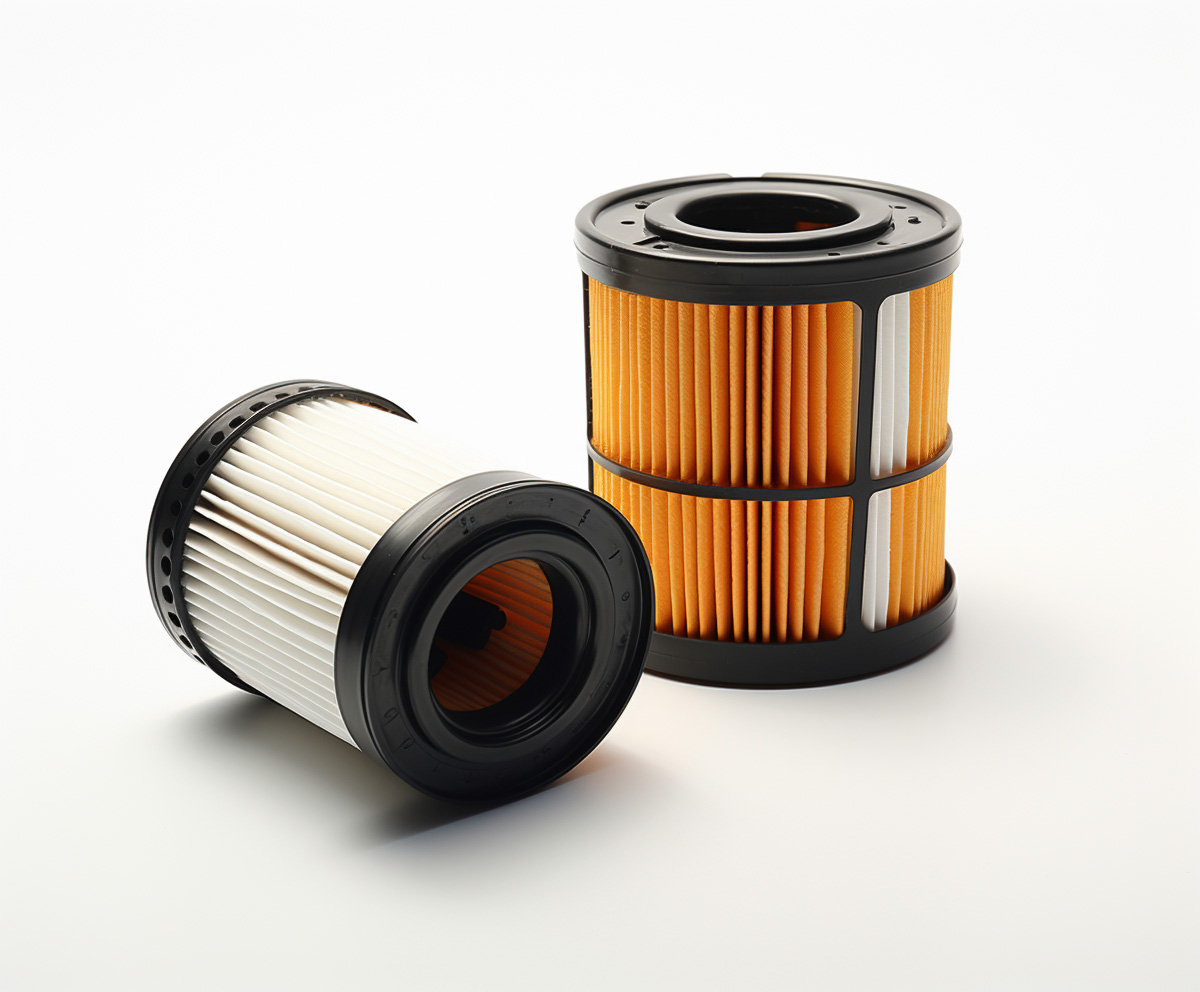
 Products
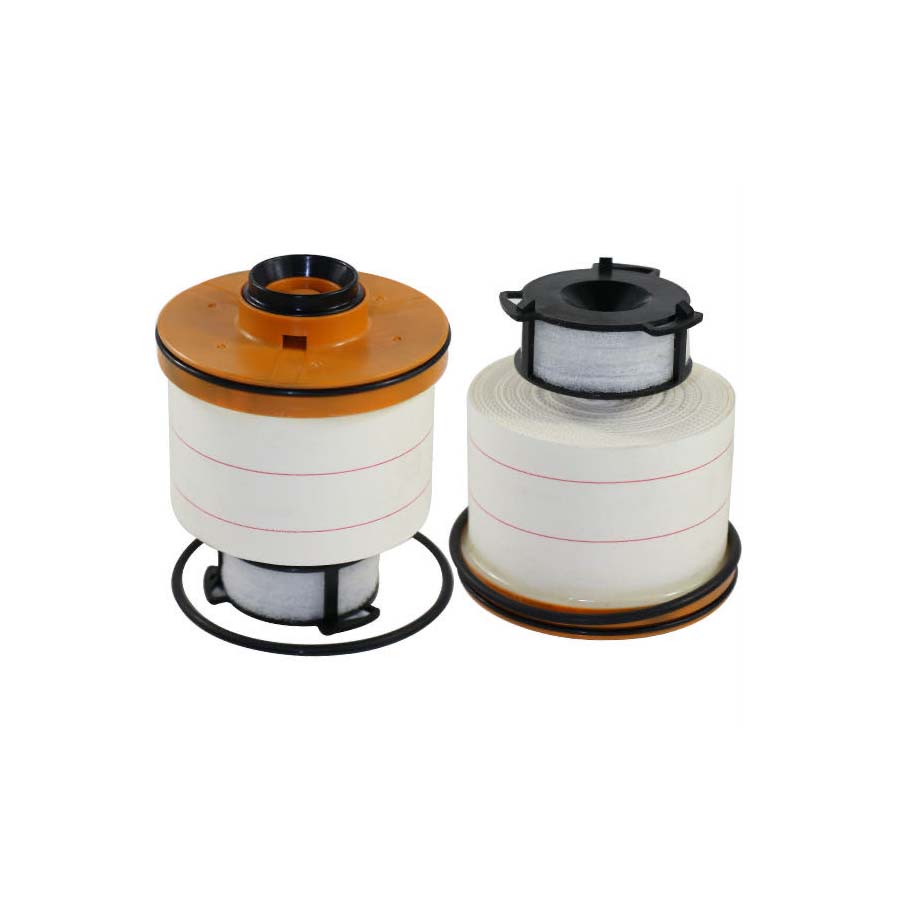 FUEL FILTER
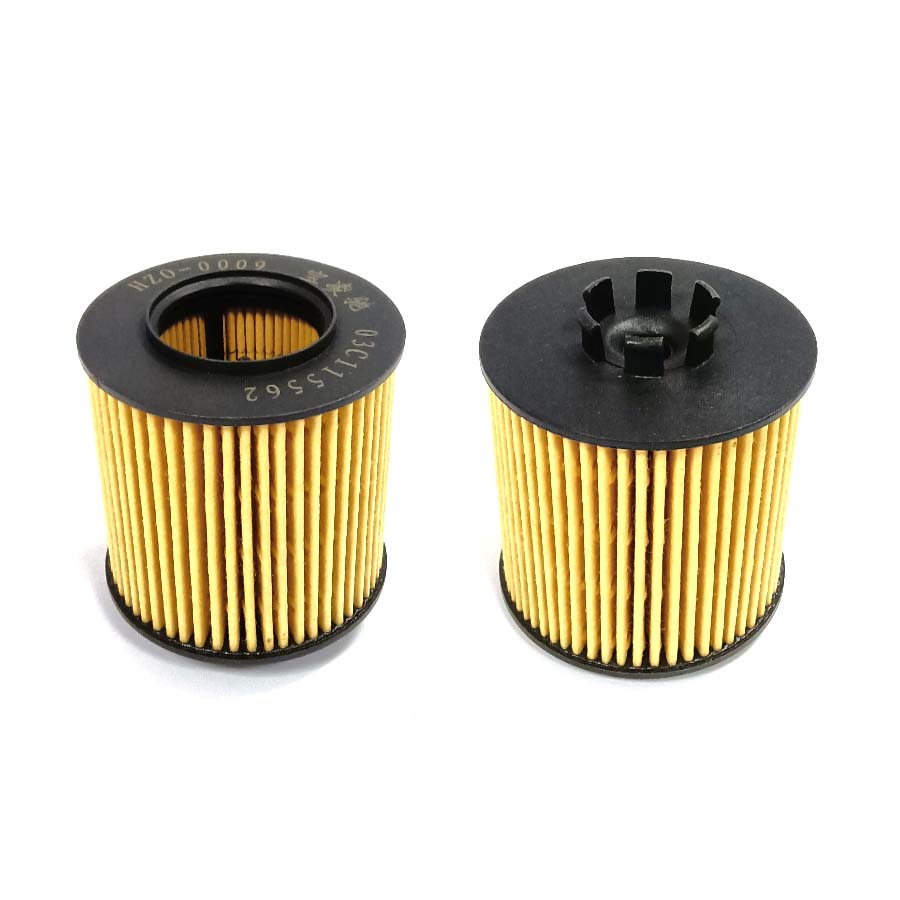 OIL ELEMENT FILTER
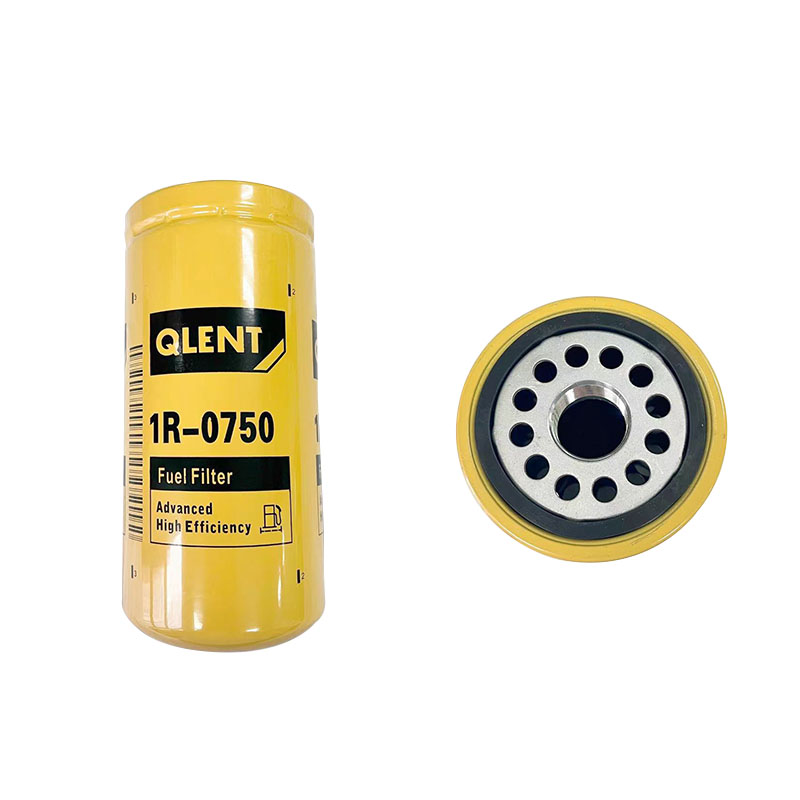 OIL FILTER
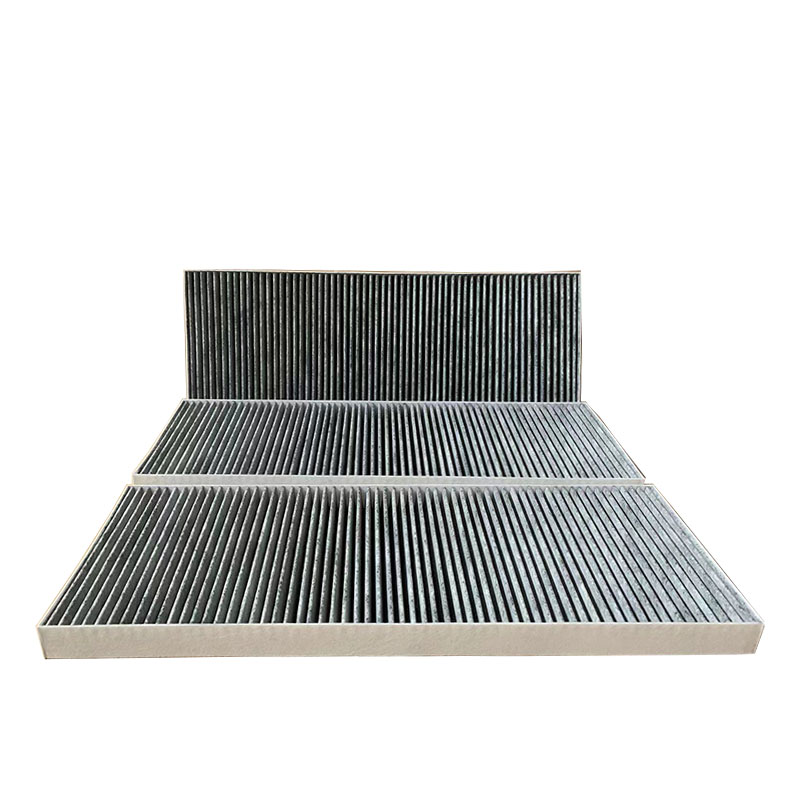 CABIN FILTER
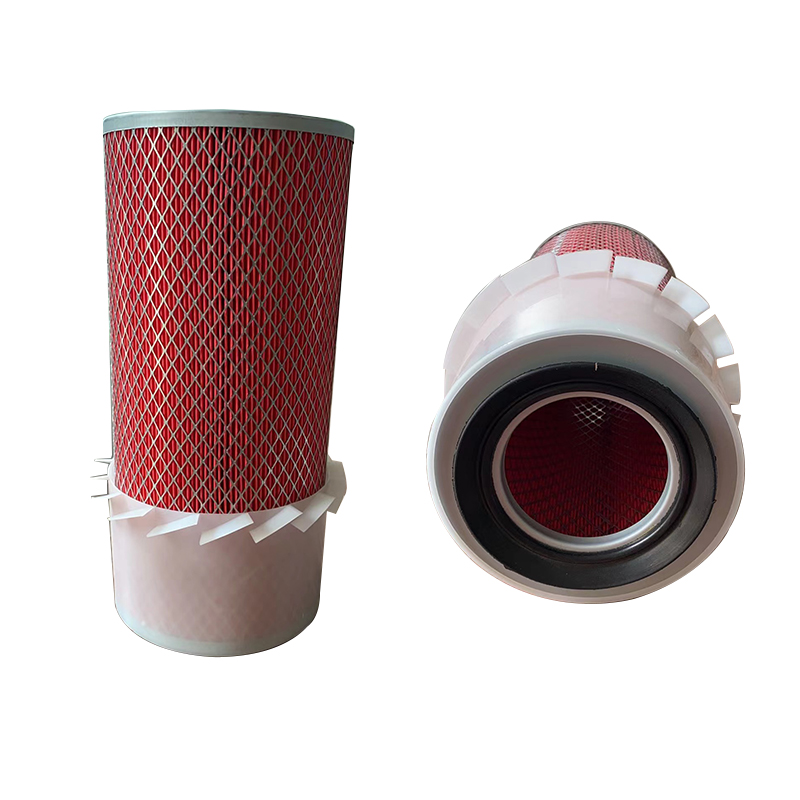 AIR FILTER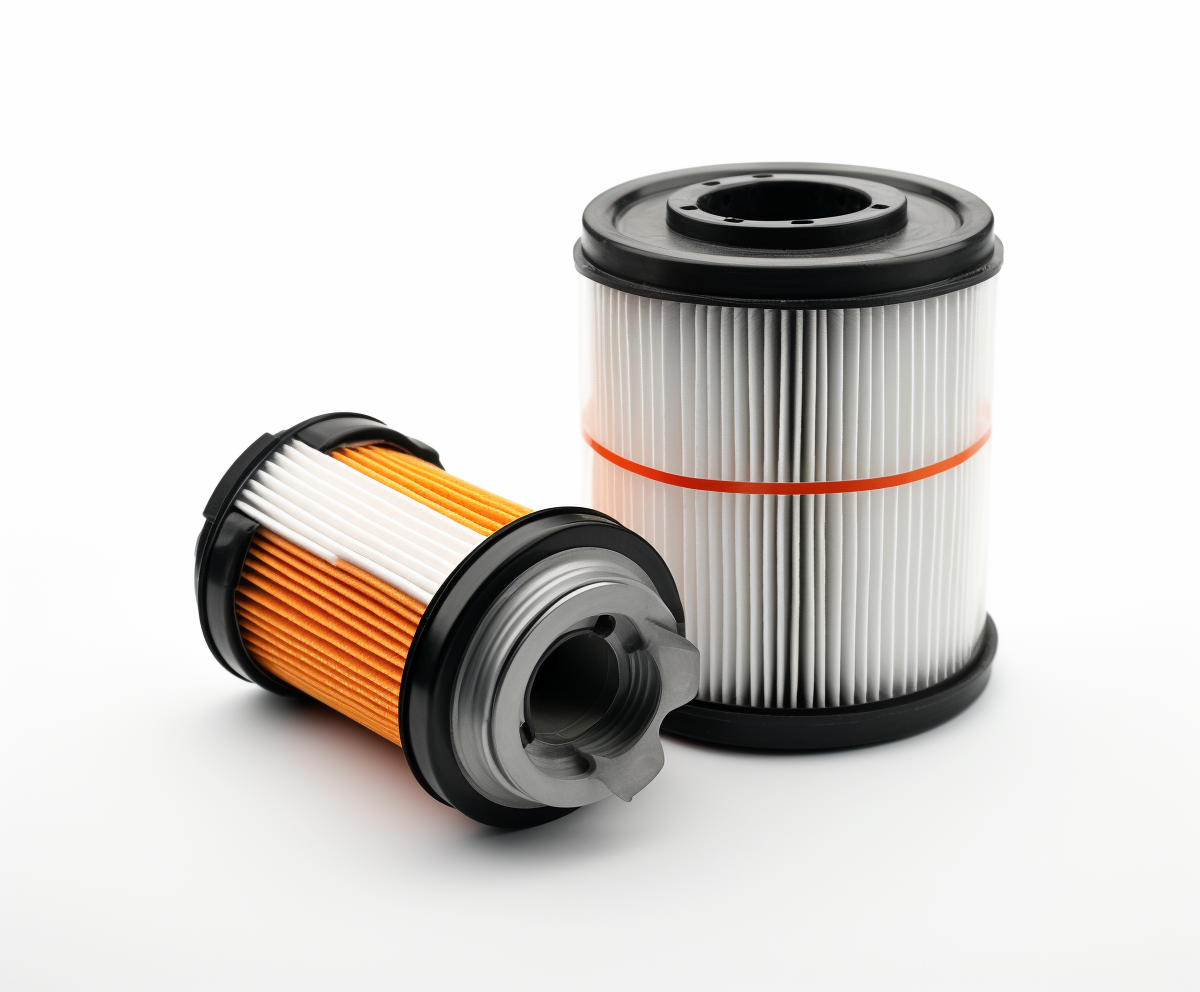

Inquiry
Form loading...
Picking the right auto spare parts Air Filter might seem like a small thing, but honestly, it’s pretty important if you want your car to run smoothly and last a long time. I was reading some recent industry reports, and it turns out that by 2025, the global market for Automotive Filters could hit around33 billion USD. Air filters especially matter a lot because they impact how efficiently your engine runs and how much pollution it emits.

Our company, Ningbo Hongzhuo Filter Co., Ltd., started back in 2013, and we’ve been focused on making high-quality automotive filters—think air filters, cabin filters, oil filters, you name it. More and more car owners are realizing how crucial good maintenance is, especially when it comes to keeping the air clean inside the engine. That simple change of a filter can actually boost fuel economy and cut down on nasty emissions. Based out of Ningbo in Zhejiang Province, we’re dedicated to offering tough, reliable filters that suit various vehicle needs, all while helping promote better performance and a cleaner environment.
Air filters might not be the first thing that comes to mind when you're thinking about your car’s performance, but honestly, they play a pretty big role. Basically, they work to keep dirt, dust, and all sorts of gunk out of the air that’s going into your engine. And let’s be real—clean air is what keeps your engine running smoothly and efficiently. When the filter gets clogged or dirty, it makes it harder for air to flow in, which means your engine can start to bog down, and you end up burning more fuel than you should. So, keeping that filter in tip-top shape is super important if you want your ride to run well and save you some bucks at the pump.
Plus, a good quality air filter does more than just protect performance; it can actually help your engine last longer. By keeping those harmful particles out, it reduces wear and tear on your engine parts. That means fewer repairs down the line and a more reliable drive overall. So, yeah, understanding the importance of air filters isn’t just about ticking a box—it’s about making smarter choices when picking out parts and making sure you get one that fits your car and does the job right for optimal performance.
| Vehicle Type | Air Filter Type | Material | Lifespan (miles) | Performance Impact |
|---|---|---|---|---|
| Sedan | Panel Filter | Paper | 15,000 | Moderate |
| SUV | Cone Filter | Foam | 30,000 | High |
| Truck | Engine Air Filter | Synthetic | 50,000 | Very High |
| Coupe | Reusable Filter | Cotton | 100,000 | High |
| Minivan | HEPA Filter | Fiberglass | 20,000 | Moderate |
When it comes to enhancing vehicle performance, the quality of intake filters plays a crucial role, particularly for engines requiring specific components like the OEM 17801-38030. This air filter, designed for Toyota vehicles, ensures proper airflow while effectively trapping contaminants, which can significantly improve engine efficiency and longevity. Its dimensions of 315MM x 296MM x 52MM make it a perfect fit for various Toyota models, allowing for seamless integration without compromising on performance.
The material used for the OEM 17801-38030 filter is primarily filter paper, which not only provides excellent filtration but is also customizable to meet specific operational needs. With an emphasis on quality, this product adheres to internationally recognized standards, evidenced by its ISO 9001:2015 and IATF 16949:2016 certifications. These certifications assure users that the intake filter is manufactured under stringent quality control processes, thereby enhancing the vehicle’s operational efficiency. Additionally, the minimum order quantities for neutral packaging and custom logos are quite manageable at 100 and 500 units, respectively, facilitating procurement for both individual consumers and bulk buyers.
By utilizing the OEM 17801-38030 filter, drivers can expect improved engine performance, better fuel efficiency, and reduced wear – essential factors for maintaining a high-performing vehicle. With a delivery time of 15 to 20 days after receiving a deposit, it ensures that customers can quickly access this vital component to keep their Toyota vehicles running at their best.
: Compatibility with your vehicle’s make and model is crucial. Consult your owner's manual or a trusted source to ensure you choose a filter that meets your vehicle’s specifications.
High-quality air filters made from premium materials are designed to provide superior filtration while maintaining optimal airflow, enhancing engine performance and prolonging its lifespan by preventing harmful contaminants from entering the engine.
OEM air filters are made by the vehicle's manufacturer to meet specific requirements, ensuring a perfect fit and often coming with a warranty. Aftermarket air filters are made by third-party companies and may offer improved airflow and filtration, potentially at lower prices, but may not always meet OEM specifications.
Refer to your vehicle's owner manual for the manufacturer's specifications, pay attention to the filter's construction and material, and check the filter's airflow rating to ensure it matches your engine's needs.
Yes, many aftermarket air filters can be less expensive than OEM filters, while still providing quality filtration and improved performance from reputable brands.
The materials used in manufacturing the filter and its design can impact lifespan. Some filters offer longer service intervals, reducing the frequency of replacements for better overall value.
Airflow rating is critical because too restrictive a filter can hinder engine performance, whereas a filter with too little resistance may not adequately remove contaminants.
Always check customer reviews and select products that have been tested for quality, keeping in mind your vehicle's intended use to determine if a standard or high-performance filter is appropriate.
HEPA filters provide maximum filtration and can be especially beneficial in areas with poor air quality, helping to maintain clean air in your vehicle for better health outcomes.
Maintaining clean air within the vehicle contributes to better health outcomes for both the occupants and the engine, and using the right filter ensures performance optimization.
Picking the right air filter for your car’s auto spare parts isn’t just about ticking a box — it’s actually pretty key to keeping your ride running smoothly. Air filters might seem small, but they do a big job: making sure your engine gets clean air, which is super important for good combustion and overall performance. When you're choosing one, think about how well it fits your engine and how efficient it is — those ratings can really make a difference on your fuel bills. Oh, and knowing the difference between OEMs and aftermarket options can help you make smarter choices, too.
Also, don’t forget—regular check-ups and replacing your filter on time can seriously extend how long it lasts. If you’re on the hunt for trustworthy automotive filters, Ningbo Hongzhuo Filter Co., Ltd. has got a pretty solid selection. They offer a bunch of air filters designed to fit different vehicles, so you can count on getting quality and performance, no matter what you drive.


 When you're picking out an air filter for your car, it’s really important to make sure it actually fits your engine. A good match can boost airflow and help your engine run smoother and more efficiently. But if you choose the wrong one, it might slow things down or even risk damaging your engine – not what you want, obviously. So, before you buy, here are some tips to help you figure out what’s compatible.