
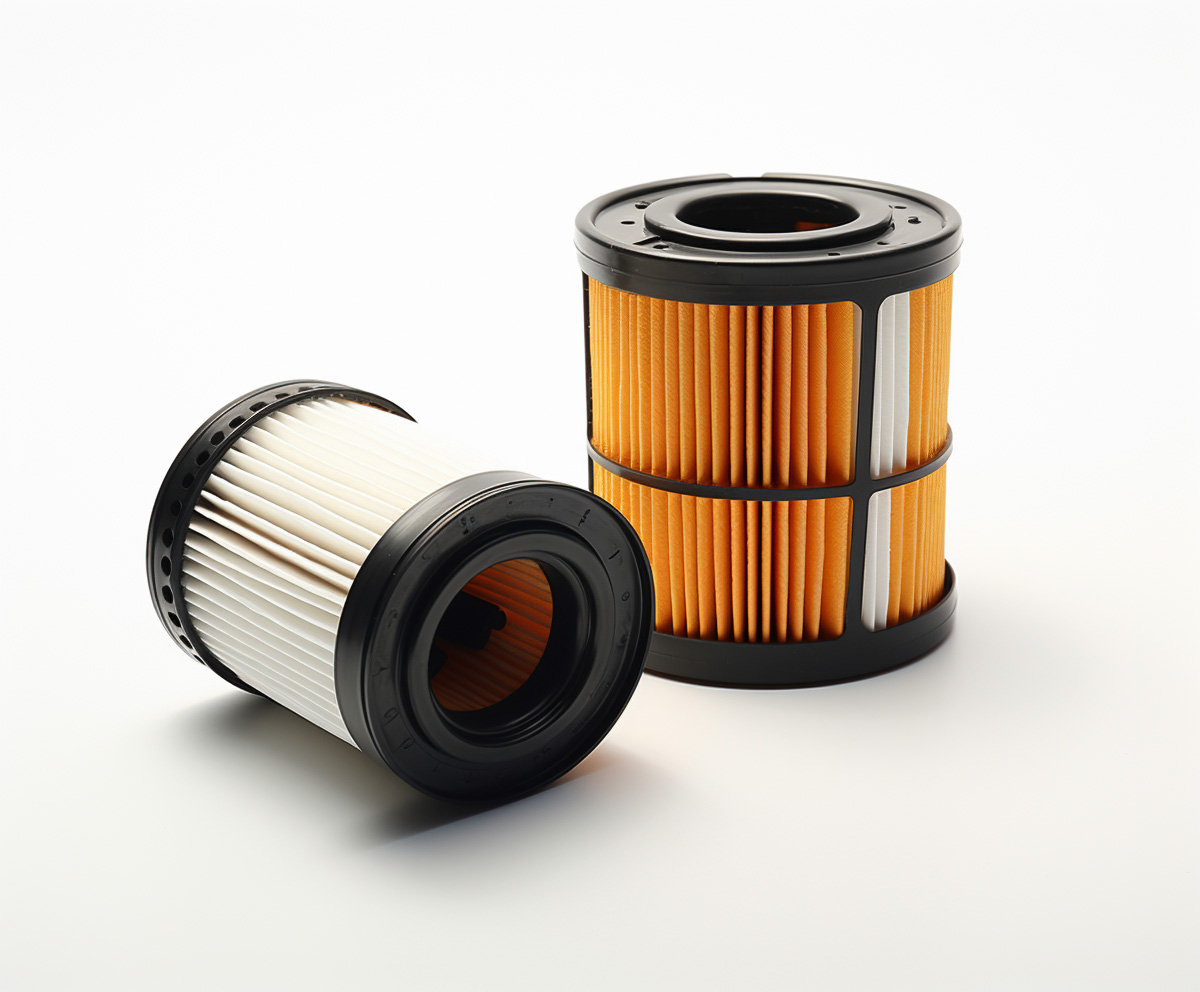
 Products
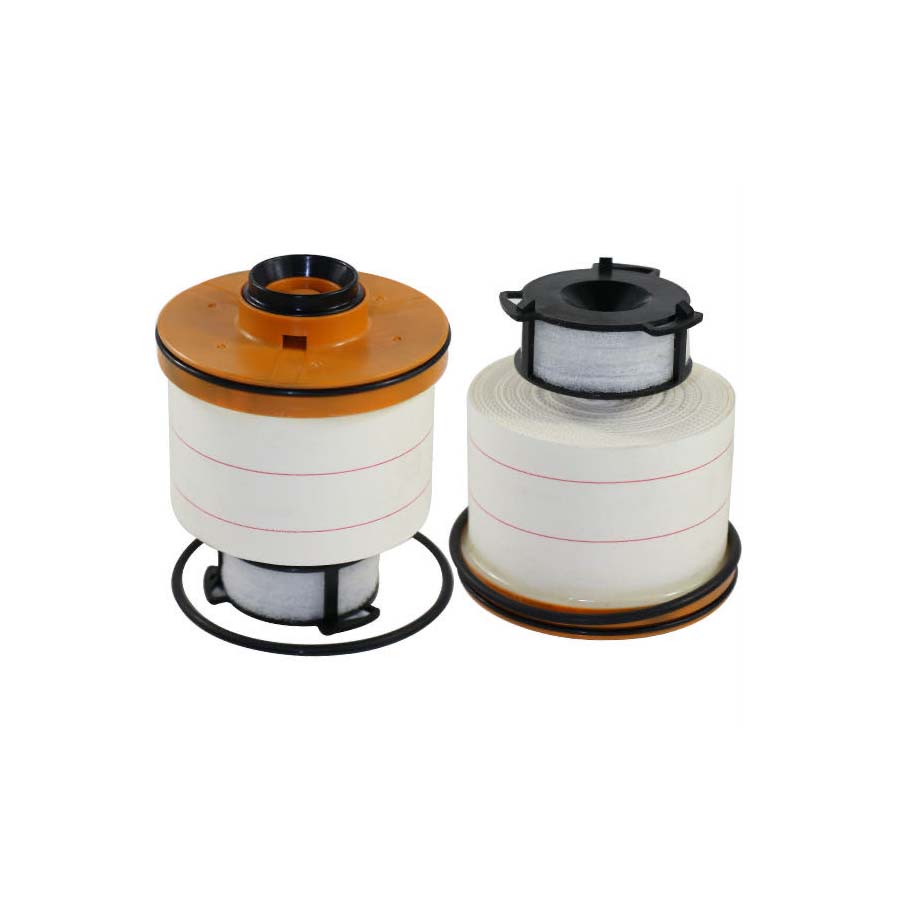 FUEL FILTER
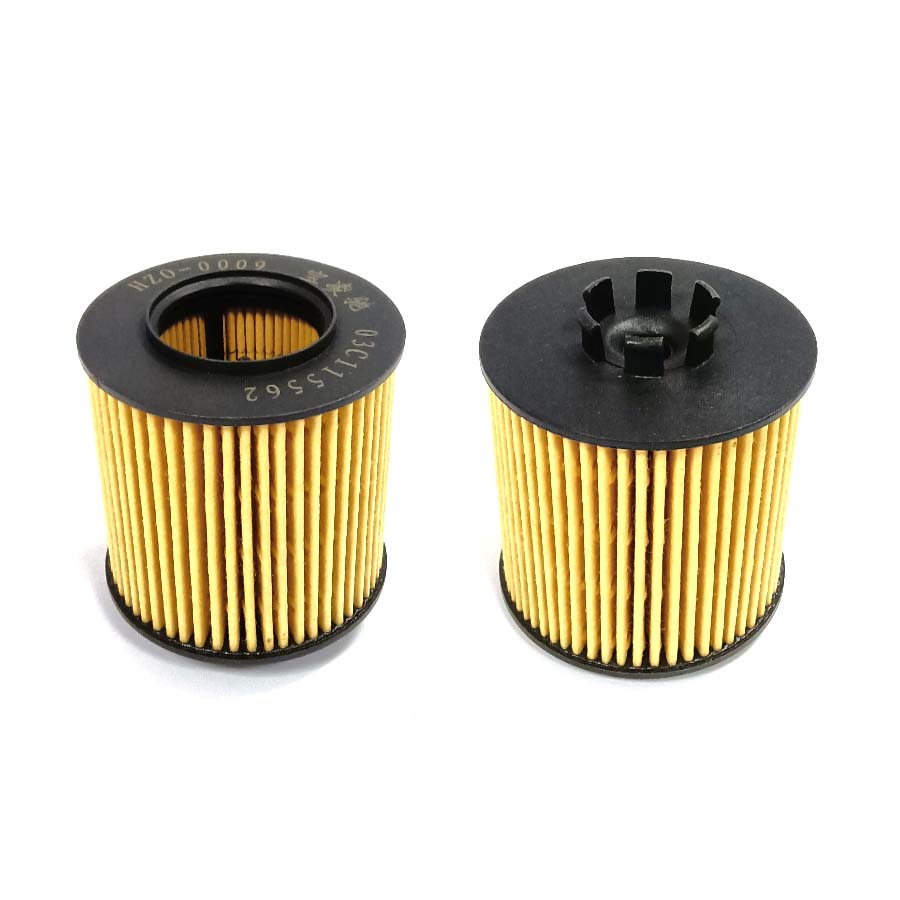 OIL ELEMENT FILTER
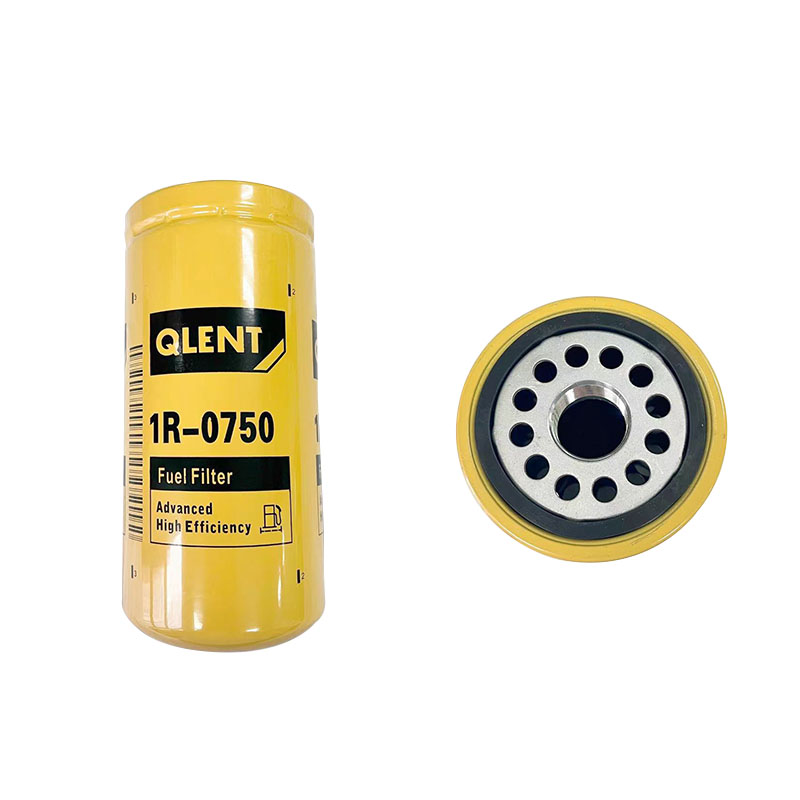 OIL FILTER
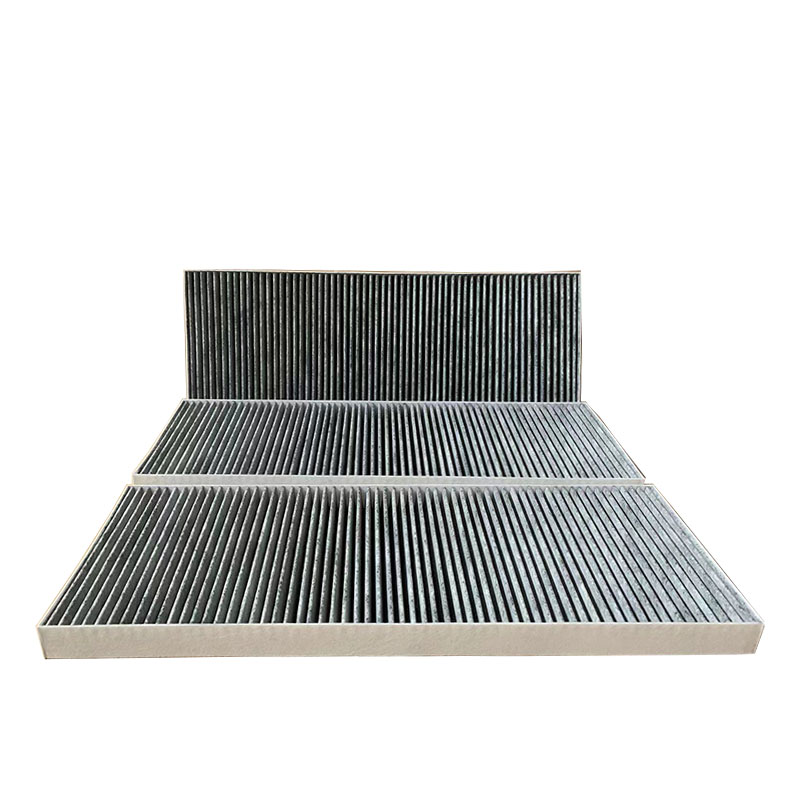 CABIN FILTER
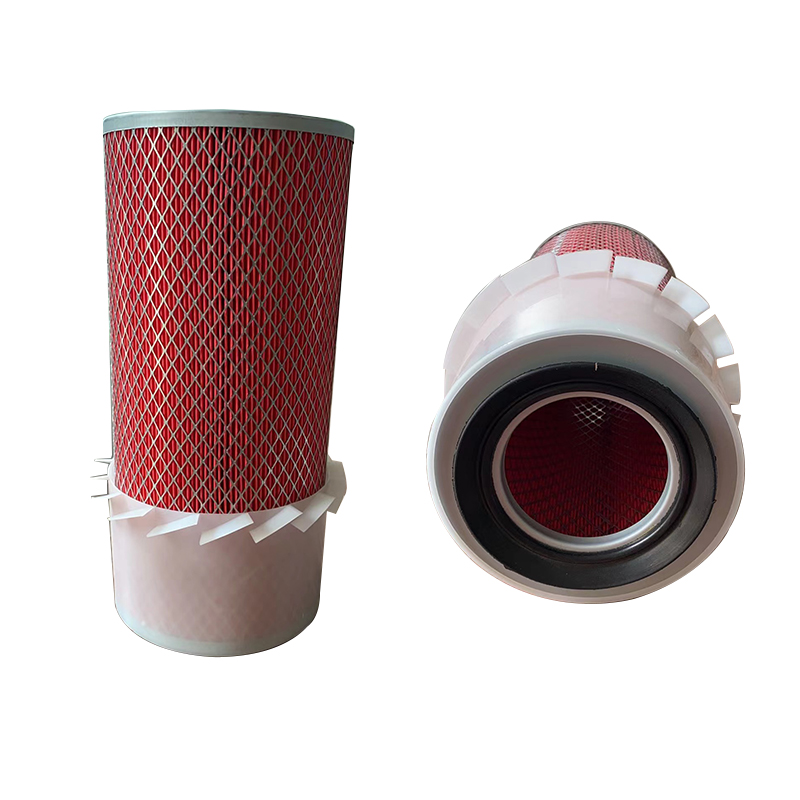 AIR FILTER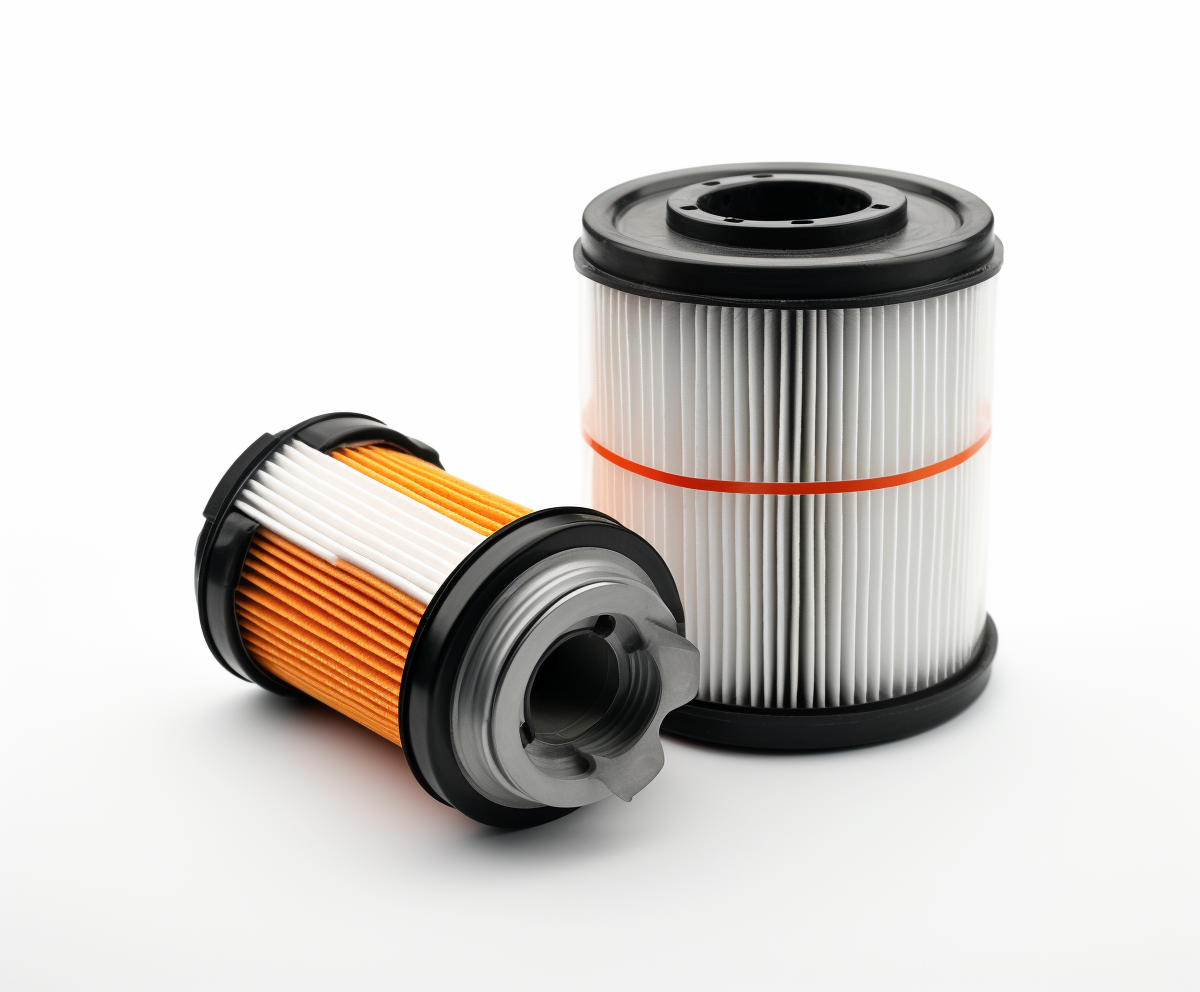

Inquiry
Form loading...
When it comes to fixing up and maintaining your car, choosing the right parts can really make a big difference—not just how well it runs, but also how long it lasts. One of those often-overlooked but super important parts is the Auto Spare Parts Air Filter. Did you know that keeping your air filter clean can boost your fuel economy by up to 10%? That’s pretty significant, especially when you think about the savings over time. Plus, the main job of the filter is to keep dirt and debris out of the engine, which helps keep the engine healthier and your car running smoothly for longer?

Honestly, picking a good-quality air filter is a no-brainer. Cheap or worn-out filters can cause your engine to wear out faster, run less efficiently, and end up costing you more in repairs down the line. I read somewhere that around 60% of car owners tend to forget about checking their air filters, which isn’t great because it can lead to poorer engine performance and higher emissions. On the flip side, splurging on a reliable air filter can actually give your car better airflow, more power, and even help you stay in line with environmental standards since it cuts down on nasty exhaust pollutants. As car tech keeps advancing, making sure you’re using the right air filter is honestly one of those small but really essential parts of keeping your vehicle in good shape.
The air filter plays a crucial role in maintaining engine performance and longevity by ensuring that the engine receives a consistent flow of clean air. According to a report by the Society of Automotive Engineers, an engine can lose up to 11% of its horsepower when the air filter is clogged. This decrease in airflow can significantly impact the combustion process, leading to suboptimal fuel efficiency and increased emissions. Regularly replacing or servicing the air filter can restore optimal airflow, which is essential for top engine performance.
Moreover, a clean air filter is key in protecting the engine from harmful contaminants. Research from the Automotive Aftermarket Industry Association reveals that approximately 80% of engine wear is attributed to dirt and debris entering the combustion chamber. By filtering out these particles, air filters not only help in maintaining engine integrity but also extend the overall lifespan of the vehicle. Investing in high-quality air filters can lead to improved acceleration and reduced overall maintenance costs, highlighting the importance of selecting the right replacement parts for enhanced engine operation.

In optimizing diesel performance for Hyundai and Kia models, the Fuel Filter plays a crucial role in maintaining engine efficiency and longevity. The quality of the fuel filter, particularly the in-tank filter designated as OE NO. 31112-1R000, is essential for ensuring that contaminants and particulates are effectively removed from the fuel supply. According to industry reports, a compromised fuel filter can lead to reduced engine power, increased emissions, and higher fuel consumption—key performance indicators that may significantly affect vehicle operation and owner satisfaction.
For those looking to upgrade their filtration system, our fuel filter, which meets the specifications for Hyundai and Kia vehicles, is available in a standard size and can be customized as needed. The manufacturing standards are upheld with certifications such as ISO 9001:2015 and IATF 16949:2016, ensuring that every unit produced adheres to stringent quality controls. With a minimum order quantity of 300 pieces for neutral packaging and 500 pieces for customized logo or packaging, we guarantee that you will find solutions that fit your business needs within a delivery timeframe of 15 to 20 days after deposit.
Research indicates that regularly replacing the fuel filter not only enhances combustion efficiency but also contributes to overall vehicle performance, leading to longer engine life. For Hyundai and Kia models, utilizing high-quality parts such as the fuel filter not only optimizes engine behavior but also minimizes the risks of expensive repairs down the line. As diesel engines continue to evolve, focusing on superior components will ensure that you remain competitive in the market while providing reliable vehicles to customers.
: Selecting the right air filter is crucial for optimal vehicle performance as it ensures the engine receives clean air, which is essential for effective combustion.
There are several types of air filters available, including standard paper filters, high-flow filters, and reusable filters, each serving specific purposes to enhance engine performance.
Vehicles equipped with high-quality air filters can exhibit an increase in horsepower by up to 10%, highlighting the importance of filter selection.
Maintaining clean filters boosts engine efficiency and can potentially increase engine longevity by up to 20%, ensuring optimal performance and lifespan.
It's recommended to inspect and replace the air filter regularly, ideally every 12,000 miles or during routine oil changes, especially in dusty driving conditions.
A clogged or dirty air filter restricts airflow to the engine, leading to increased fuel consumption and potentially harmful deposits on the engine.
Using high-quality, manufacturer-recommended air filters enhances performance by ensuring a perfect fit and optimal filtration efficiency for your vehicle.
Regularly checking your air filter's condition and sticking to a maintenance routine will promote better engine health and contribute to cost savings in fuel and overall maintenance.
Vehicles driven in dusty environments may require more frequent inspections and replacements to ensure optimal engine performance.
The American Automobile Association (AAA) recommends checking the air filter every 12,000 miles or during routine oil changes, depending on driving conditions.
Choosing the right Auto Spare Parts Air Filter is crucial for enhancing engine performance and longevity. Air filters play a vital role in ensuring that clean air reaches the engine, which is essential for optimal combustion. Various types of air filters are available, and selecting the appropriate one for your vehicle can significantly improve fuel efficiency and power output. Signs of a failing air filter can lead to detrimental effects on the engine’s lifespan, making regular maintenance vital for extending its life.
At Ningbo Hongzhuo Filter Co., Ltd., we specialize in high-quality automotive filters, including air filters that meet the needs of various vehicles. Investing in premium air filters not only ensures better engine performance but also provides a cost-effective solution in the long run, ultimately benefiting both your vehicle and your budget. Regularly replacing and maintaining your air filter can enhance both performance and efficiency, underscoring the importance of choosing the right Auto Spare Parts Air Filter.


