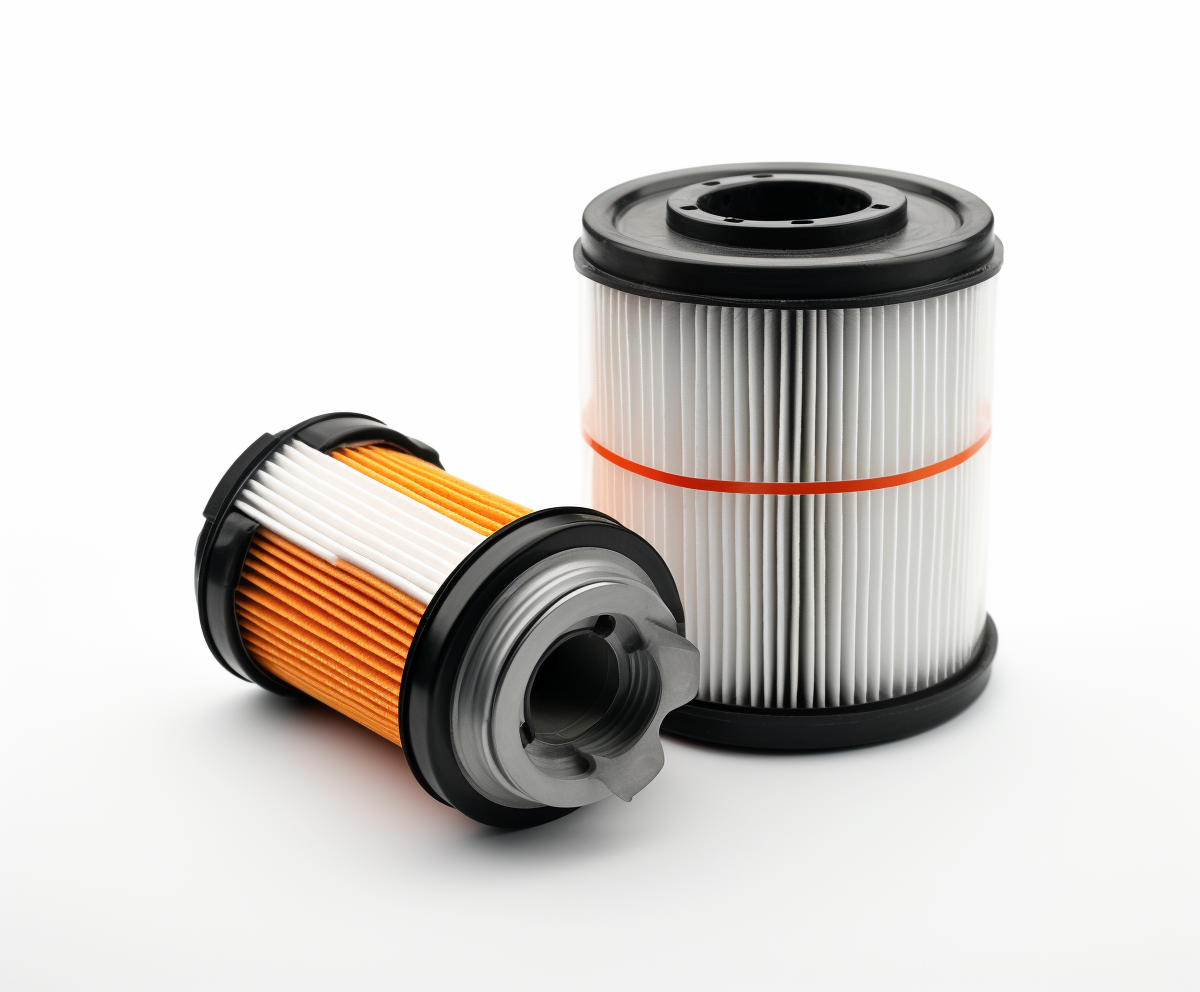
In today’s super busy world, keeping your car’s interior fresh and clean isn’t just a nice touch — it’s actually pretty important for your health and comfort. One thing that often gets overlooked but really makes a difference is the cabin Air Filter, or what some folks call the Auto Engine Parts Cabin Air Filter. Basically, this little guy helps keep the air inside your car free from dust, pollen, and all sorts of sneaky pollutants that can mess with your well-being or just make your ride less enjoyable. Changing it regularly isn’t just something to check off your to-do list; it’s actually a pretty simple way to make your driving experience a whole lot better.
If you ignore the state of your cabin air filter, over time, the air inside your car can start to smell kinda off, and you might even notice more sneezing or allergy troubles — not exactly what you want during your daily commute. By understanding why this filter is so important and keeping an eye out for signs that it needs swapping, you can keep your vehicle’s atmosphere fresh and inviting. This guide will walk you through the whole process of replacing your cabin air filter — step by step. With a few basic tools and a little guidance, you’ll see that taking care of your car’s air system is easier than you might think, and trust me, the benefits are totally worth it.

Understanding the Importance of Cabin Air Filters for Air Quality
Cabin air filters play a crucial role in maintaining the air quality inside your vehicle. These filters are designed to trap dust, pollen, and other airborne contaminants before they enter the cabin, ensuring that passengers breathe cleaner air. Neglecting the maintenance of the cabin air filter can lead to a build-up of harmful particles that may exacerbate allergies or respiratory conditions. Therefore, understanding the importance of this component is essential for overall health and comfort while driving.
Moreover, a clean cabin air filter can significantly enhance the efficiency of your vehicle's heating and air conditioning systems. When the filter is clogged, it can restrict airflow, making your HVAC system work harder. This inefficiency not only affects the cabin's air quality but can also lead to increased fuel consumption. Regularly replacing your cabin air filter is a simple yet effective way to maintain a comfortable driving environment and ensure that you and your passengers remain healthy on the road.
Signs that Indicate It's Time to Replace Your Cabin Air Filter
When it comes to maintaining a healthy vehicle environment, the cabin air filter plays a crucial role. Identifying the signs that indicate it's time to replace this essential component is vital for ensuring clean air quality. According to the Automotive Aftermarket Industry Association (AAIA), a significant portion of drivers—approximately 21%—neglect cabin air filter maintenance, leading to reduced air quality in their vehicles. One of the primary indicators that a replacement is necessary is a noticeable decrease in airflow from the air conditioning or heating system. If the airflow becomes weak, it often suggests that the filter is clogged with dirt, pollen, and debris, impeding proper ventilation.
Additionally, if passengers begin to experience increased allergy symptoms or respiratory issues while in the vehicle, this can be a strong sign that the cabin air filter requires attention. The Society of Automotive Engineers (SAE) notes that pollen and other pollutants can accumulate in the filter, causing them to bypass the filtering system altogether. Furthermore, unpleasant odors emanating from the air vents may signal that the cabin air filter is not adequately performing its job of trapping contaminants. Routine checks and timely replacements of the cabin air filter are recommended every 12,000 to 15,000 miles or as needed to maintain a healthy driving environment for all occupants.
How to Replace Your Auto Engine Parts Cabin Air Filter for Clean Air Quality - Signs that Indicate It's Time to Replace Your Cabin Air Filter
| Sign | Description | Frequency of Replacement (Months) | Recommended Action |
| Reduced Airflow | Noticeably weaker air coming from vents. | 12 | Replace Filter |
| Unpleasant Odor | Strange smells when the air is on. | 12 | Replace Filter |
| Visible Dirt and Debris | Dirt accumulation in the Cabin Filter. | 6-12 | Inspect and Replace |
| Frequent Allergy Symptoms | Increased sneezing or irritation from dust and pollen. | 6-12 | Replace Filter |
| Foggy Windows | Difficulty in defogging windows during dampness. | 12 | Replace Filter |
Types of Cabin Air Filters: Activated Carbon vs. Particulate Filters
When it comes to maintaining a vehicle's air quality, the type of cabin air filter chosen can play a crucial role. There are primarily two types of cabin air filters available: activated carbon filters and particulate filters. Each serves a distinct purpose and offers unique benefits for ensuring cleaner air inside the car.
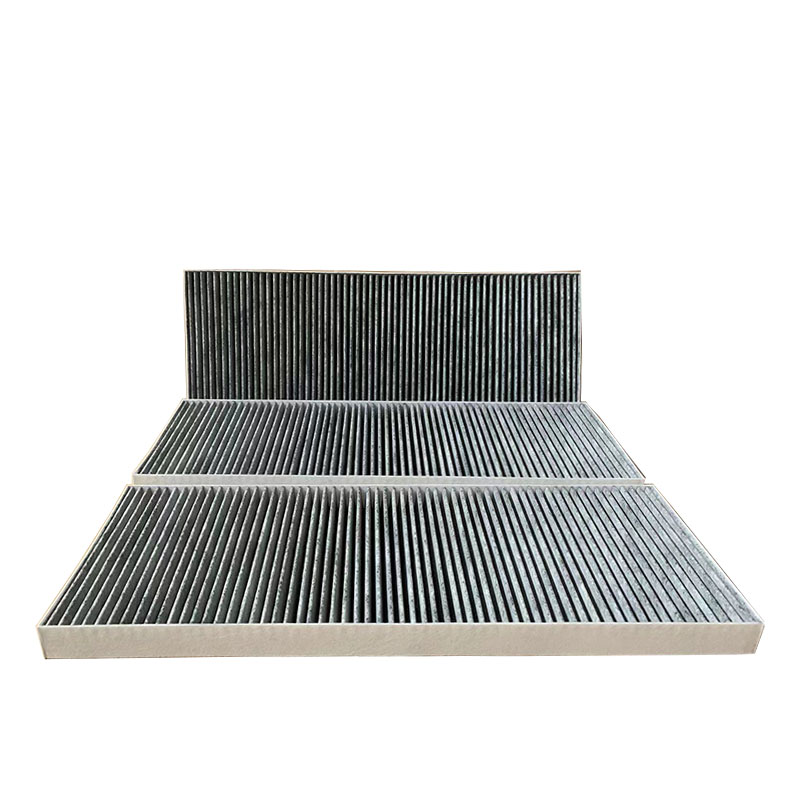
Activated carbon filters are designed to absorb odors and harmful gases, thanks to the porous nature of carbon. This makes them particularly effective in urban environments where pollutants and unpleasant smells are more prevalent. While they excel at trapping odors, they also filter out tiny particles, providing a dual action that enhances the overall air quality within the vehicle.
On the other hand, particulate filters focus on removing dust, pollen, and other airborne particles from the air. They employ dense mesh materials that can capture various particulates, making them an excellent choice for those with allergies or sensitivities. Although they may not neutralize odors as effectively as activated carbon filters, their ability to trap harmful particles is essential for promoting a healthier cabin atmosphere. Choosing the right filter ultimately depends on individual needs, environmental factors, and personal preferences regarding air quality in the vehicle.
Step-by-Step Guide to Locating Your Cabin Air Filter
Replacing your cabin air filter is crucial for maintaining a clean and healthy air quality within your vehicle. The cabin air filter helps trap dust, pollen, and other harmful particles, preventing them from entering the cabin. According to the EPA, indoor air quality can be significantly worse than the air outside, and in a closed vehicle environment, airborne pollutants can accumulate rapidly. Therefore, it’s essential to regularly check and replace the cabin air filter, typically every 15,000 to 30,000 miles, depending on driving conditions.
To locate your cabin air filter, first, consult your vehicle’s manual for specific instructions, as the location can vary widely among models. Common locations include behind the glove compartment, under the dashboard, or sometimes under the hood near the windshield. Once you have located the compartment, you may need to remove screws or clips to access the filter housing. Professional reports indicate that a clogged filter can reduce air flow by up to 50%, making it difficult for your vehicle’s HVAC system to operate efficiently. This inefficiency can lead to a less comfortable ride and increased energy consumption, impacting overall fuel efficiency. Regular maintenance of the cabin air filter not only improves air quality but also enhances the performance and longevity of your vehicle's heating and cooling system.
Tools Required for Replacing Your Cabin Air Filter
When it comes to replacing your cabin air filter, having the right tools on hand can make the process smoother and more efficient. First and foremost, you'll need a flathead screwdriver or a similar tool to help pry open the cover that holds the cabin air filter in place. In some vehicles, this cover might be secured by clips or screws, so it’s essential to prepare for either scenario.
Additionally, a pair of pliers can be very useful, especially if you encounter any stubborn clips that are difficult to remove by hand. A flashlight or a work light is also recommended, as it allows you to see the filter compartment clearly, particularly in dimly lit areas of your vehicle. Lastly, don’t forget to have a vacuum cleaner or a brush handy to clean any debris or dust that may have accumulated in the filter area before you install the new cabin air filter. With these tools, you’ll be well-equipped to ensure that your cabin air is fresh and clean, enhancing the overall air quality within your vehicle.
Proper Installation Techniques for Optimal Airflow and Efficiency
Ensuring optimal air quality inside your vehicle is crucial for both comfort and health. A properly installed cabin air filter plays a significant role in this, enabling cleaner air to circulate within the cabin. According to industry reports, a vehicle’s cabin air filter can capture up to 98% of airborne pollutants, including dust, pollen, and exhaust fumes. To achieve the best performance from your air filter, correct installation is paramount.
When replacing your cabin air filter, always consult your vehicle’s service manual for specific instructions regarding its location and removal process. Many vehicles utilize a simple clip or slide-in mechanism for filter installation. Make sure the new filter is oriented correctly to facilitate airflow, as incorrectly installing a filter can restrict airflow and reduce its effectiveness significantly. Ensuring a tight seal will also help to prevent pollutants from bypassing the filter.
 Tips:
Tips:
- Regularly check your cabin air filter every 12,000 to 15,000 miles, or as recommended by your vehicle manufacturer, to maintain optimal air quality.
- While installing, inspect the filter compartment for debris or buildup and clean it before placing the new filter to ensure unimpeded airflow.
- Consider using filters with activated carbon to enhance odor removal and further improve air quality.
By implementing these installation techniques and maintenance tips, you'll ensure optimal airflow and efficiency from your cabin air filter, leading to a more pleasant driving experience.
Maintenance Tips to Extend the Life of Your Cabin Air Filter
Maintaining the cabin air filter in your vehicle is crucial for ensuring clean air quality within your car. A clean cabin air filter can prevent up to 99% of dust, pollen, and other particulates from entering the passenger compartment, significantly improving air quality. According to the Environmental Protection Agency (EPA), indoor air can be up to five times more polluted than outdoor air, highlighting the importance of maintaining a clean environment in your vehicle as well.
To extend the life of your cabin air filter, regularly check it every 15,000 miles or when you notice a decline in air quality. A simple visual inspection can often reveal whether the filter is dirty or clogged, which can impact both air flow and the efficiency of your vehicle's heating and cooling systems.
Tips: One effective way to prolong the life of your cabin air filter is to avoid running the air conditioning system on recirculation mode continuously, as this can lead to a buildup of contaminants. Additionally, consider parking in covered areas or using a windshield sunshade to reduce debris accumulation inside your vehicle. Regularly cleaning the interior and pointing the airflow towards the floor can also help minimize the amount of dust and pollen that the filter has to deal with. By following these maintenance tips, you can ensure a healthier driving environment and prolong the lifespan of your cabin air filter.
Maximizing Comfort: The Essential Guide to the Auto Cabin Air Conditioning Filter 97133-2f010 for KIA Vehicles
In the pursuit of a comfortable driving experience, maintaining the efficiency of your vehicle’s cabin air conditioning system is paramount. One crucial component in this system is the cabin air filter, which plays a significant role in ensuring that the air circulating within the cabin is clean and free from pollutants. The cabin air filter with OE number 97133-2F000, also referenced as 97133-0S000 or 97133-2F010, is designed specifically for a range of KIA vehicles.
Research shows that a well-functioning cabin air filter can improve indoor air quality by trapping dust, pollen, and harmful particulates, leading to a more enjoyable ride for both the driver and passengers. The standard size filters can be made from a variety of materials, including white fiber or carbon, offering options that can be tailored to consumer preferences. The demand for such filters is evident across various global markets, including the United States, Middle East, and Southeast Asia, indicating their essential role in vehicle maintenance.
According to industry reports, replacing the cabin air filter regularly can enhance the efficiency of the air conditioning system, which can lead to better fuel economy and reduced operational costs. With recommended minimum order quantities for neutral and branded packages, businesses can easily stock these essential components. Ensuring that these filters meet certifications like ISO 9001:2015 and IATF 16949:2016 guarantees that customers receive high-quality products, fostering trust and satisfaction in the automotive aftermarket.
FAQS
: The two main types of cabin air filters are activated carbon filters and particulate filters. Activated carbon filters absorb odors and harmful gases, while particulate filters are designed to remove dust, pollen, and other airborne particles.
Activated carbon filters are effective at absorbing odors and harmful gases due to their porous nature, making them particularly suitable for urban environments with higher pollution levels.
Particulate filters focus on removing airborne particles like dust and pollen, making them an excellent choice for individuals with allergies or sensitivities by promoting a healthier cabin atmosphere.
To replace your cabin air filter, you'll need a flathead screwdriver, pliers, a flashlight or work light, and a vacuum cleaner or brush to clean the filter area before installation.
To ensure optimal airflow, always follow your vehicle's service manual for specific installation instructions, orient the filter correctly, and ensure a tight seal to prevent pollutants from bypassing the filter.
It is recommended to check your cabin air filter every 12,000 to 15,000 miles, or as advised by your vehicle manufacturer, to maintain optimal air quality.
Before installing a new cabin air filter, inspect the filter compartment for debris or buildup and clean it to ensure unimpeded airflow.
Yes, using activated carbon filters can enhance odor removal and further improve air quality in the vehicle, making for a more pleasant driving experience.
Conclusion
The article emphasizes the critical role of the Auto Engine Parts Cabin Air Filter in maintaining clean air quality inside vehicles. It starts by explaining the importance of cabin air filters, highlighting how they can significantly affect the air that passengers breathe. The article outlines various signs that signal it’s time for a replacement, such as decreased airflow or unpleasant odors.
Next, it distinguishes between different types of cabin air filters, specifically activated carbon and particulate filters, to help readers make informed choices. A detailed, step-by-step guide is provided for locating and replacing the cabin air filter, along with a list of necessary tools. Proper installation techniques are underscored to ensure optimal airflow and efficiency. Finally, the article concludes with maintenance tips to help extend the lifespan of the Auto Engine Parts Cabin Air Filter, ensuring that it continues to provide clean air for a healthier driving experience.

 Products
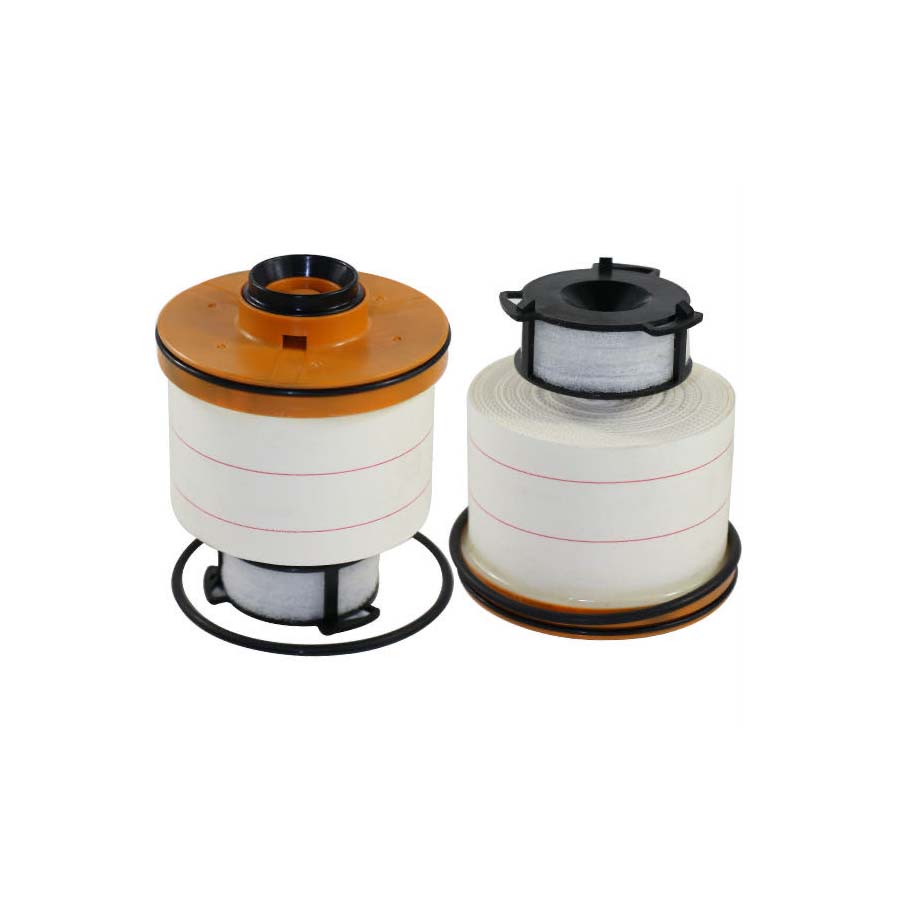 FUEL FILTER
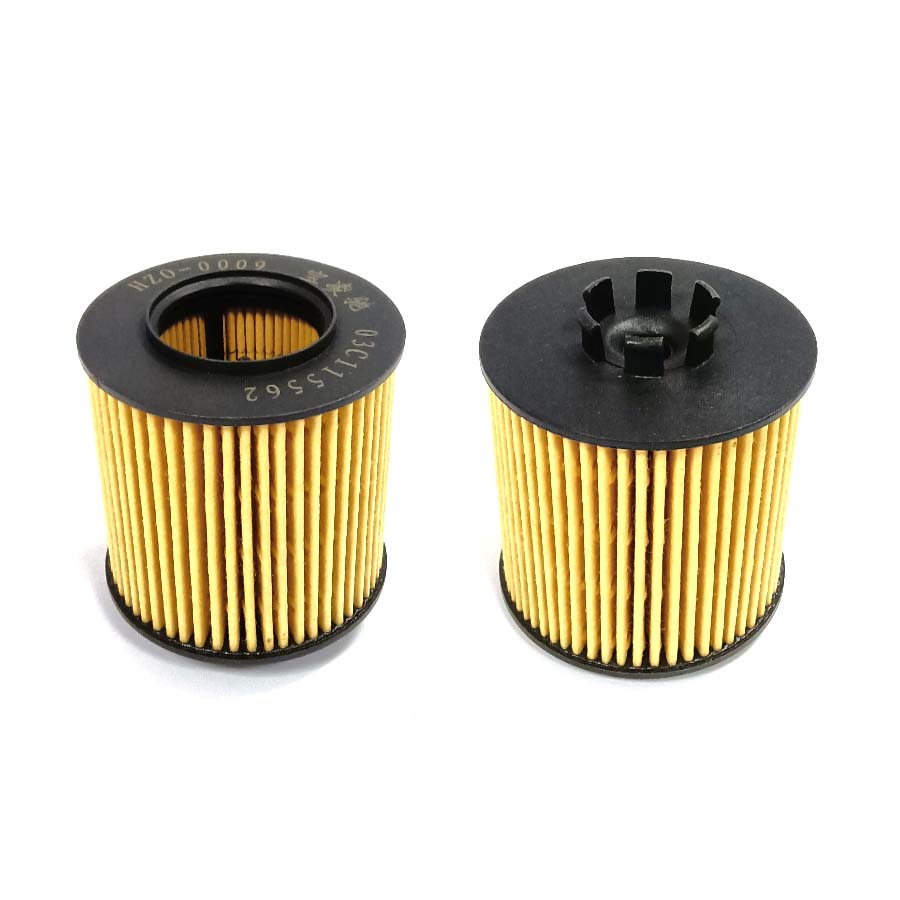 OIL ELEMENT FILTER
 OIL FILTER
 CABIN FILTER
 AIR FILTER