
 Products
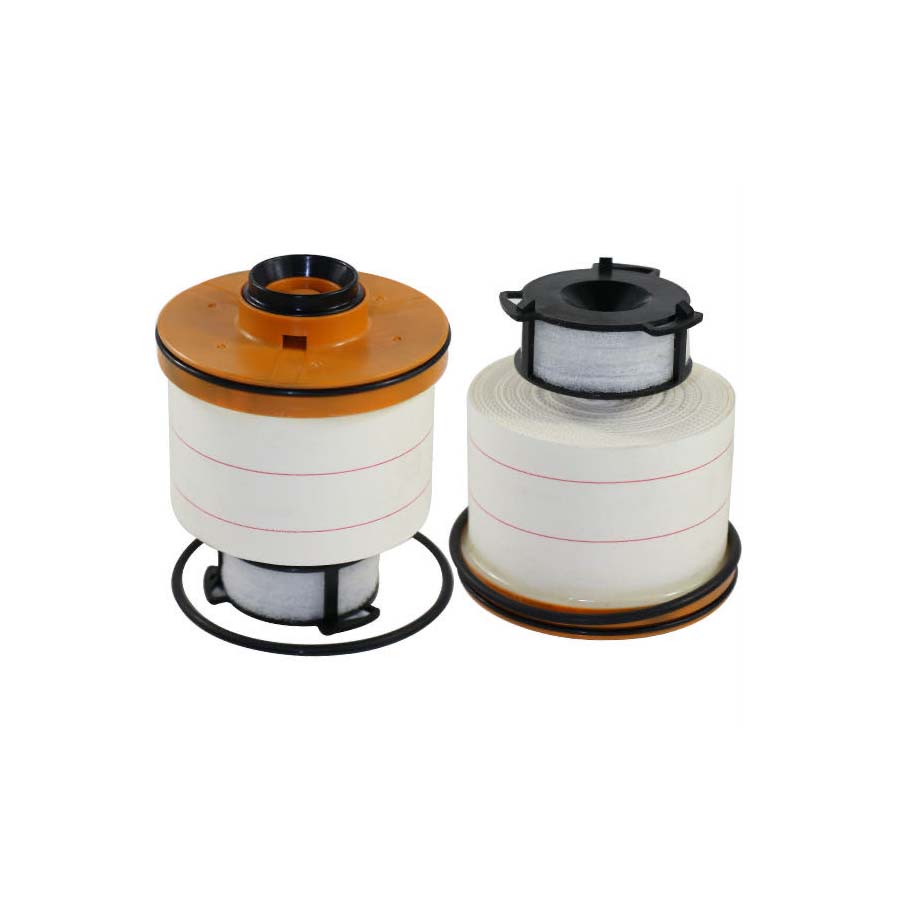 FUEL FILTER
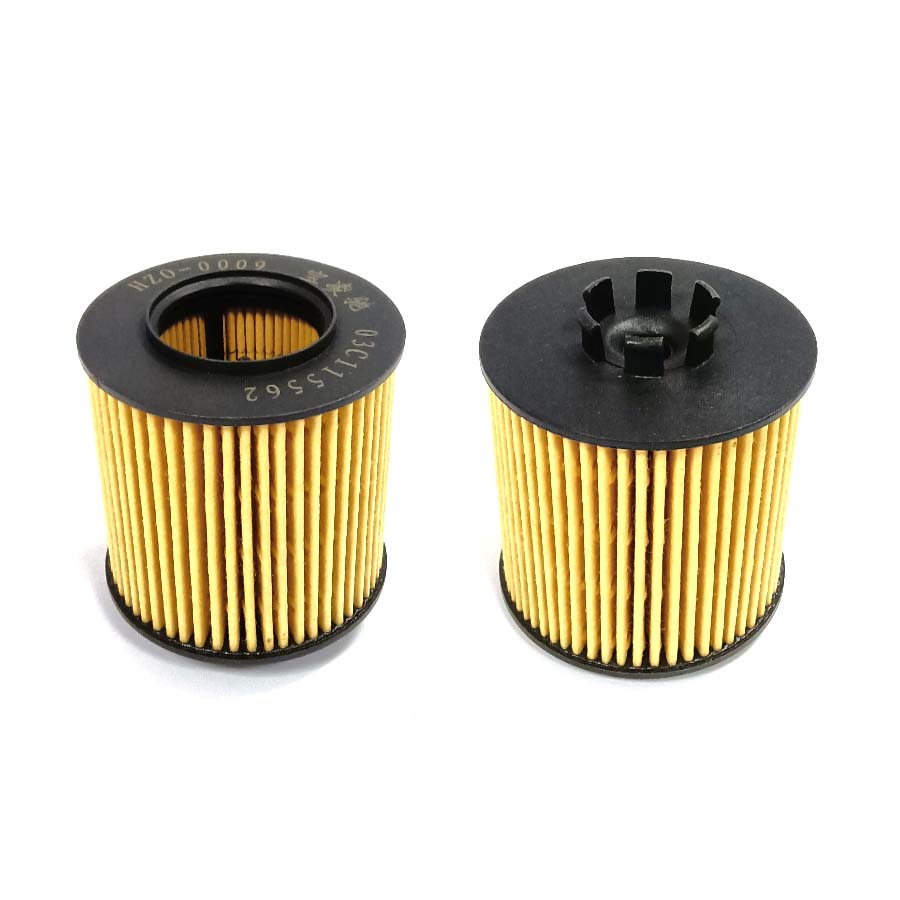 OIL ELEMENT FILTER
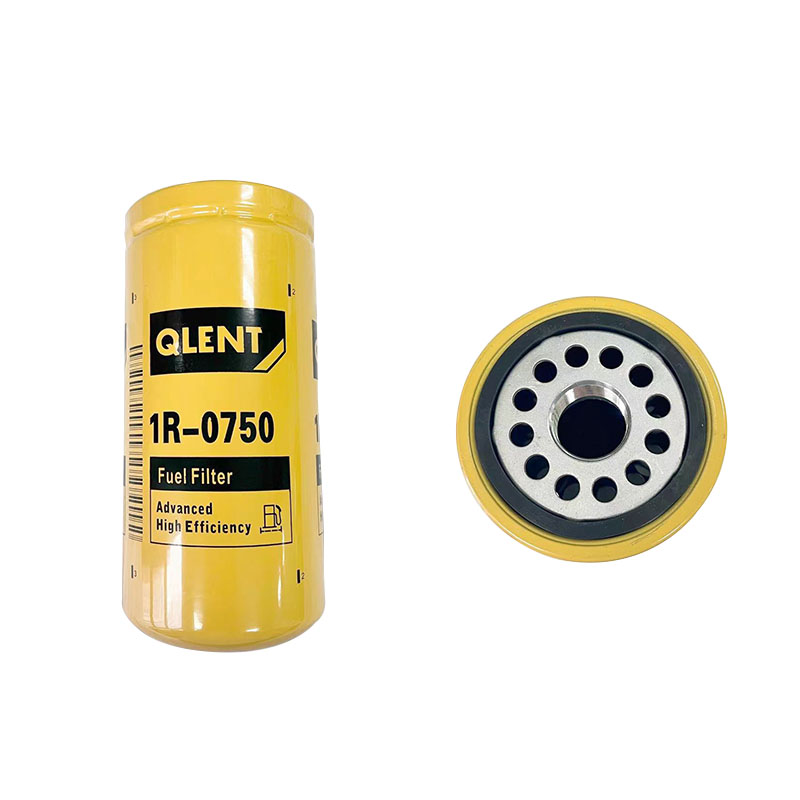 OIL FILTER
 CABIN FILTER
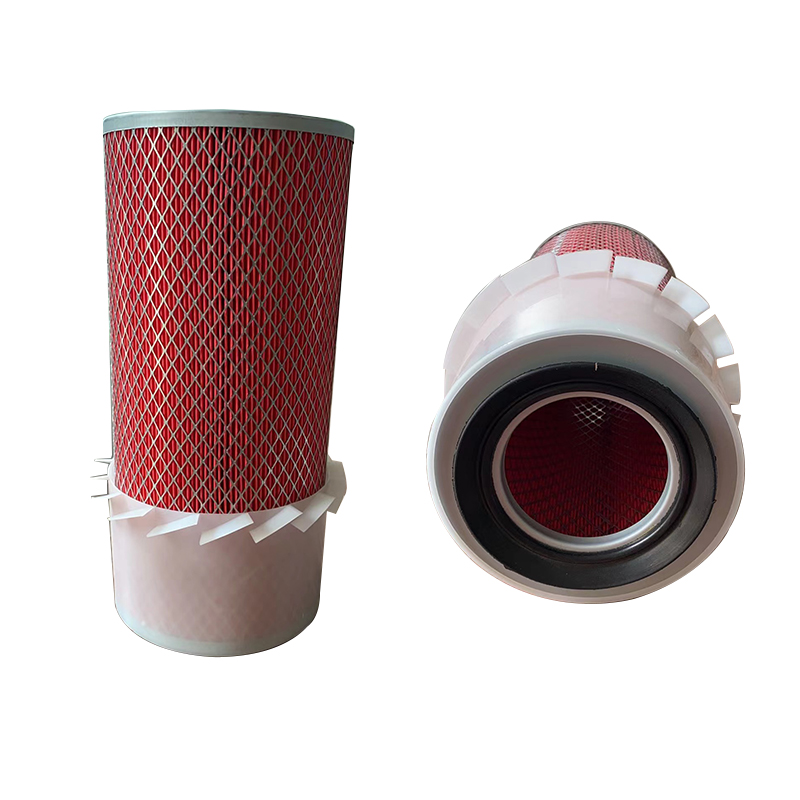 AIR FILTER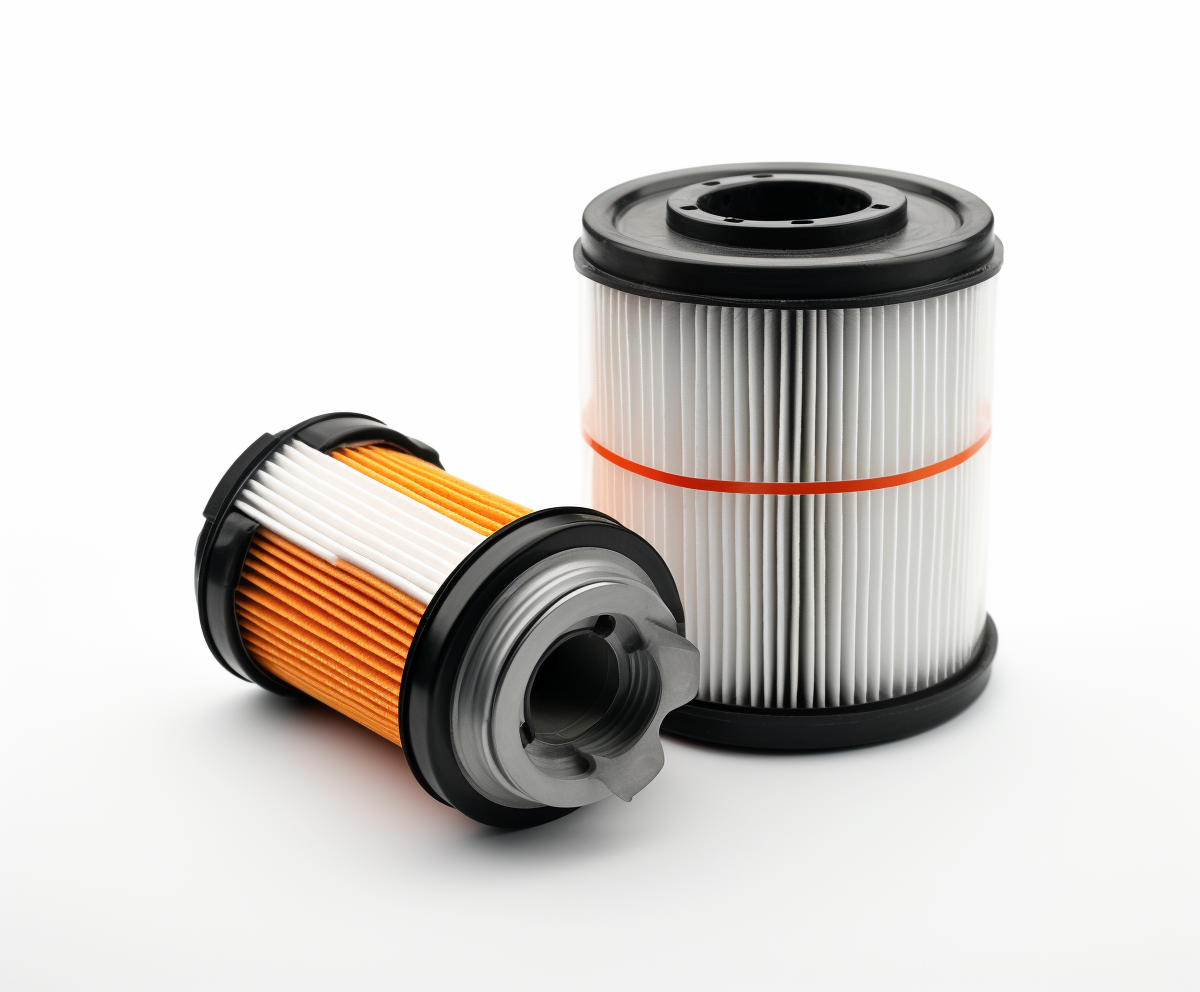

Inquiry
Form loading...
It's very important for the car maintenance in finding the right Spare Parts Filter, as that is an integral part in making cars effective and longer-lasting. Buyers worldwide have to go through a lot in terms of variety and learning the high-quality filters concerning aspects one must look at when choosing them. This aspect would be discussed in the guide about the fundamental aspects that every buyer ought to check when buying spare parts filters to ensure the influence of their operational needs and standards on the buying decisions.
Ningbo Hongzhuo Filter CO that was established in 2013 based in the busiest city QQ-in the world-Ningbo, Zhejiang Province stands as the leading Manufacturer in the industry. Focused entirely on automobile filter production-from Air Filter, cabin filter to oil filter, our company is well known for reliability and excellence. Our expertise would be able to empower global buyers in knowing how to source the best spare parts filters further up into performance and reliability vehicles all over the world.

Quality is paramount when it comes to sourcing spare part filters. Filters are integral to the efficiency and lifespan of machines, ensuring that contaminations do not interfere with their performance. For global buyers, it is imperative to recognize that filters are key factors to operational success. The use of low-quality filters can cause large downtime and repairs, hence causing a loss of revenue. Therefore, investing in good quality spare part filters is not only good practice but a prerequisite for the highest performance. Further, the sourcing process needs to be well thought out. Buyers must put their priority on suppliers who maintain strict and high standards and are in a position to offer relevant certifications with regard to such. This means looking at materials used for filter construction and technological advances used for the manufacture of those filters. An atmosphere of cooperative relationships with reputable manufacturers increases reliability and traceability of the products being sourced. Quality sourcing becomes a competitive advantage in a global marketplace replete with choices. It enables buyers to mitigate operational risks while maximizing the productivity of equipment. When considering spare parts filters, buyers ensure that their decisions support sustainable success in their own operations.

To source high-quality spare parts from filter suppliers, there are key factors to consider by international buyers in the process. The first and among the most important factors is supplier reputation and credibility to the industry. A trustworthy supplier is a long-trusted established one that has been a proven supplier of durable yet efficient filters, assuring quality as well as minimal supply chain disruption.
Another aspect is the supplier's adherence to international standards and regulations. Of great concern to buyers is whether such filters fall to the stipulated industry's certifications, which will comply with safety and efficacy for their intended-uses. Besides that, buyers can scrutinize the technological capabilities of the suppliers. State-of-the-art manufacturing processes do remarkable wonders in improving the performance and lifespan of the filters provided.
Pricing and availability are equally important in making decisions. Some suppliers provide more competitive prices while requiring reasonable lead times for order fulfillment. This balancing act is very important for organizations that want to be efficient in profit-making, while being able, at the same time, to gain immediate benefit from parts when they need it or require them for operations. Companies in which the supplier is flexible enough to accommodate orders of varying sizes can be invaluable partners in times of fluctuating demand.
Finally, after sales service and support cannot be overlooked. This is what makes a collaboration between suppliers and buyers, under effective communication channels and sound technical assistance, mold joint problem-solving anywhere and anytime it poses challenges after purchase. Thus, when it prioritizes these factors, it can decide wisely as concerns securing those spare parts filters necessary for operations on a global scale.

Research has shown that the trustworthiness and reputation of suppliers can value quality and consistency in sourcing spare parts filters from suppliers worldwide. The reliability of the supplier may heavily depend on production timelines and overall operational efficiency. Therefore, it is important for buyers to conduct research into suppliers before committing themselves to any arrangements. One way of doing this is to check reviews and testimonials made by customers on various websites. Customer reviews can serve as a very good indicator regarding the ability of a supplier to meet deadlines as well as product delivery for their orders.
In addition, by looking into the history of a supplier in the industry, a buyer can obtain some glimpse of the reputation of that supplier. Longer-standing suppliers usually have set business practices and will most probably be compliant with quality standards. Buyers should ask for certificates, processes related to manufacturing, and quality measures in place by the supplier to ensure top-shelf operation standards from the supplier. Also, the experience of working with well-established suppliers usually comes with better coordinated operations and more trust between entities.
Networking across the industry gives informed recommendations from other buyers, enabling them to connect with suppliers they can trust. Buyers can also attend trade shows or industry forums, where they will meet such suppliers face to face. Such relationships allow buyers to communicate directly with potential suppliers, and they may even be able to reach some shared understanding regarding expectations. All this and more has helped ensure that a decision is made carefully concerning the selected supplier source about anything and everything that would impact sourcing needs.

In the global sourcing of spare parts filters, understanding rules and regulations and the related compliance issues assumes significance. Countries can have stringent and very divergent laws in the domains of environment and safety standards. Buyers must familiarize themselves with the specific laws and regulations that govern the manufacture and importation of filters. As an example, some compliance frameworks such as REACH and RoHS have been developed by the EU to control certain chemicals and materials that must be restricted or phased out. Being ignorant of these parameters can cost a penalty or disrupt the supply chain terribly.
Regulatory documentation also plays a central role in this sophisticated process. Importers must ensure that all necessary certifications are duly obtained, and required documentation accompanies shipments for customs purposes. This encompasses bills of lading, certificates of origin, and compliance certification approving adherence to international as well as local standards. Failing to deliver the proper documentation can lead to delayed shipments and increased costs along with damages.
Moreover, compliance requires constant communication with suppliers. By working closely with the manufacturers, buyers will understand and face any arising changes in the regulations that might have a bearing on production and shipping. This proactive attitude not only minimizes potential risks but also nurtures good partnerships, which are bound to give rise to more reliable sourcing associates. In the fast-changing global marketplace, being informed and compliant is utterly crucial to success in sourcing spare parts filters.
Cost management is one of the most important considerations an organization can take into account while selecting spare parts filters because it can drastically affect the procurement strategy overall. Buyers must now weigh the costs associated with the procurement process: these include all the suppliers, price differences between countries, as well as the market dynamics themselves. An important part of effective cost management is bulk buying because it allows a business to stock up on necessary components without having to worry too much about the budget.
Another good approach toward cost management is to do market visits so that trends in prices can be benchmarked and the most competitive supplier identified. This includes the benchmarking of prices of filters, including considering the issues of delivery, terms for payment, and warranties associated with those which can affect the overall spend. With cost-benefit analysis and total cost of ownership approaches, buyers can impact a decision that meets the strategic objectives of their companies.
Through technology, buyers can also automate the process of procurement and enhance tracking against expenses with a good sensibility of inventory management. With sophisticated software tools, analysts create spending profile analytics and support in forecasting future needs for parts. This proactive effort may save potential costs but is also likely to know that the right spare parts are with management when needed, thus minimizing downtime and keeping the operation active. Such strategies integrated the buyers across the globe: they know what to do to always stay ahead in the market.
The evaluation of the impact that shipping and logistics delivery has with regard to each global buyer concerned about the procurement of spare part filters is something that needs to be really looked into. According to recent data from the Global Supply Chain Institute, over 60% of supply chain professionals believe that logistics hurdles greatly affect the ability to meet customer requirements. Examples of such logistics hurdles are: delays in transportation, customs clearance issues or even variability in shipping costs. Each of the listed examples alone could affect the overall procurement of time and cost of essential spare parts seriously.
Understanding all logistics would deprive a company of even more lead times and inventory management. For instance, this 2011 study from the Council of Supply Chain Management Professionals states that within a robust logistics strategy, firms could possibly reduce their inventory carrying costs by as much as 25%. This is especially the case for spare parts filters because they must be available timely to avoid expensive downtimes in processes. Global buyers should build a networked relationship with reliable freight forwarders and put the logistics software in place for real-time updates, which can be very helpful in risk mitigation when there is a delay in shipping.
Flexible logistics planning is now even more important under the global disruptions in supply chains. Driven by McKinsey & Company, such analysis infers that enterprises applying a range of transport modes and localized sourcing will realize supply chain resilience; they will move their dependence from purely one source of suppliers and reduce their susceptibility to external shocks. By adopting these analytical tools which assess the shipping routing and maintaining flexibility in sourcing strategies, spare parts filters buyers can easily cope during the times of unfavorable market conditions, resulting in continuous supply and competitive pricing.
Long-term relationships with filter manufacturers are of key importance to global buyers when seeking to source spare parts. One of the ways to foster good relationships is by keeping avenues of communication open. It can involve continuing check-ins with the manufacturer to provide insight into their capabilities for producing and the levels of their inventories. Such toolkits may include looking at the supplier's assets and know-how, including the various obstacles they may create, which could result in planning and collaborating better.
Another crucial aspect is getting to know the quality assurance processes adopted by the manufacturer. Talking about their quality control is a means of letting them know about your dedication to quality on your part. This serves to reassure the buyer in terms of the reliability of the sourced parts and further convinces the manufacturer that the buyer values their products and is committed to a long-term partnership. In addition, comments about products and services would assist manufacturers in improving and aligning their operations to buyers' expectations.
Finally, consider the cultural differences and business practices of that country. Respecting these will improve mutual trust and ease negotiations. The more time spent understanding and adapting to those cultural differences assigns true credibility to a buyer's intention of forming a genuine partnership, potentially yielding favorable treatment, better pricing, and priority on the production schedule. Such investments in relationships will go a long way toward creating significant rewards in the long run, viable for fostering success in spare parts sourcing.
Very signficant changes are observed in the spare parts filter industry. These are mainly brought about by the evolving technology and by the global demand trends. Given the buoyant growth of countries like India and China in related markets, tapping into the trends relevant to these countries become significant for international buyers. Indeed, with the air cooling sector in these two countries expected to show a compound annual growth rate of 6.39 percent from 2017 to 2021, it can only be inferred that the demand spaces are now swelling for effective filtration solutions, thereby obliging buyers to keep abreast with market dynamics.
The main patterns that can be observed are now putting emphasis on the sustainability and eco-friendliness of spare parts filters. Manufacturers are under increasing pressure to develop products that perform well, but are less damaging to the environment than previous models. This shift is just as likely in response to consumer demand that has changed toward buying greener alternatives as it is about regulations pushing more stringent requirements.
At the same time, technology has also changed a lot, and now smart filters are among the new emerging products. These can be characterized by the presence of sensors and data analytics that allow for optimum performance and scheduling of maintenance activities, and hence lead to a more efficient end-user and saving costs. In order for buyers to dodge the wrath of the competitive market and remain relevant, it will become imperative to partner with suppliers who embrace these trends as they will soon become more important for global buyers looking to improve their supply chain resilience.
Supplier reliability and reputation are crucial because they significantly impact production timelines and operational efficiency, ensuring quality and consistency in the procurement process.
Buyers can check customer reviews and testimonials on various platforms, inquire about the supplier’s industry history, certifications, production processes, and quality control measures to gauge reliability.
Long-standing suppliers typically have established business practices, are more likely to adhere to quality standards, and can facilitate smoother transactions, enhancing trust between buyers and suppliers.
Strategies include engaging in bulk purchasing for discounts, establishing long-term relationships with suppliers for preferential pricing, and conducting comprehensive market research to benchmark pricing trends.
Technology can streamline procurement by tracking expenses, optimizing inventory management, and providing analytics on spending patterns, helping buyers make informed decisions and capitalize on savings.
Shipping and logistics challenges, such as transportation delays and customs clearance issues, can significantly affect costs and lead times, impacting the ability to meet customer demands.
Buyers can establish relationships with reliable freight forwarders, utilize logistics software for real-time updates, and implement adaptive logistics planning to enhance supply chain resilience.
A robust logistics strategy can reduce inventory carrying costs by up to 25%, which is critical for ensuring timely availability of spare parts filters and minimizing production downtimes.
Comprehensive market research helps buyers benchmark pricing trends, identify competitive suppliers, and understand the total costs involved, including delivery and warranty options.
Utilizing diverse transportation methods and localized sourcing options reduces reliance on single suppliers, thereby decreasing vulnerability to external shocks and enhancing overall supply chain resilience.


