
 Products
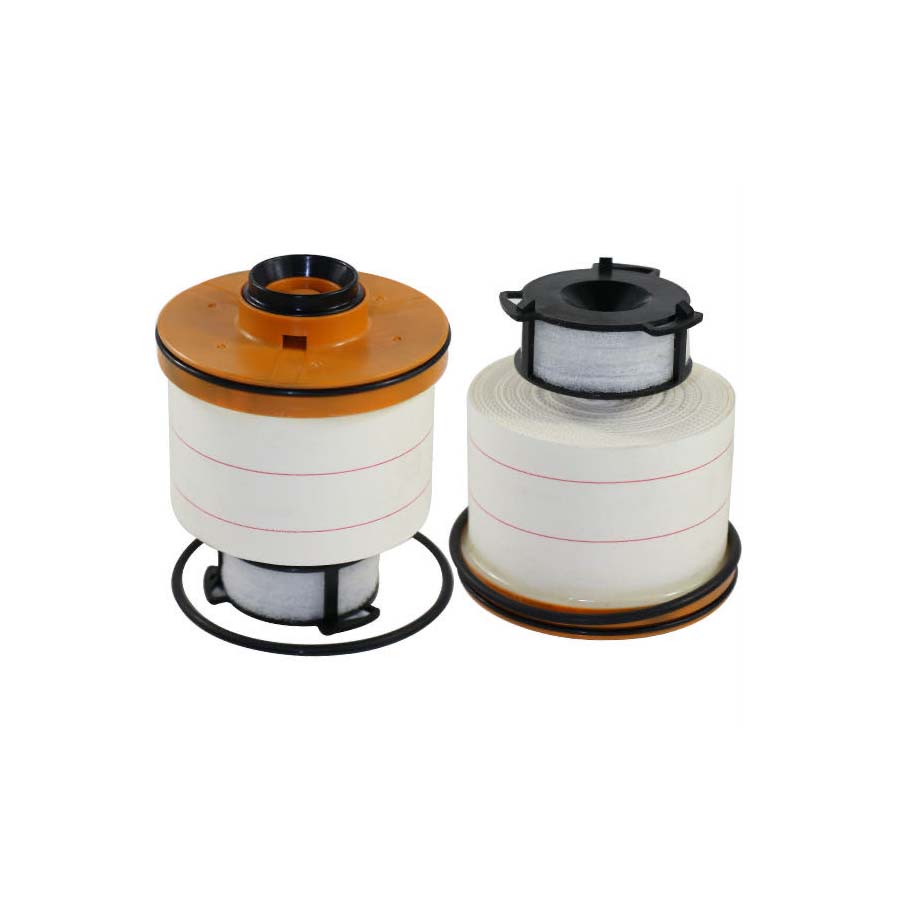 FUEL FILTER
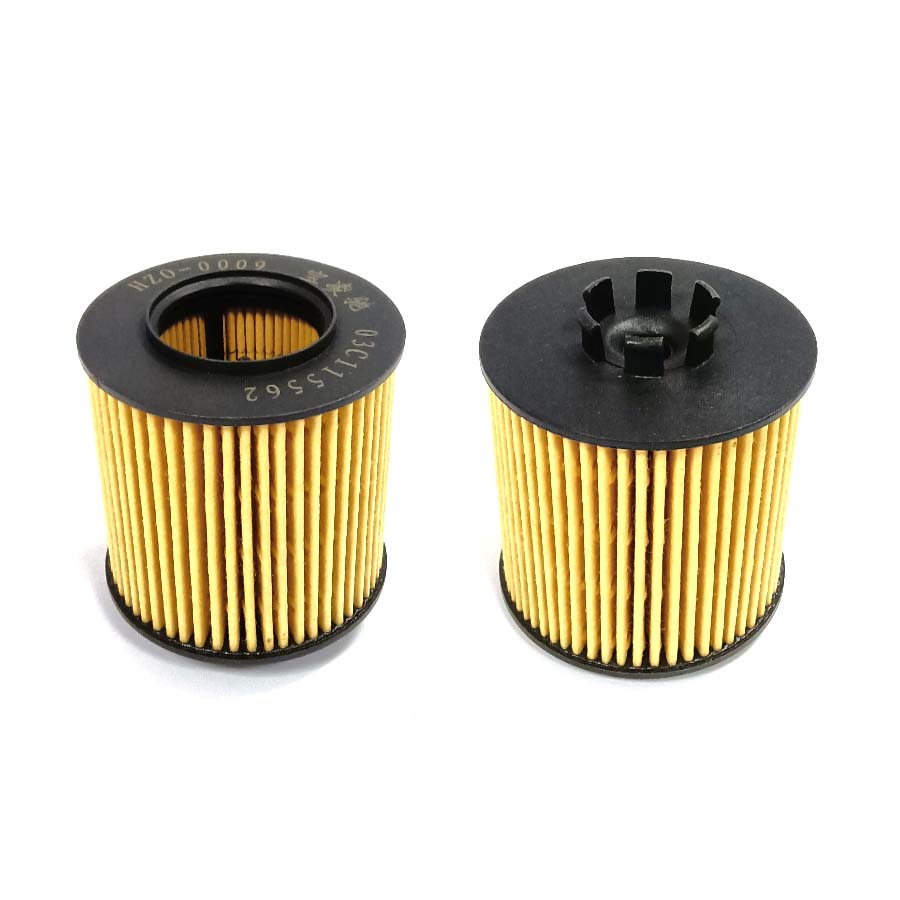 OIL ELEMENT FILTER
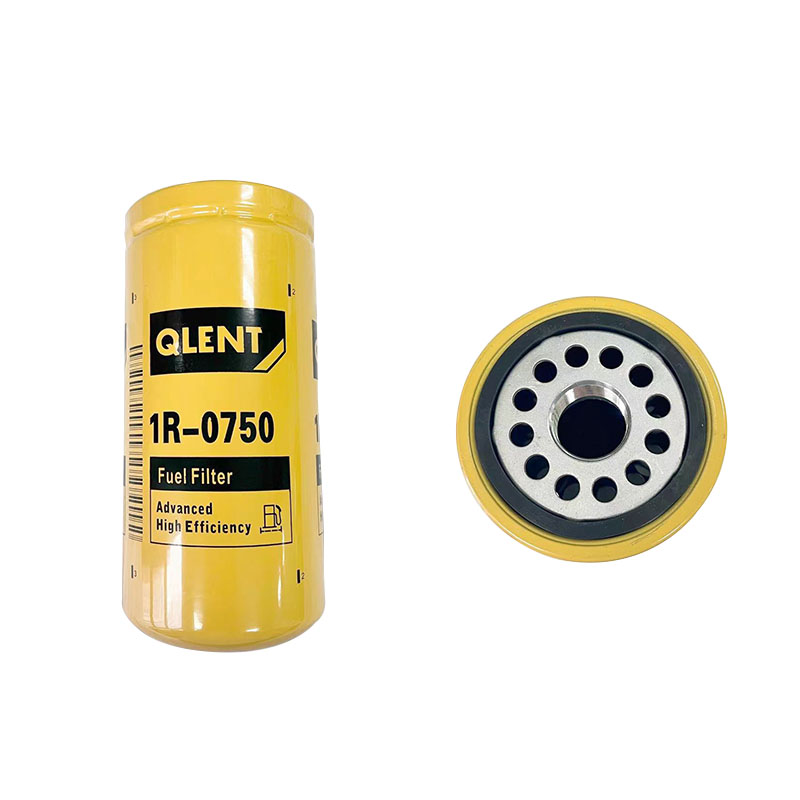 OIL FILTER
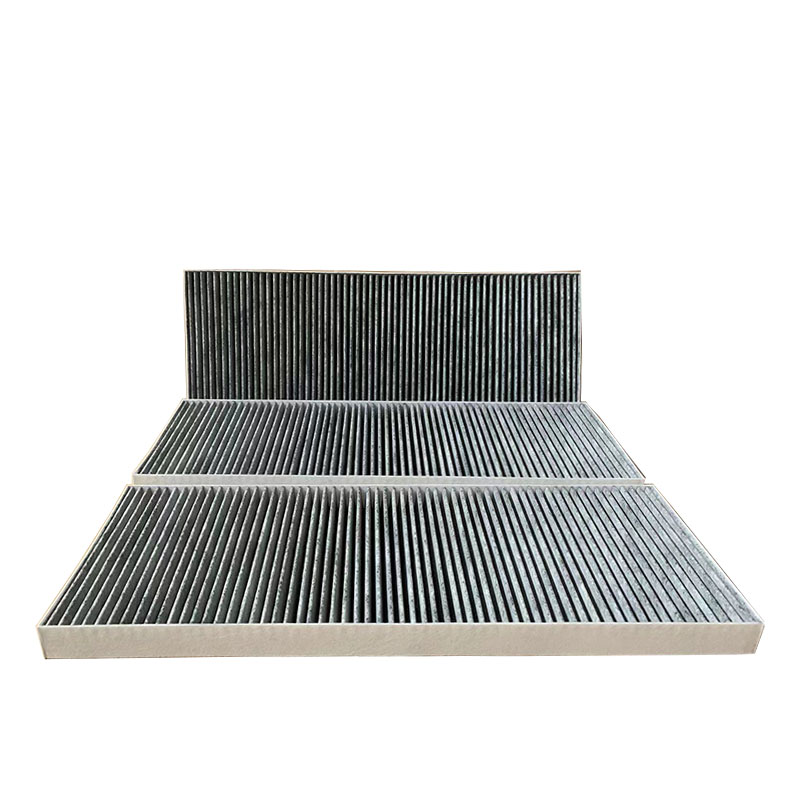 CABIN FILTER
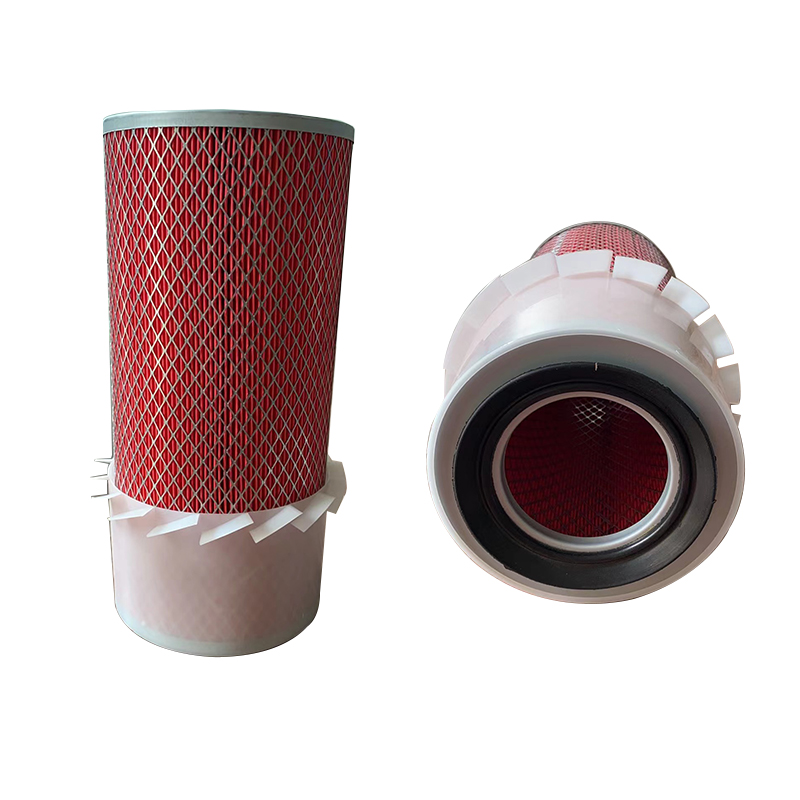 AIR FILTER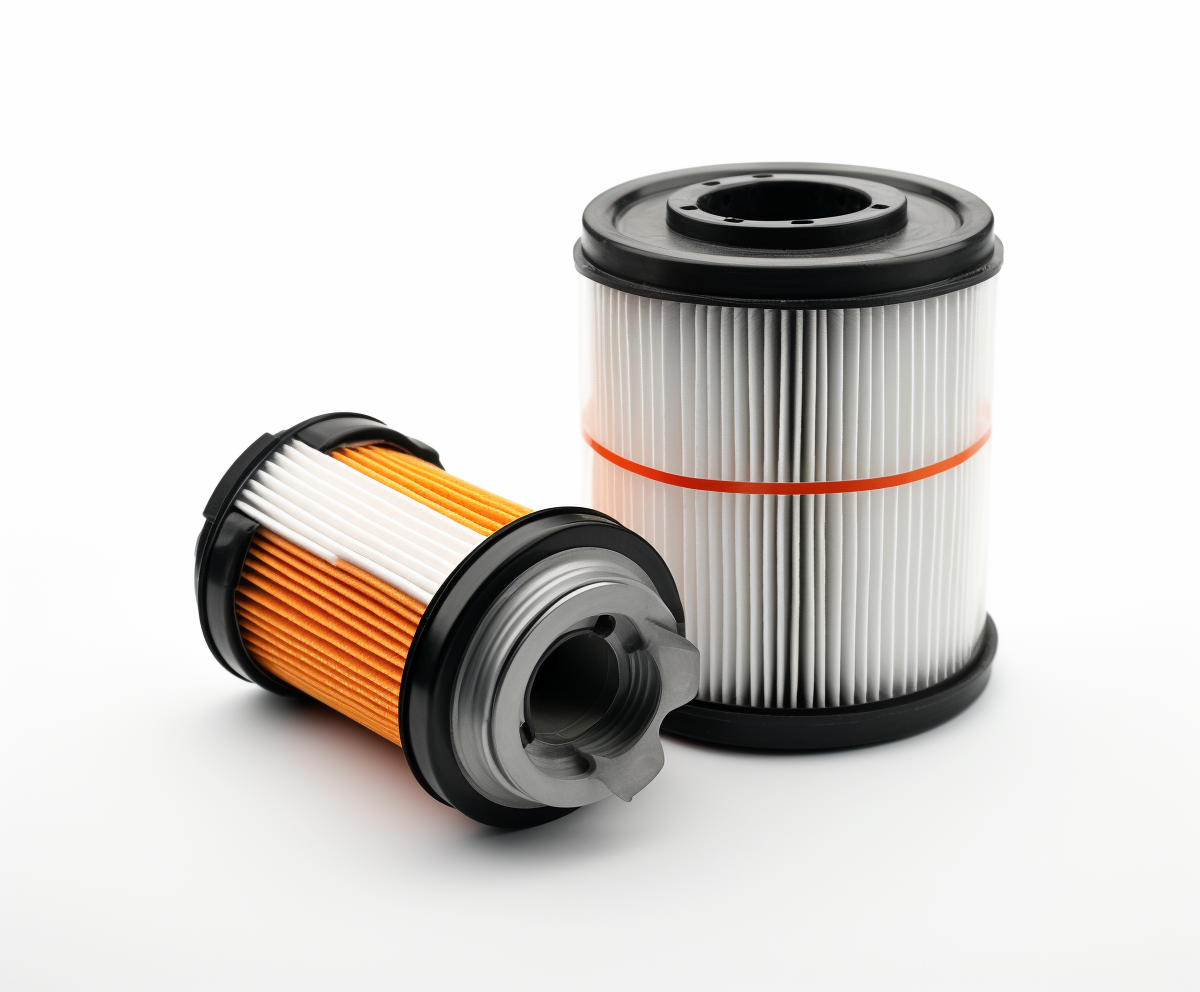

Inquiry
Form loading...
With the surge in demand for efficient and reliable transportation, better Truck Diesel Filters are becoming crucial for maximum engine performance and longevity. Whereas truck diesel filters are critical in keeping the fuel system clean by preventing contaminants that can damage the engine, this blog will contain an overview of the various features and applications of different truck diesel filter options available in the market today. Read on as fleet operators and individual truck owners will gain insight into making informed decisions regarding the filtering choice for their vehicle.
Since its establishment in the year 2013, Ningbo Hongzhuo Filter CO., Ltd. in Ningbo City, Zhejiang Province, has been in the forefront of the production of automotive filters. It includes Air Filter, cabin filters, oil filters, etc. An important point that the company wishes to highlight is the importance of quality and performance of its products. This blog, therefore, outlines how innovative truck diesel filter options from Ningbo Hongzhuo Filter would help increase truck efficiency and optimize diesel engine effectiveness-making this an important investment for anyone serious about keeping their trucks working in prime condition.

One major aspect to maintaining diesel trucks and their performance with time is knowledge of the main categories of diesel filters. Diesel filters play an important role in removing all the impurities from the fuel, which could easily mess up the engine's efficiency and performance. The two main types of diesel filters found in trucks are fuel filters and oil filters, with each serving a different purpose. Fuel filters remove any impurities such as dirt, rust, and water from diesel fuel before it is delivered to the engine. A clean fuel filter promotes efficient combustion and reliable fuel injection system operation. Generally, truck fuel filters come in two forms: spin-on filters that are easy to replace and cartridge filters that are harder to replace but tend to be more efficient in filtration. Regular changing of fuel filters is essential in order to avoid clogging, which would lead to performance losses and increased fuel consumption. Oil filters, on the other hand, are expected to keep oil clean and free of contaminants. This goes a long way, especially in diesel trucks where an engine's performance is under stress. High-quality oil filters trap particles and debris, preventing their circulation in the engine. Types of oil filters include standard filters, cartridge filters, and spin-on filters, and there are several filtration performance ratings for each type. Selecting the appropriate model of oil filter according to the specifications of the truck will ensure engine lubrication in its operative years and durable performance.
Diesel filtration is an important aspect for the overall operation of trucks concerning engine life, efficiency, and power. The diesel filter selected is mainly used to carry out the duty of purifying the fuel from contaminants such as dirt, water, other debris that will later, before reaching the engine, affect it negatively. The impurities, over some time, will become really costly repairs followed-by a gradual decline in performance levels of the heavy-duty trucks. Keeping this in mind, truck owners can be made aware of the entire aspect of diesel filtration for long-term maintenance or modification needs.
Diesel filtration adequately protects the fuel injectors and other engine elements from blocking issues or damages. A filter, which is high-quality, can prevent engine failure significantly with cleaner fuel applied to combust more effectively and increase energy efficiency. A lot in this contributes to more than performance at times and might improve fuel economy; therefore, lowering the operating costs for a truck owner, too. Such applications can require specific filtration systems, and they differ based on size, engine type, and also different conditions of environment under which the truck will operate.
Selecting the right diesel filter is all about considering several options, which range from the basic fuel filters up to the multi-stage systems. Each has certain advantages that suit specific needs, such as trucks that will potentially operate under harsh conditions requiring more robust filters for higher protection levels during service. By undertaking such practices, truck owners appreciate the fact that their trucks will maintain high performance and reliability levels over time.
There are many important considerations when selecting a diesel filter for your truck that can alter the performance of the truck and the resulting emissions entirely. Clean fuels, for example, biodiesel, are transforming the industry. It is now perceived as an alternative cleaner fuel: "somewhat" cleaner than petroleum diesel, to be precise, due to worries about some of the nasty emissions that diesel trucks put out. With modern filtration systems, such as particle traps, truck owners can significantly improve air quality and contribute toward reducing greenhouse gases.
It is also knowing the types of diesel filters that makes one capable of making an informed choice. Filters were designed to ensure the purity of fuel, in turn making the engine work optimally and improving its lifespan. Because the market is really going to rise and predictions are forecasting that diesel engine segments will rule for a long time in the market, such quality filters have to be a top investment. A filter that meets even the stringent environmental requirements will only ensure the performance of heavy-duty trucks in very treacherous environments.
The proper brand, plus features like filtering efficiency and maintenance requirements, will lead to better operational outcomes. Using filters and fuels wisely in many cities-for instance, Melbourne-does help reduce air pollution from motor vehicles and enhance public health.
For an internal combustion engine working on diesel, filters have the responsibility of keeping the engine performance up to par. Their main job is to keep the contaminants away from entering the fuel system. As with any mechanical parts, they, too, have particular issues common to them. One of the most common issues faced is clogging due to the accumulation of dirt, dust, and other particles over the filter surface and leading into the fuel lines, which causes a reduced flow of the fuel. When this happens, the engine has to work harder and may eventually result in reduced performance. Therefore, regular maintenance and timely replacement of diesel filters would save you from this situation.
Another common issue is leaking caused by wear and tear or poor installation. A leaking diesel filter poses not only fuel contamination but also serious internal damage to the engine when left unattended. Discovering a leak early enough could have enormous ramifications for truck owners, not forgetting they save a lot of money with repairs done. Hence compulsory checking. Using high-quality filters with a proper installation could mean fewer such issues.
Another less common but very serious problem is failure of the filter element due to manufacturing defects or use beyond the recommended period. In such scenarios, conditions for bypass may be created, and unfiltered fuel may go straight into the engine, thereby putting it at risk of damage. An alert truck owner would know that he must follow the specific replacement intervals as given by the manufacturers and use good quality brands of filters to prevent these risks. If all these common issues are taken care of early enough, then truck owners could be sure that their trucks would be running as effectively and as efficiently as possible.
Diesel filters have a very important function in meeting the emissions of trucks into the environment. Heavy-duty vehicles produce a lot of air pollution, maintaining filtration systems to meet higher emission standards, which are the standards that are being adopted worldwide. This filter acts as a preventive measure by trapping particulate matter and other harmful pollutants before getting released into the atmosphere, hence reducing any adverse effect it may have on a cleaner environment.
Further development within diesel filter technology has enabled them to achieve an even greater efficiency of filtration systems. Systems such as diesel particulate filters (DPF) and fuel filters not only capture harmful substances, but also augment overall performance of the engine. Preventing these contaminants from going into the engine is important to ensure that engine components work optimally and continue to function for many years. Preventive measures follow mandated regulations, but they also lower maintenance expenses for fleet owners who intend to keep their vehicles in good condition.
The most impressive indignity that the right diesel filters can do go a step further in raising compliance standards in trucks. State-of-the-art filters are engineered to keep backpressure minimal so that they significantly improve fuel efficiency and performance. This brings very much into play for fleet managers who want maximum operational capability but minimum carbon footprint. Businesses can thereby achieve legal compliance in controlling emissions while at the same time support sustainability goals by effective diesel filtration.
To run a truck and keep it going well, the diesel filter must help fuel systems work easily and efficiently. Diesel filters will have increased road performance through regular maintenance; reports from the industry suggest these filters have an average lifespan of around 15,000-30,000 miles, depending on their usage and fuel utilized. Above all, some tips should be followed for maintenance to achieve better performance.
The next helpful advice is the need for consistent diesel filter checks and replacements based on the manufacturer's recommendation. Most filters are purported to trap impurities and particulates, which consequently leads to their congestion in due course of time. A clogged filter is harmful, as it not only restricts the flow of fuel but out of the same reason puts the fuel pump under additional strain; hence repairs for the same can get rather expensive. A study made by the American Trucking Association asserts that with a well-maintained diesel filter, fuel efficiency may be enhanced by as much as 10% with consequential huge savings from savings during the truck's life.
The type of diesel fuel that is used can greatly lessen the need for frequent filter changes. Reports indicate that low-sulfur fuel with few contaminants will keep a filter cleaner. Monitoring the truck's performance is also a good idea; loss of power or increased smoke exiting the exhaust may be signs that the time to change the filter has come. Focusing on these practices will help truck owners know that their diesel filters are still working and helping keep their trucks healthy.
The debates about whether to use aftermarket or OEM (original equipment manufacturer) diesel filters for trucks are never-ending arguments among truck owners and mechanics. Aftermarket and OEM filters inject unique qualities, advantages, and disadvantages into the filtration scheme, affecting the choice being made for a particular engine use or driving condition.
This recent trend of diesel engine design technology has lent momentum to greater fuel economy and maintenance. For instance, maintenance with special relevance to the 7th-generation diesel engines such as ISV5.0L V8 should ensure the signature fuel filter types, which assure clean fuel delivery to enhance engine performance. Hence, fleet operators ought to consider how far aftermarket filters coincide with the complicated designs of a modern diesel engine. Aftermarket filters may be cheaper and have odd features, but OEM filters are typically made to the highest tolerances to fulfill the manufacturer's specs.
It is also imperative to perform the main maintenance procedures on diesel filters, as failure to do so could render the filters incapable of efficient work, thereby hurting operational costs. Fuel efficiency is not just limited to miles per gallon; knowing the differences in filter selection and maintenance provides key parameters for evaluating a truck's performance. In a dynamic industry such as this, making choices with diesel filter applications becomes not simply mere choices but rather a significant element in promoting productivity and efficiency of trucking operations.
In the modern day, diesel filter technology has improved greatly. This transformation came about because the demand for cleaner emissions and better engine performance in the trucking sector had reached an all-time high. Innovations in such fields aim at improving filtration efficiency and incorporating advanced materials and smart technologies, which helps reduce down-time and minimize maintenance costs, ensuring smooth and efficient trucking operations.
Another major area of innovation is the use of nanotechnology in diesel filters. These filters are made of thin nanofibers giving the manufacturers some important advantages: they are able to trap much smaller gaseous and particulate matter but with no limitation in fuel flow. This enhances the overall operation of the truck, increasing fuel efficiency and prolonging filter life. In addition, self-cleaning filters are recently brought into the equation, which combine sensors for real-time performance monitoring, thus significantly improving the lifespan of the filtration system. Alerts from these smart filters can warn operators of an impending issue, thereby reducing the chance of engine damage and enhancing reliability.
Alongside this, the push for sustainability is compelling manufacturers to consider bio-based filter media as an eco-friendlier substitute to the traditional. Innovations that promise fuel efficiency with less particulate emission will be crucial in meeting stricter regulations. The future of diesel filter technology not only promises better operation; it supports a broader aim for a sustainable trucking industry.
The two primary types of diesel filters are fuel filters and oil filters, each serving a distinct purpose in maintaining truck performance.
A fuel filter captures impurities such as dirt, rust, and water from diesel fuel before it reaches the engine, optimizing combustion and enhancing the reliability of the fuel injection system.
Diesel filters should be regularly inspected and replaced based on the manufacturer's recommendations, typically every 15,000 to 30,000 miles, depending on usage and fuel quality.
Fuel filters are typically available in two forms: spin-on filters, which are easy to replace, and cartridge filters, which may require more effort but often provide enhanced filtration.
Proper diesel filtration protects fuel injectors and other engine components from clogging and damage, which helps prevent costly repairs and maintain engine efficiency and longevity.
Using high-quality diesel fuel with minimized sulfur content and fewer contaminants can reduce the frequency of filter changes, helping to maintain cleaner filter conditions.
Regularly inspecting and replacing the diesel filter, using high-quality fuel, and monitoring truck performance for signs of reduced power or increased smoke can help extend the filter's life.
The types of oil filters include standard filters, cartridge filters, and spin-on filters, each offering varying levels of filtration efficiency.
Signs of reduced power or increased smoke may indicate that the diesel filter is due for replacement.
A well-maintained diesel filter can improve fuel efficiency by up to 10%, leading to significant savings over the truck's operational lifespan.


