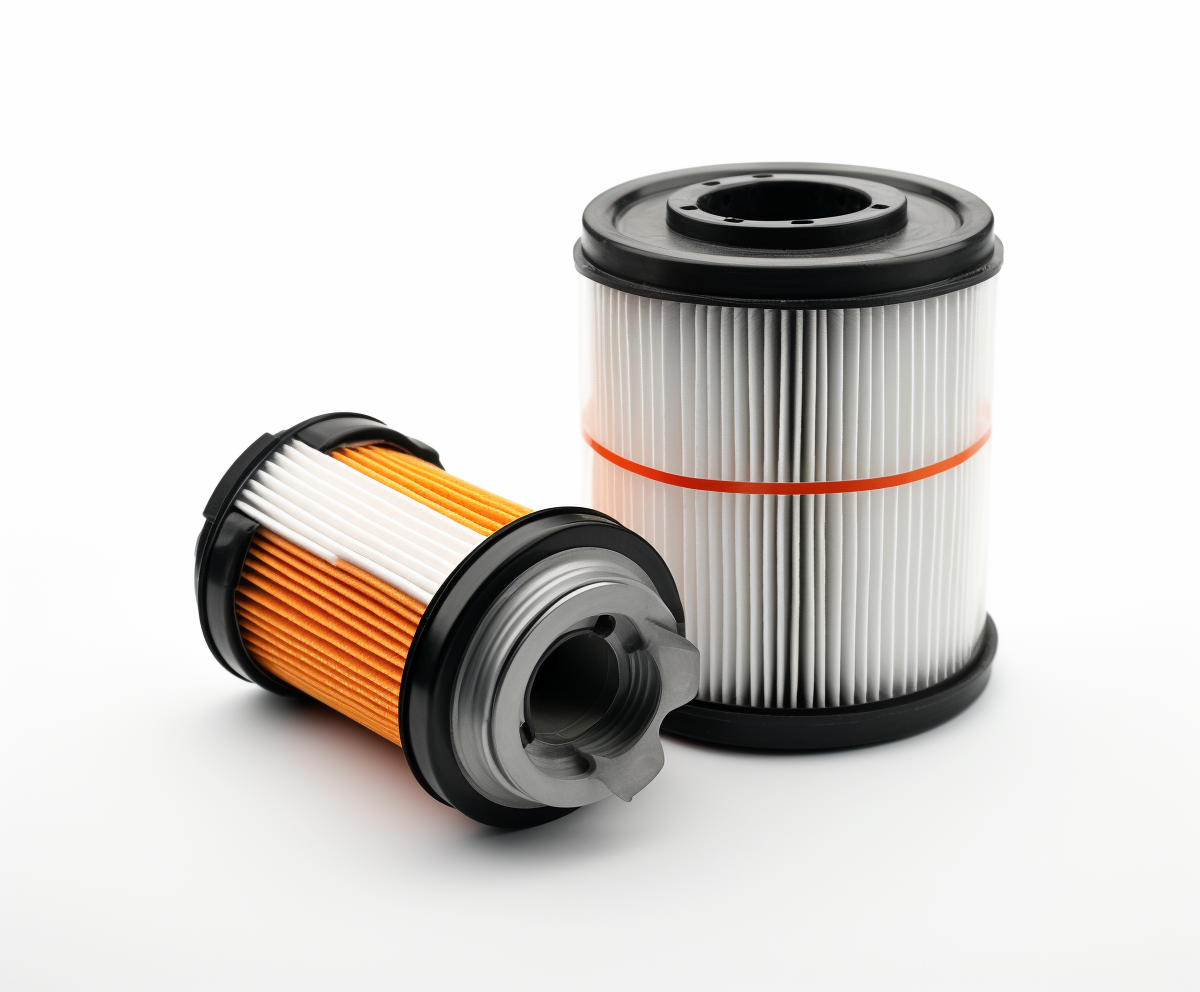
Truck Filters might sound like just another tiny part of a heavy-duty vehicle, but honestly, they’re pretty vital for keeping things running smoothly. Think of them as the engine’s first line of defense—they trap all those nasty impurities in fuel and air that could mess stuff up. When these filters are in good shape, your engine isn’t just happier but can last longer too. Sadly, a lot of drivers tend to overlook their maintenance until something goes wrong—that’s often a mistake.
Take semi-trucks, for example—the Semi Truck Fuel Filter is especially crucial. It keeps dirt and debris out of the engine, but if you ignore it, fuel flow can get blocked or inefficient. That can end up costing you heaps of time and money. So, it’s a good idea to give your filter a check-up and swap it out when needed. Many truckers don’t realize just how much a dirty filter can impact performance until their engine starts acting up.
Getting to know how your truck’s filter works can save you from some pretty pricey repairs down the line. It’s not just about replacing parts—being aware of its condition and ensuring it’s clean makes a huge difference. Keep those filters tidy, and you’ll notice your semi-truck running better and more efficiently. Honestly, ignoring this tiny detail can lead to bigger problems later. Reflecting on how you handle your maintenance can seriously boost your vehicle’s reliability (and save your wallet).

What is a Truck Filter?
A truck filter is an essential component in maintaining a vehicle's performance. It plays a critical role in keeping the engine and other integral parts running smoothly. The filter traps contaminants and dirt that could damage these components. By doing this, it ensures that only clean fuel or air enters the system. Without a proper filter, efficiency decreases and repairs become costly.
The working mechanism of a truck filter is straightforward. It uses various materials to capture dirt particles. As air or fuel flows through the filter, these particles get stuck, allowing only clean substances to pass through. Over time, the filter can become clogged, leading to reduced flow. A clogged filter might lead to engine strain or lack of power. Regular inspection is key. It helps in identifying when a change is necessary.
Maintaining a truck filter might not always be on the priority list. Many forget this small but mighty part. It could easily be overlooked until problems arise. By keeping an eye on it, drivers can save money on larger repairs. Regular maintenance could prevent headaches down the road. Sometimes, simple care is all it needs to ensure a smooth ride.
Types of Truck Filters and Their Functions
Truck filters play a crucial role in maintaining the efficiency of a truck's performance. Various types serve different functions. Each filter contributes to the overall health of the truck. The most common filters include air, fuel, oil, and cabin filters.
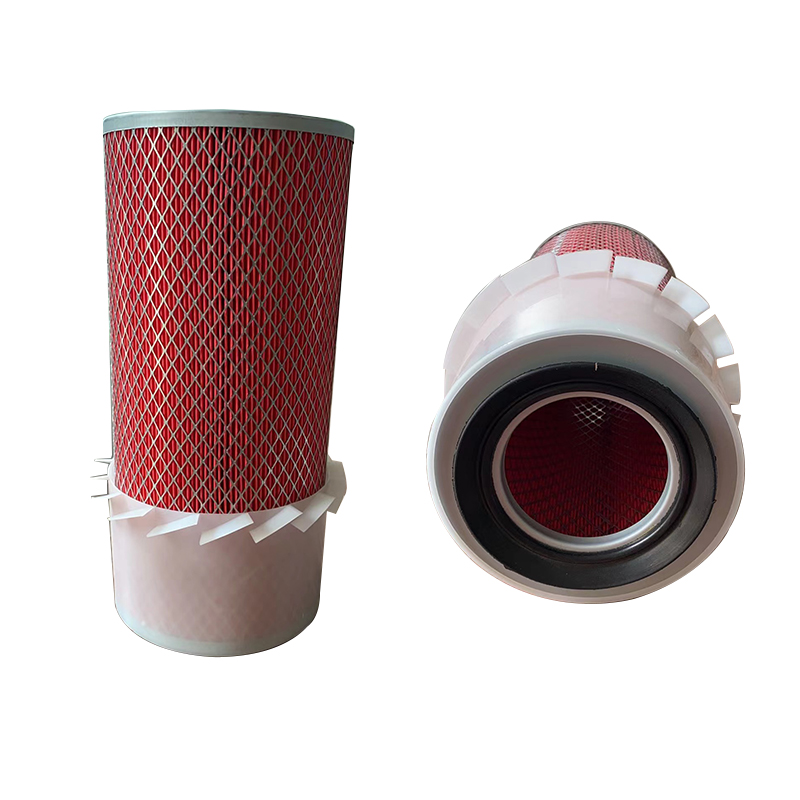
The Truck Air Filter is essential for keeping the engine free from dirt and debris. Without it, contaminants could enter the engine, causing damage.
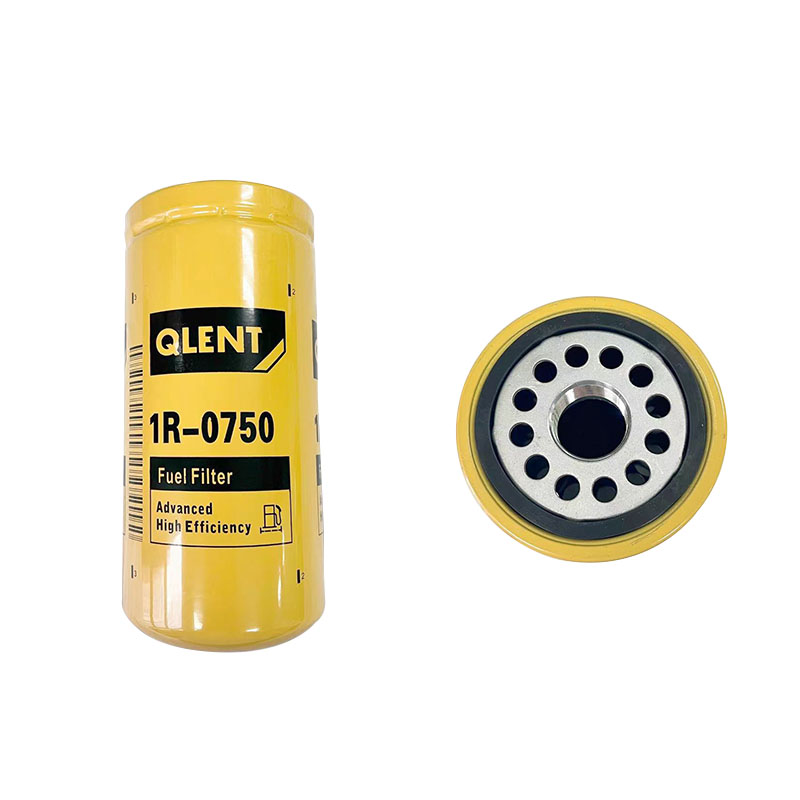
Fuel filters prevent impurities from reaching the engine, enhancing fuel efficiency. Oil Filters are vital for removing contaminants from engine oil, ensuring smooth operation.
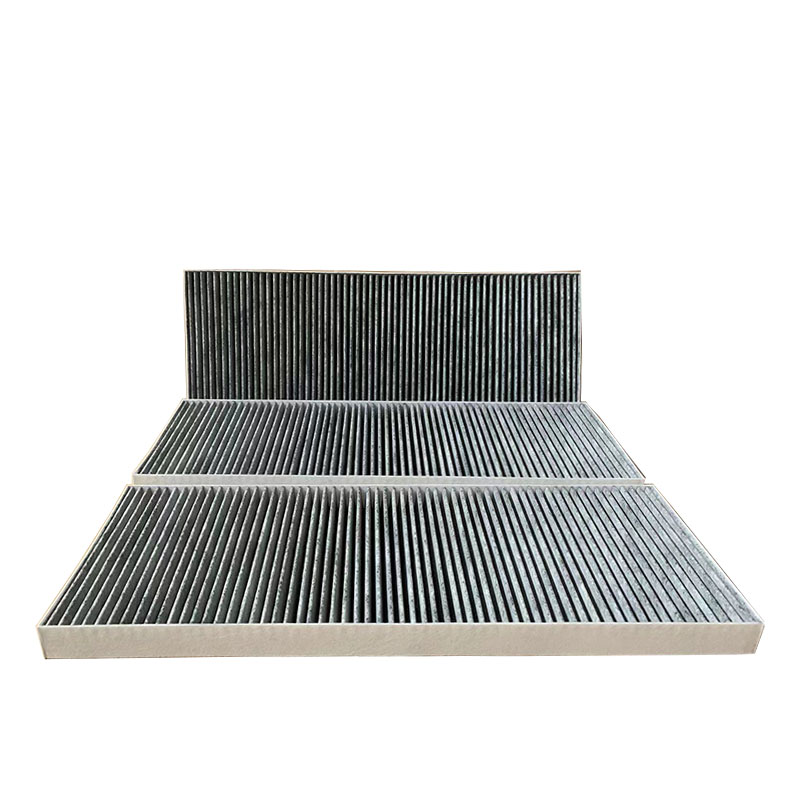
Cabin filters improve air quality inside the truck. They trap dust, pollen, and other particles. A clean cabin filter leads to better driver comfort. However, many truck owners overlook their maintenance.
This neglect can lead to increased repair costs and decreased performance. Regular inspection and replacement are crucial for all types of filters in a truck.
The Importance of Truck Filters in Vehicle Performance
Truck filters play a crucial role in vehicle performance. They ensure that the fuel system runs smoothly. A clean filter allows pure fuel to reach the engine. This boosts efficiency and power. However, many overlook their importance. As a result, trucks can experience performance issues.
Regular maintenance of the Truck Fuel Filter is essential. A clogged filter can lead to fuel starvation. This could cause the engine to stall. Monitoring your filter condition is vital for long-term performance. Look for signs like reduced power or poor fuel economy. Ignoring these signs may lead to costly repairs.
Tips for maintaining your truck filter include changing it regularly. Depending on usage, this may be every 15,000 miles. Also, keep an eye on your fuel quality. Contaminated fuel can quickly damage your filter. Make it a habit to check your filter monthly. A simple inspection can save you headaches down the line.
How Truck Filters are Installed and Replaced
Truck filters play a crucial role in maintaining the efficiency of heavy-duty vehicles. Their installation and replacement are essential to ensure optimal performance. Generally, truck filters are located in various systems, such as fuel, air, and oil, safeguarding the engine and other components from dirt, debris, and contaminants.
When replacing truck filters, it's vital to follow specific protocols. The process often requires specialized tools. Standard filters must be removed with care to avoid damaging surrounding components. New filters should be checked for compatibility. According to industry data, approximately 30% of engine failures are related to issues with filtering systems. That indicates how critical proper maintenance is.
Installation times can vary based on truck type. Some filters may take less than 30 minutes to replace, while others may require over an hour. Handling these components improperly can lead to leaks or reduced performance. Some technicians report issues like thread misalignment during installation. Being aware of such challenges is necessary for maintaining vehicle health. Proper training and experience are key. Regular inspections can help detect potential problems before they escalate.
Common Issues with Truck Filters and Their Solutions
Truck filters play a crucial role in maintaining vehicle performance. However, they often face common issues that can lead to costly repairs. Some frequent problems include clogging, leaks, and deterioration. Clogged filters can reduce airflow, causing the engine to work harder. Reports indicate that a clogged air filter can decrease fuel efficiency by up to 10%.
Leaks are another major concern. A damaged seal can allow contaminants to bypass the filter, compromising engine health. Regular inspections can help catch these issues early. If you notice any unusual engine noise or decreased power, inspect the truck filter promptly.
Tips: Always check the filter during routine maintenance. It's wise to replace filters based on manufacturer recommendations. Remember, neglecting this can lead to significant damage.
Deterioration of material happens over time. Even filters that seem clean can lose effectiveness. If a filter looks dirty but is relatively new, consider its material quality. Investing in high-quality filters can prevent future issues, as inferior products may fail quickly. Don't overlook the basics like proper installation. A poorly installed filter can lead to a multitude of problems.
Maintenance Tips for Improving Truck Filter Lifespan
Maintaining a truck filter is crucial for optimal engine performance. Regular maintenance can significantly extend the filter's lifespan. A study from the American Trucking Associations indicates that timely filter replacements can improve fuel efficiency by up to 10%. Proper upkeep not only prevents premature damage but also ensures that trucks run smoothly for longer periods.
Tip: Change your Truck Oil Filter as part of routine maintenance. It’s recommended to inspect it every 5,000 to 7,500 miles. Neglecting this can lead to increased wear on the engine. Be attentive to engine sounds and any unusual drops in performance.
Pay attention to the seals and attachments of the truck filter. They can wear out over time. A faulty seal can lead to leaks, which can cause further damage. It's essential to replace damaged parts immediately. Regular visual inspections can help catch these issues early. Ensuring a clean and well-functioning Truck Oil Filter can save on costly repairs in the long run.
Environmental Impact of Truck Filters on Emissions
Truck Filters play a crucial role in reducing harmful emissions from trucks. These systems capture particulates and other pollutants that would otherwise be released into the atmosphere. They work primarily by trapping soot and other contaminants in a porous material. The trapped materials need to be cleaned or replaced periodically. However, the process of managing these filters can sometimes lead to unintended consequences.
While truck filters are designed to reduce environmental impact, they do not eliminate it entirely. The manufacturing and disposal of filters contribute to environmental issues. Additionally, improper maintenance can lead to decreased performance and increased emissions. It's essential for operators to be aware of these aspects. Ongoing education about proper filter management can help mitigate negative effects.
The effectiveness of a truck filter is often dependent on the truck's operational conditions. In heavily polluted areas, filters might clog faster. Regular inspections and timely servicing are vital. Many still overlook this, leading to higher emissions. Therefore, it’s crucial to reflect on the entire lifecycle of the truck filter and its role in environmental preservation.
Impact of Truck Filters on Emissions
FAQS
: Begin by setting clear goals. Identify your resources. Write a plan with timelines.
Create a vision board. Surround yourself with positive people. Celebrate small wins.
Take a break. Practice mindfulness techniques. Reassess your priorities and tasks.
Use a planner or app. Set specific time blocks for tasks. Avoid multitasking.
Every mistake is a learning opportunity. Analyze what went wrong. Adjust your approach accordingly.
Practice active listening. Engage in conversations regularly. Seek feedback from others.
Conclusion
A Truck Filter is an essential component in maintaining the performance and efficiency of trucks. It serves various functions depending on its type, such as air filters, oil filters, and fuel filters, each designed to protect vital engine parts and ensure optimal operation. Understanding the importance of these filters is crucial, as they directly impact vehicle performance and emissions. Proper installation and timely replacement of truck filters can prevent common issues and prolong their lifespan.
Maintenance tips, such as regular inspections and cleanings, are vital for enhancing the longevity of truck filters. Additionally, awareness of the environmental impact of truck filters on emissions emphasizes the need for responsible usage and replacement practices. Keeping truck filters in good condition not only boosts the truck's performance but also contributes to a cleaner environment by reducing harmful emissions.

 Products
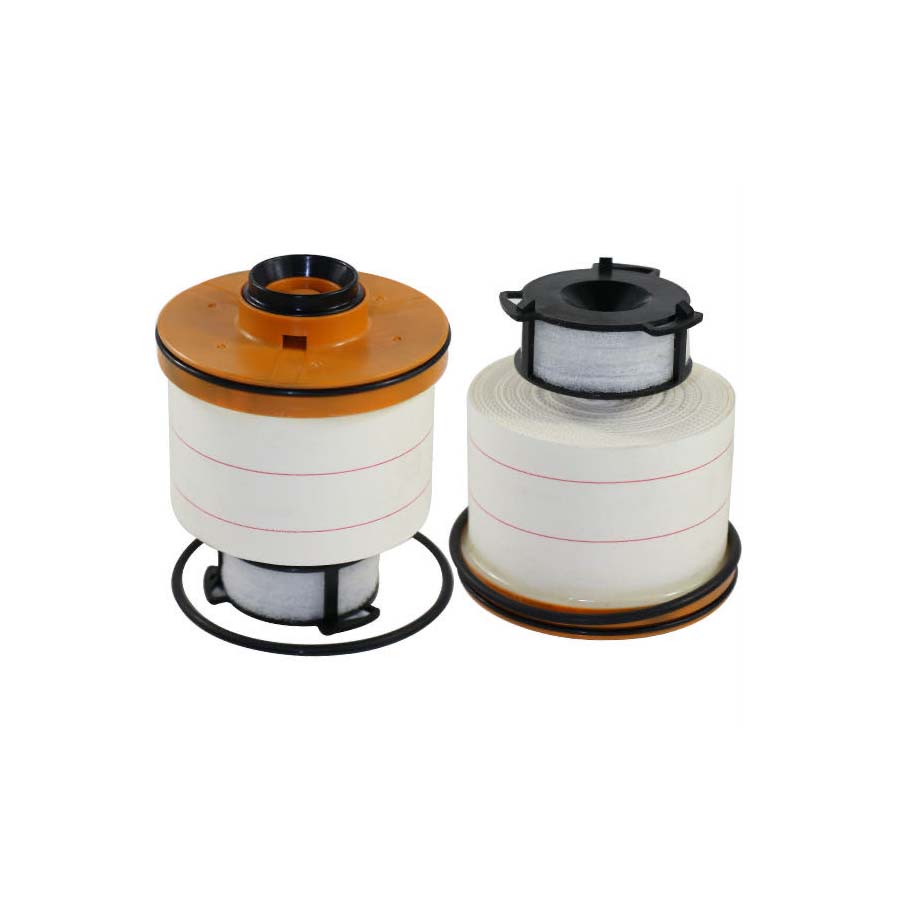 FUEL FILTER
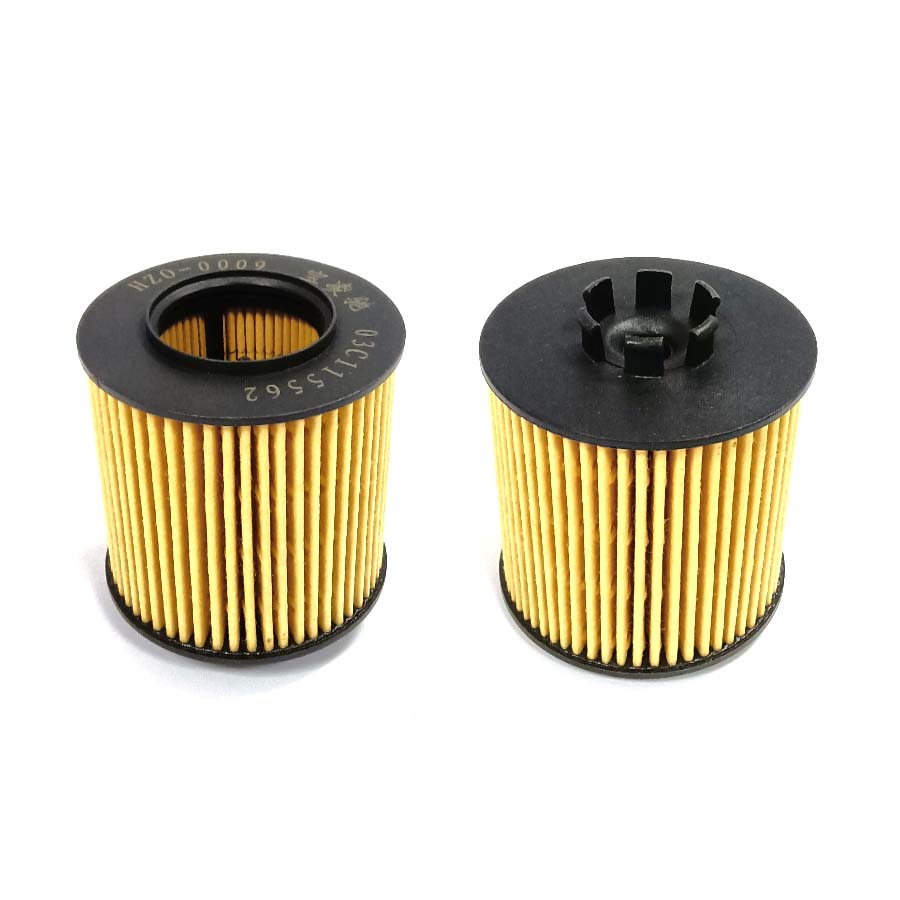 OIL ELEMENT FILTER
 OIL FILTER
 CABIN FILTER
 AIR FILTER