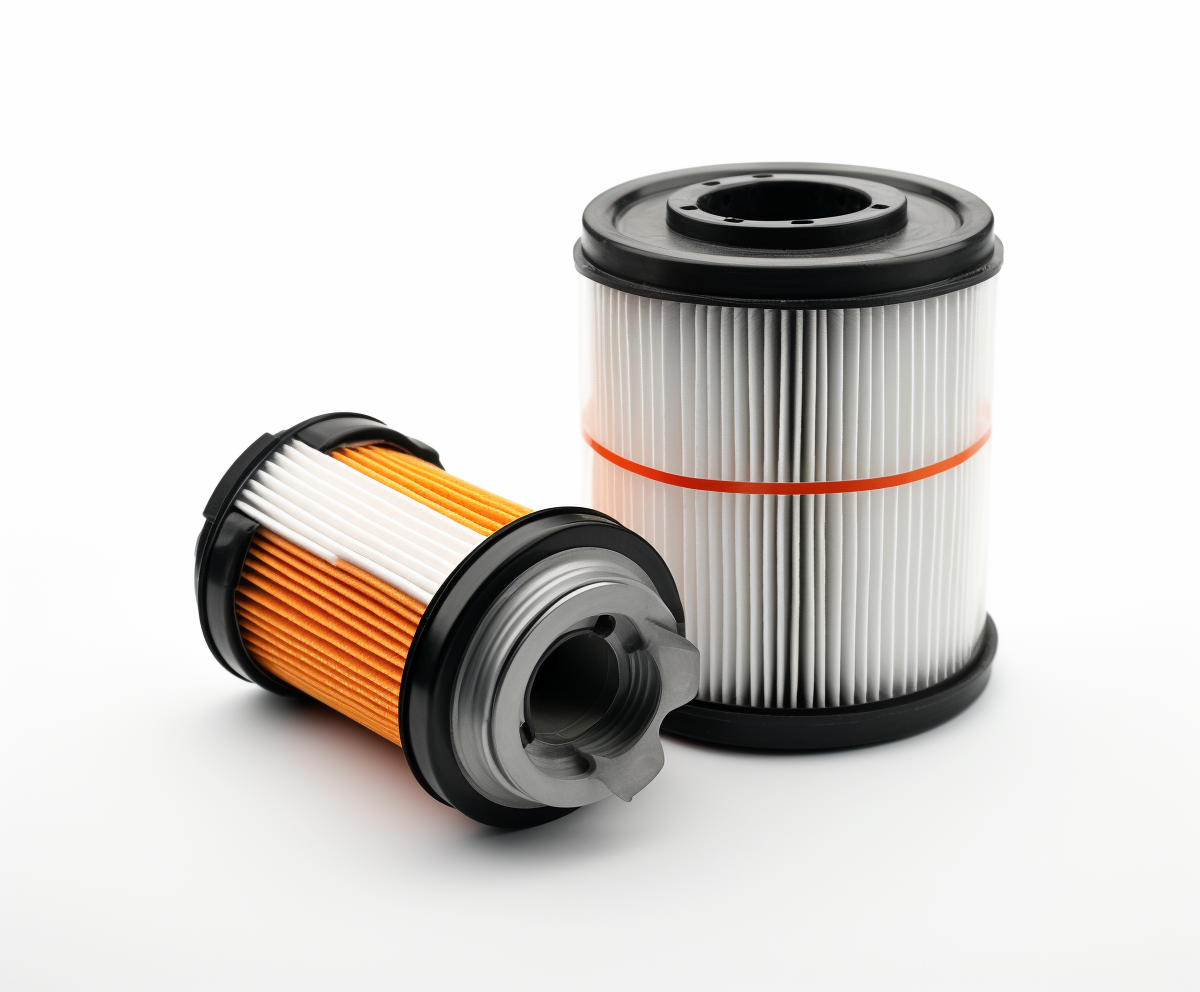
You know, when it comes to indoor air quality (IAQ), it’s something we often overlook, but it really shouldn’t be. Bad air inside your space can mess with your comfort, health, and even your ability to get things done. And get this — according to the U.S. EPA, indoor air can be up to five times dirtier than what’s outside. It’s wild! These airborne particles come from all over, like dust, mold, and those sneaky VOCsthat you can’t see but definitely can smell or feel. Picking the right Air Filter isn’t just a small detail — it’s pretty muchessential if you want to breathe easier and stay healthy.

At Ningbo Hongzhuo Filter Co., Ltd., we’ve been in the game since 2013, based out in Ningbo City in Zhejiang Province. We focus on making top-notch automotive air filters — including cabin filters and air filter parts — with cutting-edge manufacturing techniques. Our filters are built to trap a wide variety of airborne junk, so you get cleaner air whether you’re in a car or just hanging out at home. In this blog, I’ll share some handy tips for choosing the best air filter for your needs, so you can really boost your indoor environment — and your well-being — in the process.
Understanding the Importance of Indoor Air Quality for Health
You know, indoor air quality (or IAQ) has really become a big deal lately, and I think a lot of us are just starting to realize how much it actually affects our health. The air we breathe inside our homes, offices, even schools—it's often full of pollutants that can mess with our comfort, productivity, and overall wellness. This is especially true for little ones, like babies and young kids, who tend to spend a lot of time indoors and breathe more deeply. Some research from places like Harvard even shows that poor indoor air can cause serious health issues for kids, so it’s super important for parents and caregivers to be extra mindful about keeping the air clean for their families.
And it’s not just about our homes—poor indoor air quality also has serious implications in hospitals and healthcare settings. When ventilation isn’t up to par or pollutants aren’t well-controlled, it can really impact patient recovery and the safety of healthcare staff. As more attention is being paid to indoor air quality worldwide, I think it’s pretty clear that we need to start taking this seriously as a public health issue. Regularly checking and improving the air quality in our homes, schools, and workplaces can really make a difference—helping everyone breathe easier and stay healthier. Honestly, it's about time we give indoor air the same kind of attention we’ve always given to outdoor air because, at the end of the day, the air inside our buildings matters just as much as the air outside.
Impact of Air Quality on Health: 7 Essential Tips for Choosing the Right Air Filter
This chart illustrates the correlation between various indoor air quality factors (measured in AQI) and their potential health impacts. Choosing the right air filter can significantly reduce these risks.
Identifying Different Types of Air Filters: Which One is Right for You?
When it comes to improving the air inside your home or workspace, choosing the right air filter really makes all the difference. There are so many types out there, each suited to different needs, and honestly, understanding these options can have a major impact on the quality of air you’re breathing every day. At Ningbo Hongzhuo Filter Co., Ltd., we’re passionate about high-quality air filters—covering everything from automotive to industrial use. Since starting up in 2013, we’ve gained quite a bit of know-how to help meet all sorts of filtration needs.
One key tip I’d share is to pay attention to the MERV rating—yeah, it sounds technical, but it really helps. Basically, the higher the MERV rating, the better the filter is at trapping tiny particles, from allergens and dust to some bacteria. For homes with pets or family members who suffer from allergies, I’d suggest looking for filters with a MERV of 11 or above. Also, keep in mind that different environments—like factories or industrial sites—require filters that can handle more intense conditions compared to your standard house filter.
Another thing everyone should keep in mind is how long your filter lasts and how often it needs a swap. Usually, a good filter can last anywhere from three months to a year—depends on how much use and what kind of environment you’re in. Changing your filters regularly not only keeps the air fresher but also helps your HVAC system run smoothly. At Ningbo Hongzhuo Filter, we offer a range of sturdy, long-lasting filters designed to keep your indoor air as clean and healthy as possible.

Evaluating MERV Ratings: How to Choose the Right Level of Filtration
So, when you're trying to pick out an air filter to improve your indoor air, it's pretty important to pay attention to the MERV ratings—those range from 1 all the way up to 20. Basically, the higher the rating, the better the filter is at catching tiny particles like viruses and allergens. But here’s the thing: if you go for one with a super high MERV, like above 13, it might actually restrict airflow unless your HVAC system can handle it. For example, a MERV 13 filter can trap about 90% of airborne particles—pretty handy if anyone in your house has respiratory issues. The EPA actually mentions that indoor air can be two to five times more polluted than outside air, which just goes to show how crucial it is to pick the right filter.
And with the way user reviews and ratings are evolving—think app store reviews tailored to your personal needs—more people are making smarter choices based on what actually works for them. Understanding how different MERV ratings perform in real-world scenarios can really help you decide what’s best for your health. Studies also suggest that upgrading your air filtration can seriously cut down on respiratory problems, especially in busy city areas with lots of pollution. So, as more folks learn about these ratings, they’re able to pick filters that do a solid job of cleaning the air—and meet the latest standards for indoor health.
Considering the Size and Compatibility of Your Air Filter
When you're trying to improve the air quality inside your home, choosing the right air filter is super important. One thing you'll wanna keep in mind is making sure the filter size matches your HVAC system. They come in all sorts of dimensions, and if you pick something that doesn't quite fit, your system might not work as efficiently—or worse, get damaged. So, before you buy, it’s a good idea to measure your current filter carefully and double-check your system’s recommended sizes. Trust me, that little step can save you a lot of hassle later on.
Also, think about what kind of filter actually fits your needs. For folks dealing with allergies, HEPA filters are pretty awesome—they catch tiny particles and help keep the air clean. But if your system isn’t compatible with HEPA filters because of size or airflow issues, don’t sweat it. There are other options like pleated or electrostatic filters that still do a solid job without messing up your system’s airflow. The key is to go for filters that fit well and work with what your HVAC can handle—then you’ll end up with healthier, fresher air in your space.

Frequency of Replacement: How Often Should You Change Your Air Filter?
Let's talk about keeping the air inside your home nice and fresh — it's super important, and one of the key factors is how often you swap out your air filters. Honestly, a good rule of thumb is to change them every 1 to 3 months. But, to be honest, it really depends on a few things: what kind of filter you're using, how much your HVAC system runs, and whether you’ve got pets or people with allergies around. Doing it regularly helps your filter do its job better — catching dust, pollen, and other yucky stuff so your indoor air stays healthier.
Now, just knowing when to change the filter isn’t quite enough. Picking the right one for your situation is just as important. For example, HEPA filters are fantastic if you’re sensitive to small particles or allergens — perfect for anyone with allergies. If you’re living in an area with a lot of pollution, you might want to look for filters that block specific contaminants. Oh, and don’t forget to check the MERV rating—higher numbers mean the filter catches tinier particles, which is a good thing.
And hey, a little tip — set a reminder on your phone or mark it on your calendar so you don't forget. It’s a simple trick that can help you stay on top of things and keep your home’s air smelling fresh and feeling clean. When you use the right filter and stick to a regular change schedule, you’re definitely gonna notice the difference in your indoor air quality — it’s worth it!
Budgeting: Finding the Best Value Without Compromising Quality
When you're trying to pick an air filter to improve the air inside your home, budget really matters — but it’s also about finding that sweet spot where you save money in the long run without sacrificing how well it works. The EPA points out that bad indoor air quality can actually cause health problems, which can rack up medical bills pretty quickly. For example, asthma alone costs the U.S. economy nearly $56 billion every year. So, investing in a good quality air filter can really make a difference; it helps cut down on allergens and pollutants, leading to a healthier environment indoors—and that might even help save you some money on healthcare costs down the line.
Figuring out the best deal on air filters isn’t just about how much they cost upfront. You gotta look at how long they last and how efficient they are, too. Take HEPA filters—they trap 99.97% of particles that are 0.3 microns or bigger, which makes them a real favorite if you're after seriously clean air. Sure, they can cost more initially, but they tend to last longer and don’t need replacing as often. And according to the American Society of Heating, Refrigerating, and Air-Conditioning Engineers (ASHRAE), going for higher-quality filters can boost your energy efficiency by up to 15%. That means lower utility bills, all while keeping the air flowing nice and clean.
Maximize Your Vehicle's Performance: The Importance of Quality Diesel Filters for Hyundai and KIA Engines
When it comes to maximizing your vehicle's performance, particularly for Hyundai and KIA engines, the importance of quality diesel filters cannot be overstated. Diesel filters play a critical role in ensuring that the engine receives clean fuel, which directly impacts overall efficiency and longevity. A high-quality Fuel Filter, such as the OE NO. 31112-1R000, specifically designed for Hyundai and KIA models, is essential for optimal engine operation. Using subpar filters can lead to fuel contamination, resulting in poor engine performance and expensive repairs.
Investing in a reliable car fuel filter offers not only peace of mind but also compliance with industry standards. The filters mentioned, which come with certifications like ISO 9001:2015 and IATF 16949:2016, illustrate the commitment to quality and reliability. Furthermore, these filters are customizable to meet specific requirements, with minimum order quantities set at 300 units for a neutral package and 500 units for customer-branded options.
In addition to their practical application, choosing a quality fuel filter minimizes downtime and enhances driving experience, as it helps maintain constant fuel flow and pressure. With a prompt delivery time of 15 to 20 days after deposit, ensuring your vehicle runs at peak performance is easier than ever. For Hyundai and KIA owners, the right diesel filter is not just an accessory; it's a necessity for maintaining engine health and efficiency.
FAQS
: It is generally recommended to change your air filter every 1 to 3 months, depending on factors such as filter type, HVAC usage, and the presence of pets or allergens.
HEPA filters are designed to remove small particles and allergens from the air, making them ideal for individuals with allergies or respiratory issues.
Check the MERV rating of a filter; higher ratings indicate greater efficiency in trapping airborne particles. Choose filters based on your specific air quality concerns, such as pollution or allergens.
You can schedule reminders in your calendar or set alerts on your phone to maintain a consistent filter change routine.
Investing in a high-quality filter can lead to long-term savings by improving indoor air quality and reducing potential health-related expenses associated with poor air quality.
Quality air filters can improve energy efficiency by up to 15%, which may result in lower utility bills while ensuring effective air circulation.
Yes, proper air filters can reduce allergens and pollutants, which may help alleviate respiratory issues and decrease medical costs related to conditions like asthma.
Regular replacement ensures that the air filtration system operates efficiently, effectively capturing dust, pollen, and other pollutants, which contributes to better indoor air quality.
If you live in a high-pollution area, consider filters that are specifically designed to combat those contaminants for optimal air quality.
Conclusion
Picking out the right air filter might seem a bit overwhelming at first, but it’s actually pretty important if you want to breathe better indoors and stay healthy. With so many types of filters out there, it’s good to understand what each one does and how well they actually work. The MERV rating system is pretty handy for this—it helps you figure out just how much filtering power a filter has, so you can pick one that fits your needs. Oh, and don’t forget to double-check the size and compatibility with your current system — you wouldn’t want to buy something that doesn’t fit!
Also, remember that swapping out your filters regularly is key. It might be tempting to ignore it, but changing them on time keeps your air clean and your system running smoothly. And if you’re watching your budget, there’s definitely value in finding a good-quality filter without breaking the bank. Here at Ningbo Hongzhuo Filter Co., Ltd., we’ve got plenty of experience making high-quality filters, whether for cars or big industrial setups. We’re confident you’ll find the perfect fit to help keep your indoor air fresh and healthy.

 Products
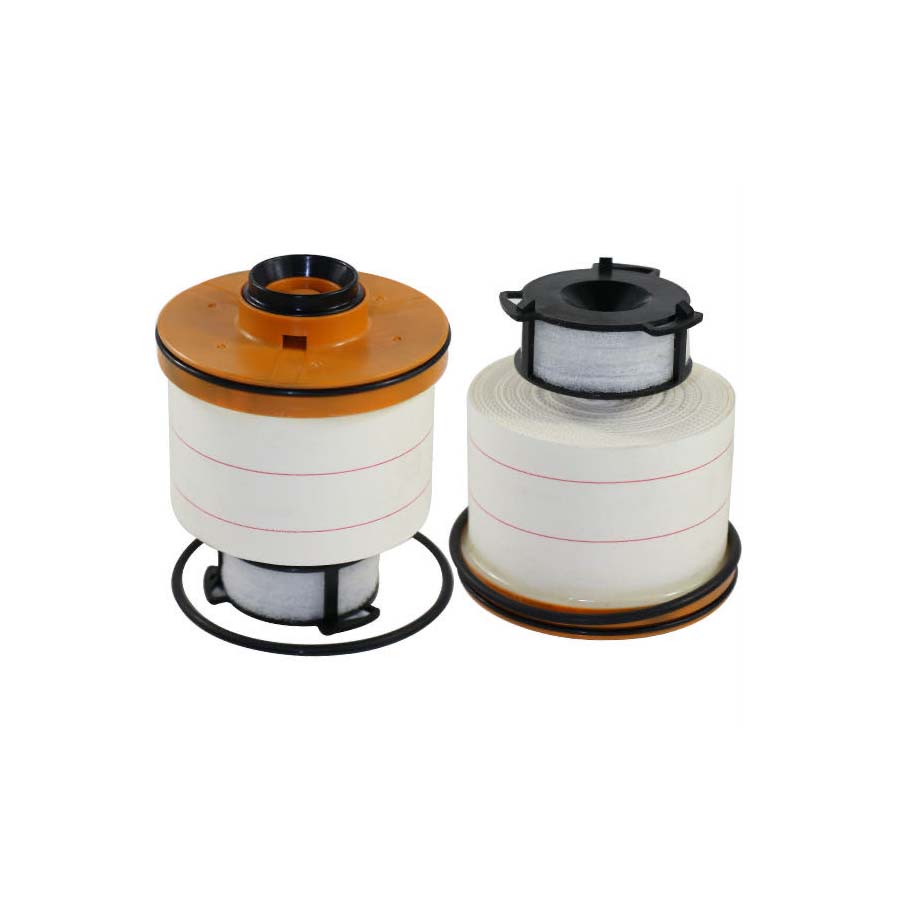 FUEL FILTER
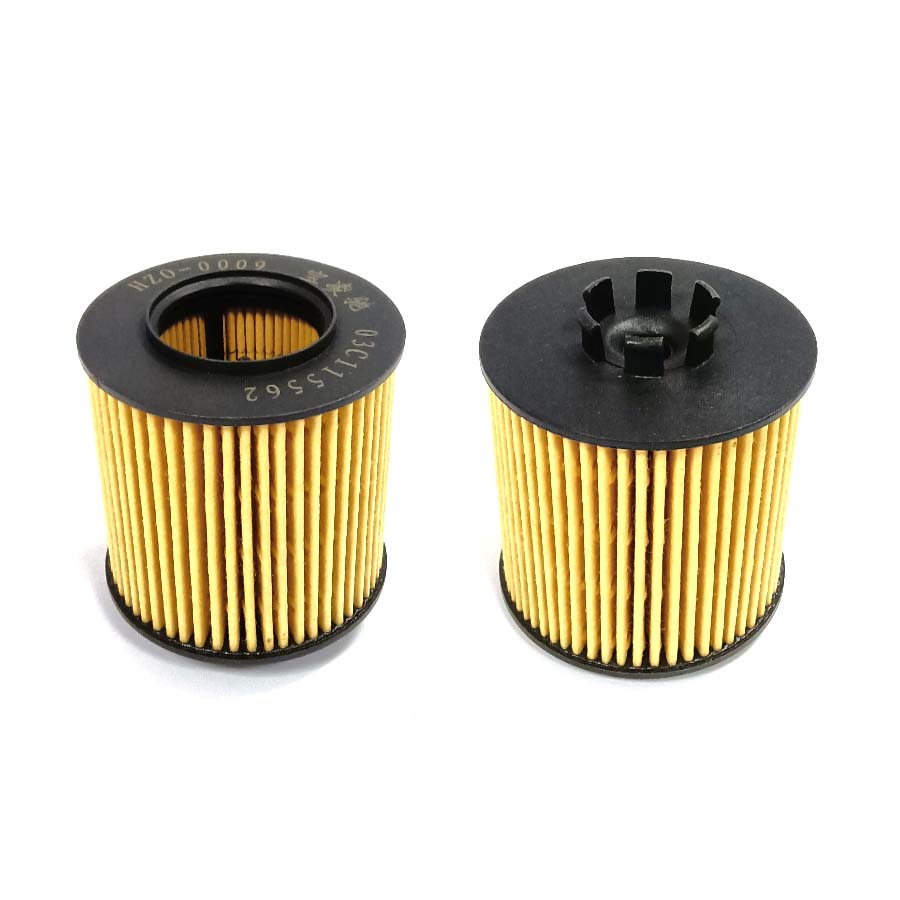 OIL ELEMENT FILTER
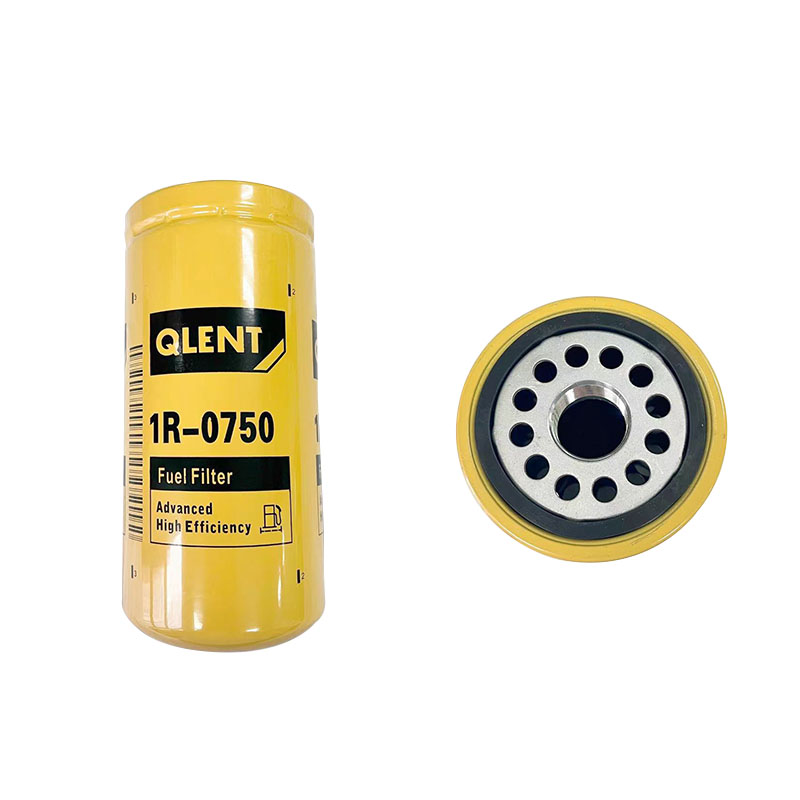 OIL FILTER
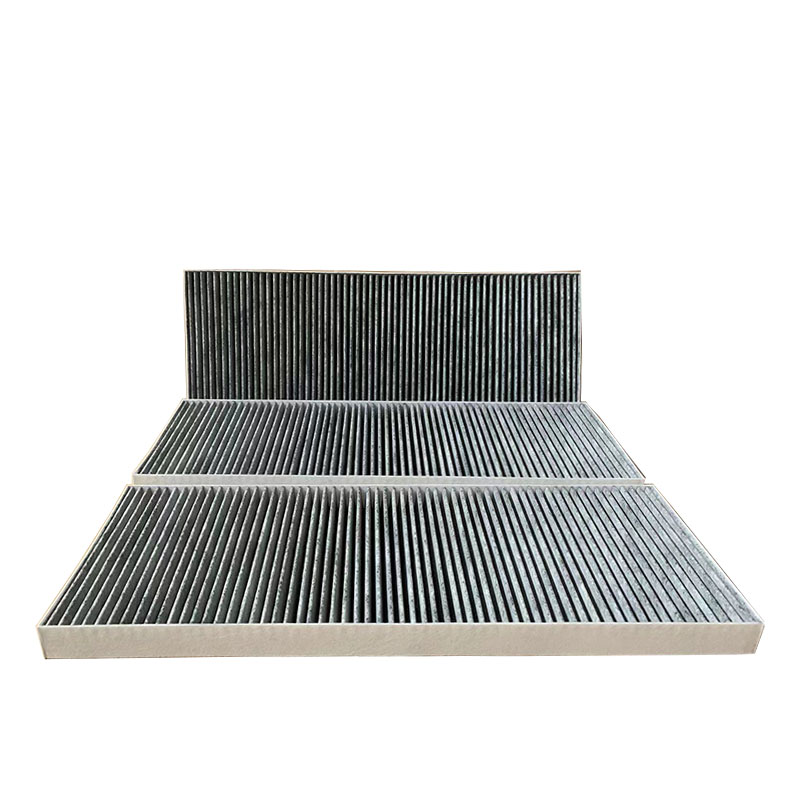 CABIN FILTER
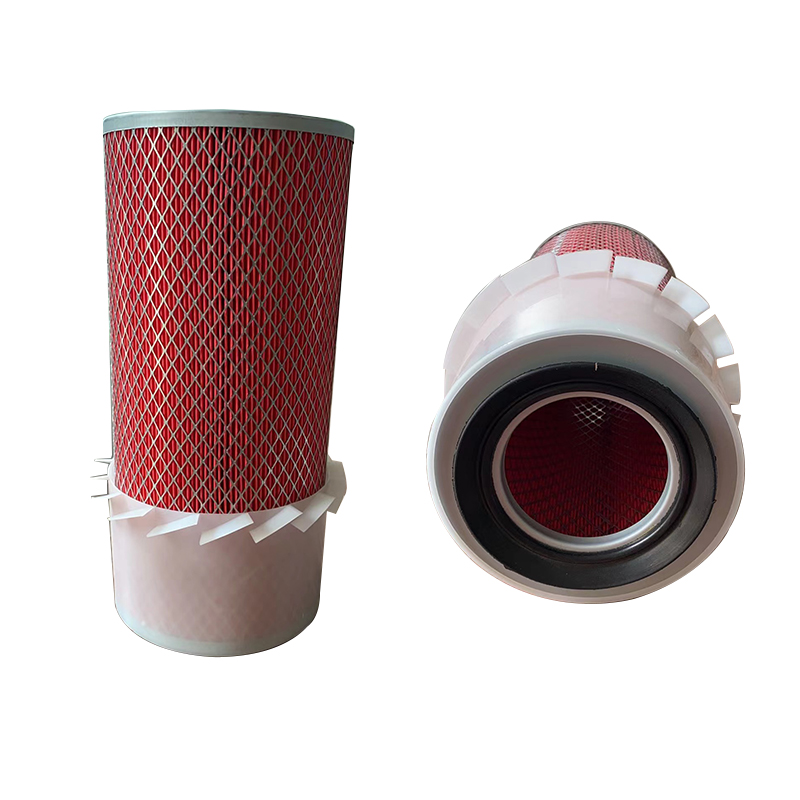 AIR FILTER