
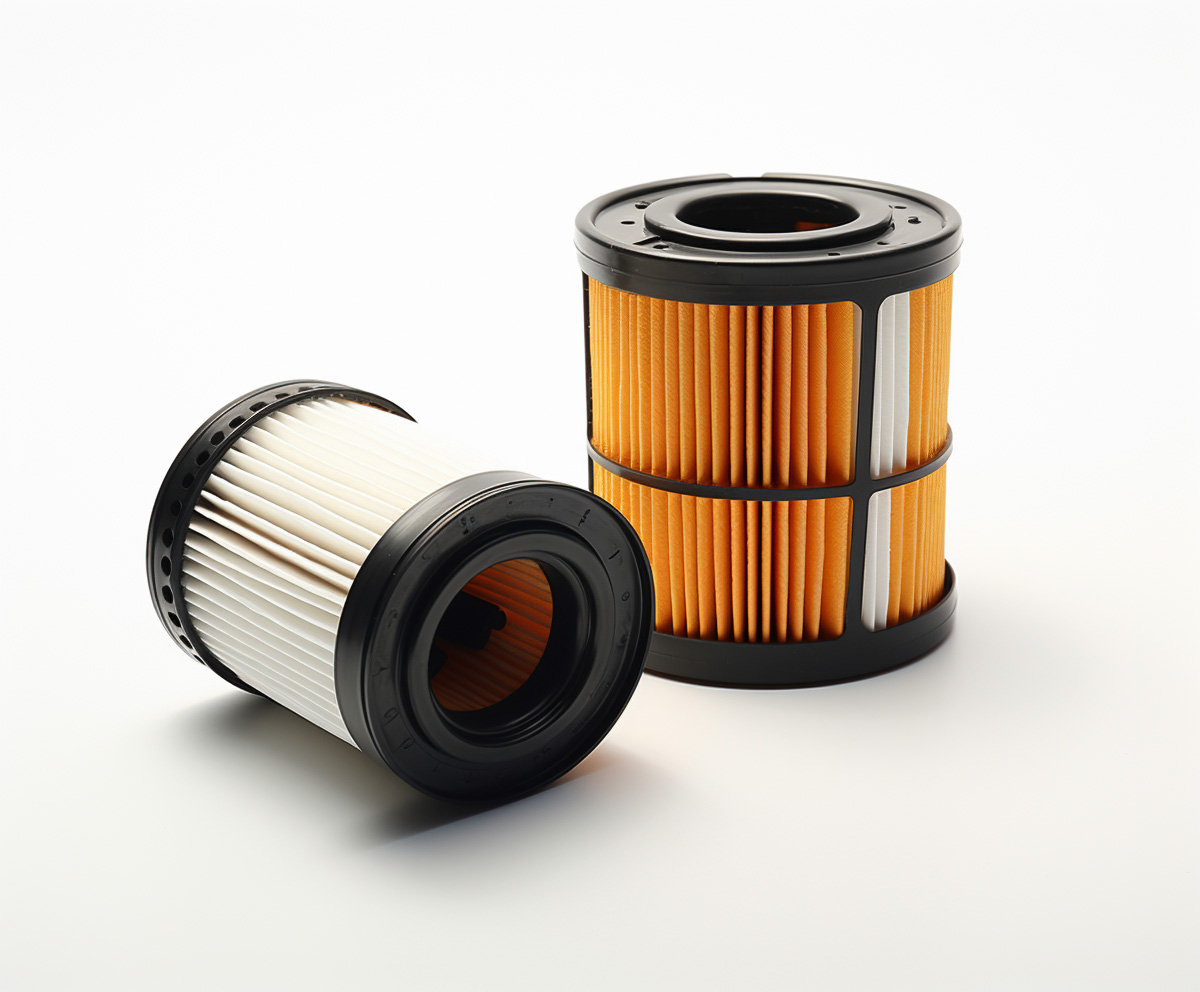
 Products
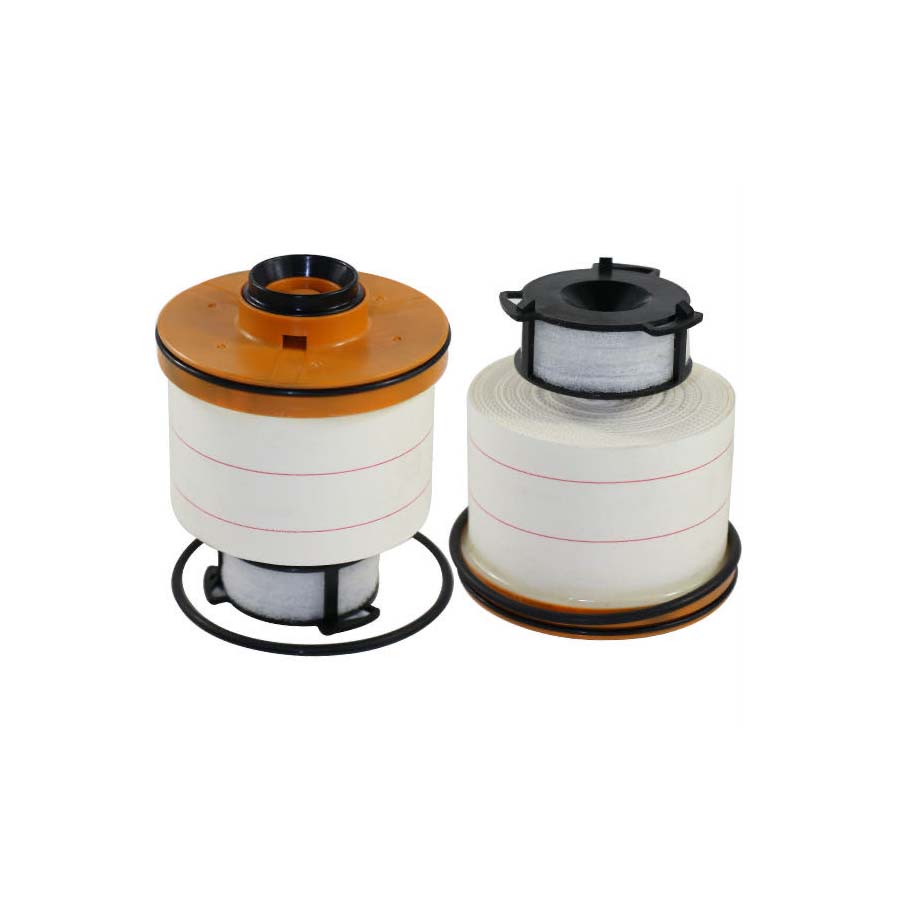 FUEL FILTER
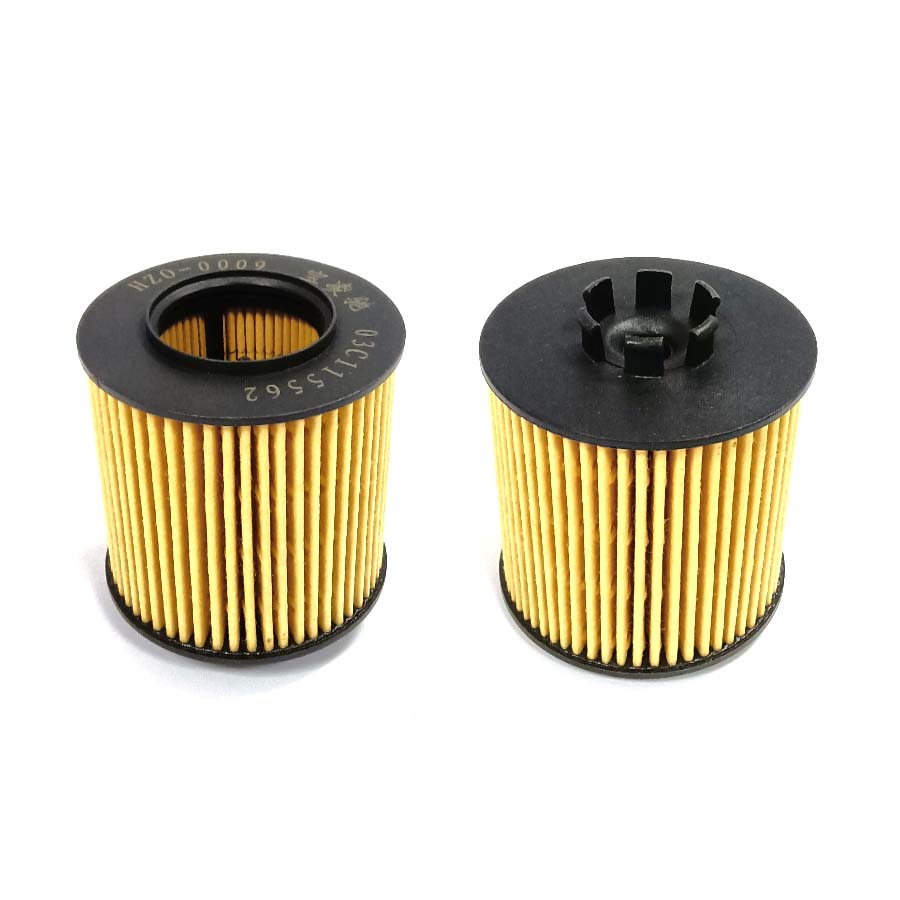 OIL ELEMENT FILTER
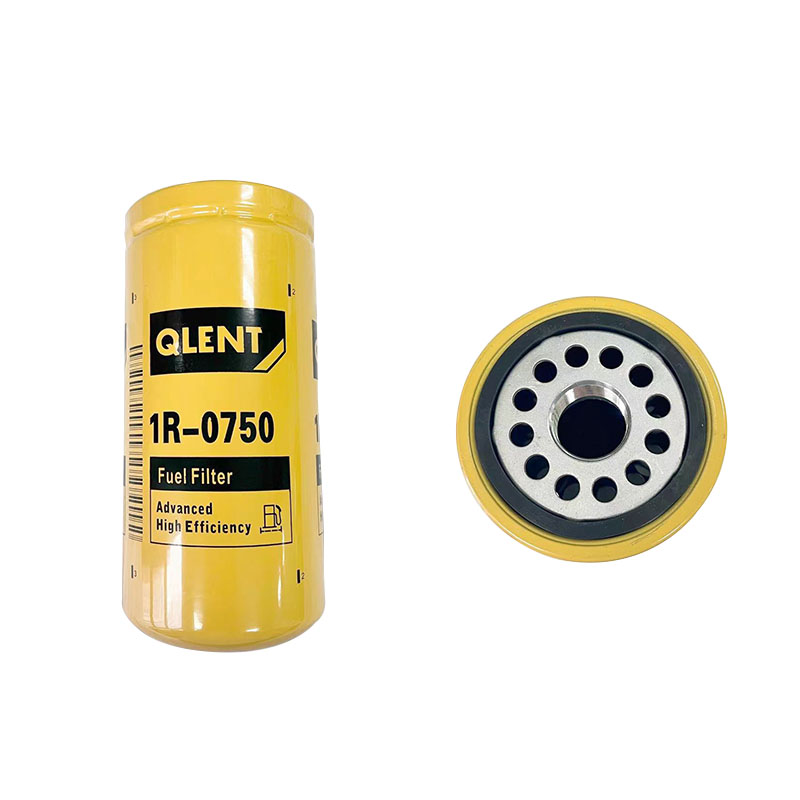 OIL FILTER
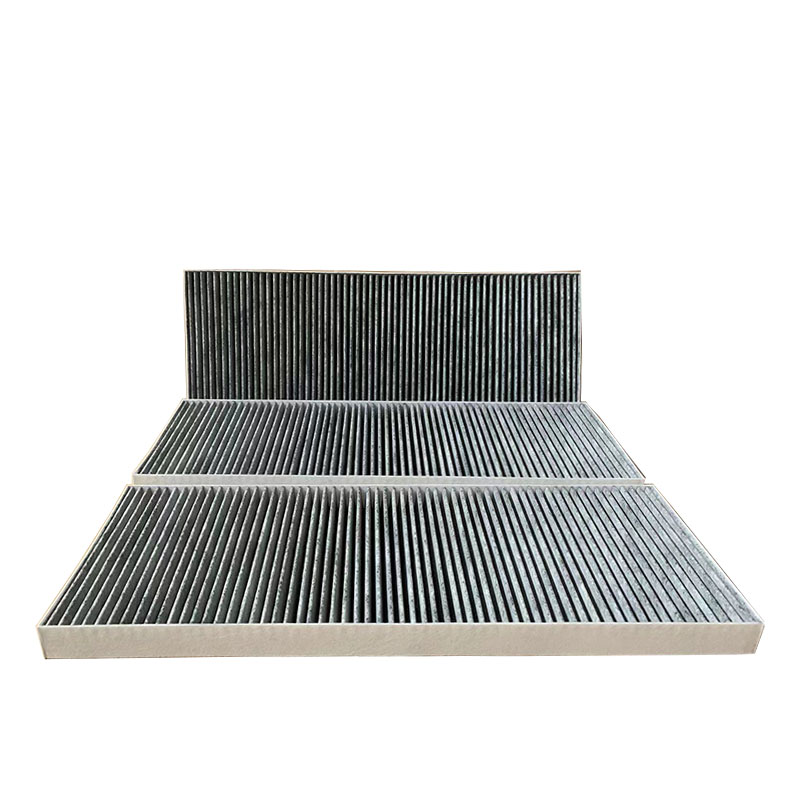 CABIN FILTER
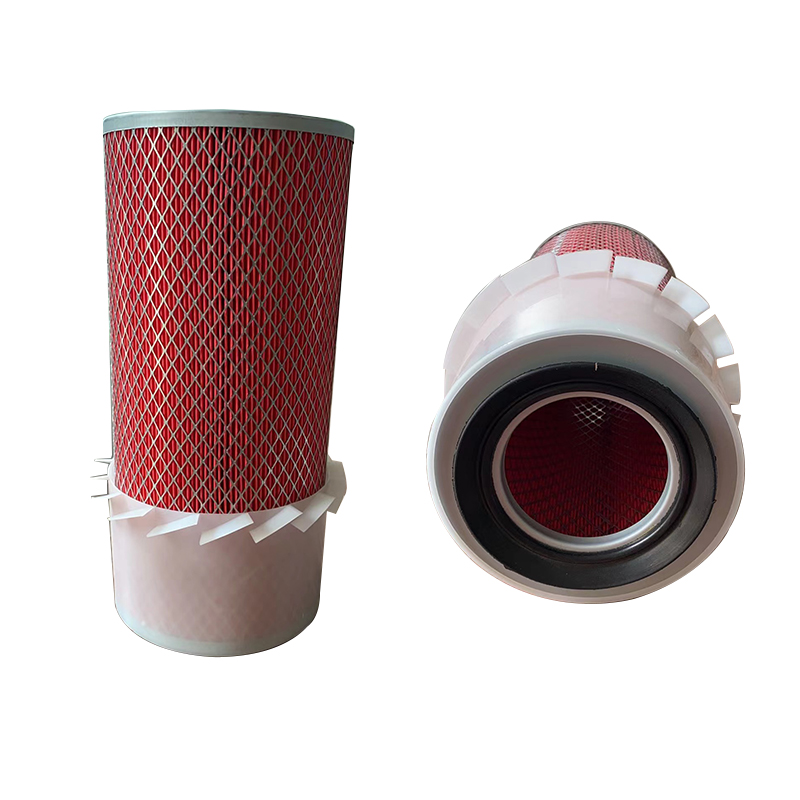 AIR FILTER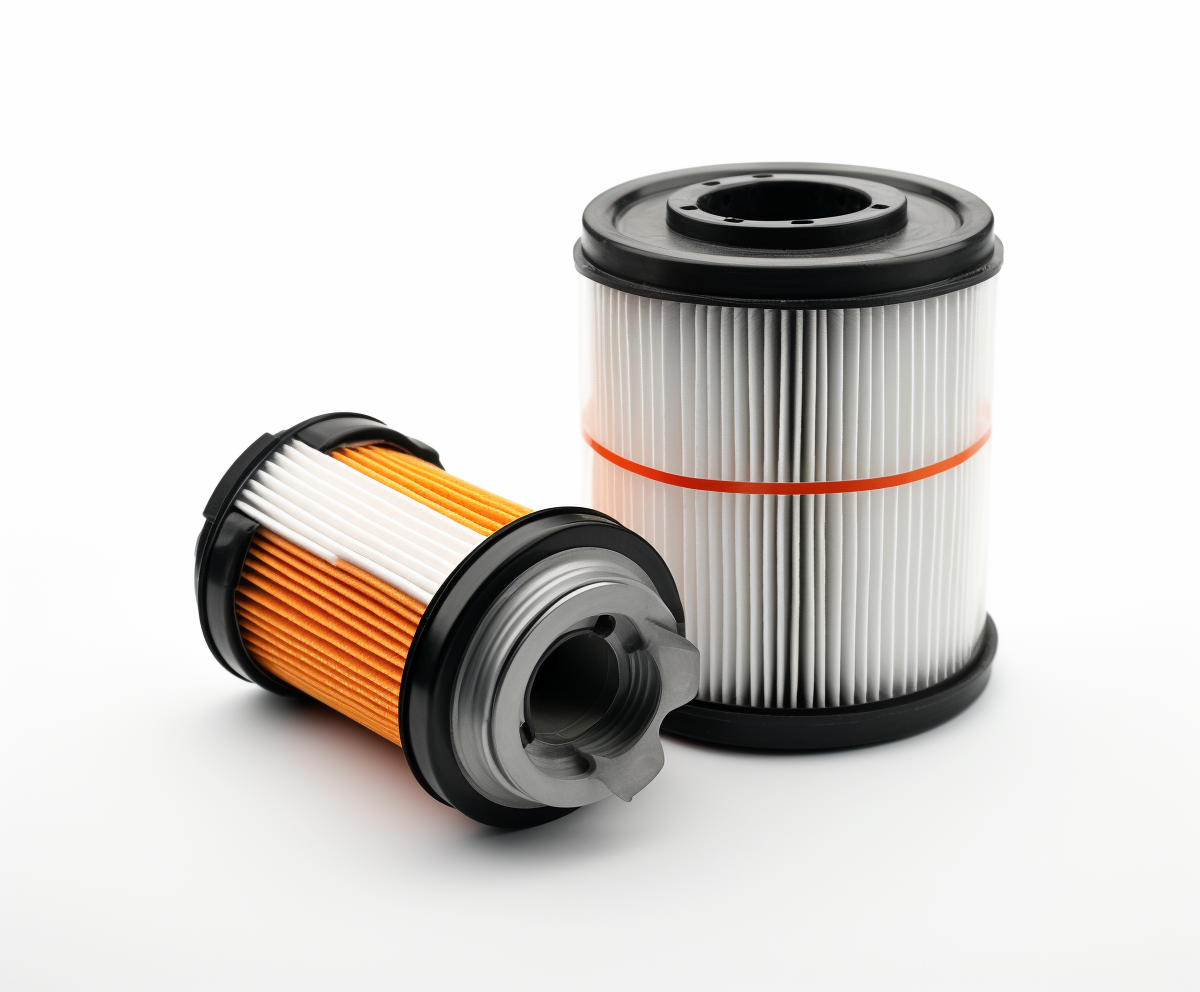

Inquiry
Form loading...
Hey there! So, in today’s fast-paced industrial world, picking the right Air Filter is super important—not just for keeping things running smoothly but also for saving some serious cash. You know, recent studies have shown that businesses can knock their energy costs down by as much as 30% just by fine-tuning their air filtration systems. That really highlights why it’s a big deal to choose filters that not only clean the air but also keep machinery performing at its best. If you pick the wrong filters, though, watch out! It could lead to more maintenance costs, shorten the lifespan of your equipment, and definitely hit your profits hard.
Now, let’s talk about Ningbo Hongzhuo Filter CO., Ltd. They’re based in Ningbo City, Zhejiang Province, and they’re all about making high-quality automotive filters—think air filters, cabin filters, oil filters, and a bunch more. Since they got started back in 2013, their mission has been to develop filters that meet those tough industry standards, so you can count on them for reliability and efficiency in a variety of setups. As businesses look to streamline their operations with all these new environmental rules and sustainability targets popping up, knowing how to choose the right air filter is more crucial than ever. This blog is here to help you nail down some key points for selecting the perfect air filter to boost your operational efficiency and keep costs down.

So, when you're trying to pick the right air filter for your setup, it’s super important to know about the different types out there and how well they actually work. Air filters aren't one-size-fits-all – they've got various designs made just for certain applications. You’ve probably heard of HEPA filters, right? They’re like the gold standard, trapping 99.97% of particles that are just 0.3 microns big, which is why they’re perfect for places that need to keep the air super clean, like hospitals and labs. Then we’ve got electrostatic filters. These little guys use an electric charge to pull particles in, and they’re pretty neat because they let air flow through with less resistance while still doing a good job filtering. This can actually save you some bucks on energy costs in your HVAC system, which is always a win! Now, let's not forget about activated carbon filters. They're pretty amazing at zapping away odors and dealing with volatile organic compounds (VOCs), making them a go-to choice in industrial settings where air quality is really in focus. When it comes to figuring out how effective these filters are, you’ll usually see ratings like MERV (Minimum Efficiency Reporting Value) or FPR (Filter Performance Rating). These numbers can really help steer you to the right choice for what you need. Just keep in mind that a higher rating means better filtration, but it might also bump up the pressure drop and energy costs. So, you’ve got to find that sweet spot between keeping the air crisp and maintaining efficiency because the right filter doesn’t just help with health and safety; it can also save you a lot in maintenance and energy bills over time.

When selecting the right air filter for your facility, understanding the Minimum Efficiency Reporting Value (MERV) ratings is crucial for optimizing both performance and cost savings. MERV ratings range from 1 to 20, measuring a filter's ability to capture larger particles; higher ratings indicate greater filtration capabilities. According to the American Society of Heating, Refrigerating and Air-Conditioning Engineers (ASHRAE), air filters with MERV ratings between 7 and 13 are generally effective for most commercial buildings, capturing 85% to 90% of airborne particles like dust, pollen, and mold spores.
Opting for a filter with an appropriate MERV rating not only enhances indoor air quality but can also lead to significant operational cost savings. A study by the Indoor Air Quality Association (IAQA) showed that facilities that upgraded to higher MERV-rated filters experienced a 10-15% reduction in energy costs, primarily due to improved airflow efficiency and reduced strain on HVAC systems. This is critical, especially as HVAC energy consumption accounts for approximately 40% of a commercial building's total energy use.
Moreover, balancing filter efficiency with system capability is vital. Filters with excessively high MERV ratings can strain HVAC systems that are not designed for such resistance, leading to increased maintenance costs and potential system failures. Therefore, assessing your specific operational needs in combination with environmental conditions will allow you to make an informed decision, ensuring both effective filtration and long-term cost efficiency.

So, when you're picking air filters for your operations, it's super important to really get a handle on the potential cost savings you can score by opting for high-efficiency filters instead of the standard ones. High-efficiency filters are made to catch a lot more of those pesky airborne particles, which means you could see some serious savings in energy bills and maintenance down the line. Sure, they might hit your wallet a bit harder upfront, but trust me, those long-term savings can really make up for that initial splurge.
To get the best idea of how much you could save, you'll want to size up the overall operational costs for each type of filter. Don't just look at the sticker price; think about how often you'll need to replace them, how much energy your HVAC system will be using, and even how it could affect the lifespan of your equipment. High-efficiency filters usually help HVAC systems run more smoothly and gulp down less energy, especially if you’re in an area with a lot of particulates in the air.
Plus, taking a good look at the local air quality and the specific needs of your operation can really guide you in figuring out which filter is best for you. If you can play around with some different scenarios and factor in things like downtime, potential productivity loss, and maintenance demands, you'll get a much clearer idea of how investing in high-efficiency filters might pay off big time in the long run. It’s all about balancing those initial costs with operational efficiency to really rake in the savings for your business.

Keeping your air filters in good shape is super important if you want your HVAC system to run smoothly and last longer. When those filters get all clogged up with dirt and dust, it really messes with the airflow, making the systems work way harder than they need to. And trust me, that just leads to higher energy bills and puts extra stress on the system, which means it won’t last as long. So, make it a point to replace those filters regularly—it makes a big difference in how well your system runs and helps with overall air circulation too.
On top of that, staying on top of air filter maintenance can save you a good chunk of change. When your filters are clean, the fans and blowers don’t have to work as hard, which means lower energy bills over time, plus fewer maintenance headaches. And let’s be real, nobody wants to deal with unexpected breakdowns that come with expensive repairs! A little routine inspection and cleaning can do wonders; it keeps those filters working like they should, improving efficiency and cutting down on any downtime.
Creating a solid maintenance schedule for your air filters isn't just good practice; it also helps keep the air in your workspace clean and fresh. And when your systems perform better, everyone benefits—companies that take filter maintenance seriously typically see higher productivity and reliability. So, taking care of those filters isn’t just another task on your to-do list; it’s a smart move for boosting the lifespan and efficiency of the whole system.
Choosing the right air filter can make a huge difference when it comes to both our health and how efficiently things run. You know, as people are becoming more aware of air quality issues, it's really essential to get a grip on why picking the right air filter matters so much. After all, with everything that happened during the pandemic, there’s been a big focus on health. It just goes to show how crucial it is to find effective ways to tackle pollutants and clean up the air in all sorts of places.
But it’s not just about immediate health benefits when you invest in high-quality air filters—there’s a lot more to it! Good filtration systems help slice down on airborne nasties like harmful particles and germs. This means not only breathing cleaner air indoors but also cutting back on our environmental impact by relying less on energy-hungry solutions. So, when companies look into what type of air filters they need, they should definitely keep an eye out for options that blend effectiveness with sustainability. It’s all about making a positive change for both their operations and Mother Earth.
Considering how widespread air pollution is due to urban life and heavy industry, choosing the right air filters has never been more important. The right filter not only safeguards our well-being but also helps create a healthier planet. As we deal with growing health worries and environmental hurdles, investing in smart air filtration systems can actually save money in the long run while supporting a cleaner and greener future.
Hey, when you're picking out air filters for your business, you've really got to think about what your industry specifically needs. Every sector, whether it’s manufacturing or healthcare, has its own set of challenges that totally affect the kind of filtration system you should go for. Like, in medical facilities, those HEPA filters are a must to catch all those tiny pathogens floating around. But on the flip side, manufacturing plants often need filters that can deal with bigger stuff like dust and larger particles. Getting a handle on these little details can really help you make smart choices that boost your efficiency and save you some cash.
For industries like food processing, you definitely can't overlook hygiene standards. You need filters that not only grab onto contaminants but are also super easy to clean or swap out to keep things from getting cross-contaminated. Then there’s automotive manufacturing, where the focus might be on filters that can tough it out in rough conditions while still letting air flow to keep the equipment running smoothly. When you tailor your filter choice to meet specific rules or standards, it not only keeps you compliant but can also slash maintenance costs and help your systems last longer.
And hey, don’t forget about the environment where the filters will be operating. If you're in a situation with extreme heat or humidity, your filters have to hold up without falling apart. So, taking a good look at those environmental conditions along with your industry needs will steer you towards filters that not only provide top-notch filtration but also help your operations run more smoothly and cost-effectively.
Investing in quality air filters is not merely an operational expense but a strategic decision that can yield significant long-term return on investment (ROI). To truly understand the financial implications, businesses must analyze how efficient air filtration contributes to overall performance, reduces downtime, and enhances equipment lifespan. High-quality air filters can trap more dirt and pollutants, thereby maintaining a cleaner environment that supports the longevity of machinery and HVAC systems. This directly translates to fewer breakdowns and maintenance costs, resulting in savings that accumulate over time.
Moreover, efficient air filters can also lead to energy savings. When air filters are capable of removing contaminants from the air more effectively, systems do not have to work as hard to maintain optimal airflow. This reduced strain can lower energy consumption, significantly affecting utility bills. For organizations where climate control is essential, such as in manufacturing or healthcare, the financial impact can be profound. By tracking these savings in energy costs alongside reduced maintenance, businesses can build a compelling case for investing in high-quality air filtration solutions.
Furthermore, the health and productivity of employees should not be overlooked. Poor air quality can lead to increased absenteeism and decreased efficiency, which collectively harm the bottom line. By investing in superior air filters, companies can create safer, healthier work environments that foster productivity. Thus, the ROI extends beyond mere financial metrics; it encompasses the well-being of the workforce and the overall operational efficiency, illustrating how quality air filters are a smart investment for the future.
You know, emerging technologies in air filtration are really shaking things up for how industries tackle efficiency and save some bucks. Nowadays, companies are all about optimizing operations, and that's why innovations like HEPA filters and electrostatic precipitators are becoming a big deal. There's this recent report from the U.S. Environmental Protection Agency that says high-performance filters can kick out about 99.97% of airborne particles. Talk about a game-changer for indoor air quality and boosting operational efficiency!
But wait, it gets even cooler! We're seeing a lot more businesses incorporating IoT (Internet of Things) sensors into their air filtration systems. These smart gadgets keep tabs on air quality in real-time, so companies can tweak their filtration processes on the fly. A study by MarketsandMarkets projected that the smart air filter market will leap from $1.2 billion in 2020 to $2.6 billion by 2025. That’s a whopping compound annual growth rate (CAGR) of 16.6%! Not only does this ramp up efficiency, but it also brings in some pretty major cost savings by cutting down on energy use and how often filters need to be replaced.
And here’s another fascinating trend: air filtration systems using nanotechnology are on the rise! Research published in the journal Advanced Materials has shown that nanofiber filters can catch particles as tiny as 0.1 microns—something traditional filters really struggle with. This could mean filters last longer while doing a bang-up job of keeping the air clean, which in turn helps lower operating costs. By jumping on board with these emerging technologies, businesses aren't just stepping up their air filtration game; they’re also making strides towards sustainability by cutting down on waste and energy consumption. Isn’t that pretty amazing?
The main types of air filters include HEPA filters, electrostatic filters, and activated carbon filters, each designed for specific applications.
HEPA filters are designed to trap 99.97% of particles that are 0.3 microns in size, making them ideal for environments that require high levels of air purity, such as hospitals and laboratories.
Electrostatic filters use an electric charge to attract particles, allowing for lower resistance to airflow while still providing effective filtration.
Activated carbon filters are effective at removing odors and volatile organic compounds (VOCs), making them suitable for industrial applications where air quality is a concern.
MERV (Minimum Efficiency Reporting Value) and FPR (Filter Performance Rating) are efficiency ratings used to evaluate air filters, guiding users in selecting the best solution for their needs.
Although high-efficiency filters have a higher upfront cost, they can lead to significant long-term savings in energy and maintenance expenses due to their ability to capture more airborne particles.
Factors to consider include the purchase price, frequency of replacement, energy usage of the HVAC system, and the potential impacts on equipment lifespan.
Analyzing local air quality helps determine the optimal filter type suited to specific operational requirements, ensuring effective filtration based on the environment's particulate matter levels.
The goal is to strike a balance between initial costs and operational efficiency to maximize overall savings for the business in the long term.


