
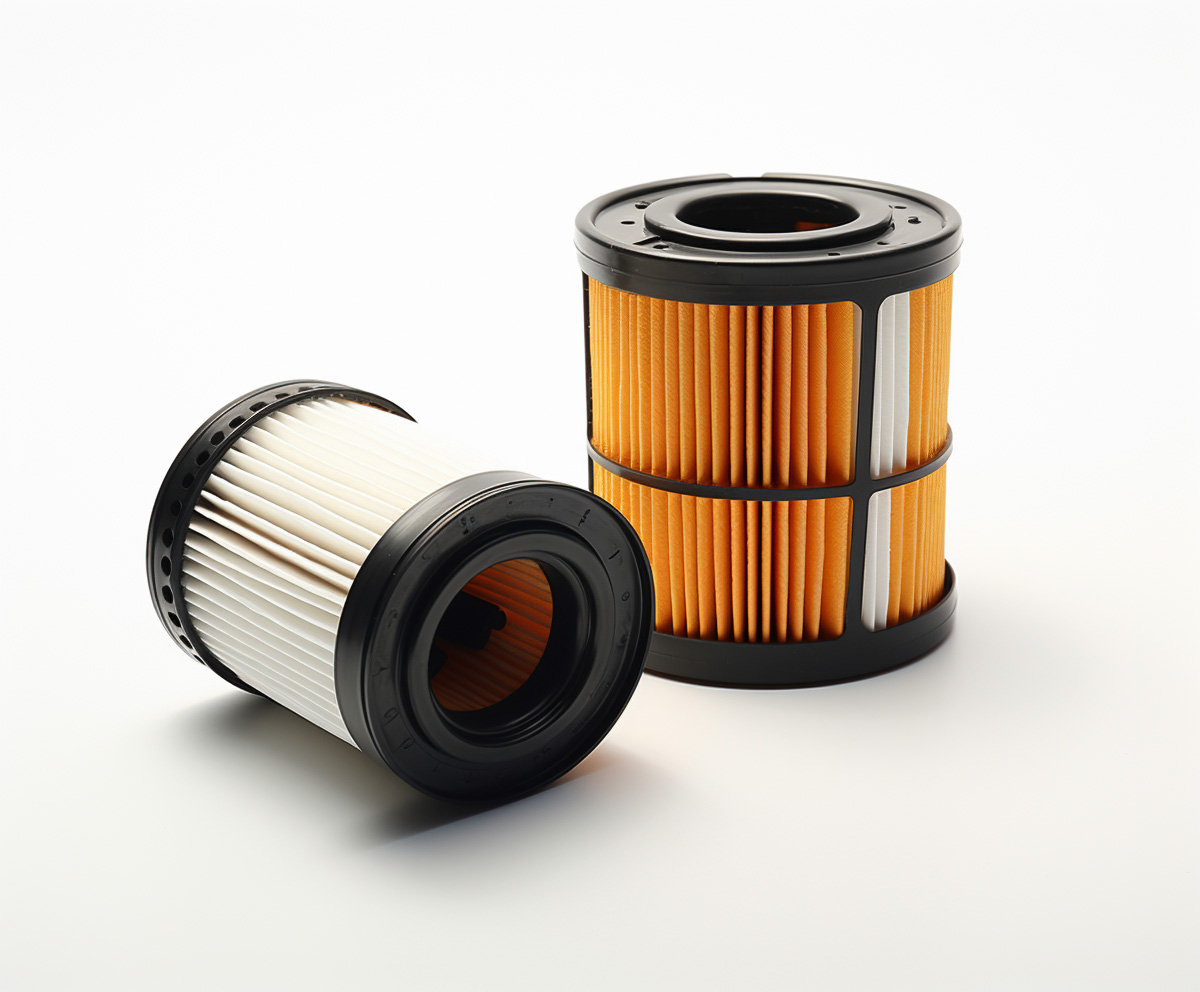
 Products
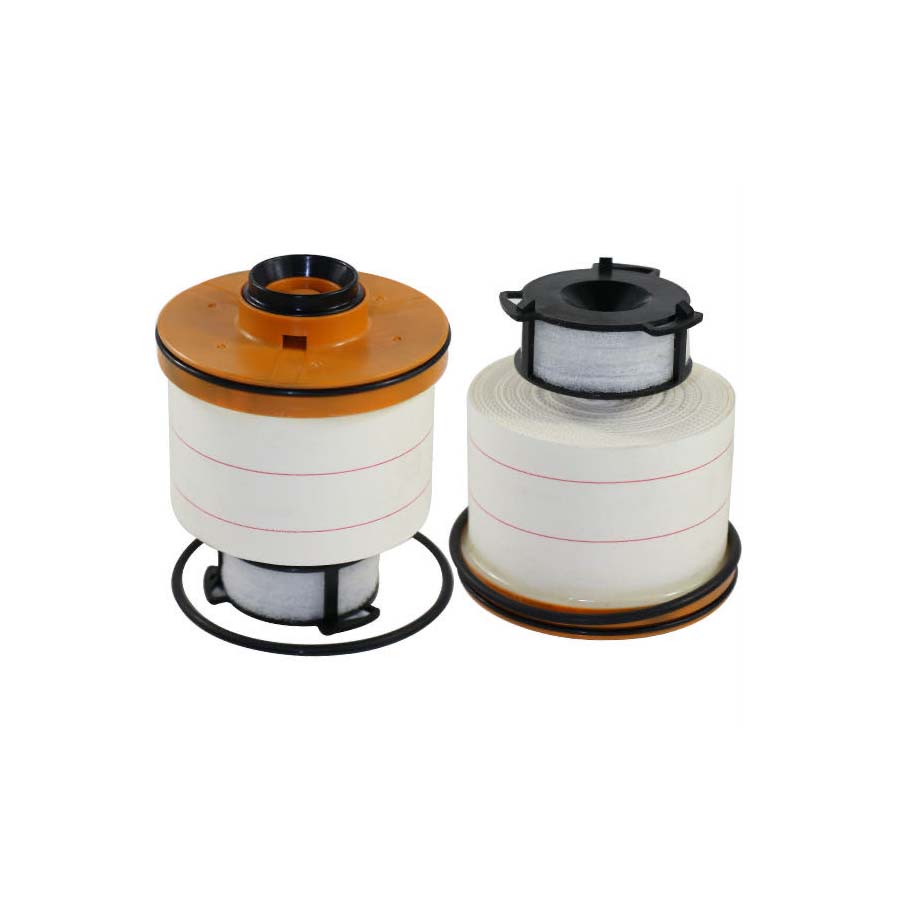 FUEL FILTER
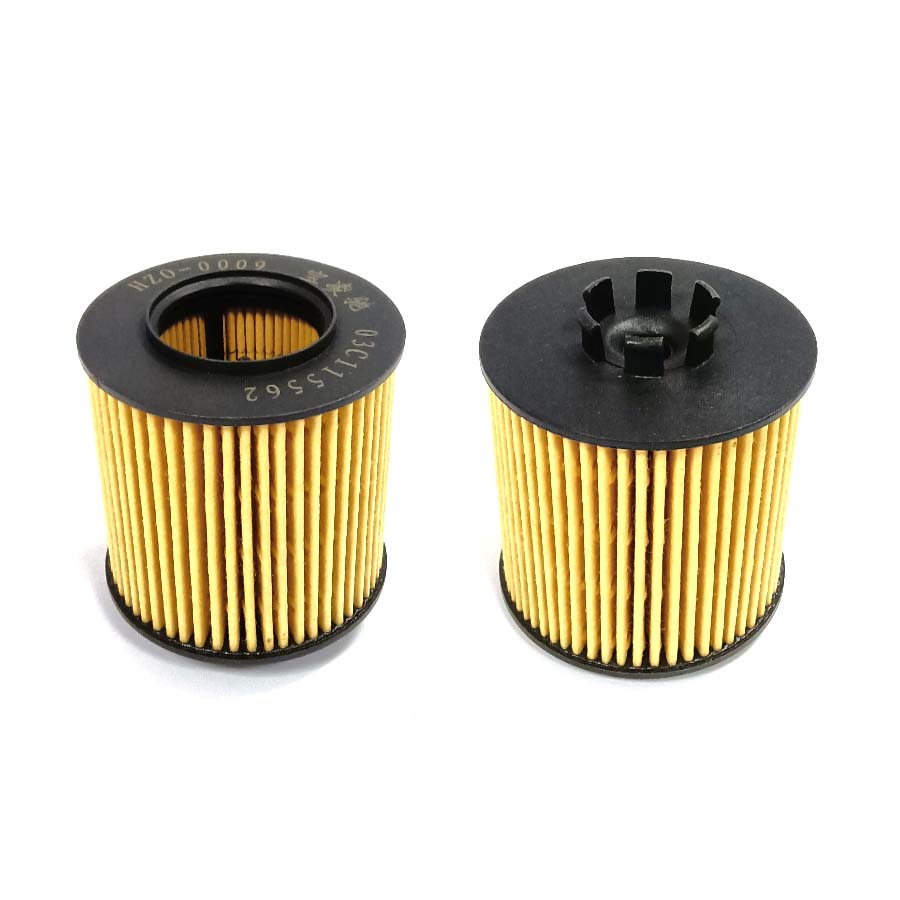 OIL ELEMENT FILTER
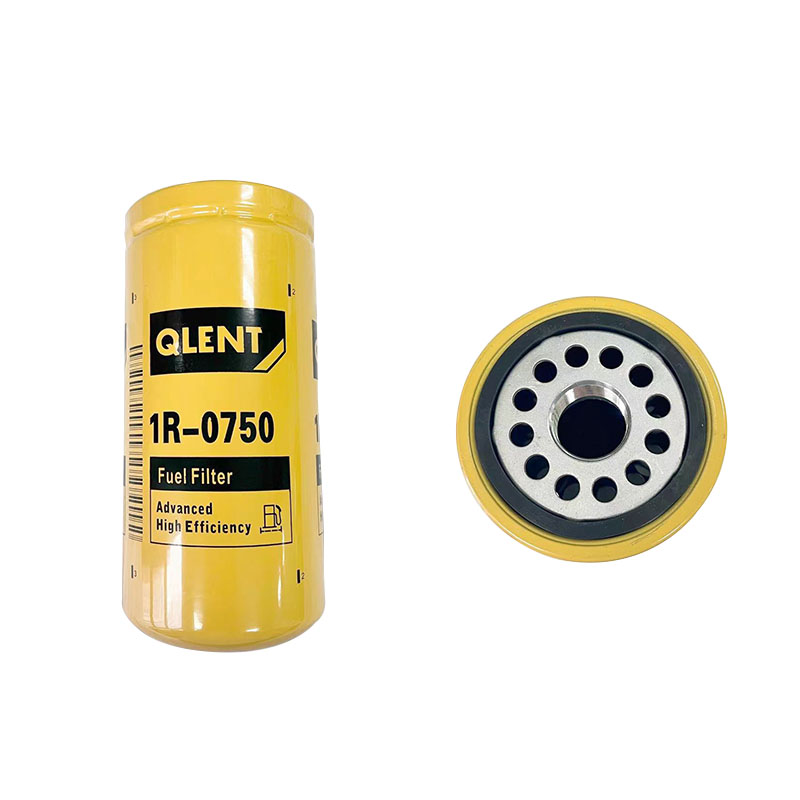 OIL FILTER
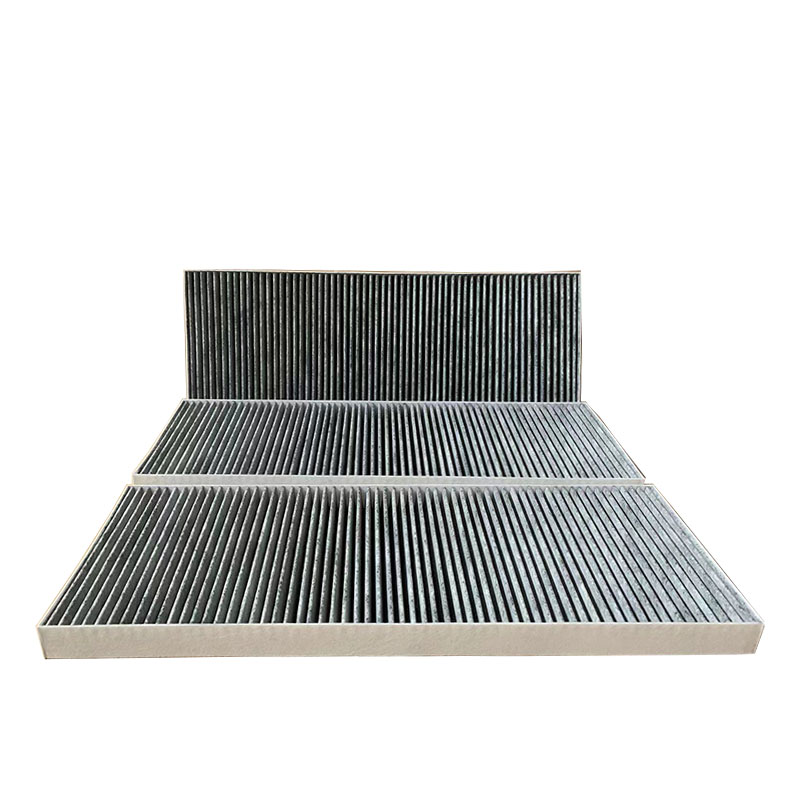 CABIN FILTER
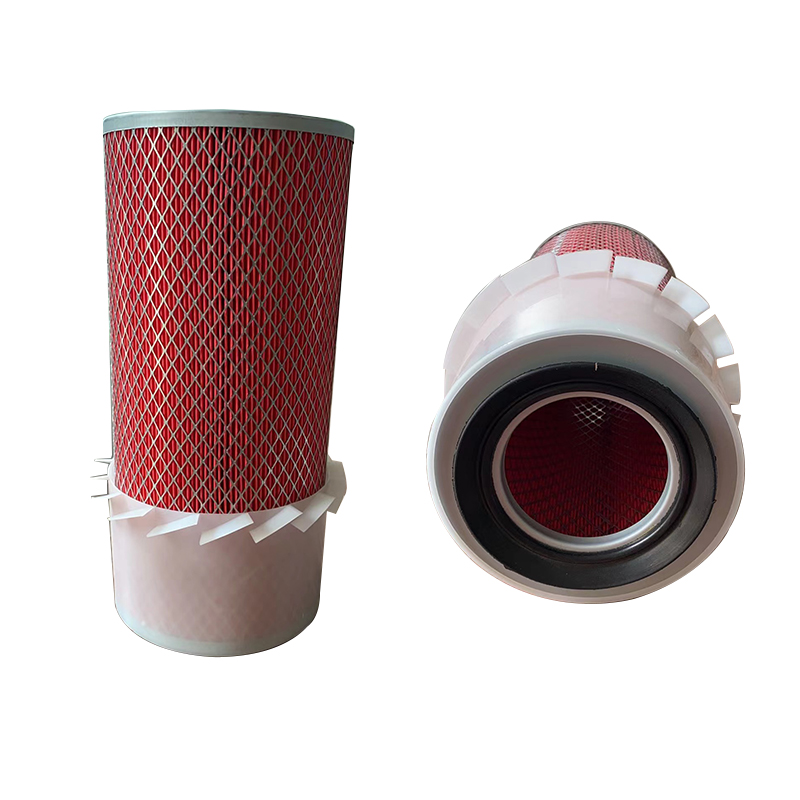 AIR FILTER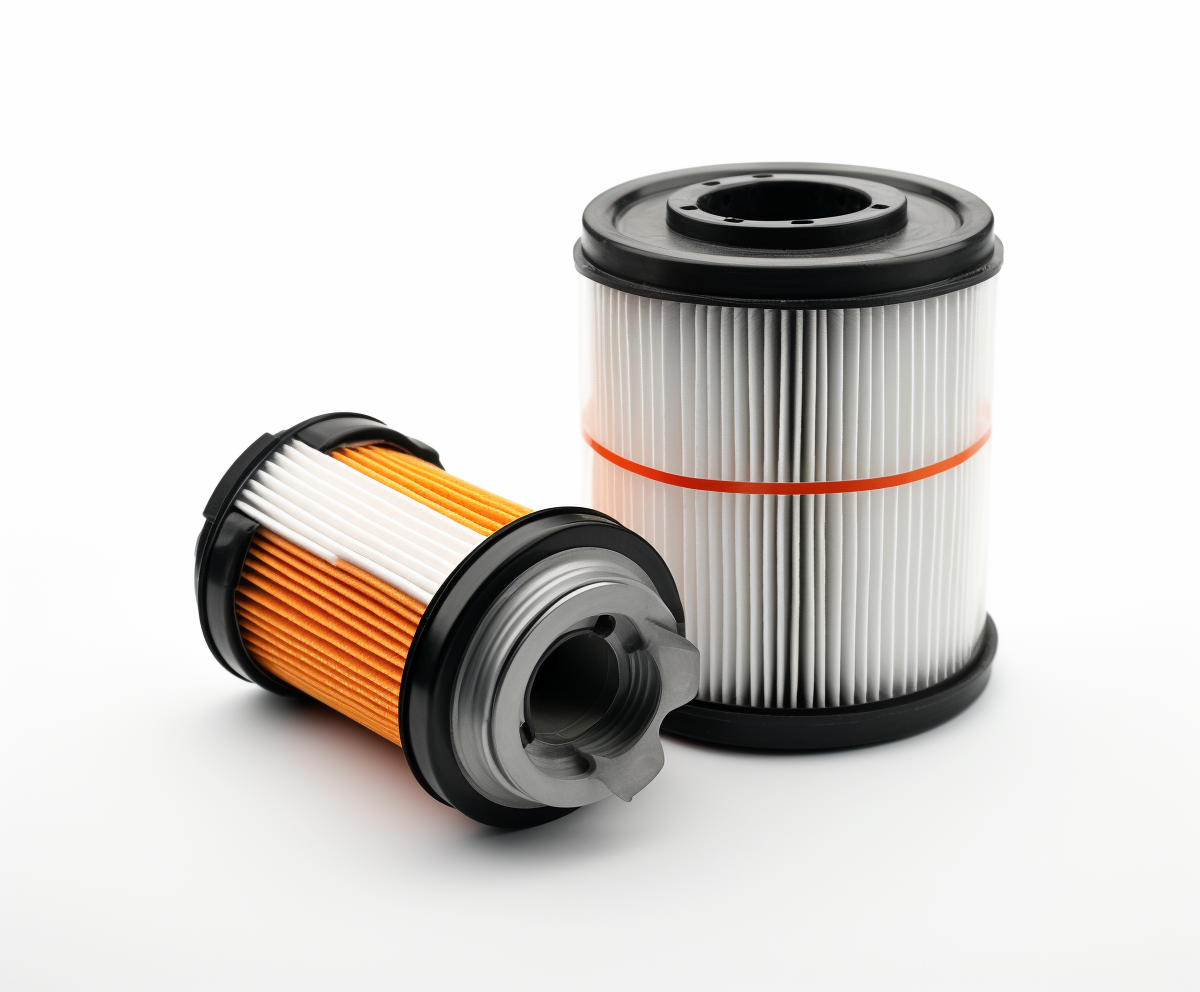

Inquiry
Form loading...
When it comes to the auto industry, you really can't underestimate the importance of quality engine filters. A report from MarketsandMarkets even suggests that the global market for automotive filters is on track to hit a whopping USD 35.5 billion by 2025. That's a clear sign that the demand for efficient filtration solutions is on the rise! Companies like Ningbo Hongzhuo Filter Co., Ltd., which kicked off in 2013 and is based in Ningbo City, Zhejiang Province, are a big part of this trend. They focus on making everything from Air Filters to cabin filters and oil filters. But here's the thing: as the landscape grows, knowing how to handle global import and export certifications is becoming super crucial. Why? Well, being clued up on these certifications not only keeps you in line with international standards but also boosts the credibility and market appeal of engine filters across different regions. So, in this guide, we’ll dive into the various types of engine filters, looking at their traits and uses. We’ll aim to share some valuable insights for manufacturers and distributors aiming for the top in a competitive market.

 You know, when it comes to trading Engine Filters,global import and export certifications are super important. They make sure that products meet all those safety, environmental, and quality standards we hear so much about. But there's more to it—getting certified not only opens up markets for you but also helps build that all-important consumer trust. If manufacturers and exporters really get a grip on the different certifications needed in various areas, it can make their lives a lot easier. You can dodge any potential legal headaches and really up your game on the global stage.
Tip 1: First off, make sure to do your homework on the specific certifications you'll need in your target market. Different countries have their own rules regarding emissions and environmental impacts, so it’s super crucial to stay updated on what the locals are saying.
Tip 2: Try to chat with certification bodies as soon as you kick off the product development. Getting ahead of the curve like this can save you a ton of time and effort. It gives you the chance to really understand what the certification process looks like and weave those requirements into your production right from the start.
In our connected world, businesses that take compliance with global certification standards seriously don’t just protect their bottom line. They’re also playing a role in creating a more sustainable future for the automotive industry. How cool is that?
Maximizing your diesel engine's performance hinges significantly on the quality of its fuel filter, and the 31911-05000-1 fuel filter plays a crucial role in this process. Designed specifically for Hyundai vehicles, this essential component ensures that impurities and contaminants are effectively removed from the fuel before it reaches the engine. Research indicates that using high-quality fuel filters can enhance fuel system efficiency by up to 30%, leading to improved combustion and overall engine performance.
The 31911-05000-1 not only meets stringent industry standards—backed by certifications like ISO 9001:2015 and IATF 16949:2016—but also supports customization for tailored applications. With a minimum order quantity of 500 pieces for neutral packaging and 1000 for customer-branded products, this filter is readily available for businesses looking to secure a reliable supply. Moreover, its standard size and application for Hyundai models make it a versatile choice for automotive professionals seeking to maintain optimal engine health.
Delivery timelines are efficient, with products shipped within 15 to 20 days after deposit, ensuring that vehicle maintenance schedules can be adhered to without delay. Investing in the 31911-05000-1 fuel filter is not merely a matter of compliance; it’s a strategic decision to enhance the performance and longevity of diesel engines.
: They ensure that products meet safety, environmental, and quality standards, enhance market access, and build consumer trust.
Manufacturers should research the varying regulations and guidelines regarding emissions and environmental impact in different countries.
Companies should engage with certification bodies early in the product development process to understand the certification requirements and integrate them into their production lines.
Approximately 65% of consumers prioritize certified products, which enhances market competitiveness for manufacturers who comply with these certifications.
There is an increase in the demand for certified engine filters, projected to grow by 20% by 2025, driven by stricter environmental regulations and advancements in technology.
By streamlining their certification processes and expanding their product range to meet both current and emerging market demands.
Manufacturers contributing to sustainability are likely to position themselves as leaders in the industry, which is increasingly important as environmental awareness grows.
Compliance protects business interests, enhances global competitiveness, and contributes to a sustainable future for the automotive industry.
These regulations increase the importance of certifications and elevate the demand for certified engine filters, particularly in regions like Europe and North America.
Staying informed allows manufacturers to adapt to changes, ensuring compliance and meeting the needs of consumers who prioritize certified products.


