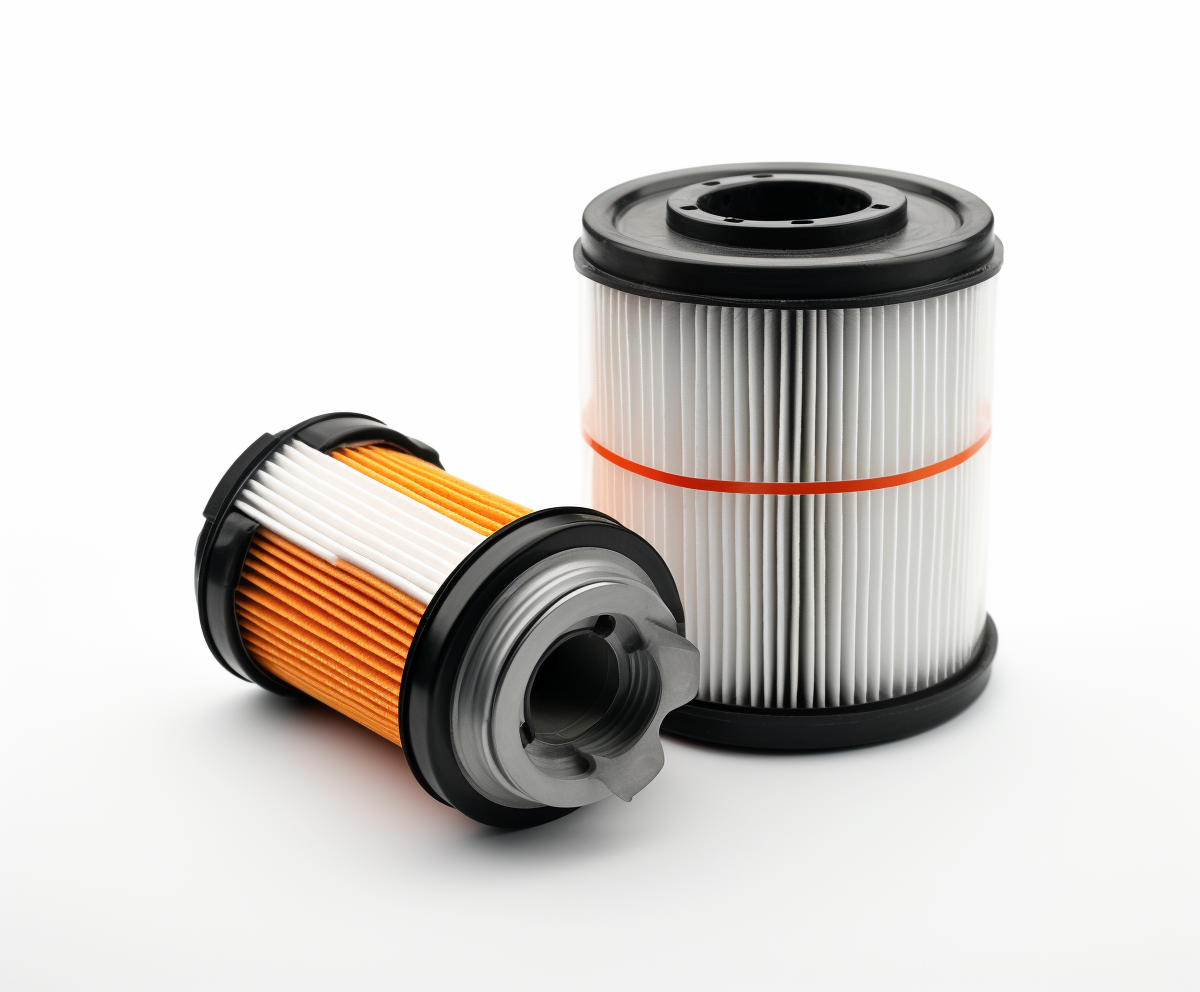
Keeping your truck running smoothly is a big deal, and one of the most important parts to pay attention to is the Truck Diesel Filter. If you forget to change it regularly, your engine might not run as clean or efficiently as it should — and that can lead to issues down the line. Honestly, swapping out that filter on time really helps keep your engine in top shape, saving you money on fuel and extending the life of your truck. Here at Ningbo Hongzhuo Filter Co., Ltd., we totally get how vital high-quality filters are for keeping your vehicle performing its best. We started back in 2013 here in Ningbo City, Zhejiang Province, and since then, we've been focused on making all sorts of Automotive Filters — fromTruck Diesel Filters to air filters, cabin filters, oil filters, and more. By making sure you replace your Truck Diesel Filter regularly, you're not just helping your truck run at its peak — you're also doing your part to keep the environment cleaner by cutting down on harmful emissions. In this guide, I’ll walk you through why it's so important to change your diesel filter often, plus share some simple tips to make the process easier for you.
The Role of Diesel Filters in Truck Performance
You know, when it comes to truck performance, diesel filters play a pretty big role — they really can’t be overlooked. Basically, these filters are super important because they catch all the dirt, water, and other junk from the fuel before it hits the engine. If those nasties aren’t filtered out, they can do some serious damage, like mess up the engine or cause it to run poorly, which could lead to some pricey repairs down the line. So, keeping the fuel clean helps the engine run smooth, giving you better power and saving on fuel costs.
And here’s a thing — changing the diesel filter regularly is key. Over time, filters get clogged with dirt and water, which means less fuel gets through. That can make your engine sluggish, crank out more emissions, or even stall on you. By sticking to the recommended schedule for replacing the filter, you’ll keep your engine running at its best, extend its life, and avoid those nasty surprises on the road. Plus, it just makes driving a lot smoother and keeps your whole truck in better shape overall.
Signs That Indicate It’s Time to Change Your Diesel Filter
Hey, if you want your truck to keep running smoothly, you really gotta stay on top of changing that diesel filter. It’s super important because it keeps the fuel going to your engine nice and clean, without all the gunk and contaminants. Skipping out on this? Not a good idea — it can lead to stuff like lower fuel efficiency, more emissions, and even serious engine problems down the line. Usually, folks recommend swapping out the diesel filter somewhere between every 10,000 to 15,000 miles, but let’s be honest — you should also watch out for signs that say, ‘Hey, maybe I need to do this earlier.’

So, what are those signs? Well, if you notice your truck’s puffing out a lot of black smoke, having a tough time starting, or just feels kinda sluggish — less power or slower acceleration — those are clues you might need a new filter. Sometimes, irregular idling or strange noises coming from the engine can also be signals that it’s time to check the filter. It’s actually becoming more and more important these days to keep your fuel super clean, especially with higher-performance diesel engines being more common. Doing regular checks and changing that filter when needed isn’t just about keeping your engine happy — it also saves you money in the long run by avoiding costly repairs later on.
The Impact of Dirty Diesel Filters on Engine Efficiency
Keeping your diesel filter clean is super important if you want your truck to run smoothly and stay efficient. I read somewhere—thanks to the Diesel Technology Forum—that a clogged fuel filter can slash your fuel economy by as much as 25%. Crazy, right? Basically, when the filter gets dirty with all sorts of contaminants, it slows down the fuel flow. That means your engine has to work harder just to get the same power, which isn’t great. Over time, this extra strain can cause increased fuel consumption and even wear out different engine parts faster than they should. All in all, it can really mess with your truck's performance.
So, to dodge these issues, it’s a good idea to stick to a regular maintenance routine for your diesel filter. Most experts suggest swapping it out every 10,000 to 15,000 miles—but of course, you should also check what your truck’s manual recommends. Using top-notch fuel can also make a big difference since it helps cut down on the impurities that clog up the filter, saving you money and prolonging its lifespan.
Some quick tips:
- Keep an eye on your mileage and don't forget to change the filter at the recommended intervals.
- Consider adding a fuel additive—stuff made to clean your fuel system and help your filter last longer.
- Make it a point to schedule regular inspections so you catch any issues early on. Trust me, it's worth it—to keep your engine running smooth and your truck happy.
Step-by-Step Guide to Changing Your Truck's Diesel Filter
Hey, if you wanna keep your truck running smoothly and make that engine last longer, changing your diesel filter regularly is a must. A clean filter makes sure only pure, fresh fuel gets into the engine—keeping out all those nasty contaminants that can cause trouble down the line. To make things easier for you, we’ve put together a simple, step-by-step guide on how to swap out your truck's diesel filter.
First off, gather everything you'll need: a new diesel filter, a wrench, and a drain pan. Start by checking your truck’s manual to find where the diesel filter is buried—most of the time, it’s near the fuel tank. Once you find it, carefully take out the old filter and let any leftover fuel drain into your pan. Before installing the new one, put a tiny bit of clean diesel on the rubber gasket—that helps it seal better and avoids leaks. Follow the manufacturer’s instructions for fitting the new filter securely. After that, just double-check for leaks and don’t forget to toss the old filter in the right way. Oh, and if you’re looking for top-quality filters, including diesel ones, Ningbo Hongzhuo Filter Co., Ltd. has got you covered to keep your ride in top shape and lasting longer.
Benefits of Regular Diesel Filter Maintenance for Longevity
Keeping up with regular maintenance on your truck’s diesel filter is super important if you want your vehicle to run well and last longer. You know, according to the folks at the American Trucking Associations, a clean fuel filter can actually boost your engine’s performance and save you some fuel—like up to 10%. That’s kind of a big deal, especially for diesel engines, which really need clean fuel to run smoothly. Over time, that filter gets filled with dirt, water, bacteria—you name it—which can cause clogs or restrict fuel flow. And let’s be honest, that’s no good for your truck’s performance.
On top of that, the Diesel Technology Forum points out that ignoring regular filter checks can end up costing you a lot – in repairs or worse, reduced fuel efficiency. Luckily, studies show that trucks with regularly replaced filters tend to break down less and last longer. Usually, folks recommend swapping out your diesel filter every 10,000 to 15,000 miles. But, honestly, it depends on where you’re driving and how good your fuel is. Looking after your diesel filter isn’t just about performance — it also helps your truck stay in better shape over the years, saving you money and headaches down the road.
Understanding Fuel Contaminants and Their Effects on Performance
Fuel contaminants can really mess with your truck’s diesel engine more than you might think. Things like dirt, water, bacteria, and rust can sneak into the fuel system and cause all sorts of headaches. When your fuel gets contaminated, it’s often why your engine struggles with poor combustion or runs less efficiently — and if left unchecked, it could even cause some serious damage over time. If you’re a truck owner, getting to know what these contaminants are and how they affect your engine is pretty important for keeping everything running smoothly.

One easy way to protect your engine is by regularly changing your truck’s diesel filter. Think of it as a barrier that catches dirt and debris before they can do any harm. Doing this simple maintenance step can really save you from costly repairs down the road and keep your truck running like a champ. Ignoring it, on the other hand, could lead to performance dips and, worse, big repair bills. So, staying on top of fuel cleanliness and swapping out that filter as part of your routine maintenance is definitely a smart move for ensuring your truck stays reliable and lasts a good long time.
Top Maintenance Tips for Your Chevrolet Cruze: Enhancing Performance with Auto Car Oil and Fuel Filters
Maintaining the performance of your Chevrolet Cruze is essential not only for longevity but also for optimal driving efficiency. One of the key components directly influencing engine performance is the oil and its filter. Regularly changing the oil filter, specifically the Auto Car Oil Filter (OE NO. 13263262), is recommended to ensure that your Cruze's engine remains clean and operates smoothly. Studies show that a clean oil filter can enhance oil flow, resulting in reduced wear on engine parts and improved fuel efficiency by up to 10%.
When selecting an oil filter, consider the Auto Car Oil Element Filter, designed specifically for the Chevrolet Cruze. It meets stringent quality standards, certified under IOS 9001:2015 and IATF16949:2016. This ensures your engine receives the best possible protection against contaminants that could impair performance. The size is standardized, allowing for easy installation, while the material can be customized to meet specific preferences. Keep in mind that purchasing in bulk can be advantageous; the minimum order quantity for neutral packaging is 200 pieces, and for custom logos or packaging, it's 500 pieces, ensuring you never run out.
In addition to the oil filter, integrating high-quality fuel filters can further enhance your Cruze's performance. According to automotive industry reports, replacing fuel filters regularly can improve fuel efficiency by up to 15%, highlighting the importance of investing in reliable parts that promote engine health and efficiency. For the best results, schedule regular maintenance checks and replacements to keep your Chevrolet Cruze running at its peak performance.
FAQS
: Regularly changing the diesel filter is crucial because it ensures that the fuel reaching your engine is clean and free from contaminants, which helps maintain optimal engine performance, fuel efficiency, and prevents engine damage.
Experts recommend changing the diesel filter every 10,000 to 15,000 miles or according to your truck's manufacturer's recommendations.
Common signs include excessive black smoke from the exhaust, difficulty starting the engine, reduced power and acceleration, irregular idling, and abnormal engine sounds.
Dirty diesel filters can lead to a significant drop in fuel efficiency (up to 25%) by clogging and restricting fuel flow, causing the engine to work harder and increasing fuel consumption over time.
Contaminants may include dirt, water, bacteria, and rust, which can lead to poor combustion, decreased engine efficiency, and potential engine damage.
Regularly changing your diesel filter and using high-quality fuel can help mitigate the risk of fuel contaminants affecting engine function.
Fuel additives can help clean your fuel system and improve the longevity of your diesel filter by reducing the buildup of impurities.
Keeping track of your mileage, adhering to recommended change intervals, using high-quality fuel, and scheduling regular inspections can enhance your diesel filter's lifespan.
Conclusion
Hey, if you're serious about keeping your truck running smoothly, don’t forget about regular maintenance of the diesel filter. It’s a small thing, but it makes a big difference — it helps keep the junk and contaminants out of your fuel system so only clean fuel gets to the engine. You’ll want to watch out for signs like the engine feeling a bit sluggish or strange noises coming from under the hood—those are hints that your filter might be due for a change. When it gets dirty, it can really mess with your fuel efficiency and even cause damage to the engine, which nobody wants.
Now, swapping out your truck’s diesel filter isn’t complicated at all, and doing it regularly can seriously extend your vehicle’s life and keep it running at its best. Keeping a routine to check and change the filter is super important—it stops nasty buildup that could cause bigger problems down the line.
By the way, Ningbo Hongzhuo Filter Co., Ltd. knows their stuff when it comes to automotive filters. They provide high-quality diesel filters made to handle the demands of modern trucks, so you can stay confident that your ride will perform well on the road.

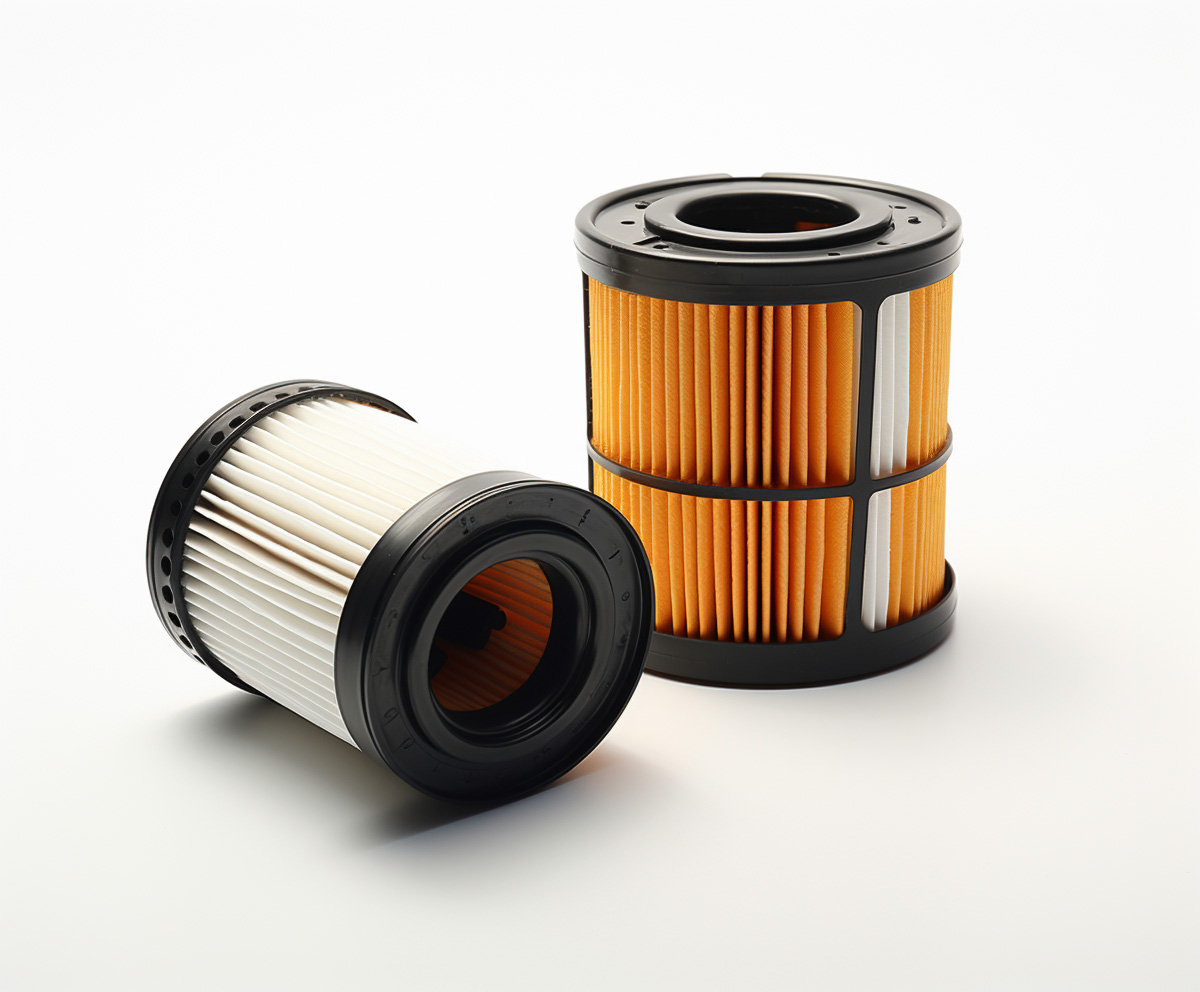 Products
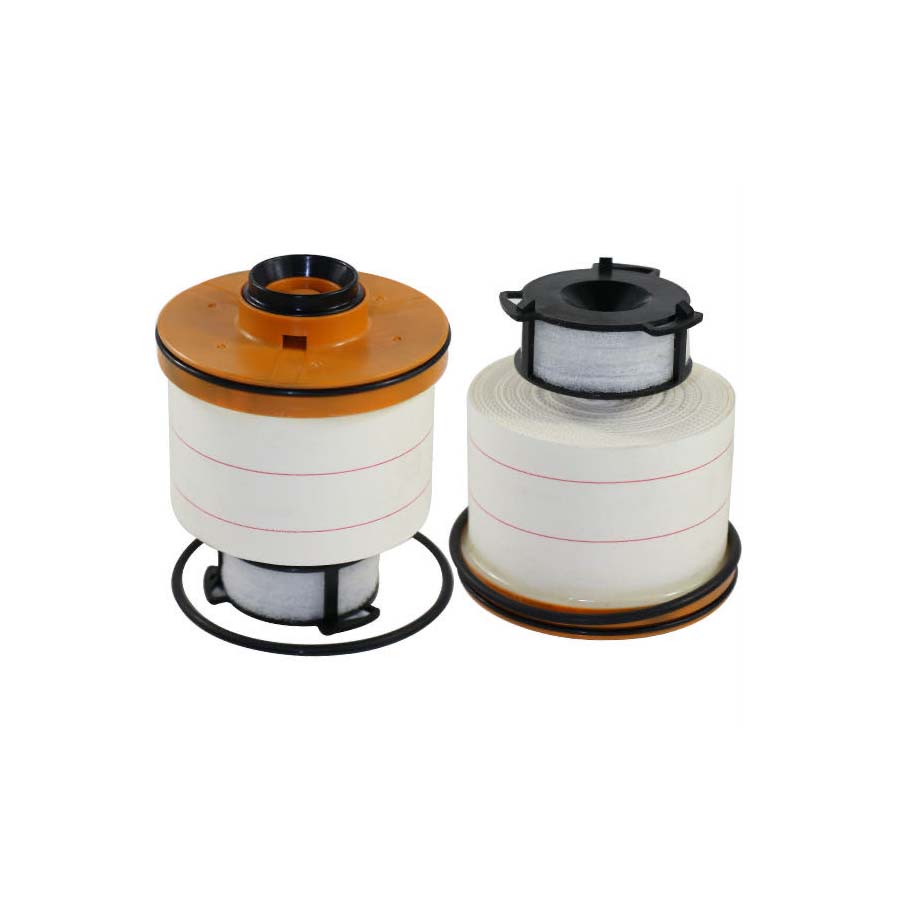 FUEL FILTER
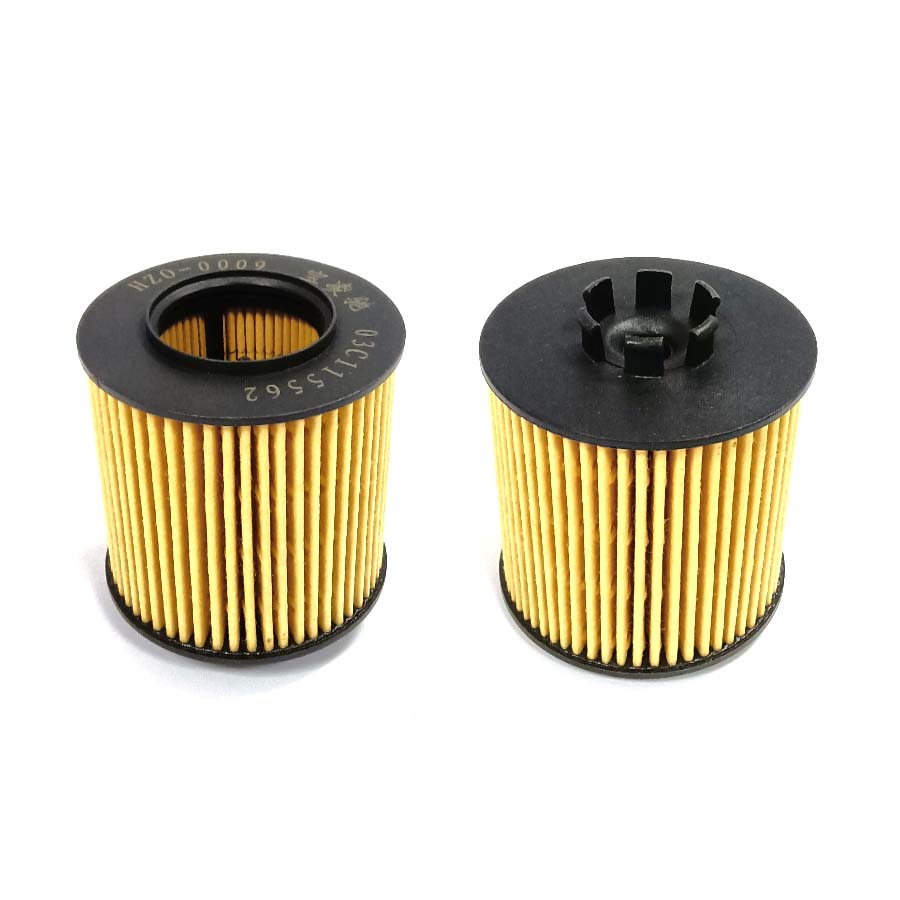 OIL ELEMENT FILTER
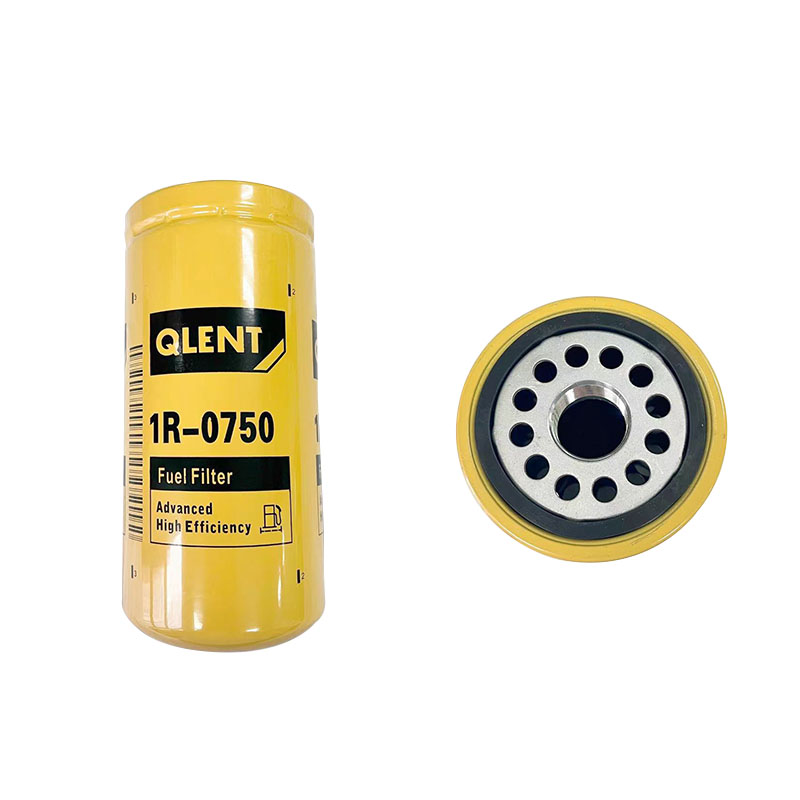 OIL FILTER
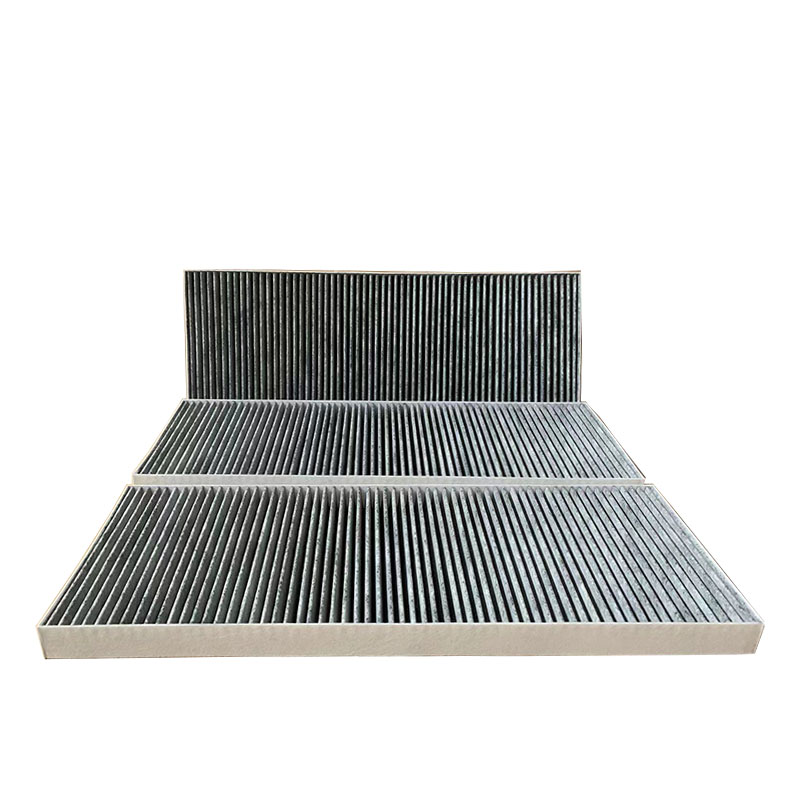 CABIN FILTER
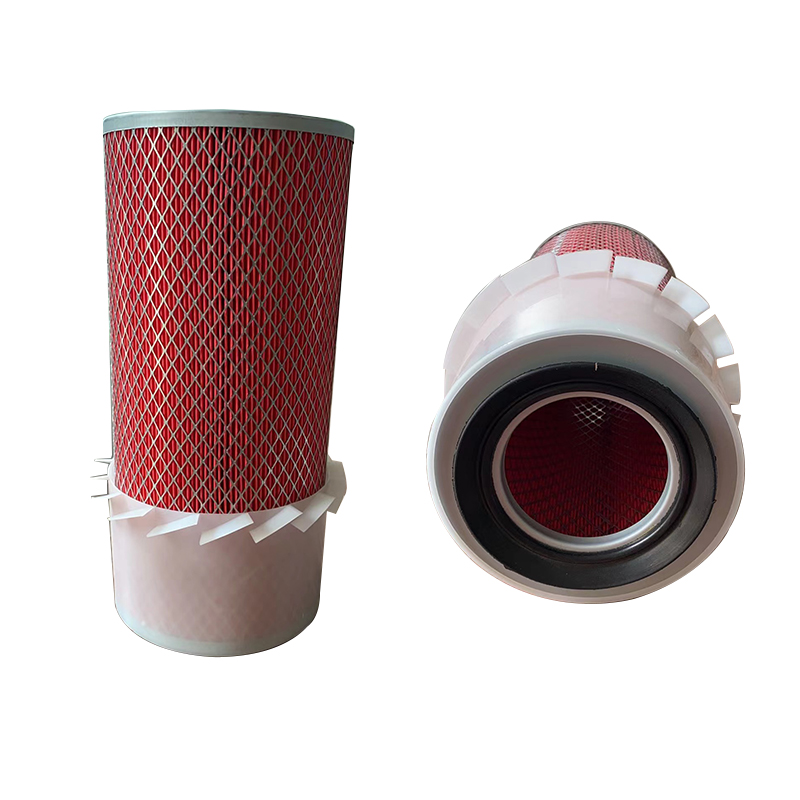 AIR FILTER