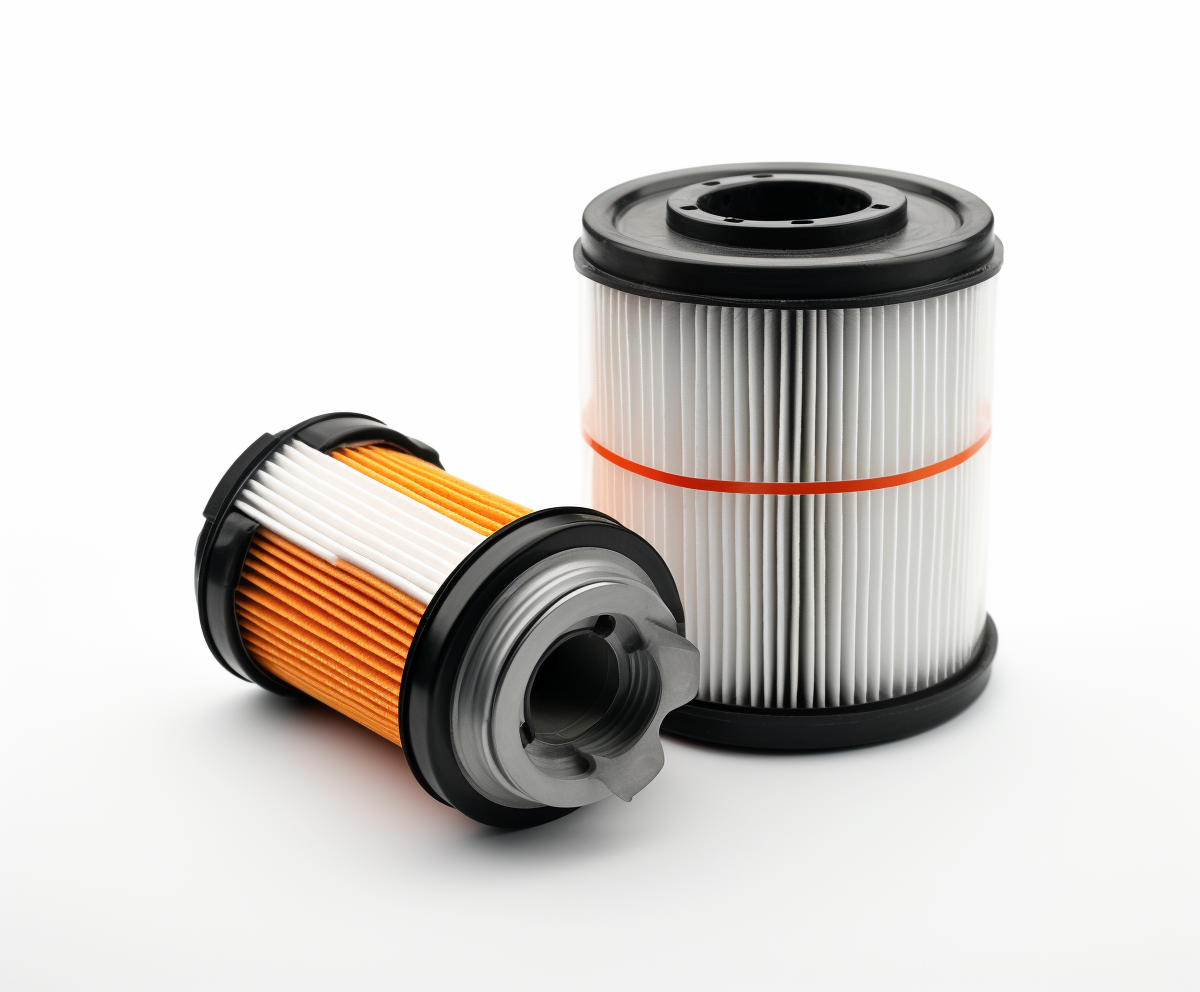
Hey there! Have you noticed how fast the automotive filter industry is growing? It’s pretty impressive, right? The push for spare parts, especially engine filters, is really taking off across different sectors. A recent report from ResearchAndMarkets highlights that the global automotive filter market could hit a whopping $30 billion by 2026! That's mainly because of more cars being produced and tougher emission laws coming into play. Now, in the midst of this exciting growth, there's Ningbo Hongzhuo Filter Co., Ltd. They kicked things off in 2013 and have been making a name for themselves as a go-to manufacturer for all sorts of automotive filters—think Air Filters, cabin filters, oil filters, and those essential air filter elements. With everyone becoming more eco-conscious and focused on performance, our products play a key role in maximizing engine efficiency and longevity. In this blog, we’re going to dive into what makes the best spare parts engine filters stand out and the different ways they can be applied. We’ll also share some great strategies to boost your vehicle's performance while staying on top of industry standards.

Unique Material Innovations in Engine Filters Enhancing Performance and Longevity
You know, Engine Filters have really come a long way, and it's pretty cool to see all the new materials out there that give us better performance and make them last longer. These days, most filters use some advanced synthetic stuff that not only traps more dirt but also lets air flow through more freely. They’re built tough to handle the messy and hot conditions under the hood, which means your engine can keep purring along for longer. By seriously stepping up the filtering game, these innovations help cut down on engine wear and protect against all those nasty contaminants that can cause problems.
When you’re on the hunt for engine filters, it’s super important to think about what your engine really needs. Look for ones that are made to hold more dirt and can stand up to oil breakdown. Oh, and definitely check that the filter meets or even beats OEM specs—that way you know it’ll fit nicely and perform like a champ. If you swap out your engine filter according to what the manufacturer suggests, you could see better fuel efficiency and, hey, even extend the life of your engine.
And don’t forget to keep an eye out for filters with cool designs, like those pleated styles or multi-layer filters. These features can seriously boost the filter's effectiveness, giving your engine cleaner air and really ramping up overall performance. So, investing in some top-notch engine filters could be a total game-changer when it comes to keeping your ride in tip-top shape for the long haul.
Key Technical Specifications for Optimal Filtration Efficiency in Spare Parts Engine Filters
When selecting engine filters for spare parts, understanding their key technical specifications is crucial for optimal filtration efficiency. According to a recent report by MarketsandMarkets, the global automotive filtration market is projected to grow from $30.4 billion in 2021 to $40.1 billion by 2026, reflecting the increasing demand for high-performance filters that can enhance engine durability and efficiency. Engine filters must adhere to specific metrics such as filtration efficiency, dirt holding capacity, and flow rate. A filter that boasts a filtration efficiency of over 99% for particles larger than 10 microns can significantly reduce engine wear and improve performance.

Moreover, the material composition of the filter media plays a pivotal role in its effectiveness. Research indicates that synthetic media can outperform traditional cellulose fibers by providing higher dirt holding capacity while maintaining lower pressure drop levels. This is essential for engines that operate under various conditions where debris and contaminants fluctuate, possibly causing performance degradation. The shift towards more advanced materials is evident, with a report from Grand View Research noting that demand for synthetic engine filters is expected to grow at a CAGR of 5.6% from 2022 to 2030, highlighting its importance in the global market for spare parts solutions.
Comparative Analysis of OEM vs. Aftermarket Engine Filters: Performance Metrics and Cost
Choosing between OEM and aftermarket engine filters? Yeah, that’s a pretty big deal for buyers all over the globe, especially when it comes to performance and cost. OEM filters are like the gold standard—they’re made specifically for each manufacturer’s vehicles, so they fit perfectly and usually keep your warranty safe. But, fair warning, they can hit your wallet pretty hard. On the flip side, aftermarket filters are like a solid contender in the ring; they tend to be cheaper while still getting the job done just fine. Just remember to really dig into the specs and check out some reviews to make sure they’ll work well for your ride without cutting corners on quality.
Here are some tips for picking the right engine filter: First off, check the filter’s efficiency rating. This tells you how good it is at catching those pesky contaminants. It’s also smart to look for filters that strike a nice balance between effective filtration and decent airflow—it’s all about keeping your engine running smoothly. And don’t forget about longevity! Sometimes, shelling out a little more upfront can save you a bunch in the long run since you won’t have to replace it as often.
Getting to know what your vehicle really needs will help you make better choices when shopping around. Always double-check compatibility with your model and, if you're feeling unsure, it never hurts to ask a pro. This way, whether you go with OEM or aftermarket, you’ll be set for optimal engine performance and a longer life for your car.
Understanding Flow Rates and Pressure Differentials in Engine Filter Design
 Alright, so when you’re picking out engine filters, it’s super important to get a good grip on flow rates and pressure differentials if you want your engine to really perform at its best. Flow rate is basically a measure of how much fluid goes through the filter in a set amount of time, and yeah, it makes a big difference to how efficiently your engine runs. The perfect filter needs to strike a good balance—letting enough fluid through so your engine keeps chugging along smoothly, while also doing a solid job of catching all those nasty contaminants. Quality spare parts for engine filters are crafted with those flow rates in mind, so they can handle the needs of different engine types and situations.
Now, let’s talk about pressure differential. That’s just the difference in pressure between the filter's inlet and outlet sides. It’s a handy little indicator of how well your filter is holding up; as more grime builds up, that pressure differential goes up too, which means it might be time for a change. Keeping an eye on how those pressure differentials shift over time can really help buyers pick the right filter—one that not only boosts the lifespan of the engine but also keeps fuel efficiency in check.
So, when you're weighing your engine filter options, definitely look for ones that manage to keep that flow optimal while handling those pressure differentials like a champ. You want your engine running like a dream!
Global Market Trends and Regulatory Compliance Impacting Spare Parts Engine Filters
You know, the global market for spare parts engine filters is really going through some big changes these days. With all the buzz around environmental issues, manufacturers are being pushed to develop filters that not only work well but also stick to the rules about cutting down emissions. Because of this, we're seeing some cool new filtration tech that's all about being more efficient and eco-friendly. It's pretty clear that buyers are on the lookout for products that fit these new standards, which means suppliers really need to stay in the loop and adjust their game accordingly.
Another thing that’s popping up in the market is this rising demand for high-quality, durable engine filters. Consumers these days definitely seem to be putting a premium on longevity and reliability when they make their choices. Plus, with e-commerce taking off, buyers from all over the globe can now access a broader range of products and technologies from different suppliers. This shift puts a spotlight on being transparent about compliance certifications and quality assurance processes. So, for anyone involved in the spare parts engine filter industry, staying on top of these trends and understanding the regulatory landscape is super important if they want to keep their competitive edge in this fast-changing market.
Global Spare Parts Engine Filters Market Trends
Real-World Applications: How Quality Engine Filters Improve Engine Lifespan and Efficiency
You know, quality engine filters are super important for keeping your engine running smoothly and lasting longer. They do this by cleaning out all those nasty contaminants from the engine oil, the air intake, and the fuel. That way, your engine stays protected from all that wear and tear. If you make it a habit to change your engine filters regularly, you could save yourself from some expensive repairs down the road. Seriously, it’s one of those must-do maintenance tasks every vehicle owner should keep in mind.
When you’re picking out engine filters, try to go for ones that meet or even beat the OEM standards. It’s worth the effort! Look for filters with advanced filtration technology because they can catch those tiny particles that the regular ones might let slip through. And don’t forget to check that they’re compatible with your specific vehicle model—this will totally help with performance and durability.
Tips: Always stick to the manufacturer’s recommendations for when to replace those filters to keep your engine in prime condition. It’s a good idea to take a peek at them during your regular maintenance checks to nip any potential problems in the bud. And if you often find yourself driving in tough conditions or keeping up with a fast-paced lifestyle, you might want to think about using synthetic or high-performance filters for some extra protection.
FAQS
: Modern engine filters are made with advanced synthetic materials that enhance filtration capabilities and airflow, improving overall engine performance and longevity while minimizing wear and damage from contaminants.
Consider the specific needs of your engine, check that the filter improves dirt holding capacity and resists oil breakdown, and ensure it meets or exceeds OEM specifications for compatibility and performance.
Regularly replacing your engine filter according to manufacturer recommendations can lead to improved fuel efficiency and a longer lifespan for your engine.
Look for filters with pleated configurations or multi-layered filtration systems, as these can significantly enhance the filter's effectiveness by providing cleaner air for your engine.
OEM filters are specifically designed for manufacturers' vehicles, ensuring compatibility and often maintaining warranty validity, but they can be more expensive. Aftermarket filters provide a cost-effective alternative while still delivering satisfactory performance.
Check the filter's efficiency rating, which indicates its ability to trap contaminants, and look for a filter that balances filtration effectiveness and airflow to maintain optimal engine performance.
A higher initial investment in quality engine filters may lead to savings in the long run through less frequent replacements and improved engine care.
Always verify the filter's compatibility with your specific vehicle model and consult with professionals if you are uncertain about the right choice.
Aftermarket filters can provide satisfactory performance at a lower cost, but it's important to carefully evaluate their specifications and reviews to ensure quality.
Understanding your vehicle's requirements, selecting the right filters, and adhering to regular maintenance schedules will help maintain optimal engine performance and longevity.

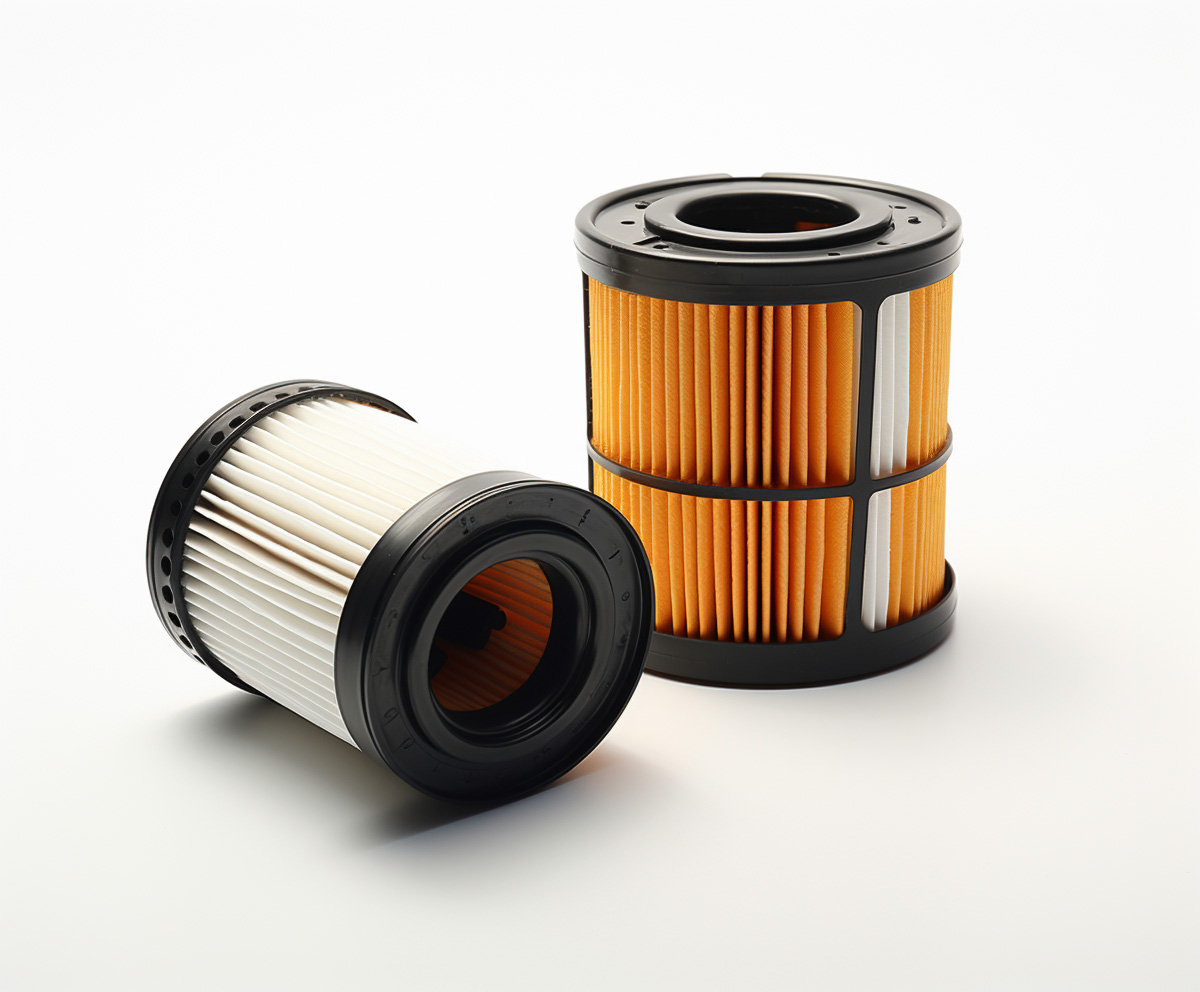 Products
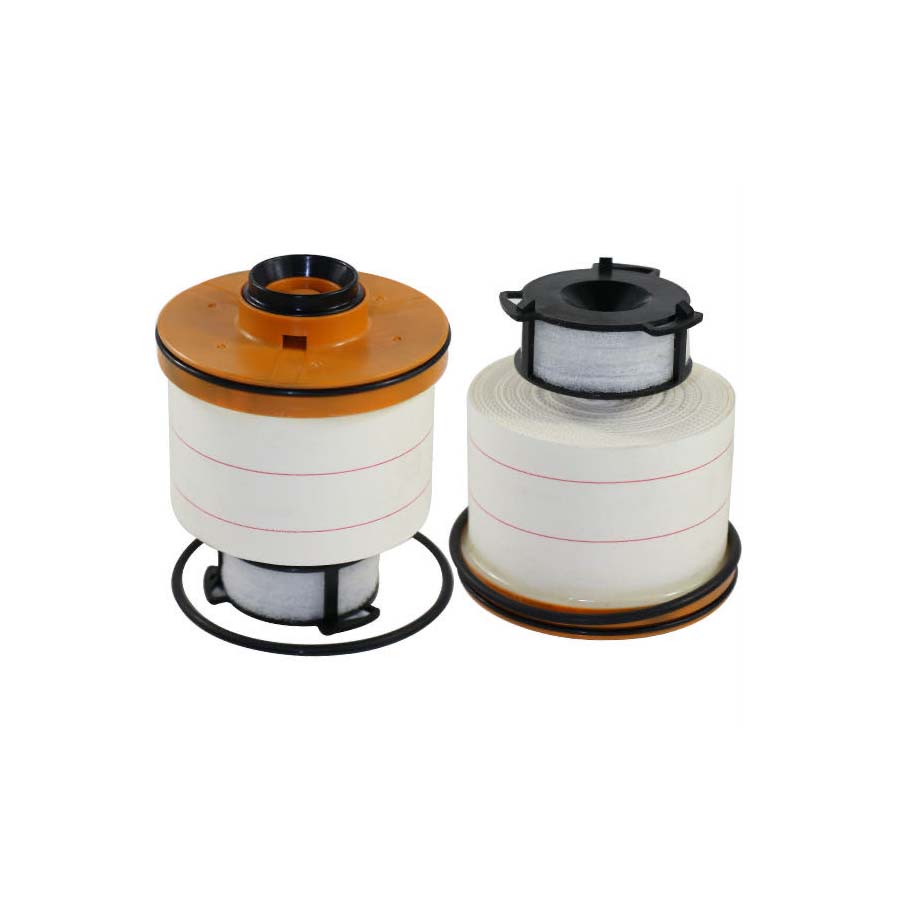 FUEL FILTER
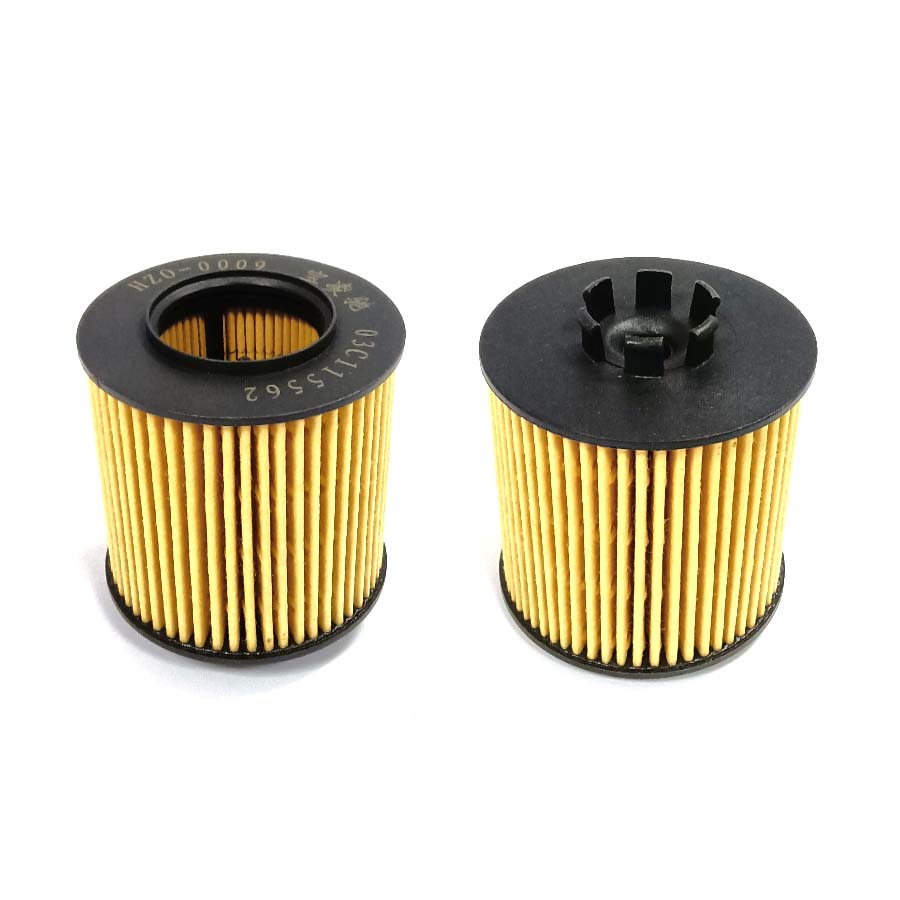 OIL ELEMENT FILTER
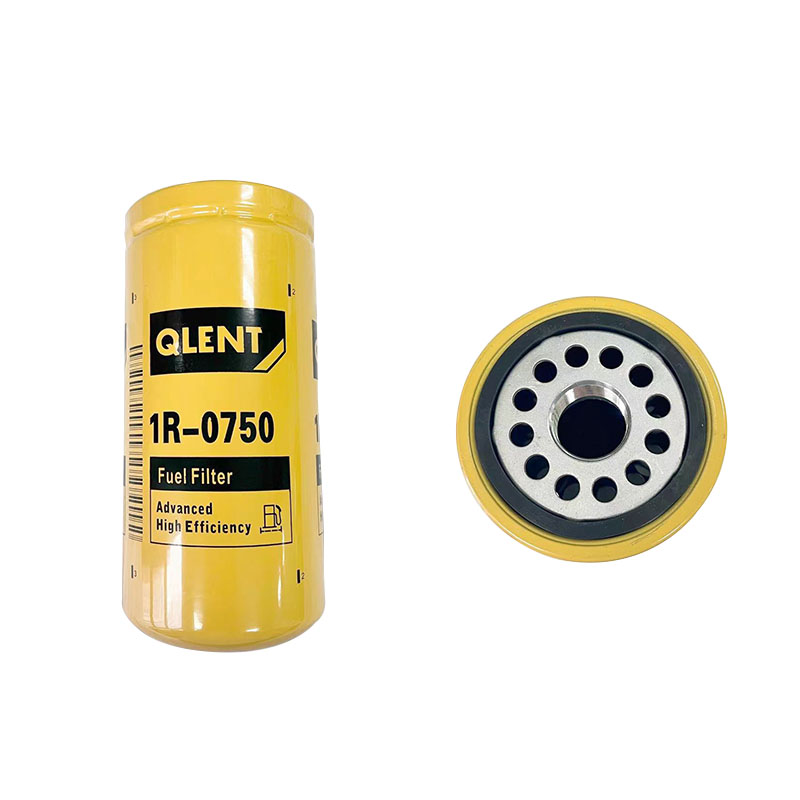 OIL FILTER
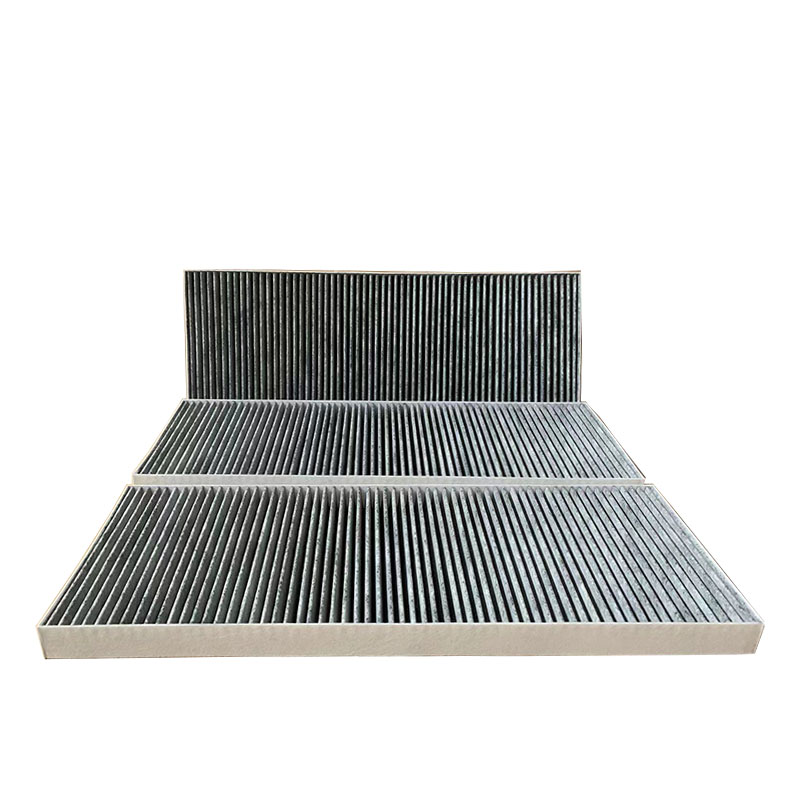 CABIN FILTER
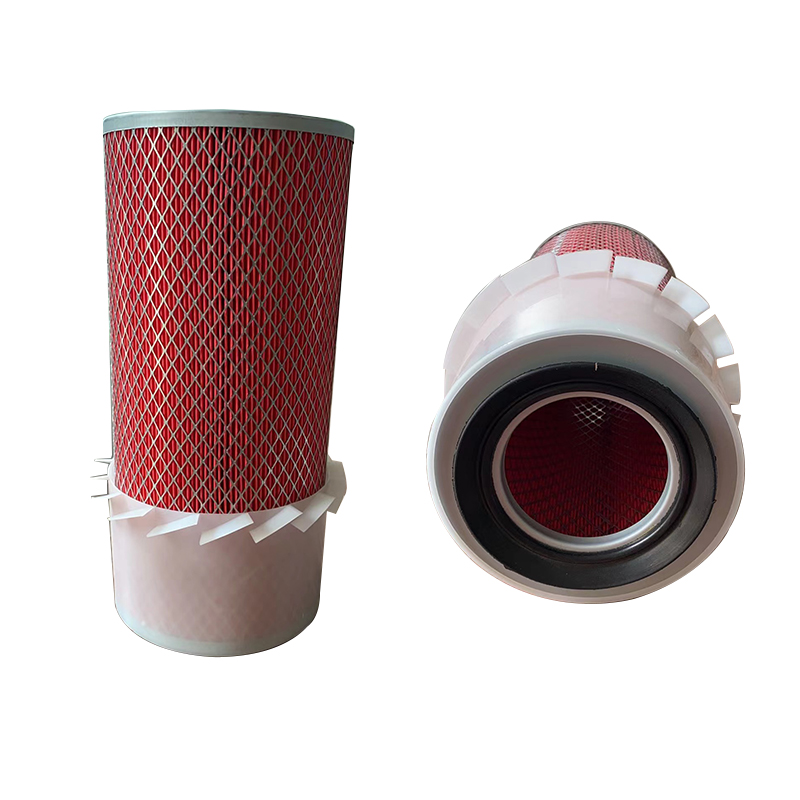 AIR FILTER