
 Products
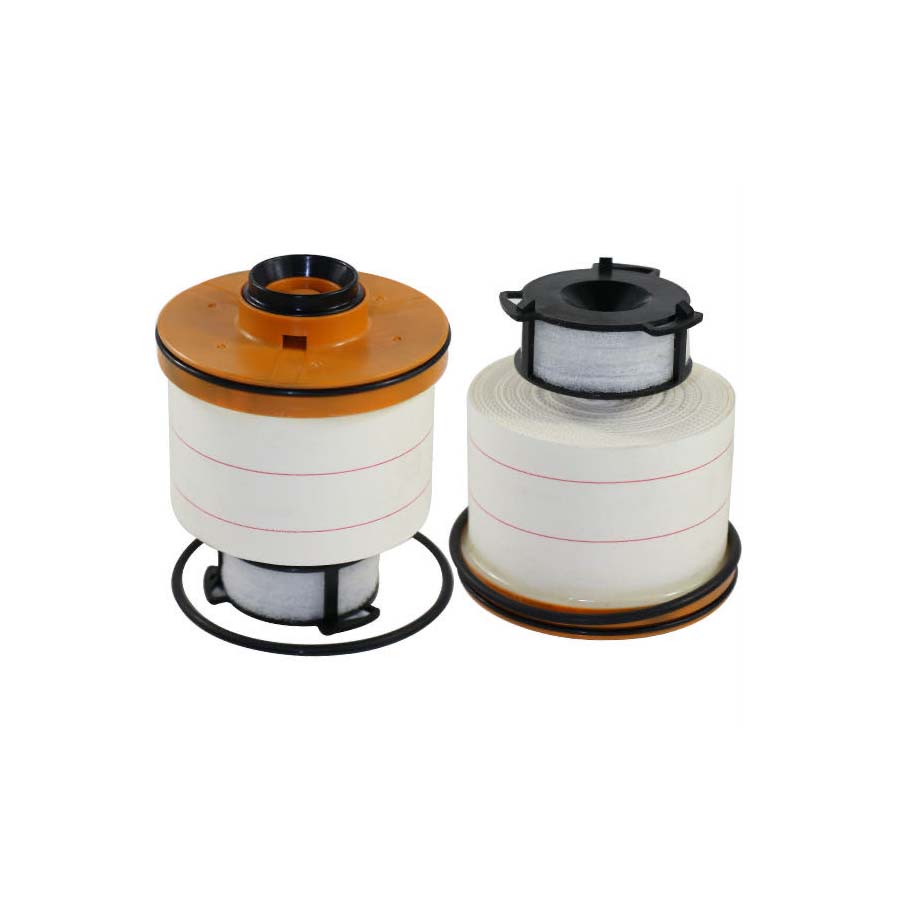 FUEL FILTER
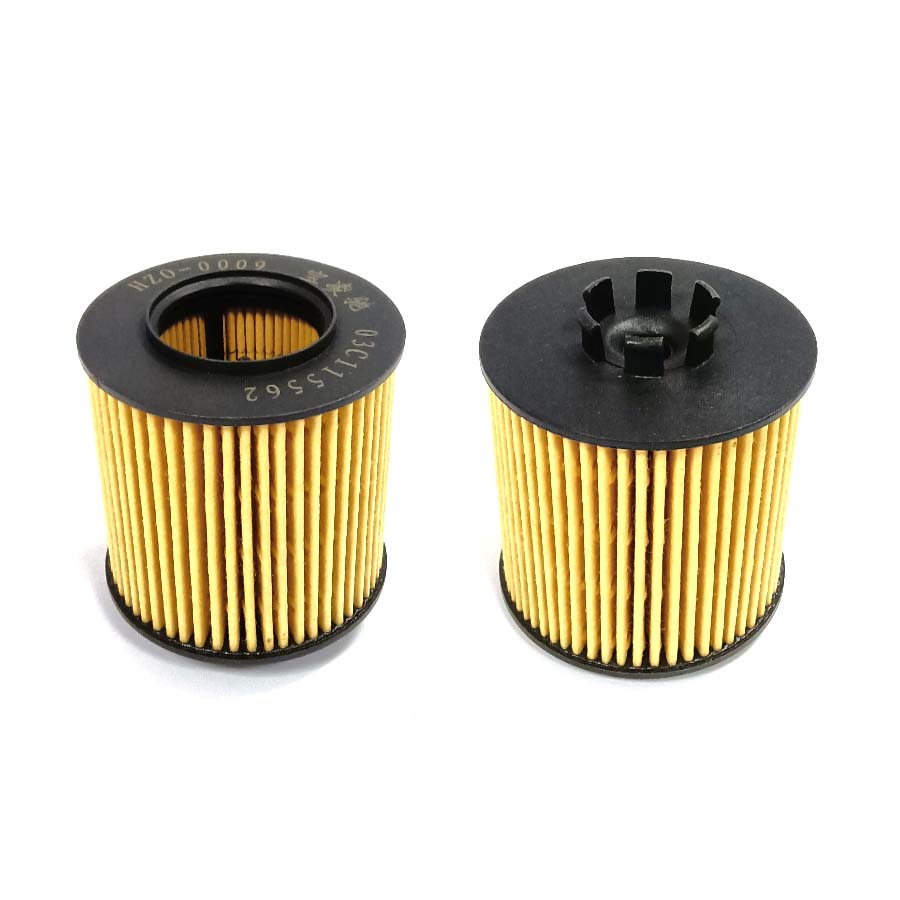 OIL ELEMENT FILTER
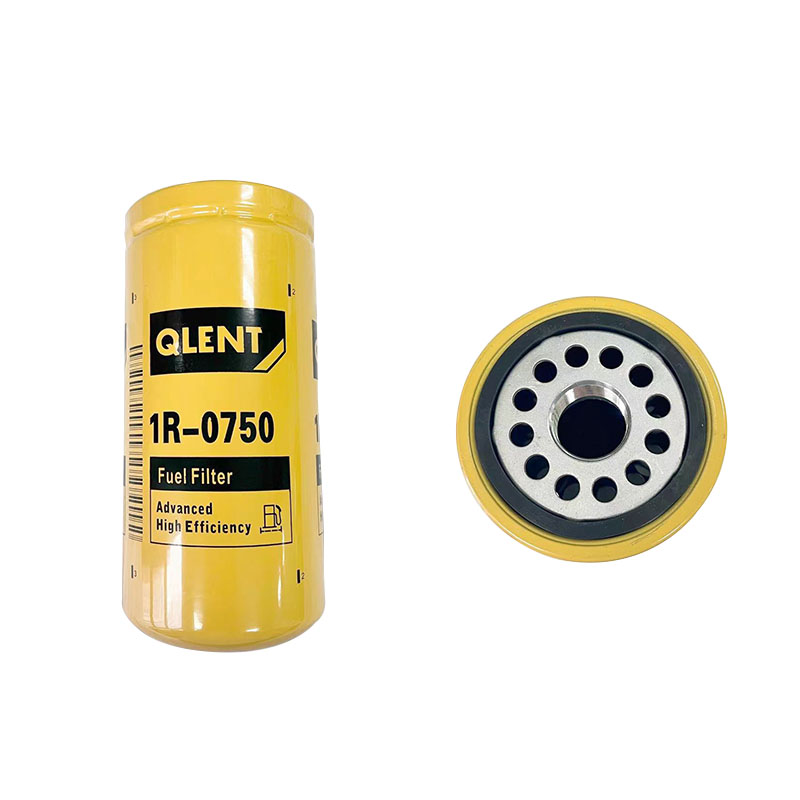 OIL FILTER
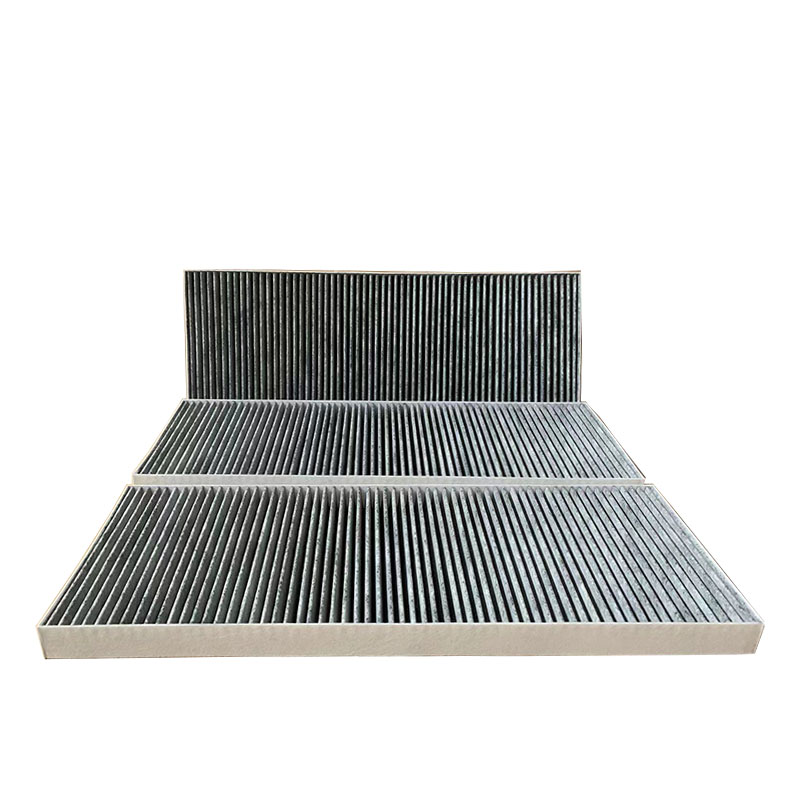 CABIN FILTER
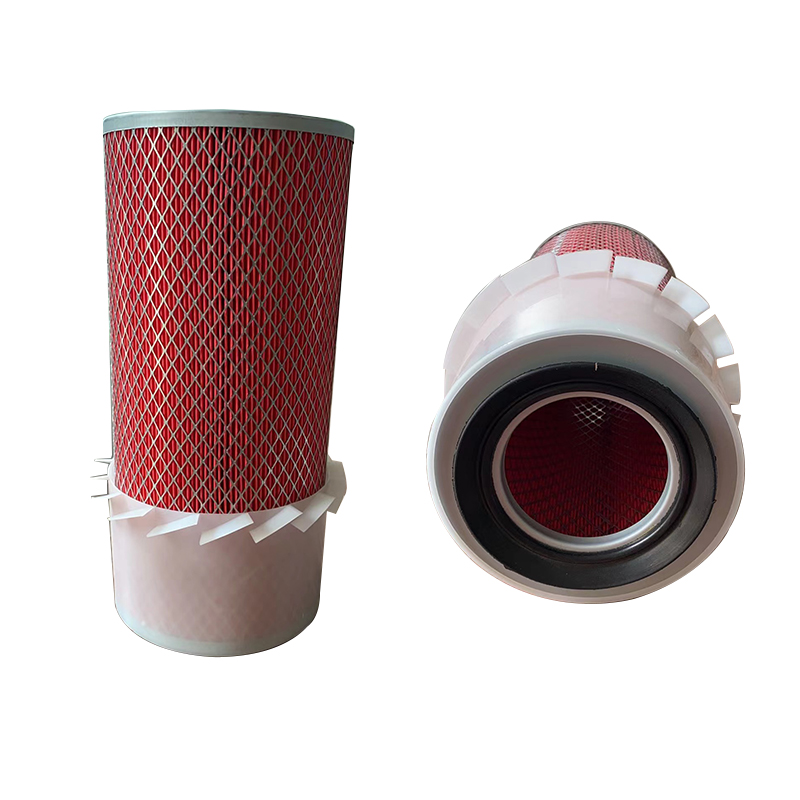 AIR FILTER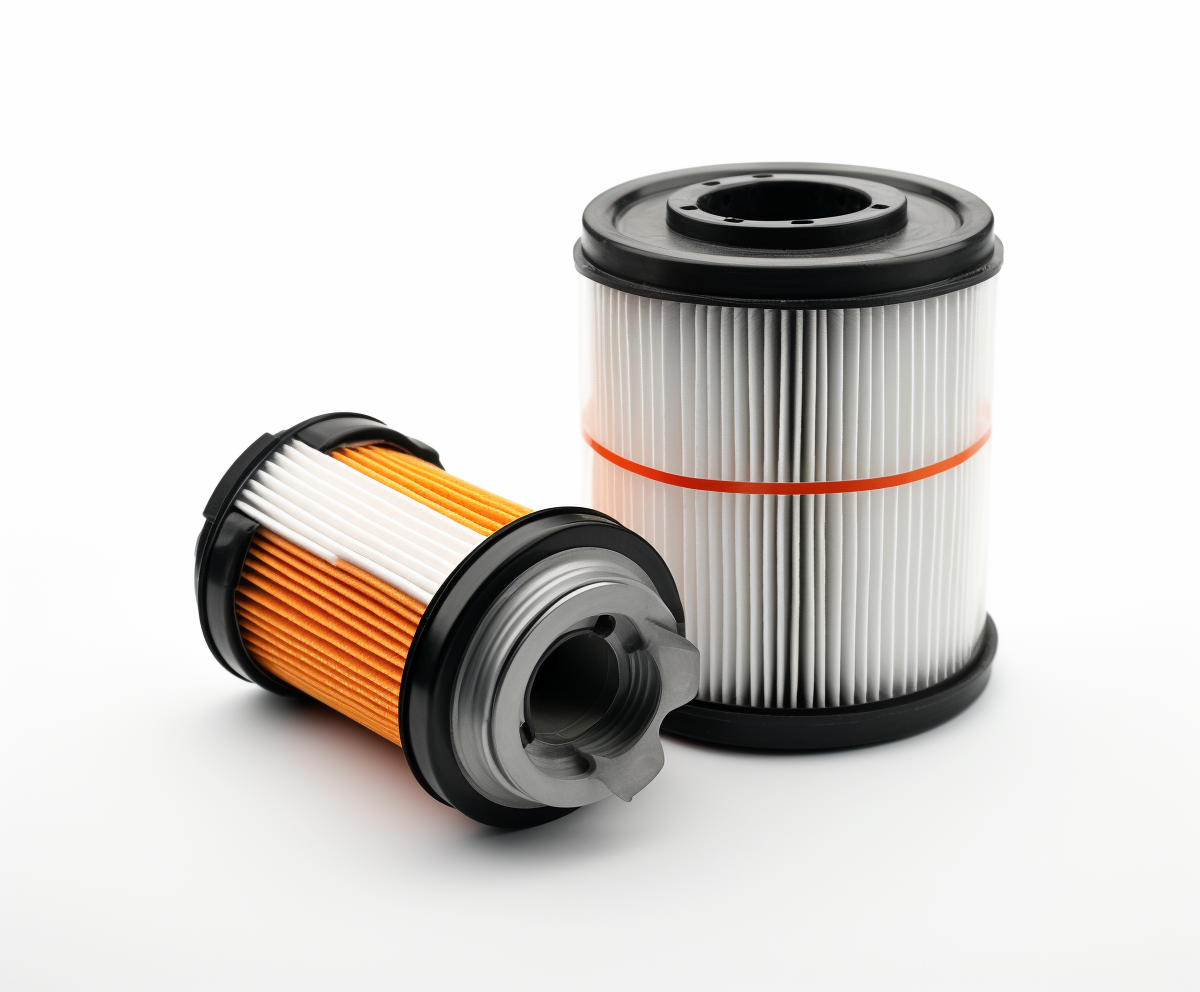

Inquiry
Form loading...
Shirking through the import and export certifications is a huge task for many companies in the automotive filters industry. As the flow of international trade burgeons, compliance with plethora of regulations is needed by companies to thrive in international markets. At Ningbo Hongzhuo Filter Co., Ltd., we understand the important role certifications play in the success of our automotive filters. Founded in 2013, our company specializes in the manufacture of a full gamut of auto filters, among them Air Filters, cabin filters, oil filters, and others. This blog intends to furnish all the pertinent information about import and export certification to enable businesses to better their reach and efficiency.
In this article, there will be descriptions of the Auto Filter certifications, their procedures of obtaining them, and best practices for maintaining compliance with them. Armed with that knowledge, whether a seasoned exporter or a fresh face in the automotive filter industry, your understanding of these certifications will go a long way in getting your goods conforming to international standards. Focusing on quality and reliability, Ningbo Hongzhuo Filter Co., Ltd. helps ventures as they pursue global attainment. In this article, we present some relevant matters concerning certification that can facilitate international trade toward the successful marketing of automotive filters.

The complex maze of import and export certifications for auto filters is important for manufacturers and suppliers who wish to be successful in the international market. Changes affecting the global trade environment, especially with respect to recent regulations and compliance standards, have made it important for manufacturers and suppliers to study various import and export certifications. The certifications serve the dual purpose of ensuring quality and upholding a country's image in world affairs. On the other hand, with increasing visibility on product quality and compliance at international levels-a development that has seen certain companies suspended for exports on grounds of quality-this provides further reason for auto filter producers to establish an international standard. These include the Product Certificate of Conformity (PCoC) for products manufactured by government-private firms and the Shipment Certificate of Conformity (SCoC) in view of trade with Saudi Arabia starting in 2025, which underscores global expectation for compliance to keep a favorable national image. In addition, there are some pointers that customs certificated such as the Authorized Economic Operator (AEO) status are gaining recognition for organizations as a means of establishing credibility and facilitating their access to export markets. Organizations that become certified under these schemes can expect to enjoy faster clearance and other benefits offered by customs authorities, thereby strengthening their capacity to engage in international trade. It is evident that keeping abreast of the latest certification requirements and changes in compliance standards would not only be advantageous but is essential for businesses aspiring to success in the highly competitive world of automotive exports.

With the importation of auto filters, it is essential to understand the types of certifications that would be required for compliance and access to markets. The automotive sector is one of the most regulated, and the quality of components like filters is critical to vehicle performance and emissions control. An International Trade Administration recent report states that approximately 15 percent of auto parts imports into the United States requite specific certifications to apply, both nationwide and statewide.
A major certification for auto filters is the ISO 9001, which denotes that the manufacturer is abiding by quality management principles. This certification, therefore, enhances consumer confidence and serves harmonization purposes with international standards which facilitate trade. The Society of Automotive Engineers (SAE)-based criterion might also become a requirement according to the region. For example, filters are often required to comply with SAE J726, in which case they must efficiently gather particles and prolong engine life.
Moreover, chemical substances used in the components of products manufactured in products are registered under the regulation of REACH (Registration, Evaluation, Authorisation and Restriction of Chemicals) in different markets in the EU. A study investigating the effects of REACH on auto parts imported noted that companies that did not comply could witness up to a 30% rise in import costs due to delays and rejections. The understanding of these certifications and their implications is the key to a successful entry into the highly competitive automotive market.

Until October 2023, your training was on data.
The landscape in auto filter certifications has many obfuscations of navigation. Knowledge of the pivotal regulatory bodies is vital in these processes. These organizations form a pivot in the establishment and enforcement of standards that guarantee safety, quality, and environmental compliance for automotive components, including filters. Amongst the regulatory agencies, the Environmental Protection Agency (EPA) and the National Highway Traffic Safety Administration (NHTSA) take preeminence in the USA. The EPA regulates the emissions standards while the NHTSA under support of rule 49 of USA regulates the automotive safety standards. Together, the two agencies collaborate on auto filters to see that certain criteria are met to ensure that consumers and the environment are protected.
Apart from national entities, there are international regulatory bodies, such as the International Organization for Standardization (ISO), which set the global standards. ISO standards provide a link to manufacturers in ensuring that their products fulfill the expectations of safety and efficiency in different markets, thus facilitating international trade. Added to these are regulatory agencies in their own countries that impose additional requirements; this makes it paramount for importers and exporters to stay alert to the different certifications. This enables businesses to appreciate that confirmatory alliances ease the road toward getting their auto filters in demand, if not: in the regulatory framework.

In order to remain on top of the entire process entailed in getting the import certification for auto filters, it can require being very organized. The first step is to know what your country’s customs and import authorities are going to require. You must classify the auto filters, and this will depend on their principle of operation and design. The classification relates to Harmonized System (HS) codes and these codes will be your lifeline throughout the certification process.
After having finalized the classifications that one might consider, the next step is to prepare all the necessary documentation. These would typically consist of product specifications, details about manufacturing, and safety compliance certificates. Double-checking to make sure that all documents are correct and complete is crucial because delays can arise if they are not. Speaking with a trade law consultant or legal advisor at this point will provide you with insight regarding adventitious trade laws that might be intertwined with the process.
When the necessary documents are on hand, they can now be presented as applications. Concerning the jurisdiction, one must apply at the proper government department (Department of Commerce or other suitable regulatory bodies). This stage cannot ignore following local and international standards, including ISO certification or EPA regulation on environmental compliancy. One can then streamline the certification process and importation of auto filters through constant follow-up regarding the application's status and readiness for responding to inquiries requiring clarifications.
It is certainly a daunting task for manufacturers of auto filters to dodge the pitfalls of export certification, but if one knows the particular steps that must be taken, it will smoothen things significantly. The most important of such steps is to familiarize oneself with the regulations and requirements of the target countries. Each one has its own different set of standards, which could include safety, environment, and quality control measures. A thorough search is very necessary to avoid pitfalls that may result in delays or extra costs.
After manufacturers are duly informed of the terrain of regulation, they are expected to summon and develop paperwork and documentation required. Most typical of these would comprise product specifications, safety data sheets, and compliance certificates. A local expert or consultant can help to furnish invaluable feedback, making sure that all documents are completed correctly. More importantly, establishing a good rapport with the concerned authorities in both exporting and importing nations reduces misunderstandings and resultant delays in communication and approvals.
Last but not least, compliance needs to be ongoing. After obtaining the certification, manufacturers should implement a well-organized quality control system to ensure that each export meets the appropriate quality standard. Routine audits and further updating of certifications based on changing regulations will not only assure compliance but also prove trustworthy with international partners and potential buyers. These initial steps will ensure success for auto filter manufacturers in export certification matters and enable them to scale the heights of the international market.
Import-export certifications for auto filters become specific hurdles to many companies that want to operate globally. It typically challenges companies to overcome one of the regulatory challenges. In a report by the International Trade Administration, nearly 36% of firms see compliance with foreign regulations as the key obstacle to penetrating new markets. Therefore, companies should be vigilant and adaptable in following the fast-changing terrain. Often, this would require hiring compliance specialists who interpret complex certification requirements.
Another major obstacle is documentation. Import and export of auto filters require a number of certifications like environment compliance (like ISO 14001). A report from the World Bank states that these inefficient bureaucracies can lead to delays from which some companies wait up to 60 days for clearance. This affects cash flow but can jeopardize client relationships and contracts.
Language barriers and cultural misunderstanding exacerbate the problem of negotiation and communication with foreign authorities. According to the Global Supply Chain Report, around 58% of businesses report mismatches in discussions because of language disparities, and down the line this leads to misinterpretation of legal requirements. These companies need to invest in training and other resources for better communication and understanding in such cross-boundary cases; as a result, certification processes will be smoother, thus enhancing total efficiency in import and export business.
It requires a thorough understanding of international compliance standards to navigate the complexities of importing and exporting certifications for auto filters. With globalization, compliance with the different certification standards becomes critical for successful international trade. Recent developments like the ISO/IEC 5230:2020 OpenChain Specification are, by their nature, a very important guideline for organizations assessing open-source compliance and all licensing requirements. The standard defines best practices that may aid in the certification process, particularly in the automotive parts sector.
Moreover, initiatives such as an integrated foreign and domestic trade certification service to be held in Shenzhen in 2025 highlight the significance of collaboration in compliance. Such experiences however become very relevant for companies trying to unravel the maze of regulatory requirements and to ensure that their offerings are able to pass the more restrictive thresholds afforded by international authorities. Companies are also pressured to keep pace with developments in global privacy standards launched recently, the Global Cross-Border Privacy Rules (CBPR) being the current one, asserting compliance management to be an area requiring decisive action.
With the landscape of trade compliance taking yet another turn, staying informed about developments in certification criteria and best practices is essential for organizations. Well-established compliance management systems such as the ISO 37301 certification awarded to deserving corporates enhance the credibility of any business in the marketplace. Companies can offer an extra armor to their commitment to international standards through the combination of these measures, ensuring their products meet the highest quality standards while also appealing to consumers with a high regard for compliance and accountability.
Import and export certifications on auto filters can be really complicated, but keeping current with certification requirements is important in an industry such as this one. A recent report by the International Trade Administration stated that changes in regulations can cause disruptions to as much as 30 percent of the automotive components supply chain. Hence, one must be able to strongly rely on any resources and tools.
Another great way to learn more about certification requirements is to get involved with industry organizations and associations. Among others, the Society of Automotive Engineers (SAE) offers great resources through its webinars and workshops relevant to regulatory changes. Other associations like the Automotive Aftermarket Suppliers Association (AASA) provide newsletters that combine essential updates and analysis of certification trends within the industry. Such resources can be of great help to manufacturers in anticipating changes and adapting their processes.
Moreover, e-tools such as compliance management software can help simplify the tracking of certification requirements. The report by Frost & Sullivan claims that organizations using this software experienced a 25% increase in efficiency in their compliance management efforts. By automating notifications and keeping a centralized certification database, the technology allows companies to mitigate the risk of non-compliance and gain a competitive position in the ever-dynamic automotive market. Thus, companies should embrace technology and enhance their use of industry resources to reengineer how manufacturers navigate the complexity of import and export certifications.
Certifications are crucial for compliance and market access in the heavily regulated automotive industry, particularly for ensuring quality and vehicle performance.
ISO 9001 indicates that a manufacturer adheres to quality management principles, enhancing consumer confidence and facilitating smoother international trade.
Yes, many auto filters must comply with standards set by the Society of Automotive Engineers (SAE), such as the SAE J726 standard for air filters.
REACH requires manufacturers in the EU to register chemical substances used in product components; non-compliance can lead to significant import fees and delays.
Companies should establish a robust compliance management system, stay informed about evolving standards, and integrate best practices outlined by guidelines like ISO/IEC 5230:2020.
CBPR emphasizes the necessity for businesses to have a proactive approach to manage compliance with evolving global privacy standards.
Companies without the necessary certifications may face increased import fees, delays, and even rejection of their products.
The integrated foreign and domestic trade certification service scheduled for 2025 in Shenzhen will help companies navigate regulatory complexities more effectively.
Achieving certifications like ISO 37301 can signal a company’s commitment to compliance and accountability, boosting its credibility with consumers.
The landscape of trade compliance is continually evolving, making it vital for companies to stay updated to ensure their offerings meet international standards.


