
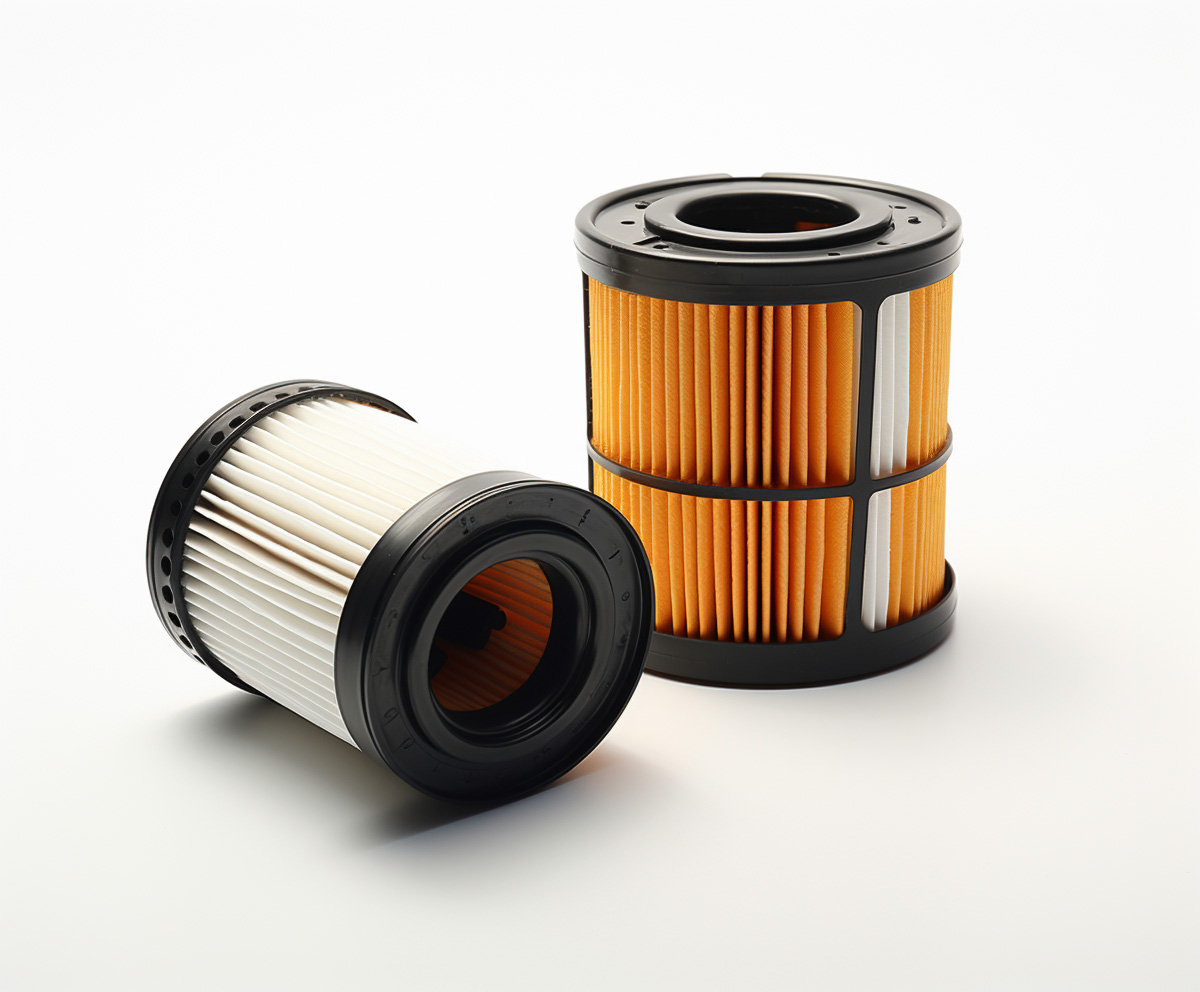
 Products
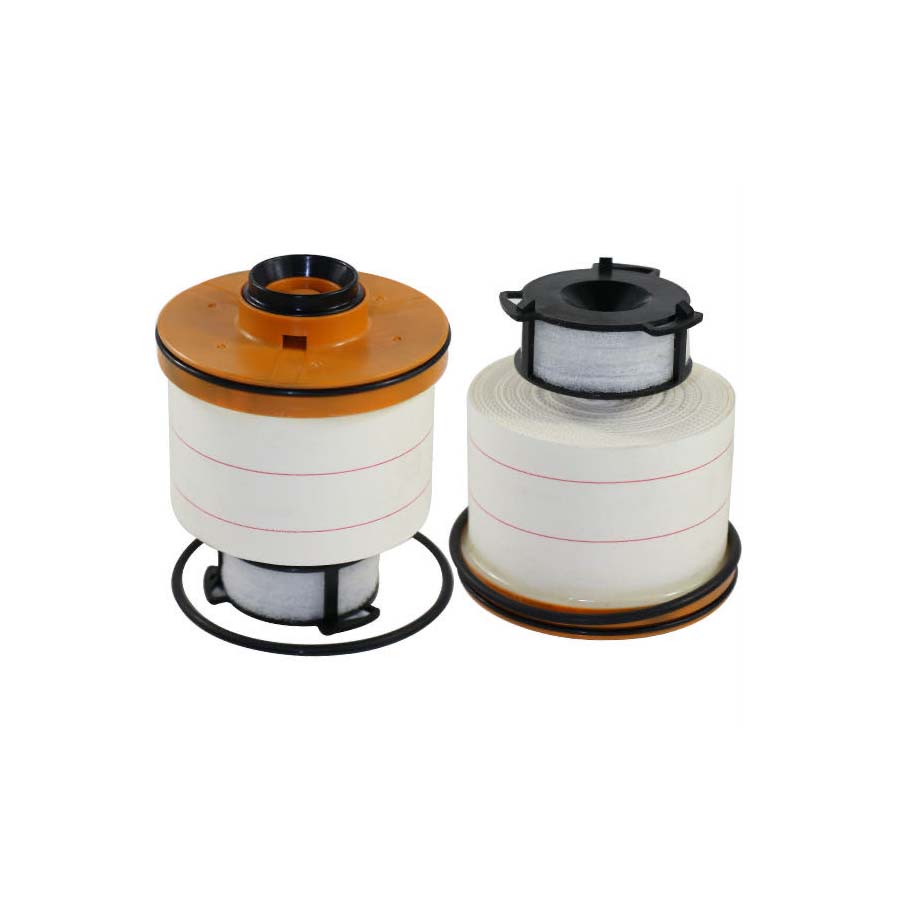 FUEL FILTER
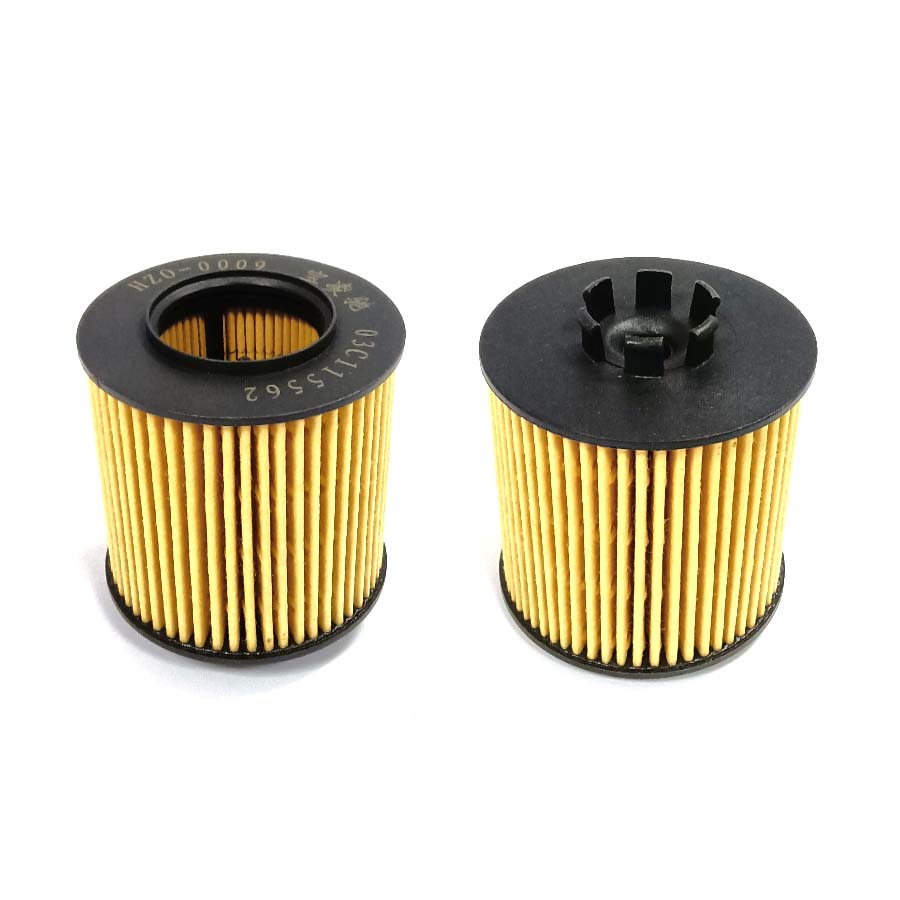 OIL ELEMENT FILTER
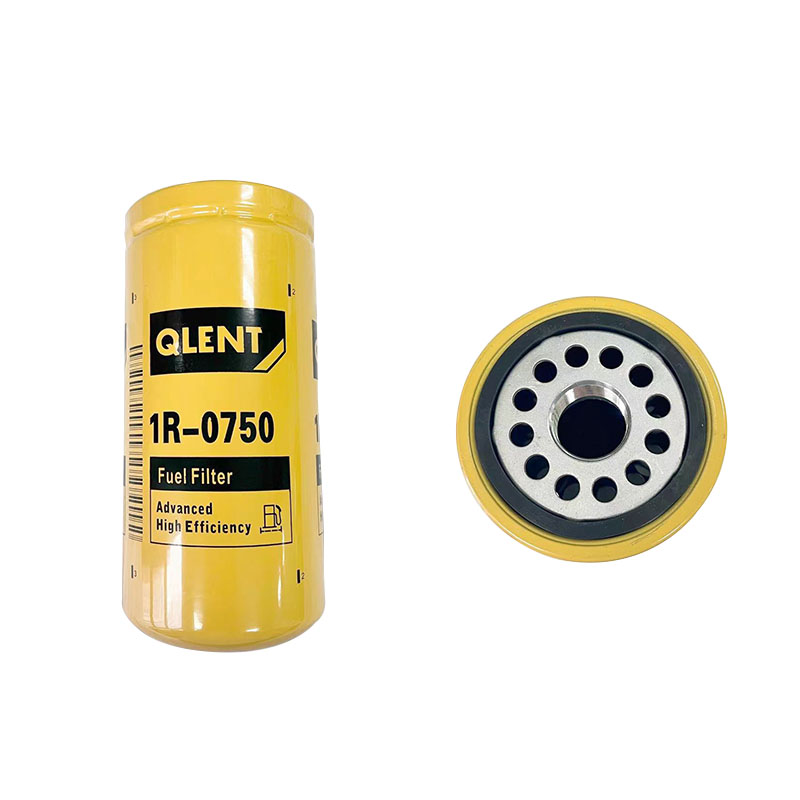 OIL FILTER
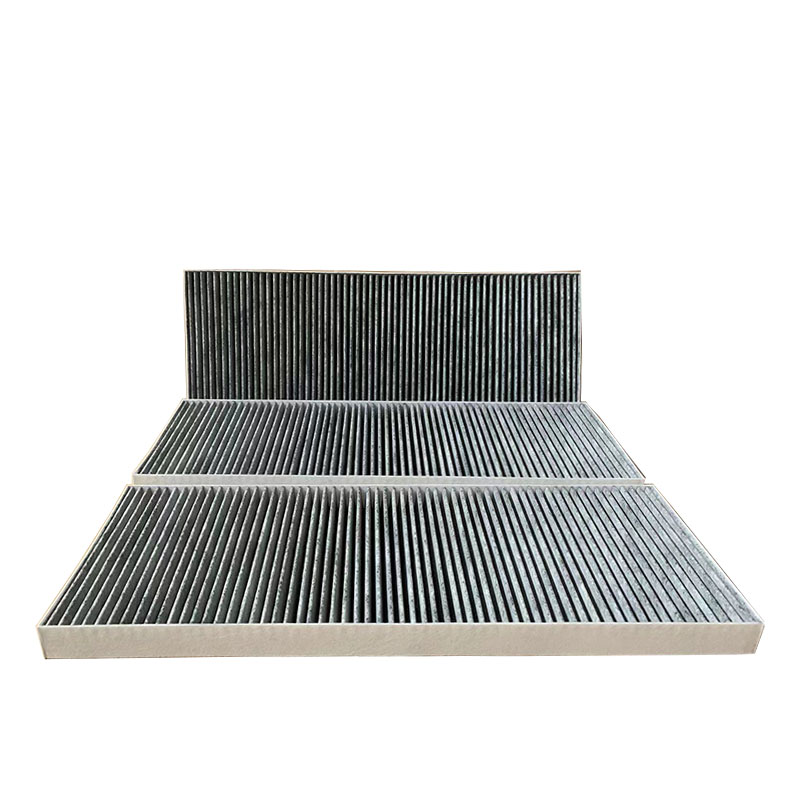 CABIN FILTER
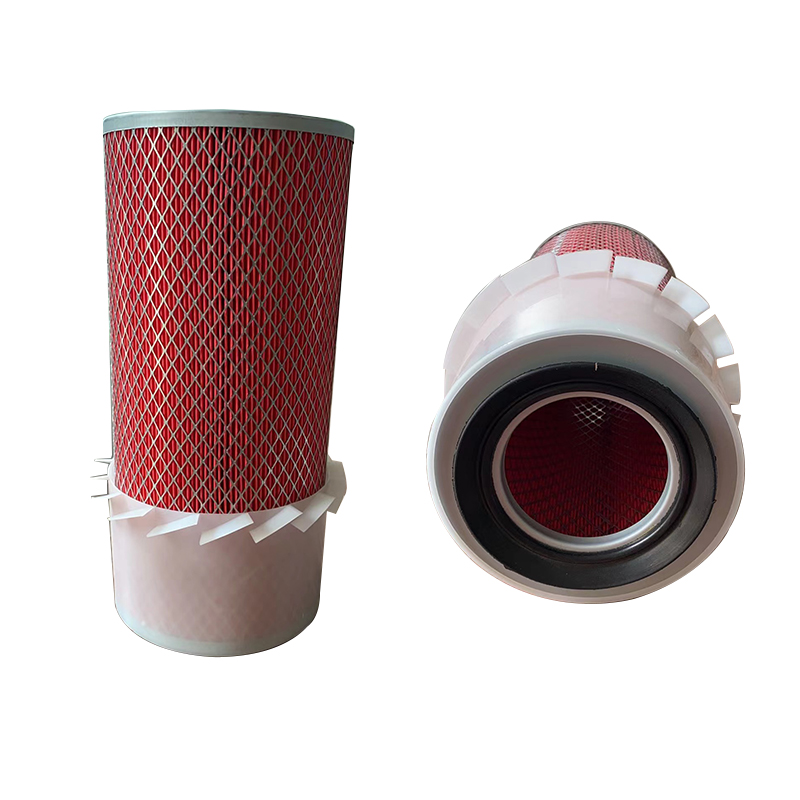 AIR FILTER

Inquiry
Form loading...
It has Spin On Filter that plays an important role in making the automobiles perform well. Spin On Filter brings in the simplicity of oil filtration, making it quite accessible for the end-user or even a mechanic, with regards to oil replacement or general maintenance on a vehicle. A global buyer must be acquainted with all the nitty-gritties of these filters before making any investments. This understanding will aid them in conducting their due diligence of the purchase process. This article expounds on the key features, benefits, and considerations associated with Spin On Filters.
At Ningbo Hongzhuo Filter CO., Ltd., we understand what it means to have high-quality filtration products. Founded in 2013, based out at Ning city, Zhejiang province, our company manufactures several auto filters, such as Spin On Filters, Air Filter, cabin filters, and more. It is India's motto to serve and innovate for the different pursuits of its global clientele. This article is used to empower its reader by enabling them to develop the knowledge needed to improve their understanding of Spin On Filters to make it easier for them to choose their products, ultimately serving their automotive needs.

Spin-on filters are vital for a variety of industries as they enhance the efficiency and durability of machines. They use a straightforward design, combining the filtering media with a spin-on shell for ease of installation and replacement. Automotive applications witness a majority of these filters as they serve to remove the contaminants that would otherwise impair engine oil performance or cause premature engine failure. A report authorized by MarketsandMarkets states that the global automotive filter market is expected to be $31.4 billion by 2027, mainly driven by the demand for high-efficiency filtration solutions. From automotive applications, spin-on filters have been utilized in industrial machines and hydraulic systems. These filters are of utmost importance in manufacturing for ensuring the quality of hydraulic fluids that otherwise comprise the efficiency of heavy equipment. Research and Markets have forecasted growth for the industrial filtration market at 5.4% from 2021 to 2026, where it is presumed that spin-on filters would be one of the predominant contributors to this surge, considering their ease of use and effective performance in various environments. In addition to these applications, spin-on filters are utilized in the aerospace industry and marine applications, where dependability is fundamental. These filters assist in maintaining turbocharged engines' performance, thus playing a role in safety and efficiency in aviation. The growing focus on complying with stringent environmental regulations is another driving demand for effective filtration systems, therefore elevating spin-on filters into significant prominence for those industries that desire to raise their operational standards and lower environmental impact.

Spin-on filters are important for the oil change and performance of the engine, both in automotive and industrial applications. Buyers from all over the world must be informed about the core elements and workings of such equipment when considering purchasing.
The main components of a spin-on filter are filter media, metal canister, sealing gaskets, and anti-drain back valve. The filter media captures contaminants present in the oil from circulating within the engine. Recent innovations have resulted in reusable options made from advanced engineering plastics, minimizing environmental harm and maximizing durability.
Spin-on filters utilize centrifugal force to separate impurities from clean oil during oil circulation. This mechanism not only optimizes the filtration system but also allows for extended periods between oil changes. Nowadays, with the newest filtration technology surfacing using nanofibers in some applications, this filter's performance is improving and becoming very important in maintaining the overall health of any engine.
As the trends in the market go toward extended oil change intervals, quality of spin-on filters becomes an issue. Reports indicate that a high-quality filter can really minimize engine wear to prolong the life of the engine, thereby achieving the objective of vehicle life. In such a competitive market, buyers must look to filtration techniques that would ensure their engines are given reliable performance through time.

People are now taking to spin-on oil filters as they have a slew of advantages over the regular style. These easy-fit-and-maintain filters are preferred by any user for simple maintenance. Due to this very reason, people have always preferred spinning filters to traditional oil filters because the mounting of a spin-on is performed directly onto the engine with little manipulation thus avoiding unnecessary oil change mess.
The modern spin-on filter is-a-current-design-very-different-from-traditional-ones-with-respect-to-the-filtration-efficiency. Because of technology, we have spent years developing the workhorse filters, which withstand tremendous hydraulic stress-high flow rate being one of the criteria, filtering about 15 gallons per minute without any loss of efficiency. This is greatly beneficial to high-powered engines that produce extra heat and need constant oil purity to function and last at their best. These advanced synthesized-cleanable-and-changable-cap media provide better protection than a traditional oil filter can ever provide, thereby supporting practical use resources against our nature.
On top of that, spin-on filters allow for environmental waste reduction during an oil change. From any environmental conscientious viewpoint, these filters at least minimize waste associated with the disposal of spent filter parts. With these advances, the trends for manufacturers to design and promote spin-on filter solutions will only grow faster in efficient and sustainable engine maintenance.

Global sourcing of spin-on filters has many important aspects that affect your purchasing criterion or operational efficiency. The most basic one is the compatibility of the filters with diverse engines and systems across the world. The market for automotive filters worldwide was valued at nearly USD 29.15 billion in 2021 and is expected to betoken robust demand for high-quality spin-on filters with diverse specifications by reaching USD 40.31 billion by 2026 for this reason, according to a recent report by MarketsandMarkets.
The other essential factor to consider is the supplier reputation and reliability. It becomes necessary to deal with suppliers with good, proven credentials in the industry. An important survey conducted by Frost and Sullivan shows that 73% of buyers focus on manufacturers having established certifications and assurances of quality. Otherwise, having after-sales support and technical assistance becomes a differentiating factor when speaking about global suppliers as well.
Geography also dictates the source in most cases for sourcing decisions, and logistics will capture delivery times and prices. For example, Statista announced that shipping costs have been extremely variable, with some container freight rates up to 300% and more between 2020 and 2021. The total cost of ownership when bringing spin-on filters to market will then swing on that. One, therefore, has to possess an understanding of the dynamics of global logistics and supply chain management for optimization in procurement.
When global buyers purchase spin-on style oil filters, the question becomes whether the decisions they make will assist in keeping operational costs low without compromising performance. A major pitfall occurs when the filters' compatibility with existing systems is not considered. In their 2022 report, the Global Filter Industry Association considered that 30% of buyers do not confirm that the filter fits a given application, resulting in preterm filter failure and unnecessary downtime. Ensuring that a spin-on filter is designed for the proper engine type and operating conditions would prevent large costs.
Another area frequently neglected is the consideration of filter quality and specifications. Buyers should be aware that not all filters are created equal. Differences in filter media and construction can substantially influence filter performance. Industry studies indicate that subpar quality filters can cause more wear on engine components, which may result in maintenance costs increase by as much as 25%. It is vital to use manufacturer certifications, customer reviews, etc., to ensure that the expected filter fulfills the industry standards required for filtration efficiency and durability.
Another blunder is price shopping without factoring in the total cost of ownership. The temptation to go for cheaper filters may be strong, but studies show a greater and smarter investment in higher-quality spin-on filters translates to huge savings in operational costs. A properly engineered filter allows extended service intervals while improving engine performance, thus offering the best returns on investment over time. Therefore buyers must weigh up initial costs versus future savings when making purchasing decisions.
Spin-on filters are crucial in an application for vehicles up to industrial machinery for its best performance and life. However, the main maintenance tips include regularly checking and replacing the filter as per the manufacturer's recommendation. Inspections must not be left out since they help detect issues early enough to prevent serious damage that a clogged or damaged filter may cause.
Another part of the maintenance routine for spin-on filters is proper installation. Always follow the manufacturer's installation instructions when installing a new one. Check sealing surfaces for cleanliness as well as the lubrication of the O-ring to avoid leaks. Do not over-tighten the filter when fixing it as this causes damage to sealing surfaces and thus early failure.
It would help, too, to keep a close eye on the performance of the spin-on filter. As soon as he sees one, the driver or operator must be aware of any falling efficiency or peculiar sounds from the engine that indicate potential filter problems. Documenting and keeping on top of service intervals helps ensure filters do not miss out on timely replacement, which, in turn, extends their life while improving overall equipment reliability.
The world of spin-on filters has undergone some technological advancements, making them an indispensable element for different applications, from automotive to industrial processes. Recent trends have seen innovation devoted to increasing filtration efficiency and reducing environmental impact; for example, advanced materials introduced into the market have greatly improved a filter's ability to entrap small particles, leading to clean fluid and extended performance.
An interesting development is the adoption of intelligent sensors into spin-on filter systems. These sensors work in real time, monitoring the filter's condition state and prewarning users of any impending problems before they blow into real troubles. Such an approach extends the filter's life, optimizes maintenance scheduling, and is time and resource-saving. With such innovations, consumers have been better informed when making decisions for changes of filters and the health of their system.
Further, manufacturers are driven by the growing demand for greener designs which has resulted in the introduction of biodegradable materials and components that are recyclable. This is addressing the worsening environmental issue. This change not only conforms to the company regulations but also responds to the consumers' demands for sustainable products. Therefore, as the breakthroughs grow wider, spin-on filters will become "smarter," more efficient, and environmentally responsible solutions tailored to worldwide consumers.
When engaging a supplier in the industry for Spin-on Filters, one must also be aware of global supply chain dynamics. For instance, recent news highlighted complications that buyers may have to deal with, such as tariffs and tariff-related costs, on short notice. For instance, reports indicated that some American farmers were quite surprised in receiving huge duty bills from Canadian suppliers, thus raising questions concerning the legality and legitimacy of tariff payments. In this regard, prospective clients must assess suppliers and their operational base thoroughly to envision possible financial outcomes.
Tariffs are significantly changing the landscape of the electronics industry for imports, with some product lines absorbing extremely steep duty rates. Internal assessments from major suppliers indicate that products such as gaming consoles are not exempt from said tariffs, ultimately pushing costs upward for consumers and businesses. In this light, it is important that buyers place significant emphasis on ensuring that prospective suppliers possess the requisite strategies to mitigate these risks and can capably navigate the complex terrain of global trade regulations.
A company in the automotive sector was in crisis due to supplier-related problems with communication, thus emphasizing how important these two factors are for supplier relationships. Assessment through an effective supplier evaluation process should also consider the financial stability and production capabilities of the supplier, as well as their compliance with trade policies to ensure that sudden disruption never happens. In this ever-changing global environment, suppliers who are agile and transparent will be the firm's allies in protecting its competitive edge in the spin-on filter industry.
Spin-on filters are components that enhance machinery efficiency and longevity by filtering contaminants, commonly used in automotive engines, industrial machinery, hydraulic systems, aviation, and marine applications.
Spin-on filters offer easy installation and maintenance, improved filtration efficiency, and contribute to environmental benefits by reducing waste associated with oil changes compared to traditional filters.
Modern spin-on filters are designed to handle high flow rates, using advanced synthetic media that allows them to filter up to 15 gallons per minute while maintaining optimal performance, particularly in high-performance engines.
Regularly check and replace filters according to manufacturer recommendations, ensure proper installation by cleaning sealing surfaces and lubricating the O-ring, and monitor engine performance for any changes indicating filter issues.
Proper installation prevents leaks and damage to sealing surfaces, which can lead to premature filter failure, ensuring optimal performance from the filter.
Users should be alert to changes in engine performance, such as decreased efficiency or unusual noises, which can indicate that the filter may be clogged or damaged.
Spin-on filters are expected to significantly contribute to the growth of the industrial filtration market, with a projected CAGR of 5.4% from 2021 to 2026, due to their effectiveness and ease of use.
The streamlined design of spin-on filters minimizes the disposal of spent components, making them a more environmentally friendly option for consumers conscious of waste management during oil changes.
Spin-on filters are gaining popularity in industrial machinery, hydraulic systems, aviation, and marine industries, where reliability and performance are crucial.
The global automotive filter market is projected to reach $31.4 billion by 2027, driven by the increasing demand for high-efficiency filtration solutions, including spin-on filters.


