
 Products
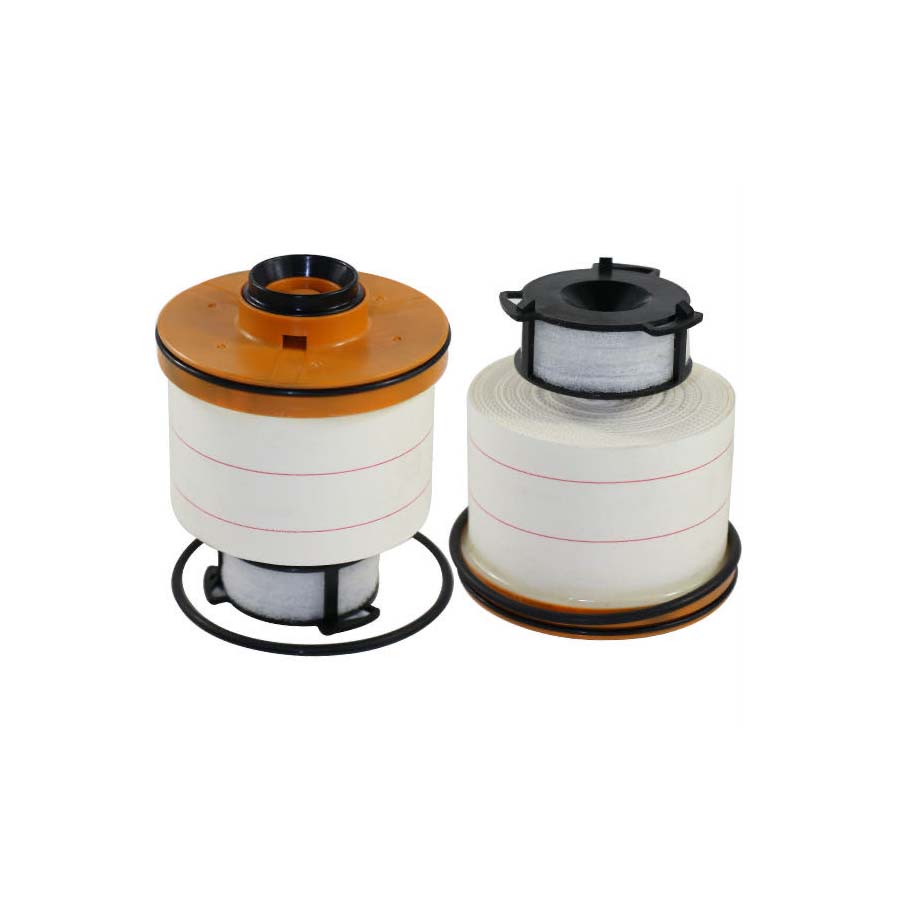 FUEL FILTER
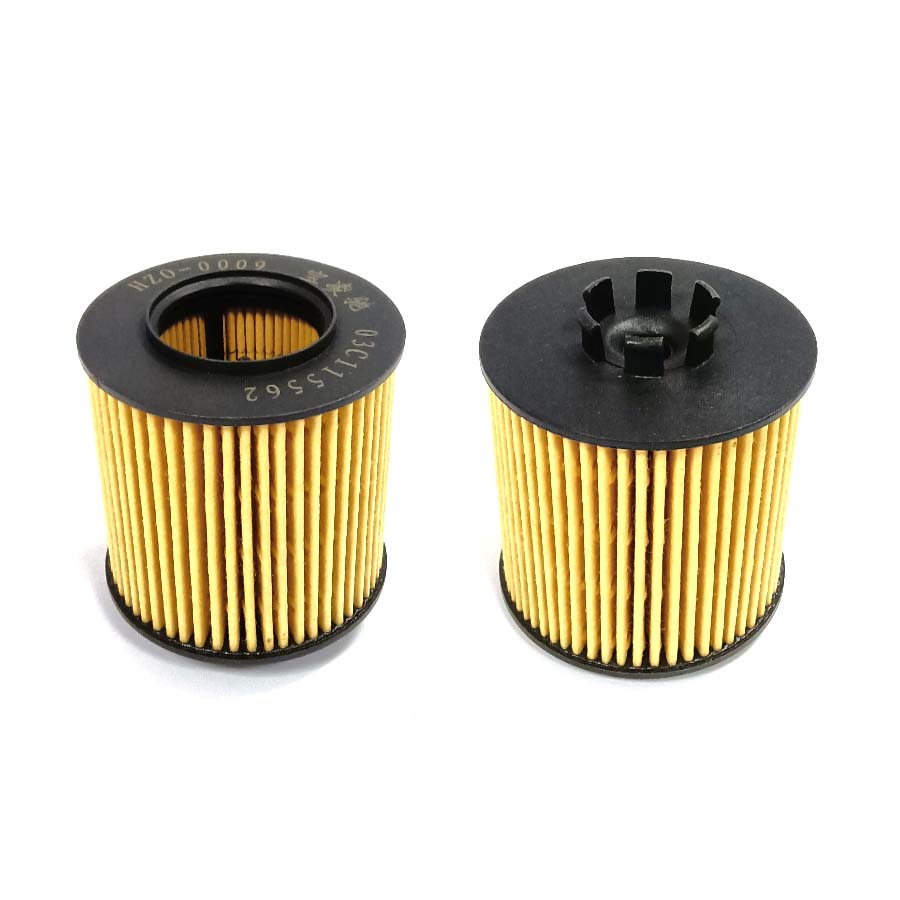 OIL ELEMENT FILTER
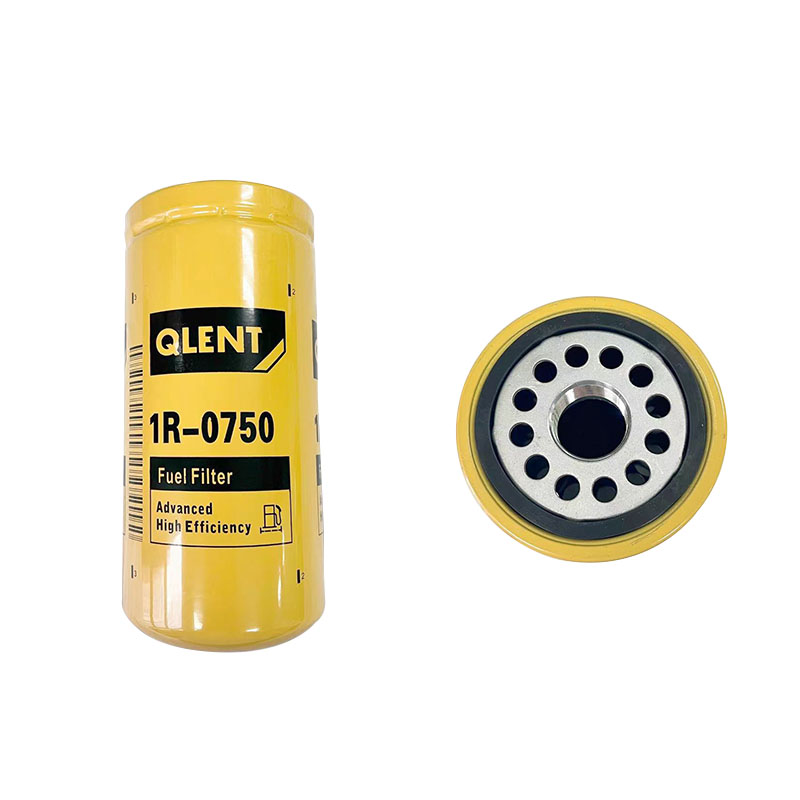 OIL FILTER
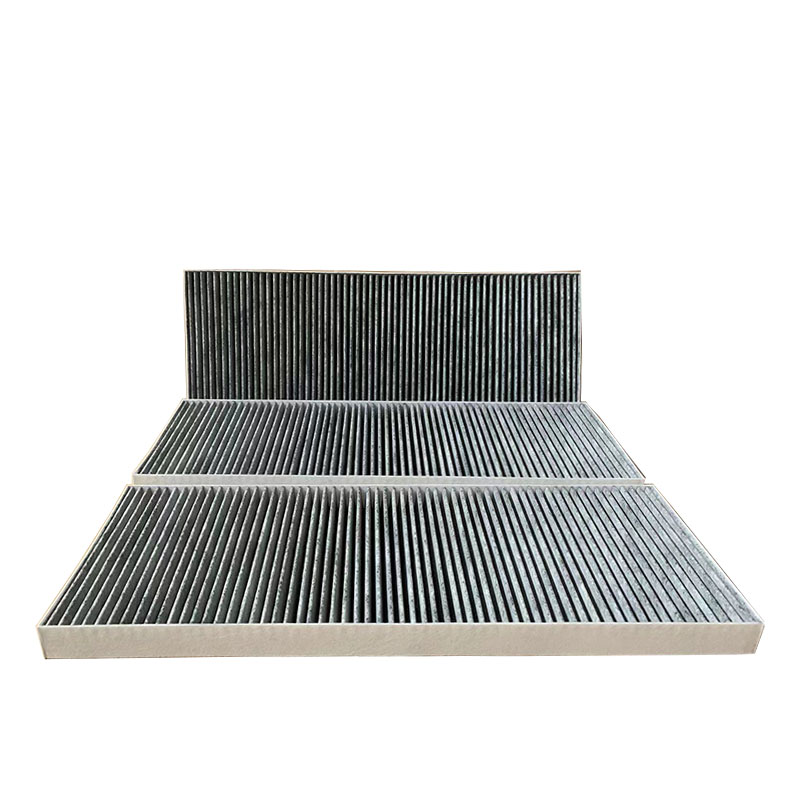 CABIN FILTER
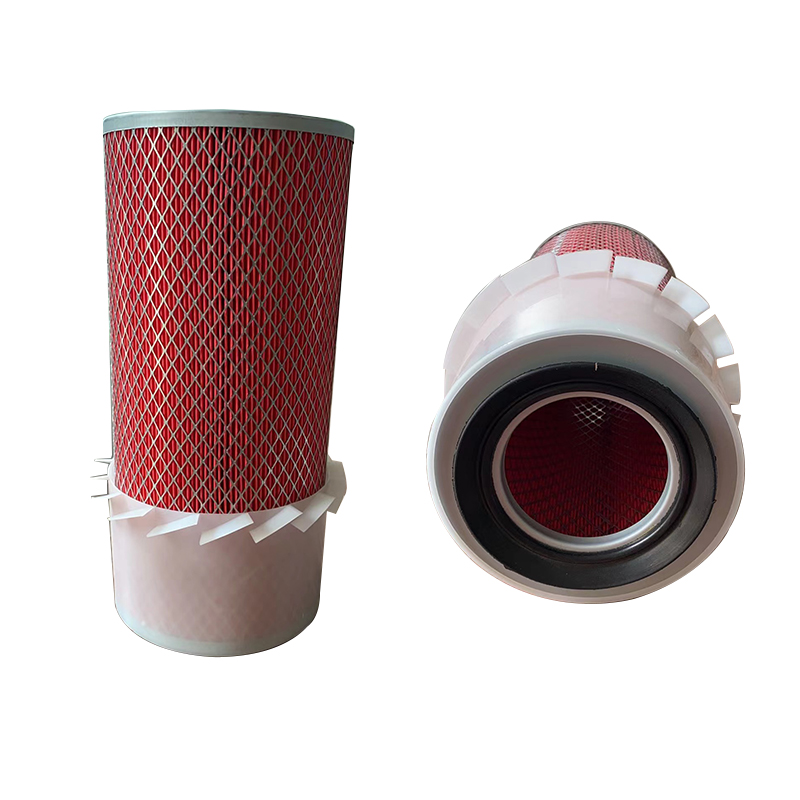 AIR FILTER

Inquiry
Form loading...
The automotive industry is ever-changing, and as the industry changes, higher demands are there for quality Auto Parts Filters. A recent market analysis by Research and Markets anticipates the global automotive filters market will record a compound annual growth rate of 5.4% from 2021 to 2026. This demand is closely linked with the rising need for vehicle maintenance awareness and the sustained need for good air quality within vehicles. This growth stems from performance demands from the vehicle itself, which leads to focus more on filtration technologies to enhance engine performance and the longevity of automotive parts.
Ningbo Hongzhuo Filter Co., Ltd., founded in 2013 and situated in Ningbo City of Zhejiang Province, has emerged as a key automobile filter manufacturing company covering Air Filters, cabin filters, and oil filters. With the continuing growth of the global Auto Parts Filters market, manufacturers such as Ningbo Hongzhuo are innovating to produce top-quality products that pass all international industry tests. Our commitment to excellence creates an even cleaner atmosphere for living and working, enhances engine performance and assists our clients with sustainability objectives.

Increasing Demand in Asia-Pacific That Likely Dominates Market Shares for Auto Parts Filters, Considering an Estimated 40% of Global Market: Increasing Demand in All Countries across Regions and the Automotive Industry in Which It Is Mainly Included. Countries such as Japan, China, South Korea, and India are well asserting their place as important players in the auto parts filter supply chain. Expansion of auto manufacturers creates market entry barriers in Russia because consumers want established manufacturers who have been proven to be quality-conscious. Though the presence of Chinese vehicles soars in this market, factors such as different climatic changes and consumer expectations are quite crucial for the manufacturers. The scenario of auto parts filters is very dynamic, with companies adjusting to different market pressures and pushing innovation to keep themselves at the fore of competition.

The emerging trends and technologies are changing the auto parts filter manufacturing industry in quite a big way. The traditional fuel car part producers will face the dilemma of keeping themselves relevant as the market turns towards electric vehicles. These companies have been trying to innovate solutions for shifting gasoline-driven components to those adapted to electric and hybrid vehicles and indeed stress the role of research and development in this transformation.
In response to changing market dynamics, key manufacturers are establishing their global technology centers to accelerate the pace of innovation. As recent activities indicate, investments are related to the advancement of filtration solutions for modern vehicles due to the request for cleaner and more efficient automotive technologies. Going forward, these changes will address the growing needs for sustainable practices over time by incorporating advanced filtering technologies which will be critical for survival in the coming competitive environment.

The industry of automotive filtration has been undergoing major changes due to increasing needs for latest application in the global market. While key players are consistently adapting to the emerging trends such as electrification, heat is on fuel efficiency and sustainability in the more emphasized way. All these aspects, being traditionally internal combustion engine vehicles, come to face the battle against electric vehicles. Thus, the expectation for efficient auto parts filters reached its peak.
Being the hub of the automotive industry, Germany has a great deal of the best OEMs positioned strategically to take advantage of the market growing demand for quality auto filters. Indeed, the industry is fast becoming more globally concentrated under these key players as they navigate the changing consumer trends as well as varied regulatory regimes. Current trade indicates that the Asia-Pacific area is already rising so quickly, with new opportunities and competitive dynamics opening up.

Auto parts filters are very much required in the performance and span of vehicles in light of changing market scenarios. These are oil filters, air filters, fuel filters, and cabin air filters, each fulfilling a certain function rather direct toward very specific vehicle needs. Oil filters are needed for cleaning contamination from engine oil and thereby assisting the smooth performance of the engine. On the other hand, air filters will protect the engine from the dirt and dust, which affects fuel efficiency. As the automotive industry changes with the rise of electric vehicles, components traditionally associated with fuel vehicles must adapt-or face extinction. During the transition, companies are now also looking into newer solutions and materials such as advanced ceramics to keep them on the map. Emphasis on upgrading filtration systems is, therefore, of utmost importance; they not only need to take care of traditional combustion engines but also those of new energy vehicles that might need a different kind of filtration technolgies to support their own unique systems.
Recent technological advancements in auto parts filter design have transformed the auto industry and added to vehicle performance and sustainability. Thus, the high filtration advanced systems allow manufacturers to produce filters that not only clean air within the vehicle but also help in engine efficiency. Therefore, this is becoming an attractive trend in the industry toward eco-friendly solutions, thus supporting the global sustainability efforts.
Top players in the industry are spending heavily on R&D in order to evolve filters that merge with the latest technology like smart sensors and materials engineered for optimal performance. Renewed emphasis for recent exhibitions and partnerships has therefore come to be placed upon creating next-generation filters with adaptive mechanisms for varying environmental conditions for cleaner emissions and higher fuel efficiencies. The rise of the automotive filter market consequently means that these advances are paramount in seizing a nimble, sustainable, and efficient future for the automotive sector.
Auto filters demand, hence set under the consumer preferences, is constantly changing. The automobile industry has faced a backed-down demand for too long, and therefore, the manufacturers had to go by the changing consumer needs. Eco-friendly is one major concern that propelled consumers to demand high-quality, efficient filters that enhance vehicle performance and better air quality.
New changes include setting up high-tech auto parts centers that symbolize a movement toward innovation. Companies, investing heavily in R&D, are likely to focus more on filter development in line with the requirements of an eco-friendly marketplace. This shift might change how manufacturers run their operations: making auto parts according to consumer demands while battling the global market challenges.
The automotive filter market is presently in a phase of flux due to the increase of electric vehicles (EVs). While manufacturers of components for traditional fuel vehicles undergo heavy pressure, many now consider different ways to survive in an industry moving towards increasing electrification. The shift calls for a strategic change in product and supply chain to avoid obsolescence.
With change come opportunities. With lucrative air sterilization demand in view, North America, Asia-Pacific, and Europe will play an important role in the expected growth of the air sterilization market. The growth is indicative of the increase in the demand for clean air inside vehicles; it now urges manufacturers to improve their filtration technology. By taking the cues from this oncoming requirement and adjusting themselves in tune with consumer perception about healthier driving environments, corporations can stake a claim in the auto parts market that has a true chance of sustainability.
The global market of automotive parts is shifting towards sustainable use in an industry that has focused on auto part filters. There is constant motivation for innovating by manufacturers and suppliers working such that the parts used in an automobile make a difference to the environment. The companies have therefore invested in advanced filtration designs whereby engine emissions are lower, as well as improving the air quality inside the cars.
Great developments have been associated with creation in sustainable practices touched by consumer and regulatory influences. Research and development centers are being put in place to comprise efforts among industry leaders focused on green technologies for this very push towards more sustainable auto parts filters. This movement is momentous in driving the entire automotive arena into future ecoconsciousness toward global sustainability goals and meeting consumer needs for greener alternatives.
The global auto filters market is set to burgeon from 2024 to 2032 with growing demand from developing economies, mainly in the Asian region. Countries like India, Indonesia, and China are experiencing a phenomenal escalator in the demand for automobiles, which will definitely percolate into the aftermarket for auto parts, including filters. The need of the hour seems to be for quality auto filters as with an increasing number of consumers looking for better performance and efficiency in vehicles.
Again, the recent news on monopoly practices in the car industry may have impacts on the market. The fallout that could result from the European Union's action against big automakers may increase competition, which will encourage companies to innovate and produce better products. There will be a light at the end of the tunnel for such consumers, as well as opportunities for new entrants into the auto parts market but with particular emphasis on the filter segment, as demand would grow further.
The automotive parts filter market has garnered substantial growth momentum, primarily due to aggressive proliferation of electric vehicles and greater effusion over efficient thermal management system solutions. Recent reports from the industry indicate that major global suppliers become more zealous concerning their transition to electric vehicles, especially relating their research and development capabilities. Products created by manufacturers will have to adapt to the changing needs of the market across various types of vehicles-electrified and conventional ones.
In addition to technological advances, suppliers are also likely to benefit considerably from their strategic locations in emerging economies-in particular, their presence in Asia. Emerging markets like China and India will certainly have huge potential for demand, seeing how many players are restructuring supply chains for enhanced production to catch up with changing consumer preferences increasingly leaning toward sustainable vehicle options. The ongoing trends continue molding the automotive parts environment, bringing in an important epoch not only for existing competitors but also for potential new entrants in the industry.
The increasing demand is driven by the growth of the automotive industry, particularly in the Asia-Pacific region, which holds a 40% market share.
Key players include Japan, China, South Korea, and India, indicating their importance in the production and supply of auto parts filters.
In Russia, consumer preferences lean towards established brands known for quality, presenting challenges for manufacturers, particularly those offering newer Chinese vehicles.
The global auto filters market is expected to experience significant growth between 2024 and 2032.
Countries like India, Indonesia, and China are witnessing a surge in automotive demand, influencing the aftermarket for auto parts, including filters.
The European Union's lawsuit against major automakers could lead to increased competition, which may encourage innovation and better products for consumers.
The rapid expansion of electric vehicles is driving significant growth in the market, as companies focus on efficient thermal management solutions to meet evolving demands.
Major global suppliers are enhancing their research and development capabilities and refining their product offerings to adapt to both electric and traditional automotive markets.
Suppliers are realigning their operations in emerging economies, particularly in Asia, to enhance production capabilities and remain competitive amid shifting consumer preferences.
The landscape of the automotive parts industry is evolving, marking a pivotal phase for both established and new entrants, driven by shifts towards sustainable vehicle options.


