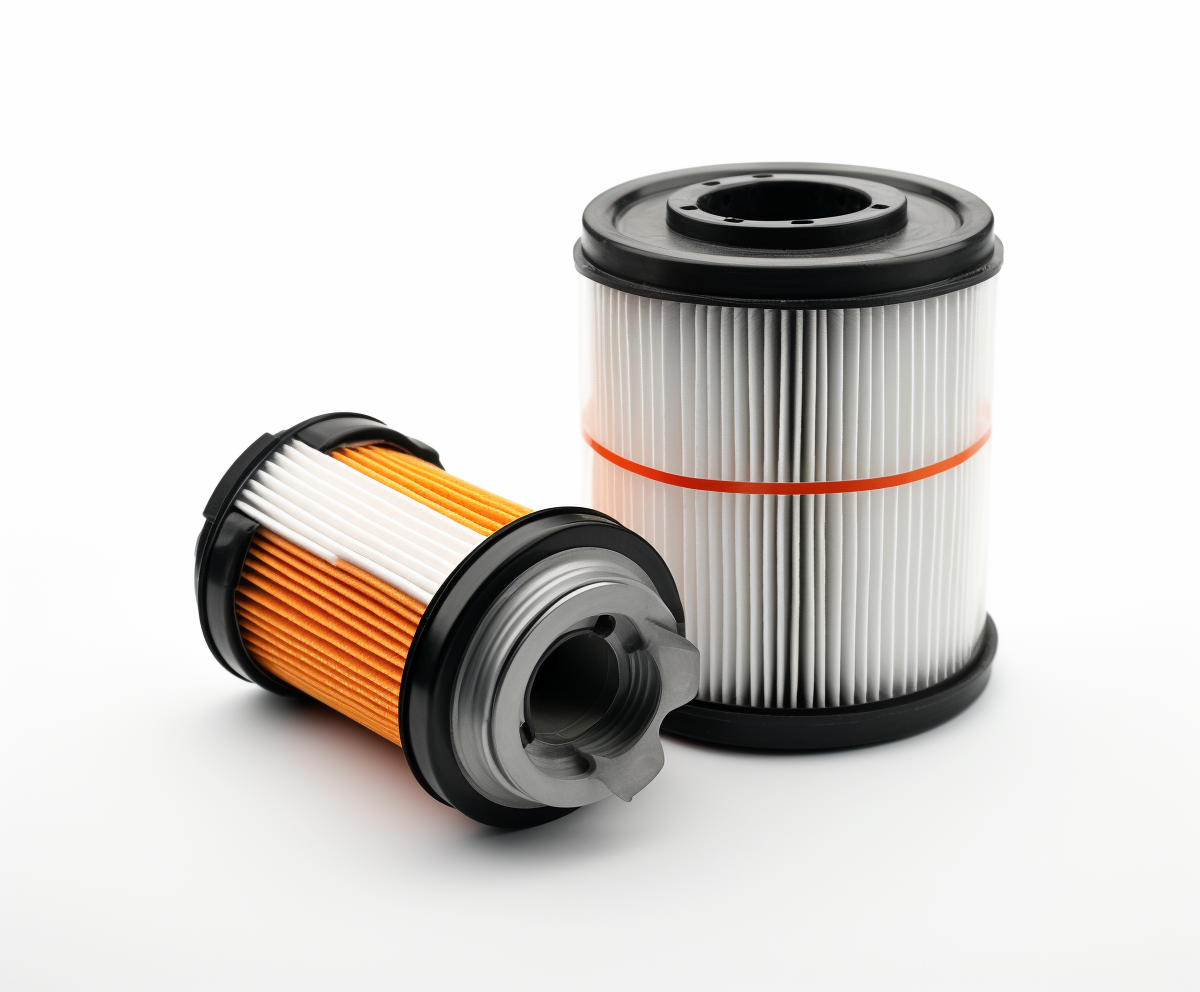
You know, one thing that's super important for keeping trucks running smoothly—yet often gets overlooked—is the truck Fuel Filter. It may sound simple, but making sure your fuel is properly filtered is a game-changer. It helps keep those tiny contaminants out of your fuel injectors and engine parts, which means your engine runs better and lasts longer. I read somewhere that about 60% of engine failures happen early because of fuel contamination—that's a pretty big deal, right? It just goes to show how crucial it is to invest in good quality filters.
And get this: a study by FleetOwner showed that if you stay on top of regular maintenance and replace those filters when needed, you can actually improve fuel efficiency by up to 10%. That’s not just saving a few bucks here and there—think of the performance boost and how it adds up over time! Plus, with diesel engines getting more high-tech these days, keeping the filtration in check isn’t just about saving money; it also helps lower your emissions, making things a bit more eco-friendly. With fuel prices climbing and stricter environmental rules in place, making sure your filters are doing their job is more important than ever, especially if you’re managing a fleet and trying to keep costs down while staying compliant.

Understanding the Importance of Fuel Filters in Trucks
Fuel filters are critical components in truck maintenance, playing a pivotal role in ensuring optimal engine performance and longevity. According to industry studies, a truck's fuel filter is responsible for eliminating particulate contaminants and water from the fuel, which can lead to engine wear and reduced efficiency. A report from the American Trucking Associations highlights that clean fuel contributes to a 4-5% improvement in fuel efficiency, underscoring the necessity for regular inspections and timely replacements of fuel filters to maintain optimal function.
The importance of maintaining a clean fuel system cannot be overstated, especially given that contaminated fuel is a leading cause of premature engine failure. Research indicates that approximately 70% of engine problems are attributed to fuel contamination, which directly correlates with inadequate filtration. Consequently, truck operators are advised to adhere to recommended service intervals for fuel filter replacements based on the manufacturer's guidelines, with typical intervals ranging from 15,000 to 30,000 miles. Proactive fuel filter management not only enhances vehicle reliability but can also result in significant cost savings by preventing expensive engine repairs and downtime associated with fuel-related issues.
Identifying Different Types of Truck Fuel Filters
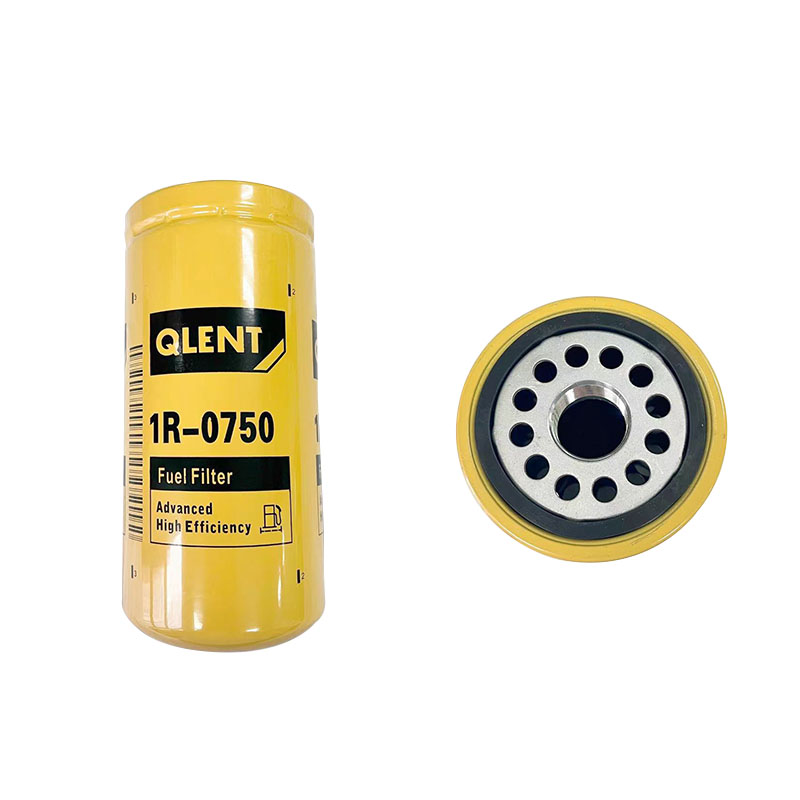
When it comes to truck performance, fuel filters play a critical role in maintaining engine efficiency and prolonging vehicle life. There are primarily three types of fuel filters used in trucks: inline filters, cartridge filters, and spin-on filters. Inline filters are commonly found along the fuel lines and are designed to catch debris and particles before they reach the engine. Cartridge filters, on the other hand, come in a canister that needs to be replaced as a whole, and they're often used in heavy-duty applications due to their larger capacity to retain contaminants. Spin-on filters offer easy replacement and are popular for their user-friendly design, making maintenance straightforward for truck drivers.
To ensure optimal fuel filter performance, it’s advisable to replace filters according to manufacturer specifications, typically every 15,000 to 30,000 miles, depending on truck usage and fuel quality. Studies have shown that neglecting regular filter changes can reduce fuel efficiency by as much as 25%, leading to increased operational costs. Proper selection based on truck type and intended service conditions is also crucial. For instance, trucks operating in dusty environments may require higher-grade filters to prevent premature clogging.
Moreover, consider investing in high-quality filters that meet or exceed OEM standards, as these can significantly impact overall engine performance. It’s important to regularly monitor fuel quality and assess the filter condition, as this proactive approach can help identify potential issues before they escalate, ensuring smoother operations on the road. Regularly checking for signs of wear and effectively addressing fuel system concerns can contribute to a truck's longevity and reliability in the long run.
Top 10 Truck Fuel Filter Tips for Optimal Performance and Longevity
Signs That Your Truck's Fuel Filter Needs Replacement
When it comes to maintaining your truck's performance, the fuel filter plays a crucial role in ensuring that contaminants are kept at bay. According to a report from the Heavy Duty Manufacturers Association, a clogged fuel filter can reduce engine performance by as much as 25%, leading to increased fuel consumption and reduced power output. Therefore, recognizing the signs that your truck's fuel filter needs replacement is essential for optimal operation.
One key indicator of a failing fuel filter is reduced engine performance, which may manifest as stalling, sluggish acceleration, or difficulty starting. These symptoms arise when dirt and debris accumulate in the filter, restricting fuel flow. Additionally, if you notice unusual noises coming from the fuel system, such as a whining sound, this could signify that the fuel pump is working harder to overcome the blockage. Industry experts suggest that truck owners should also pay attention to fuel quality and regularly inspect the filter during maintenance checks, as any signs of discoloration or physical damage can signify an urgent need for replacement. Keeping an eye on these indicators can help maintain your truck's efficiency and extend its lifespan, ultimately improving overall performance.
Step-by-Step Guide to Changing Your Truck's Fuel Filter
Changing your truck's fuel filter is a crucial maintenance task that can significantly impact performance and longevity. According to the American Trucking Association, fuel filter issues account for approximately 24% of diesel engine failures, highlighting the importance of regular filter changes. It is recommended to change the fuel filter every 10,000 to 15,000 miles or as specified in your truck's service manual. A clogged filter can lead to reduced fuel efficiency and increased engine strain, ultimately shortening the lifespan of your vehicle.
To change your truck's fuel filter, start by preparing the necessary tools: a socket set, a drain pan, and clean rags. Ensure the engine is cool, and locate the fuel filter, usually positioned near the fuel tank or along the fuel line. Before removing the old filter, relieve the fuel system pressure to prevent spills.
Once removed, compare the old filter to the new one to ensure a proper fit. After installing the new filter, run the engine for a few minutes and check for leaks. Regular maintenance not only enhances your truck's performance but also saves you from potentially costly repairs in the future, making it a wise investment for any truck owner.
Best Practices for Maintaining Fuel Filter Performance
Maintaining fuel filter performance is crucial for the longevity and optimal functioning of any truck. One of the best practices is to conduct regular inspections. This involves checking the fuel filter for any signs of clogs or contamination. A routine check can help identify potential issues before they escalate, ensuring that the fuel system operates smoothly and efficiently. It's also advisable to replace the fuel filter at intervals recommended by industry experts or the vehicle's manual, as neglecting this can lead to reduced engine performance and increased wear on fuel pumps.
Additionally, ensuring that the surrounding area is clean and free of debris during filter replacement is essential. This minimizes the risk of foreign particles entering the fuel system, which could compromise the filter's effectiveness. Using the correct tools and techniques for installation can also contribute to better performance. Furthermore, maintaining a clean fuel tank and using high-quality fuel can significantly enhance the lifespan of the fuel filter, reducing the frequency of replacements and promoting overall vehicle reliability.
Emphasizing these best practices can lead to smoother operations and lower maintenance costs over time.
Choosing the Right Fuel Filter for Your Truck Model
When choosing the right fuel filter for your truck model, it is essential to consider the specific requirements and performance characteristics of your vehicle. According to a report by the American Trucking Association, fuel contamination is a leading cause of engine failure, responsible for about 70% of all diesel engine repairs. Selecting a fuel filter designed to meet your truck's specifications can significantly reduce the risk of contamination and prolong the life of your engine.
Different truck models come with varying fuel system configurations that necessitate specific filter types. For instance, some models might require a filter with a higher micron rating to effectively capture smaller particles, while others might benefit from a two-stage filtration system that offers extra protection. The Society of Automotive Engineers (SAE) recommends using a fuel filter that complies with OEM specifications, emphasizing the importance of compatibility. Ensuring that the filter is manufactured to industry standards can enhance flow rates and maintain optimal fuel pressure, thereby improving overall engine performance and efficiency.
Common Mistakes to Avoid with Truck Fuel Filters
When it comes to maintaining truck fuel filters, avoiding common mistakes is crucial for ensuring optimal performance and longevity. One prevalent issue is neglecting the recommended replacement intervals. According to a report by the American Trucking Association, regular fuel filter changes can improve engine performance by up to 15% and reduce overall maintenance costs. Many truck operators overlook the manufacturer’s guidelines, which can lead to clogged filters that compromise fuel flow and engine efficiency.
Another frequent error is using low-quality or incompatible fuel filters. A study published in the Journal of Transportation and Engineering highlights that substandard filters can allow particulates to bypass filtration, leading to costly damage to fuel injectors and pumps. Additionally, improper installation or failure to properly tighten connections can result in leaks or air entering the fuel system, causing erratic engine performance. Proper training and awareness regarding fuel filter installation are essential to prevent these errors and ensure that trucks operate efficiently for longer periods.
FAQS
: The main types of fuel filters used in trucks are inline filters, cartridge filters, and spin-on filters. Inline filters are positioned along fuel lines, cartridge filters come in canisters for heavy-duty use, and spin-on filters allow for easy replacement.
Fuel filters should typically be replaced every 15,000 to 30,000 miles, depending on truck usage and fuel quality, to maintain optimal performance and prevent issues.
Neglecting regular fuel filter changes can reduce fuel efficiency by up to 25%, leading to increased operational costs and potentially more serious engine problems.
To change a truck's fuel filter, gather necessary tools, ensure the engine is cool, relieve fuel system pressure, remove the old filter, install the new filter, and finally check for leaks after running the engine.
Investing in high-quality filters that meet or exceed OEM standards can significantly impact engine performance and help prevent premature clogging and other issues.
Regular inspections can help identify clogs or contamination in the fuel filter before they become major issues, ensuring smoother operations and efficient fuel system functionality.
Trucks operating in dusty or harsh environments may require higher-grade filters to avoid premature clogging and ensure optimal performance.
Maintaining a clean fuel tank and using high-quality fuel can enhance the lifespan of the fuel filter, reducing the frequency of replacements and promoting overall vehicle reliability.
Recommended tools for changing a fuel filter include a socket set, a drain pan, and clean rags for proper maintenance and cleanliness during the process.
It's important to regularly monitor fuel quality and assess the filter's condition, addressing any signs of wear to maintain optimal fuel system performance.
Conclusion
The article "Top 10 Truck Fuel Filter Tips for Optimal Performance and Longevity" emphasizes the crucial role of truck fuel filters in ensuring smooth engine operation and extending vehicle life. It begins by highlighting the various types of truck fuel filters, enabling owners to understand which is suitable for their specific models. Recognizing signs that indicate a fuel filter needs replacement is vital for maintaining optimal performance.
Additionally, the article provides a detailed step-by-step guide for replacing a truck fuel filter, along with best practices for maintenance to enhance filter performance. It also covers common mistakes to avoid, ensuring truck owners can make informed decisions and keep their vehicles running efficiently. Overall, understanding and caring for your truck fuel filter is key to avoiding costly repairs and ensuring longevity.

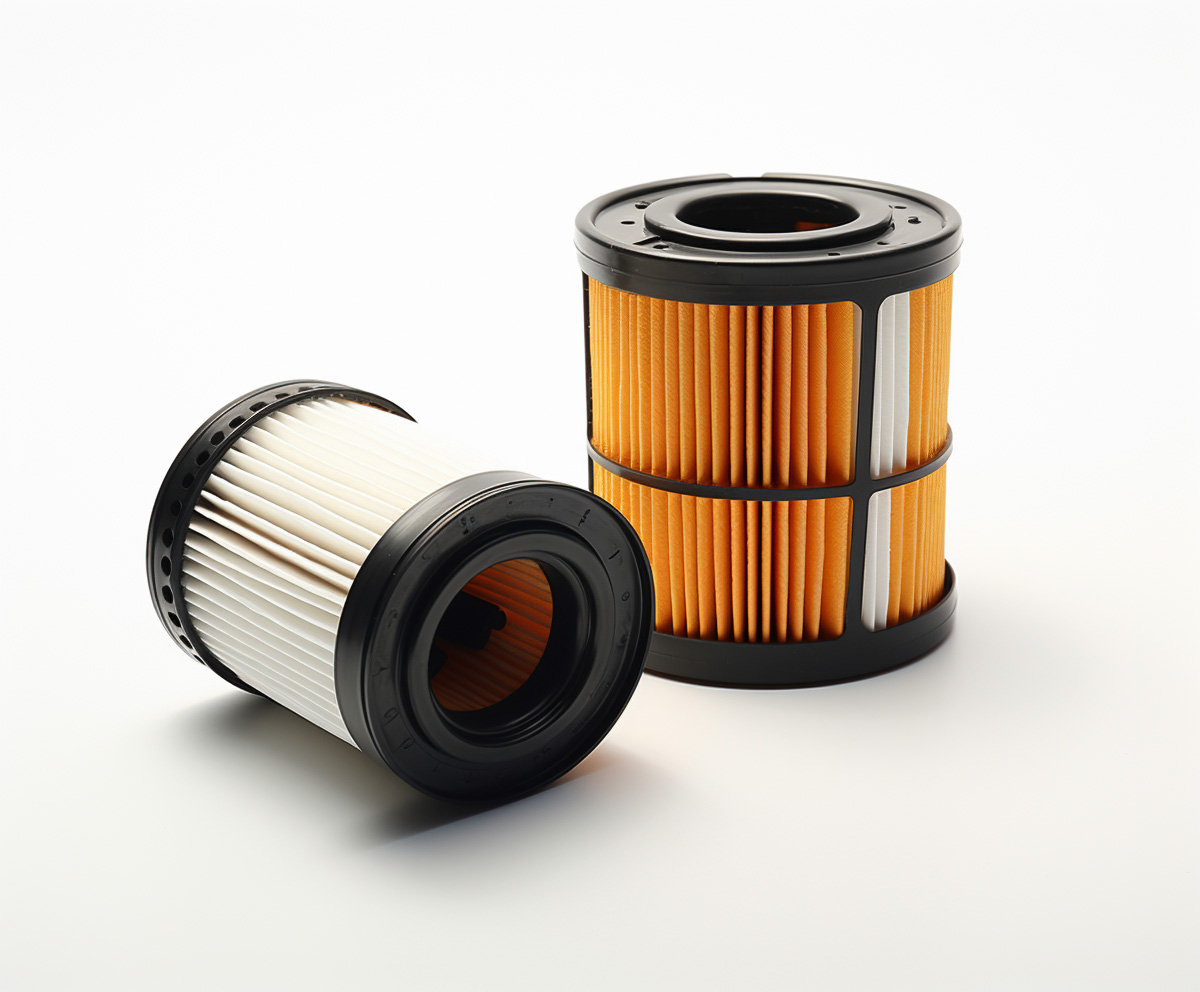 Products
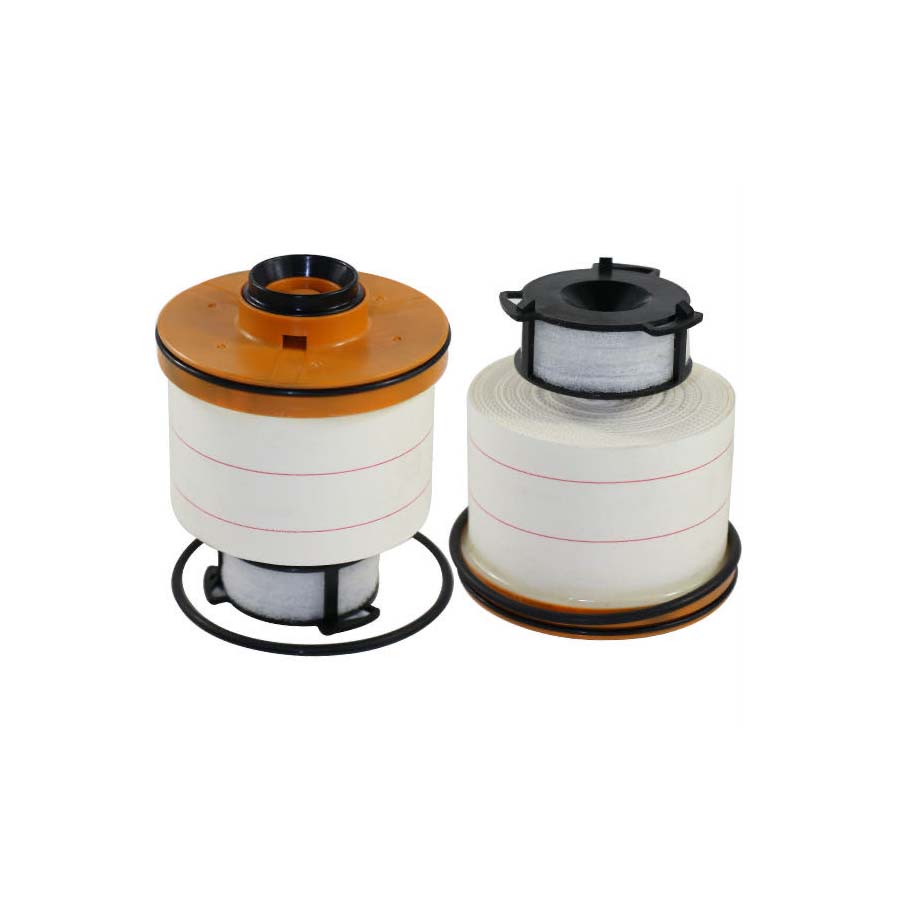 FUEL FILTER
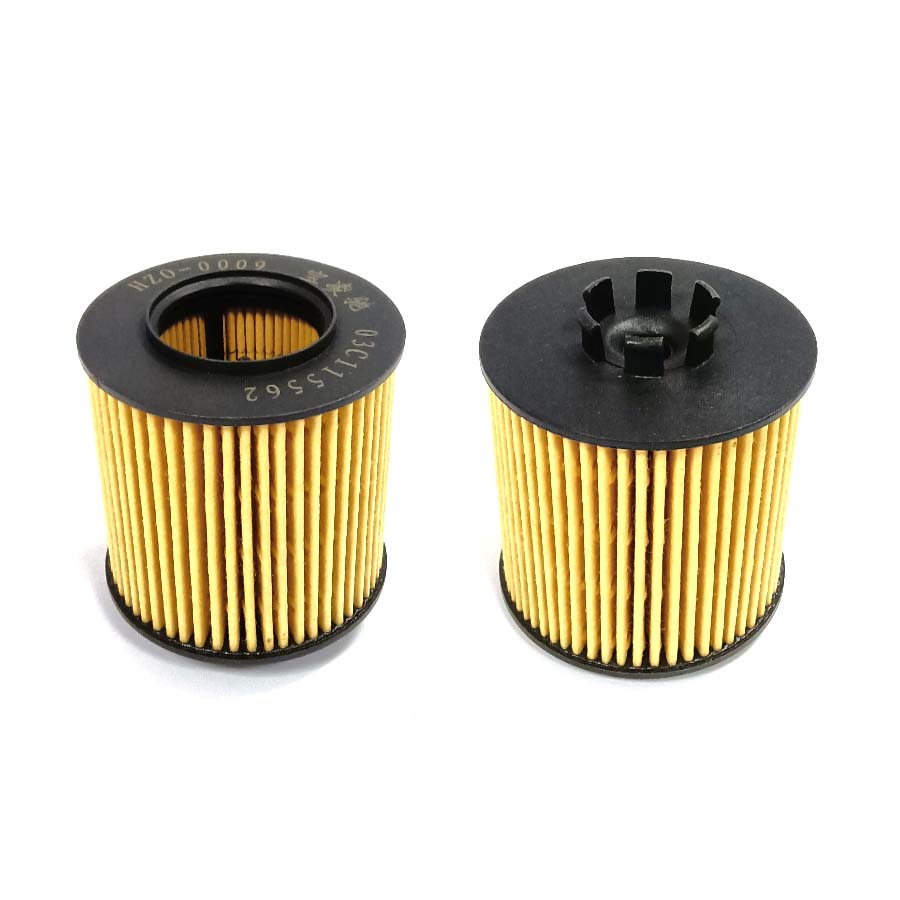 OIL ELEMENT FILTER
 OIL FILTER
 CABIN FILTER
 AIR FILTER