
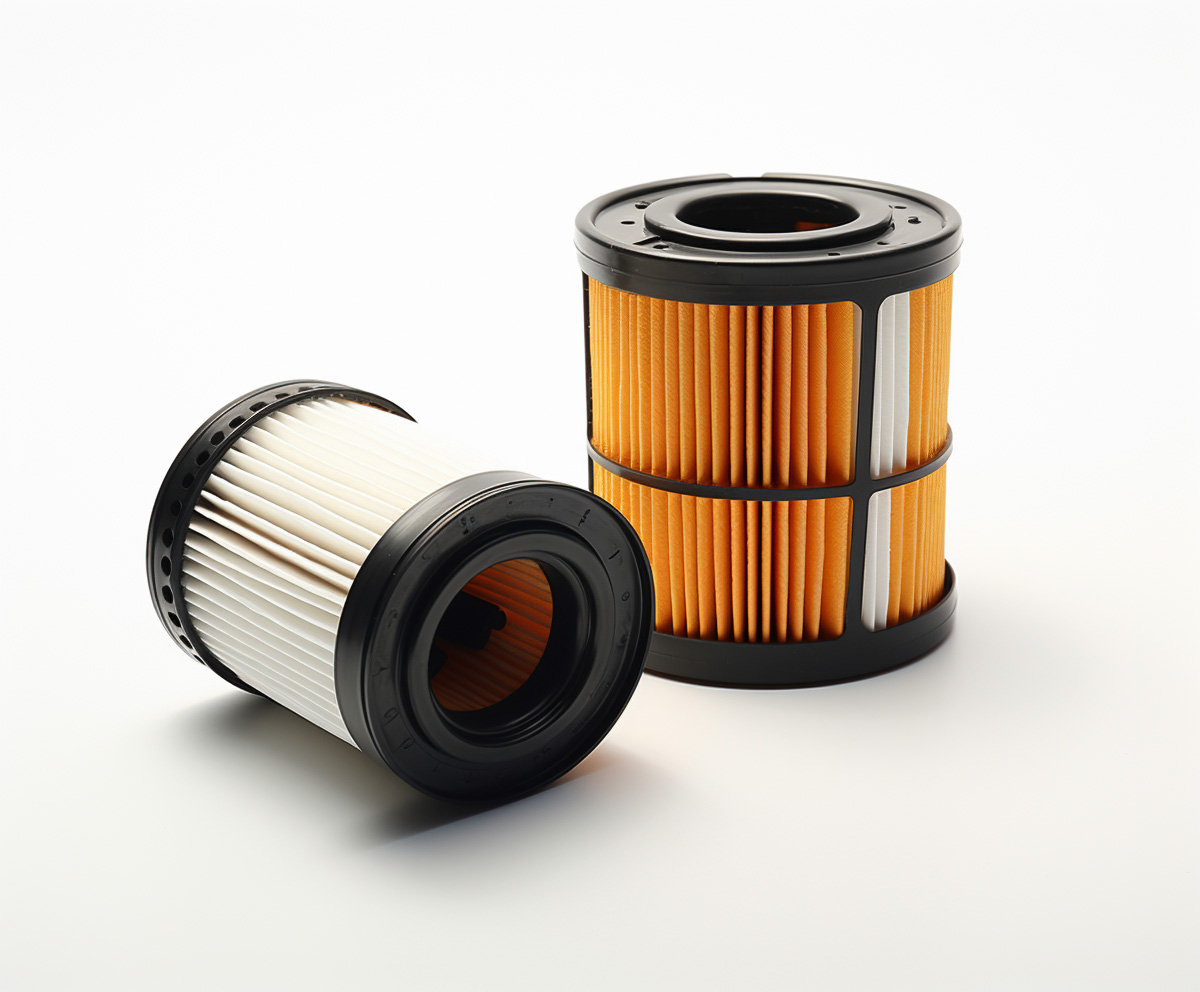
 Products
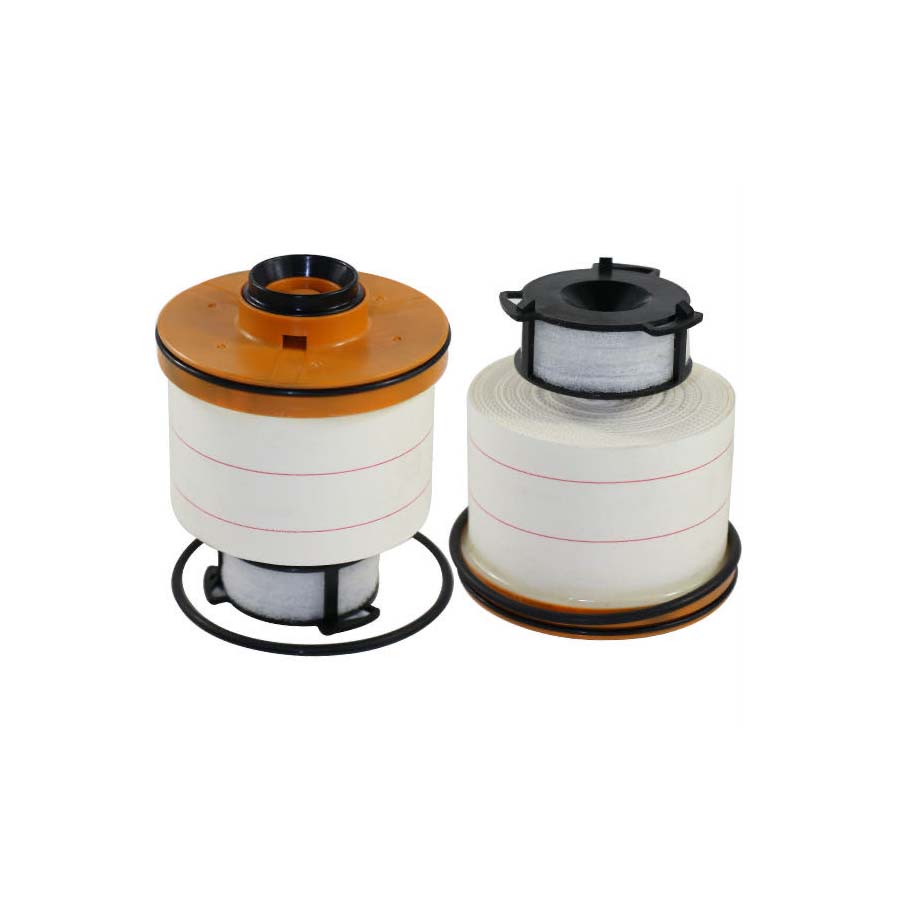 FUEL FILTER
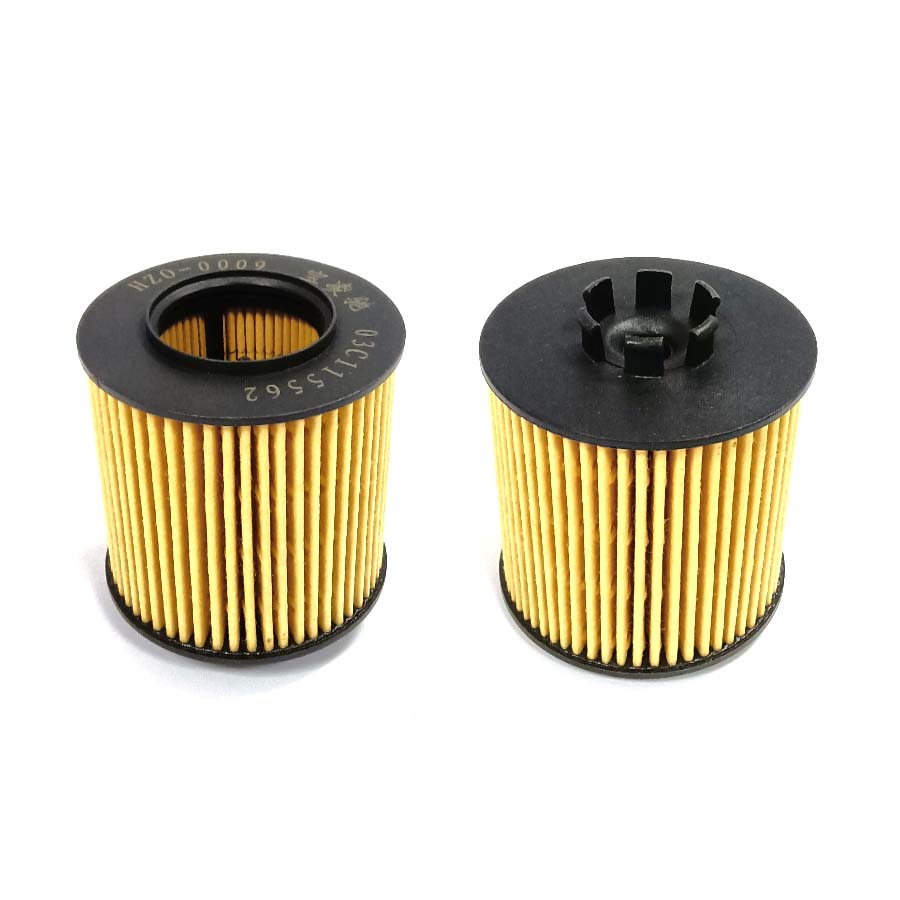 OIL ELEMENT FILTER
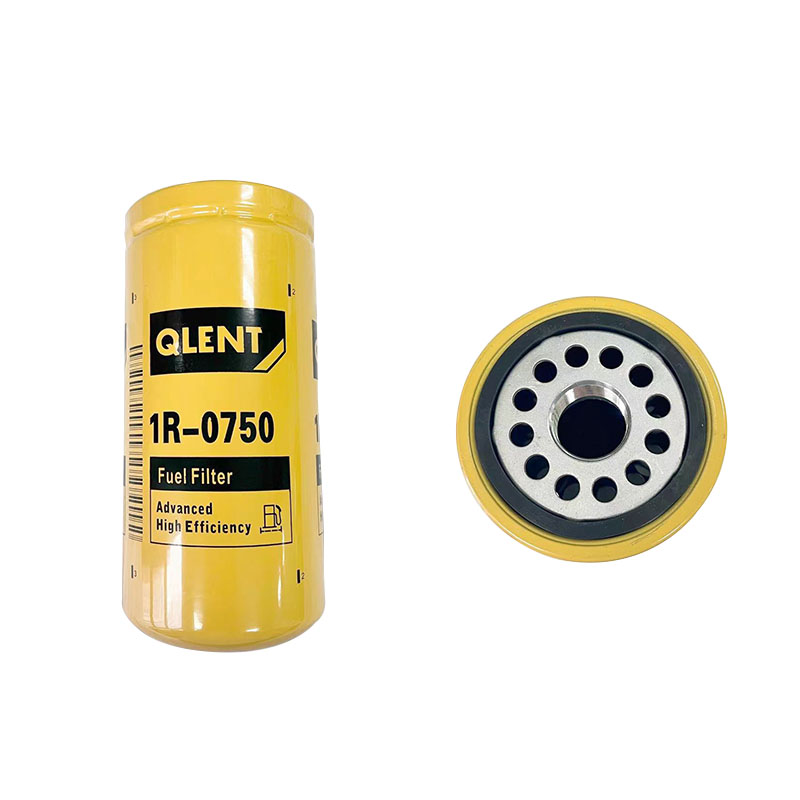 OIL FILTER
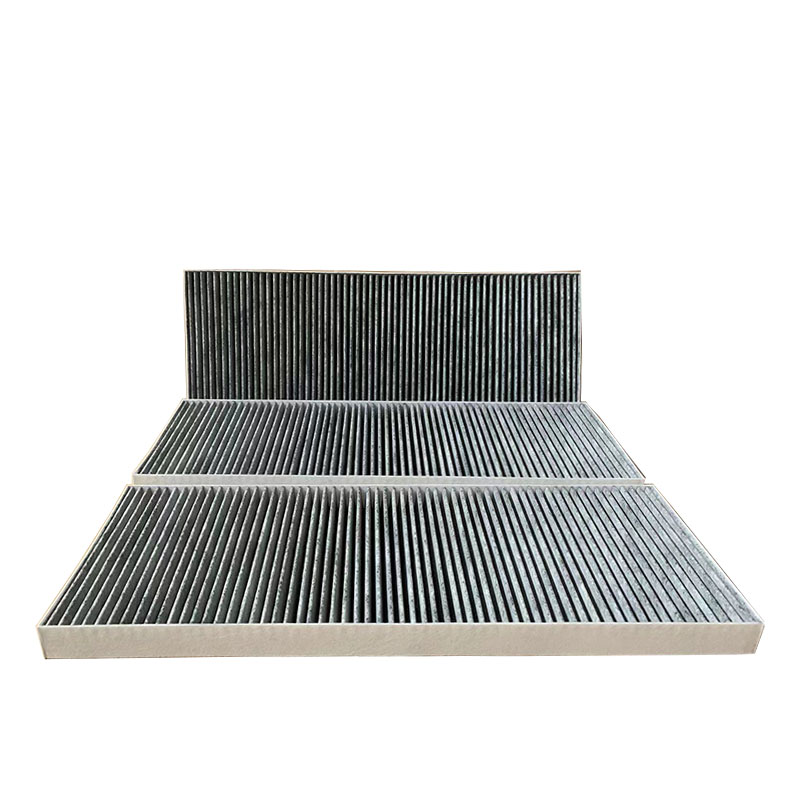 CABIN FILTER
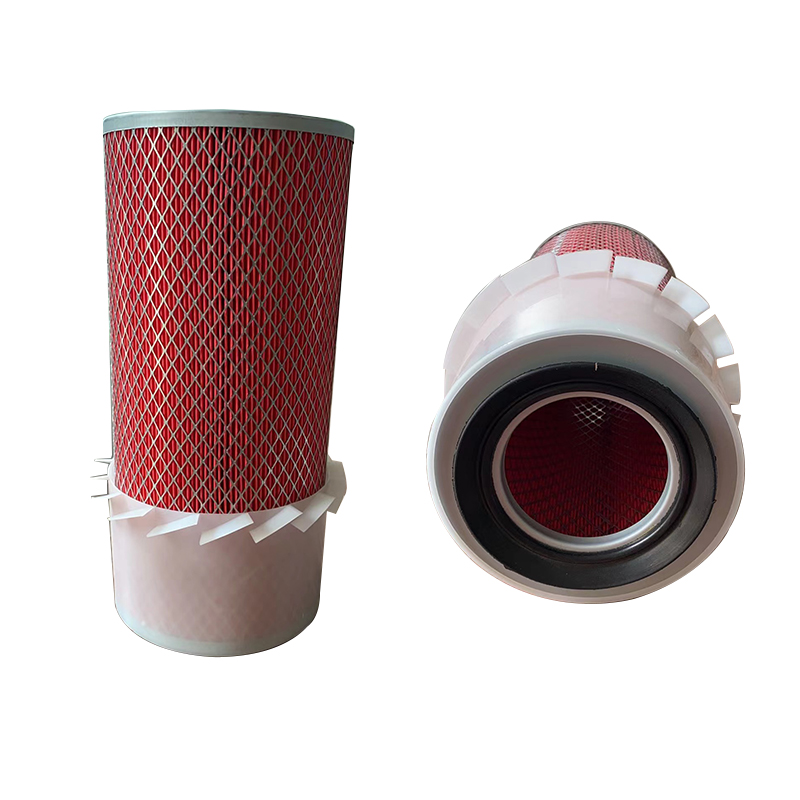 AIR FILTER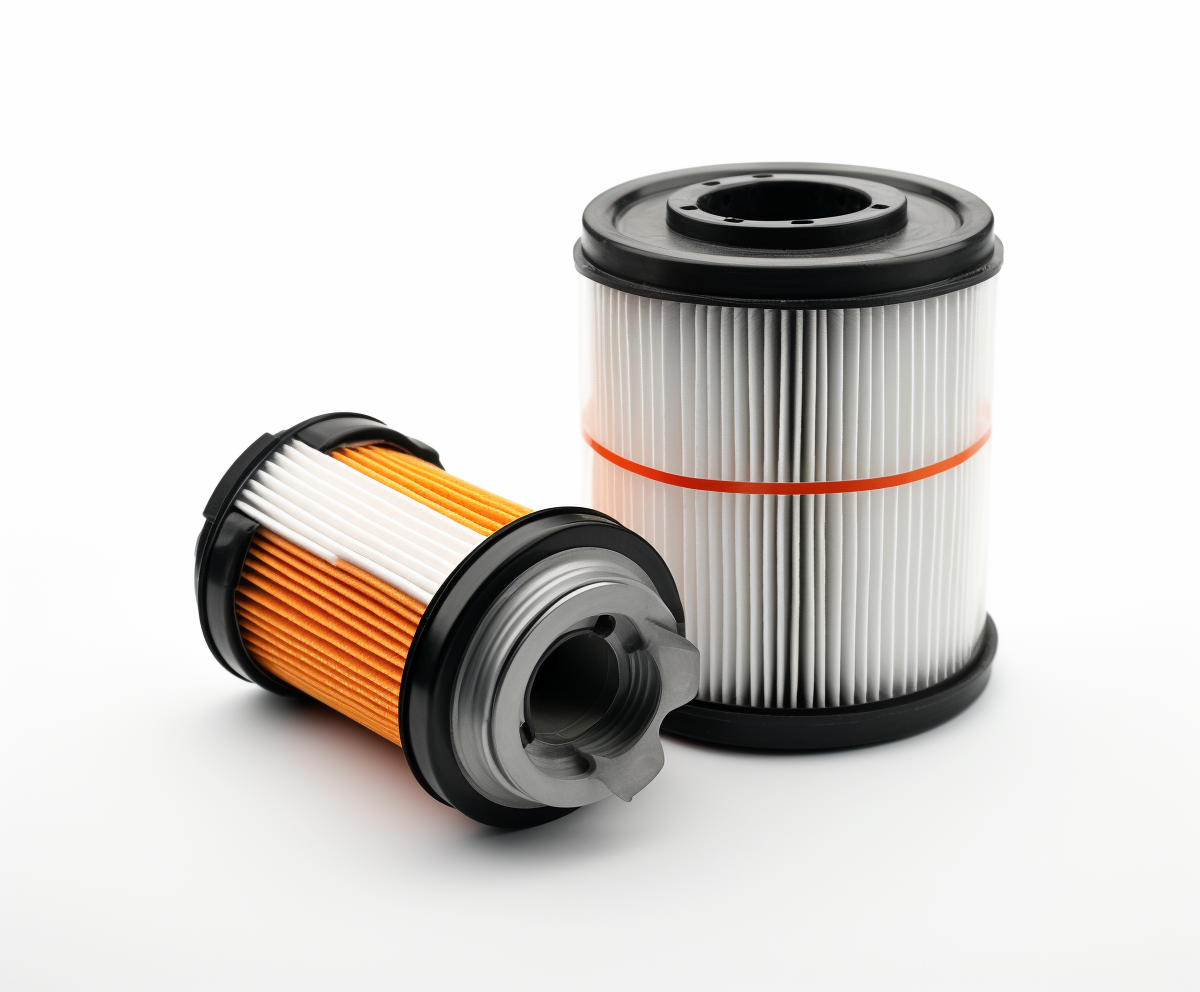

Inquiry
Form loading...
You know, the demand for vehicle filters around the world is really taking off this year! There are a bunch of important reasons behind this shift that’s shaking up the automotive industry in 2023. People want better vehicle performance and, let’s be real, we’re all becoming more aware of environmental concerns. Industry experts say that the automotive filter market is expected to hit a whopping USD 22.96 billion by 2026, with a good growth rate of about 5.1% each year from 2021 to 2026. Pretty cool, right? This surge in demand is being driven by more folks buying cars, tougher emissions rules, and a stronger emphasis on clean air. One of the key players in this lively market is Ningbo Hongzhuo Filter Co., Ltd. They’ve been around since 2013, focusing on making high-quality automotive filters. They offer a wide range of products—think Air Filters, cabin filters, and oil filters—which puts them in a great spot to cater to the changing needs of the automotive world as things keep evolving.

You know, as everyone gets more focused on the environment these days, stricter rules are popping up to cut down on vehicle emissions. It’s pretty clear that these new regulations are shaking things up for Vehicle Filters—they’re super important for keeping nasty pollutants from leaking into the air. So now, manufacturers have to step up their game, designing filters that not only meet these new standards but also boost vehicle efficiency. Yep, the push for advanced materials and clever filtration tech is becoming a big deal in the automotive world, especially since everyone wants to keep customers happy while following the rules.
By the way, it’s a good idea to keep an eye on your vehicle's filters—make sure to swap them out when needed. Not only does this help the environment, but it can also up your fuel efficiency and reduce wear on your engine. Win-win, right?
And, you won’t believe it, but countries all around the world are tightening their emission standards, which is really making waves in the vehicle filter market. Manufacturers are pouring money into research and development to come up with high-performance filters that can handle these new challenges. This shift isn’t just about the filters themselves; it’s changing the whole supply chain, nudging everybody toward greener practices.
Oh, and here’s a tip: When you're shopping for new filters, look for ones that are certified to meet the latest environmental standards. This ensures your ride is up to snuff with the regulations and gives a little boost to the planet, too.
You know, the automotive industry is really shaking things up with some cool advancements in filtration systems. These days, they’re not just nice-to-haves; they’re super important for keeping up with environmental regulations and what consumers want. Nowadays, vehicle filters aren’t just about making sure your engine runs smoothly; they’ve become these high-tech components that help improve air quality and boost fuel efficiency. Thanks to new materials – like those HEPA filters – manufacturers can now catch even the tiniest particles, which means way better air inside vehicles. That’s definitely a win for everyone’s health, right?
And let’s not forget about electric vehicles (EVs). They’re pushing the envelope when it comes to filtration technology. With fewer traditional engines on the road, there’s a growing need for filtration systems that can tackle battery cooling and HVAC needs in these rides. New designs are coming out, focusing on keeping EV batteries running cool, which not only helps them last longer but also makes them perform better. This shift meets those tough environmental standards AND caters to people who want a cleaner, quieter, and more efficient driving experience. As the auto industry keeps innovating, you can bet that filtration technology will play a bigger and bigger role, changing the game for vehicle maintenance and sustainability.

In 2023, there's been a real growth in people paying attention to air quality and health, and it's changing the game when it comes to the demand for vehicle filters. With pollution hitting new highs in cities, folks are starting to realize just how much bad air can affect their well-being. It's like a light bulb went off! This isn't just about how we choose to live; it's making people actively search for cars that come with top-notch filtration systems to keep the nasty stuff out. Suddenly, vehicle filters aren’t just another car part—they're becoming essential for keeping drivers and passengers healthy.
This shift in how people see things has caused a big jump in the popularity of high-performance filters that can catch harmful particles and allergens. It’s not just about the car running smoothly anymore; people care about how their rides are affecting the air they breathe. The automotive industry is catching on and stepping up, creating filters that promise better air quality, which totally resonates with consumers who want cleaner air inside their cars. As more and more folks lean into health-focused choices, it looks like awareness around vehicle filters is going to keep growing, shaking up the industry and pushing for even better filtration tech down the line.
You know, there's been a real boom in electric vehicles (EVs) lately, and it's having a big impact on the filtration market, especially when it comes to the specific needs of EV parts. As we're seeing more folks switch to EVs, manufacturers are scrambling to keep up with the rising demand for high-tech vehicle filters. One key area is ensuring that these filters can handle the electromagnetic compatibility (EMC) requirements for battery systems. According to a report from MarketsandMarkets™, the EMC filtration market is set to jump from about $1.26 billion in 2025 to roughly $1.59 billion by 2030. That's a compound annual growth rate (CAGR) of 4.7%, which is pretty impressive! This growth is mainly due to improvements in cables, especially those using Nickel Manganese Cobalt (NMC), along with the rise of solid-state batteries. Those parts really need tough filtering solutions to avoid interference and keep things running smoothly.
Plus, places like Georgia are popping up as major centers for EV manufacturing, which is only speeding up the need for specialized vehicle filters that can cope with the complexities of new tech. We've also got more businesses—like car wash operators—catching onto the fact that there are more electric vehicles hitting the road. This just highlights how much the market for filtration systems is expanding. As the whole industry adapts, it’s not just about making vehicles anymore; it’s also about building up the infrastructure to support these changes, like electric vehicle charging stations. So, having a solid approach to filtration is going to be key in meeting the rising standards for efficiency and safety in the fast-growing electric vehicle world.

So, you know how the global supply chain has been all over the place lately? Well, it’s really shaking things up for vehicle filter production, especially in 2023. The whole mess from the COVID-19 pandemic is still causing big disruptions in various supply chains, which means that getting raw materials and the components we need is tougher than ever. Manufacturers are struggling with delays in sourcing those essential materials, and that's bumping up production costs and dragging out lead times for vehicle filters. It's not just the automotive industry feeling the heat; all kinds of sectors that rely on smooth supply chains are getting hit too.
And let's not forget about the geopolitical tensions and trade restrictions that are adding more complexity to the situation for vehicle filter production. Companies are stuck navigating through a bunch of tariffs, trade agreements, and import/export regulations, which can seriously slow down their access to needed components. Because of all this, a lot of manufacturers are starting to think about diversifying their supply chains or bringing some production closer to home to reduce risks. With the demand for high-performance vehicle filters skyrocketing, it’s super important for producers to adapt to these shifting supply chain challenges so they can keep meeting consumer needs without compromising on quality.
Hey, have you noticed how the automotive aftermarket is really changing these days? More and more people are getting serious about the maintenance and performance of their vehicles, and it's leading to a big shift towards filter solutions. The market's on track to hit around $641.8 billion by 2030—can you believe that? And those vehicle filters? They’re absolutely crucial if you want your ride to run efficiently and last longer. It’s all part of a larger trend where folks are really leaning into high-quality aftermarket components. With electric vehicles becoming more common, there’s a growing need for filters that are just right for them too.
To keep up with all this change, companies in the industry are teaming up to make advanced filter products more available and accessible. These partnerships are really spotlighting how innovative filtration technologies can meet this rising demand. And get this—the market for automotive air filters is expected to grow a ton as well! This is really making the aftermarket realize just how valuable high-performance filters are, especially since consumers today are looking for products that don’t just work but meet those tough standards. Honestly, this whole shift is changing not just what’s out there in stores, but how we think about taking care of our vehicles, putting quality right at the top of the list over just getting by with the basics.
Maximizing your engine's life is crucial for maintaining vehicle performance and longevity, and one of the most effective ways to achieve this is by using high-quality oil filters. The Auto Car Oil Filter 071115562A is designed to meet the stringent demands of various vehicle models, including FORD, CHRYSLER, JEEP, and MITSUBISHI, ensuring that your engine operates smoothly and efficiently.
According to industry reports, substandard oil filters can result in significant engine wear, leading to decreased performance and costly repairs. Quality oil filters, such as the 071115562A, are constructed to deliver superior filtration capabilities, effectively trapping contaminants and maintaining optimum oil flow. This ensures that the engine is lubricated with clean oil, thereby reducing the risk of sludge buildup and extending engine life. The operational efficiency of your vehicle significantly depends on using components that adhere to high-quality standards, and our filters are certified with IOS 9001:2015 and IATF 16949:2016.
In addition, the Auto Car Oil Filter supports customization to meet specific needs, with a minimum order quantity of 300 pieces for neutral packages and 500 pieces for custom branding. With fast delivery times of 15 to 20 days after deposit and reliable shipping from Ningbo or Shanghai, you can rely on the Auto Car Oil Filter to safeguard your vehicle's engine and enhance its performance for years to come.
: The main advancements include the use of high-efficiency particulate air (HEPA) filters to capture smaller contaminants, improving air quality inside vehicles, and enhancing fuel efficiency.
The rise of EVs has spurred innovations in filtration technology, particularly for battery cooling and HVAC systems, optimizing thermal management and improving battery performance.
The EMC filtration market is projected to grow from USD 1.26 billion in 2025 to USD 1.59 billion by 2030, with a compound annual growth rate (CAGR) of 4.7%.
Advanced filters are needed to address the unique filtering requirements of EMC in battery systems and to ensure optimal performance and reliability of EV components.
Supply chain disruptions caused by the COVID-19 pandemic have led to challenges in sourcing raw materials, increasing production costs, and longer lead times for vehicle filters.
Manufacturers are considering diversifying their supply chains or localizing production to mitigate risks associated with geopolitical tensions and trade restrictions.
Modern vehicle filters are crucial for complying with stringent environmental regulations by maintaining engine performance and improving air quality, thereby reducing emissions.
The growing demand for electric vehicles accelerates the need for tailored filtration systems that can manage the complexities of new EV technologies, enhancing industry infrastructure.
Manufacturers face delays in sourcing essential materials, resulting in increased production costs and the potential for compromised product availability.
Clean air is vital for ensuring better health and safety for drivers and passengers, as advanced filtration systems effectively capture airborne contaminants inside vehicles.


