
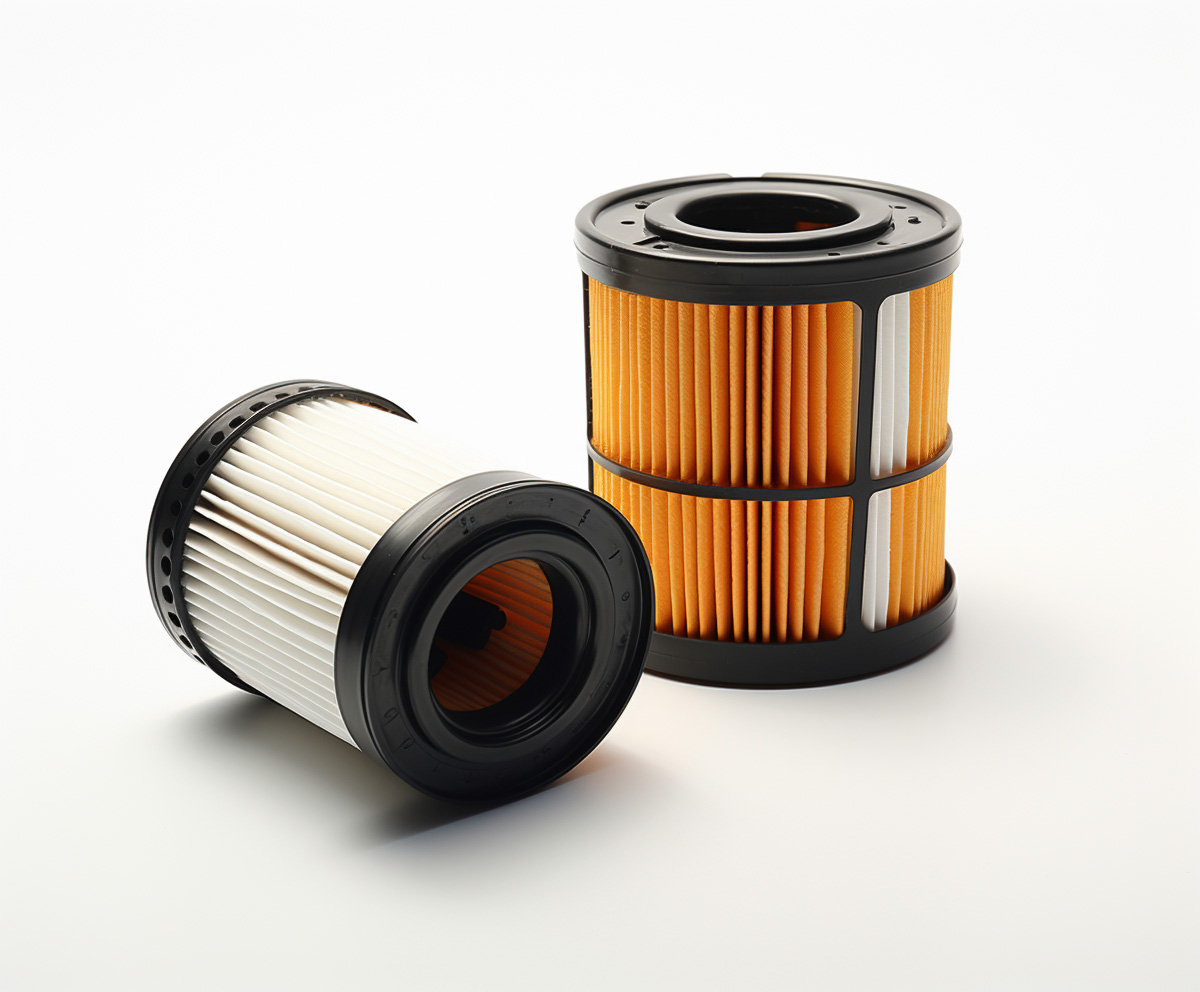
 Products
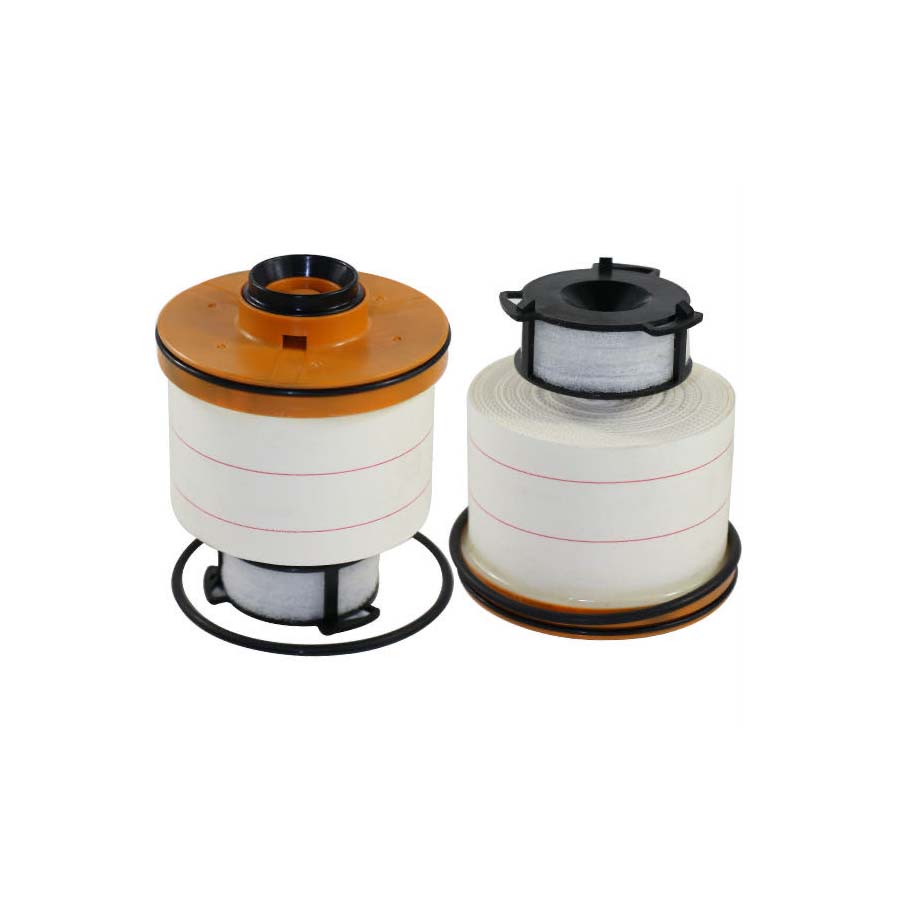 FUEL FILTER
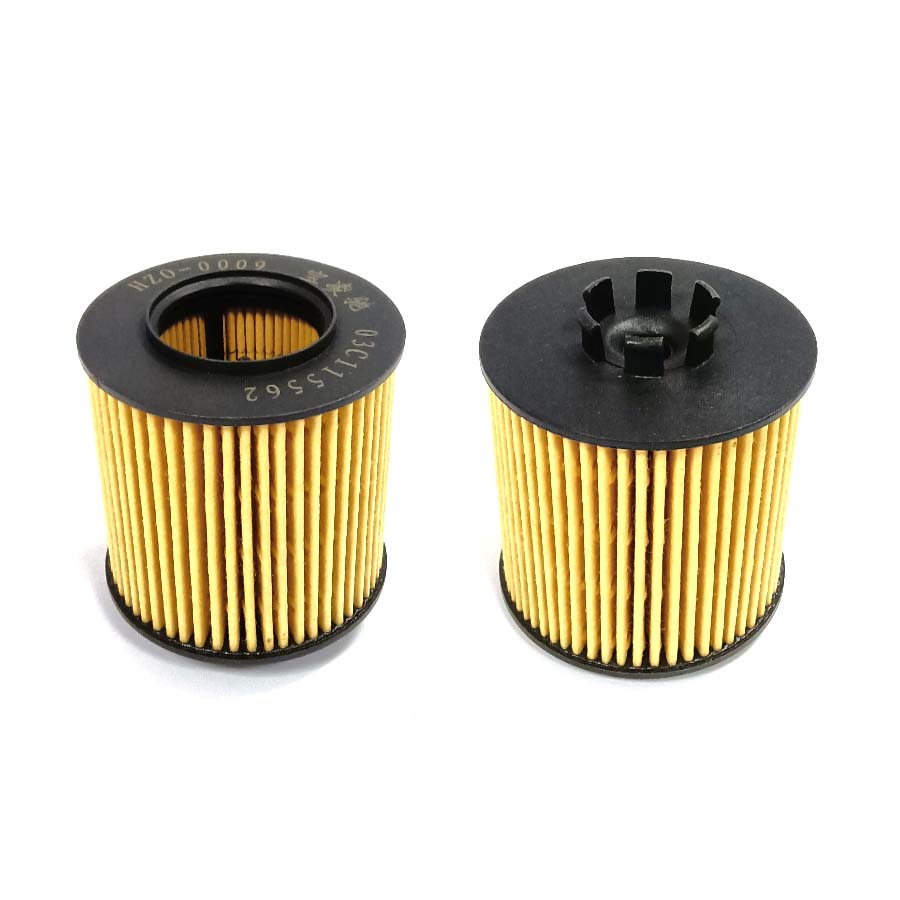 OIL ELEMENT FILTER
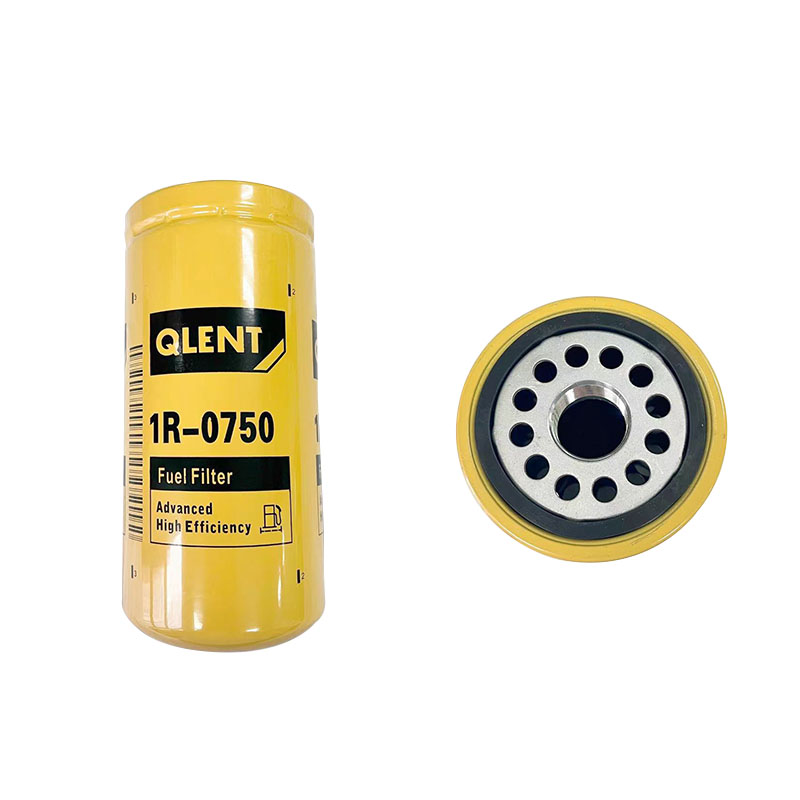 OIL FILTER
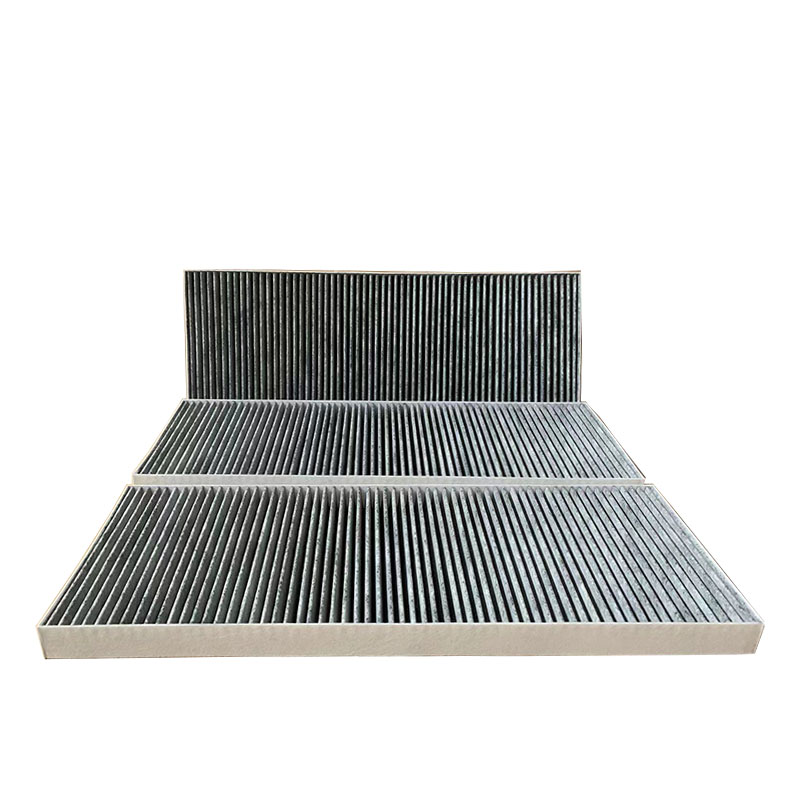 CABIN FILTER
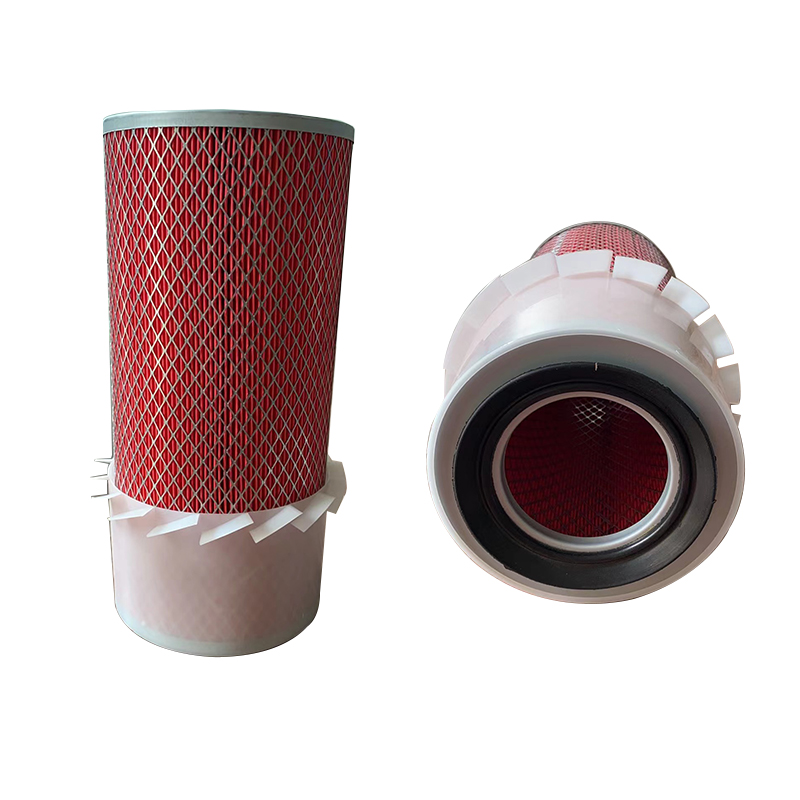 AIR FILTER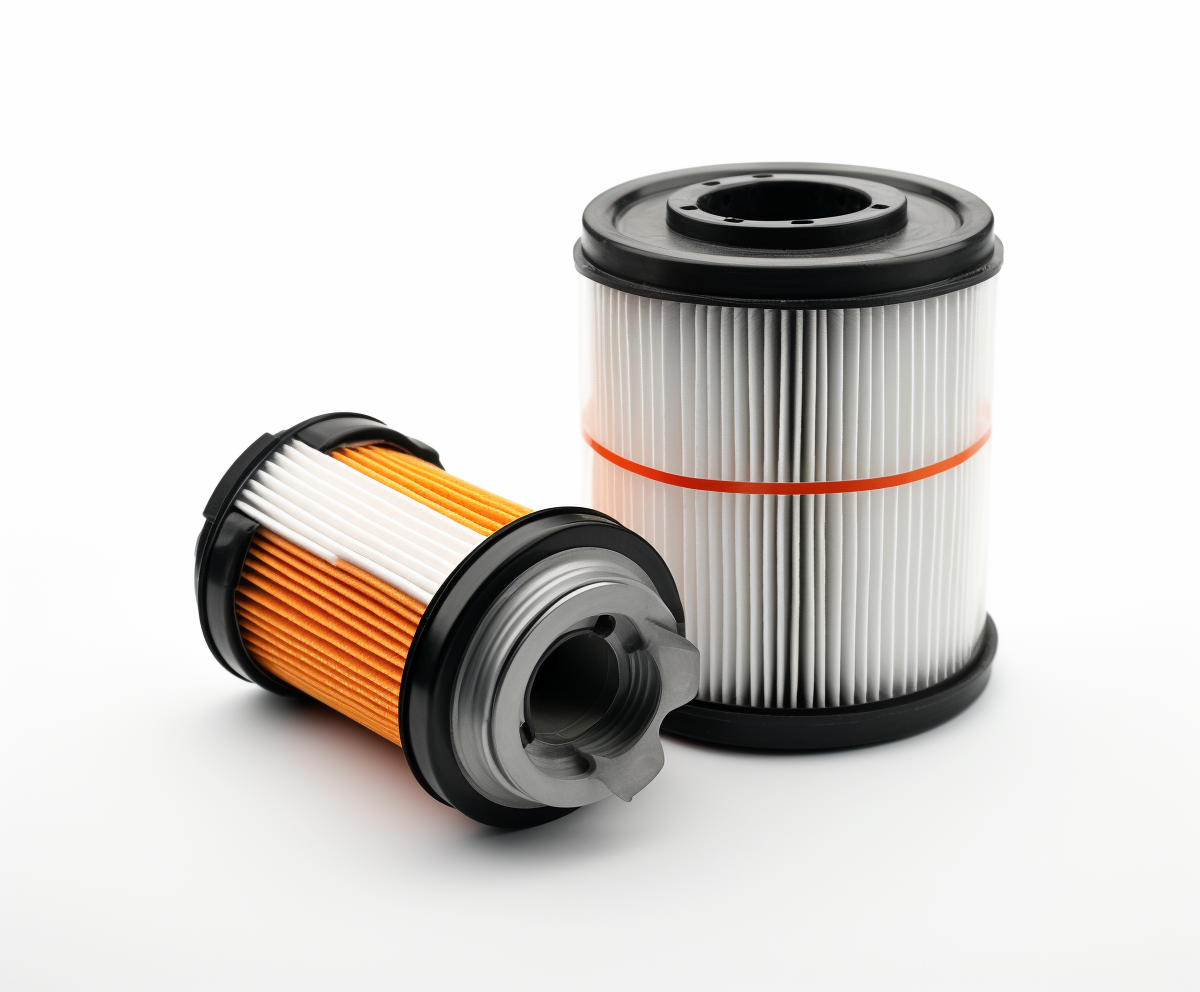

Inquiry
Form loading...
Hey there! Nowadays, in the world of cars, the demand for top-notch auto Oil Filters is through the roof. You know, as cars get fancier with all these advanced engine technologies, having reliable filters is super important for keeping everything running smoothly and lasting longer. Companies like Ningbo Hongzhuo Filter Co., Ltd. – yeah, they’re based in Ningbo City, Zhejiang Province – totally get this. They’ve been around since 2013, and they really focus on making all sorts of automotive filters, especially those high-quality oil filters that meet strict international standards.
In this blog, we're going to dive into some cool strategies for sourcing high-quality auto oil filters from all over the globe. We’ll talk about why it’s crucial to pick the right suppliers and materials to really nail down product excellence. The automotive market is changing fast, and manufacturers need to stay on their toes by using effective sourcing strategies that not only improve their products but also boost their presence in the market. So, stick around as we explore the best practices for sourcing those quality auto oil filters, and see how companies like Ningbo Hongzhuo Filter Co., Ltd. are really raising the bar in the industry.

You know, the global market for auto oil filters really rides the wave of all sorts of demand and supply factors, which pretty much mirror what's happening in the automotive industry as a whole. With technology speeding ahead, having top-notch oil filters is super important these days. Recent studies show that there's a growing focus on how well these filters can work and whether they fit high-performance engines. A lot of this shift is coming from the automotive aftermarket, where some serious innovations have led to fancy new filtration options. Now, let’s talk about the emerging markets in Asia—these guys are becoming a big deal in terms of future demand for auto oil filters. As more people buy cars and start taking vehicle maintenance seriously, these markets are brimming with opportunities for suppliers. Plus, there’s this whole sustainability movement going on, pushing manufacturers to create eco-friendly filtration solutions. This shift is perfect for attracting customers who care about the planet. It’s fascinating how the push for new tech and being environmentally responsible is really shaping strategic sourcing decisions. And let’s not forget about the competitive scene! It’s constantly shifting as companies try to lock in their spots in the market. We're seeing more partnerships and collaborations between filter makers and car manufacturers, which is great for spurring innovation and making supply chains run smoother. For anyone in the business, keeping an eye on these trends is key if you want to nail your sourcing strategies and keep up with the dynamics of the global automotive landscape.

When you're out there hunting for top-notch auto oil filters on a global scale, finding trustworthy suppliers is key if you want to make sure your products are top quality and keep your customers happy. You know, a recent report in the industry said that suppliers who really embrace Total Quality Management (TQM) principles tend to run their production processes way more efficiently and score higher on customer satisfaction. TQM is all about making things better bit by bit and listening to what customers have to say. So, if businesses want to up their sourcing game, it's crucial to get on board with that mindset.
So, what should you look for in a reliable supplier? Well, transparency, quick responses, and proven quality control systems are big ones. Interestingly, a study showed that around 86% of consumers check online reviews and ratings to get a sense of product quality. That just goes to show how vital it is to choose suppliers who have a solid reputation and can back it up with genuine customer feedback. And let’s not forget about the environment—many consumers, about 75%, are ready to shell out a little extra for eco-friendly options, so partnering with sustainable suppliers can really pay off.
Platforms like Alibaba can be your best friend when it comes to finding and vetting potential suppliers. They give you a peek into how these suppliers operate, what products they offer, and how their customers rate them. It’s a marketplace that lets brands compare different suppliers and negotiate better deals, which is super helpful for making smarter sourcing choices. As we gear up for 2025, diving into data analytics from these online platforms can take your ability to spot and cultivate relationships with high-quality suppliers to a whole new level, boosting your sales and setting you up for long-term growth.

You know, in today’s super fast-paced automotive world, finding quality auto oil filters efficiently is really key for businesses that want to stay competitive. Thanks to technology, the way companies source these filters has changed a lot. It’s now all about streamlining the process and improving product quality. Digital platforms and advanced analytics give businesses some amazing insights into how suppliers are performing, which helps them pinpoint the best manufacturers out there, no matter where they are.
Plus, AI and machine learning tools are game-changers when it comes to figuring out market trends and what consumers are after. These smart technologies can sift through tons of data, helping companies decide which suppliers are likely to deliver the best oil filters based on past performance and what’s happening in the market right now. And then there's blockchain technology, which adds another layer of trust to the supply chain, making sure every filter's history is locked down and verified.
And let’s not skip over how e-procurement systems simplify the whole communication and transaction dance between buyers and suppliers. With these tools, businesses can keep supplier relationships running smoothly. These platforms usually come packed with features like real-time pricing, inventory management, and order tracking. It’s pretty cool how this digitized approach not only shortens lead times but also boosts collaboration, leading to better quality assurance and a steady supply of auto oil filters worldwide.

In the automotive industry, sourcing quality auto oil filters globally presents unique challenges and opportunities, particularly when evaluating suppliers based on established quality standards and certifications. According to the International Organization for Standardization (ISO), over 1.5 million organizations across 180 countries are certified to ISO 9001, demonstrating their commitment to quality management systems. This widespread adoption of quality standards is crucial for ensuring that suppliers can consistently deliver products that meet rigorous performance criteria.
Moreover, certifications such as the International Automotive Task Force (IATF) 16949 highlight the importance of sector-specific standards in the automotive supply chain. This standard emphasizes defect prevention and the reduction of variation and waste in the automotive industry. Research indicates that companies that utilize IATF 16949-certified suppliers experience up to 30% lower defect rates, which underscores the tangible benefits of sourcing from certified vendors.
As global supply chains increasingly focus on resilience and quality assurance, the implementation of robust quality standards is essential for maintaining competitive advantage. The recent policies implemented by the Chinese government, such as the "Quality Power Construction Outline," further emphasize the importance of quality in all sectors, including automotive components. By prioritizing certified suppliers with proven track records, manufacturers can enhance their supply chain reliability and product excellence in a demanding market.
Finding good auto oil filters around the world can be a real headache, especially when you’re trying to keep shipping and logistics running smoothly. If you want to save some cash while still making sure things arrive on time, you'll need to get a bit creative with your approach to the automotive supply chain. One smart way to do this is by using technology like real-time tracking and automated inventory management systems. These handy tools let businesses keep an eye on shipments and stock levels, making sure they’ve got what they need when they need it – without racking up extra storage fees.
But it’s not all about tech! Working with local suppliers can really boost your logistics game. By teaming up with manufacturers in key areas, companies can cut down on shipping distances and lower their costs. This not only speeds everything up but also helps shrink the carbon footprint from all that transport. Plus, think about consolidating your shipments! This can save a bundle on freight costs by making the most out of container space and cutting down on the number of trips you need to take.
Lastly, using supply chain analytics can really sharpen your decision-making skills. Digging into data about shipping routes, carrier performance, and demand trends can help businesses spot chances to optimize their operations. This proactive mindset allows for tweaks that can save money and ensure better service delivery. With these budget-friendly strategies, sourcing auto oil filters can become a lot smoother and more cost-effective, guaranteeing that quality products reach customers on the regular.
You know, when it comes to sourcing quality auto oil filters from all over the globe, building long-term partnerships with manufacturers and distributors is super important. As businesses start to explore more sustainable options, creating strong relationships throughout the supply chain can really pay off. I saw a recent industry report that mentioned companies focusing on collaboration with their suppliers actually saw a 20% bump in efficiency and a 15% drop in costs. Isn’t that wild? It goes to show that these strategic partnerships can make a difference, not just by boosting the quality of the parts but also improving how organizations operate overall.
When it comes to automotive parts, having a close-knit relationship with manufacturers can spark innovations and keep quality consistent. Just think about it—by communicating openly and sharing a vision for success, companies can make sure their oil filters not only meet regulations but also meet what customers expect. Plus, these collaborations help businesses stay responsive to market demands, which means quicker lead times and smarter inventory management.
Sustainability is a huge deal in the auto industry nowadays too. Adopting eco-friendly practices really takes teamwork across the supply chain. Research shows that companies that focus on sustainable sourcing tend to build higher customer loyalty and trust in their brand. By partnering up with an eye on ethical practices, businesses can not only shrink their environmental footprint but also carve out a solid reputation in today’s increasingly conscious marketplace. In the end, this long-term approach to sourcing auto oil filters sets up a business model that’s more resilient and competitive. Isn’t that the goal?
And get this: using cool analytics tools means businesses can monitor their supply chain performance in real time. That’s a total game changer! They can switch gears on the fly if they notice a supplier isn’t coming through or if there’s a hiccup with raw material availability. By setting up key performance indicators based on these data-driven insights, companies can make sure they always have a steady flow of quality auto oil filters. That’s what leads to happier customers and building loyalty over time. So, really, jumping on the data analytics bandwagon for sourcing decisions is all about navigating the wild complexities of the global market and snagging the best products for the folks who count on you.
In recent years, the automotive industry has increasingly focused on sustainable practices, particularly in the sourcing of auto oil filters. Eco-friendly sourcing not only addresses environmental concerns but also meets the growing demand from consumers for greener products. According to a report from the International Automotive Components Group, up to 40% of the total vehicle lifecycle emissions can be attributed to the manufacturing and disposal of components, including oil filters. This statistic highlights the urgency of adopting sustainable sourcing strategies.
To foster sustainability, manufacturers are shifting towards the use of recycled materials in filter production. The U.S. Environmental Protection Agency (EPA) indicates that recycling used oil filters can recover around 80% of the steel content, significantly reducing waste and lowering the carbon footprint associated with raw material extraction. Furthermore, researchers from the Automotive Research Association of India emphasize that filters made from biodegradable materials not only offer performance benefits but also contribute to minimizing landfill impact.
Companies are also implementing circular economy models, where used oil filters are not just disposed of but instead collected and refurbished for resale. A recent study from the Centre for Automotive Research reported that this practice could reduce the demand for virgin materials by up to 30%. Investing in sustainable practices not only aligns with corporate social responsibility goals but also enhances brand image as consumers become increasingly environmentally conscious. As such, embracing eco-friendly practices in sourcing auto oil filters is not just a trend, but a vital shift in the automotive supply chain.
Key quality standards include ISO 9001, which focuses on quality management systems, and IATF 16949, which emphasizes defect prevention and waste reduction in the automotive industry.
Over 1.5 million organizations across 180 countries are certified to ISO 9001.
Companies that utilize IATF 16949-certified suppliers experience up to 30% lower defect rates, illustrating the tangible benefits of these certifications.
Technology, such as real-time tracking systems and automated inventory management software, helps businesses monitor shipments and manage inventory effectively, reducing storage costs and ensuring timely delivery.
Collaborating with local suppliers can shorten shipping distances and costs, helping to minimize lead times and reduce the environmental impact of transportation.
Consolidating shipments maximizes container space and reduces the number of trips needed, leading to savings on freight costs.
Supply chain analytics allows businesses to analyze data on shipping routes, carrier performance, and demand patterns, facilitating better decision-making and optimization opportunities.
Prioritizing certified suppliers helps manufacturers enhance supply chain reliability and maintain product excellence in a competitive market.
The "Quality Power Construction Outline" implemented by the Chinese government emphasizes the critical role of quality in all sectors, including automotive components.
By adopting real-time tracking systems and inventory management software, companies can monitor supply levels and have the right products available without excessive storage costs.


