
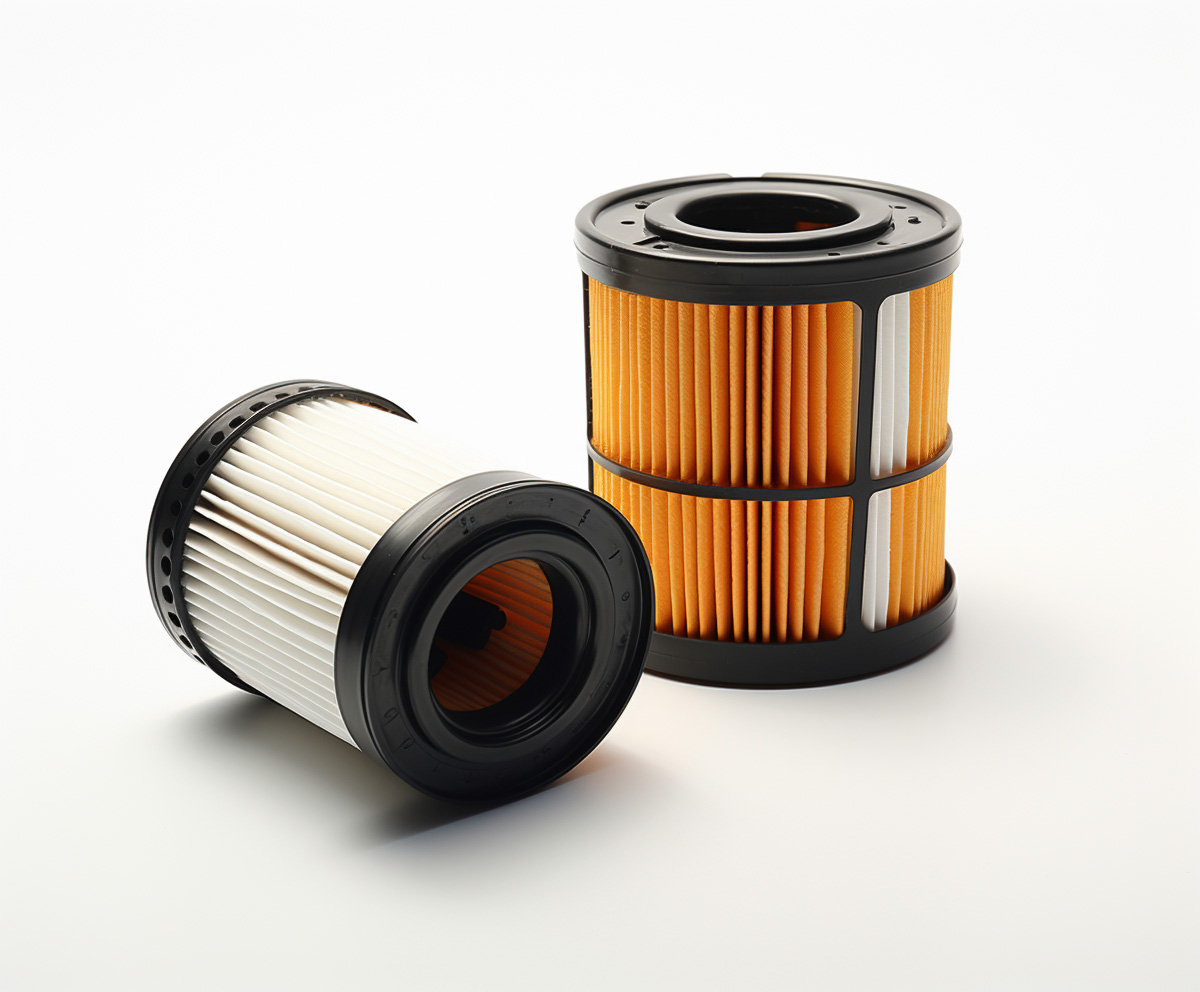
 Products
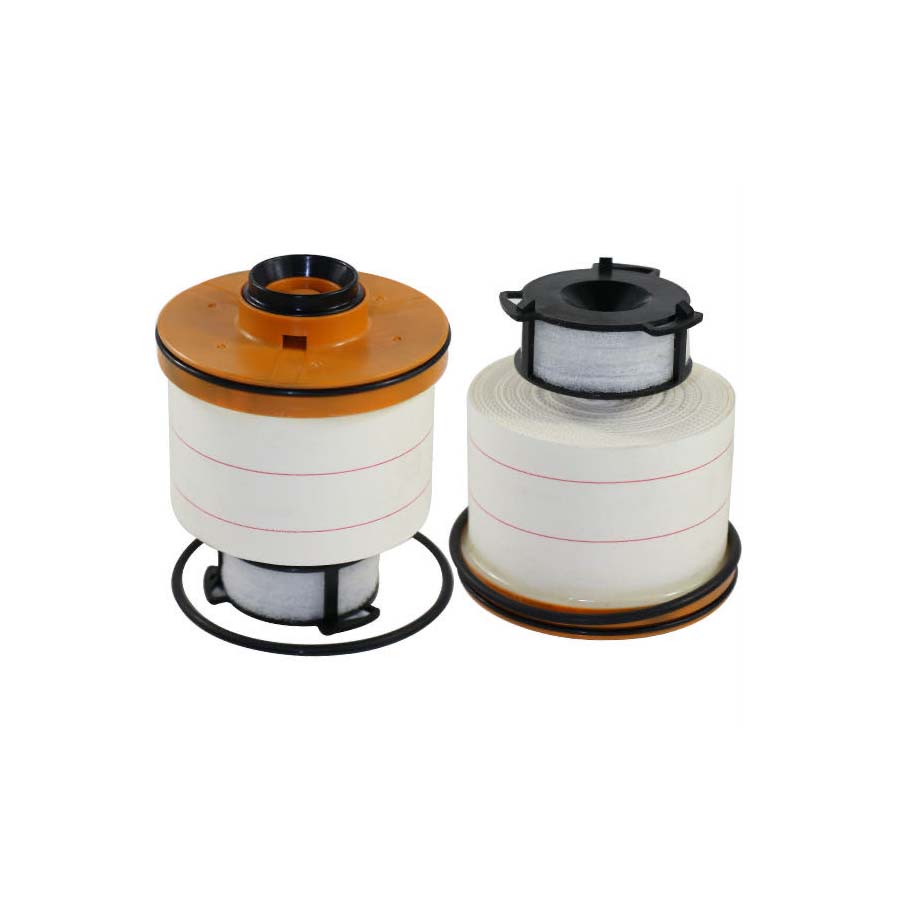 FUEL FILTER
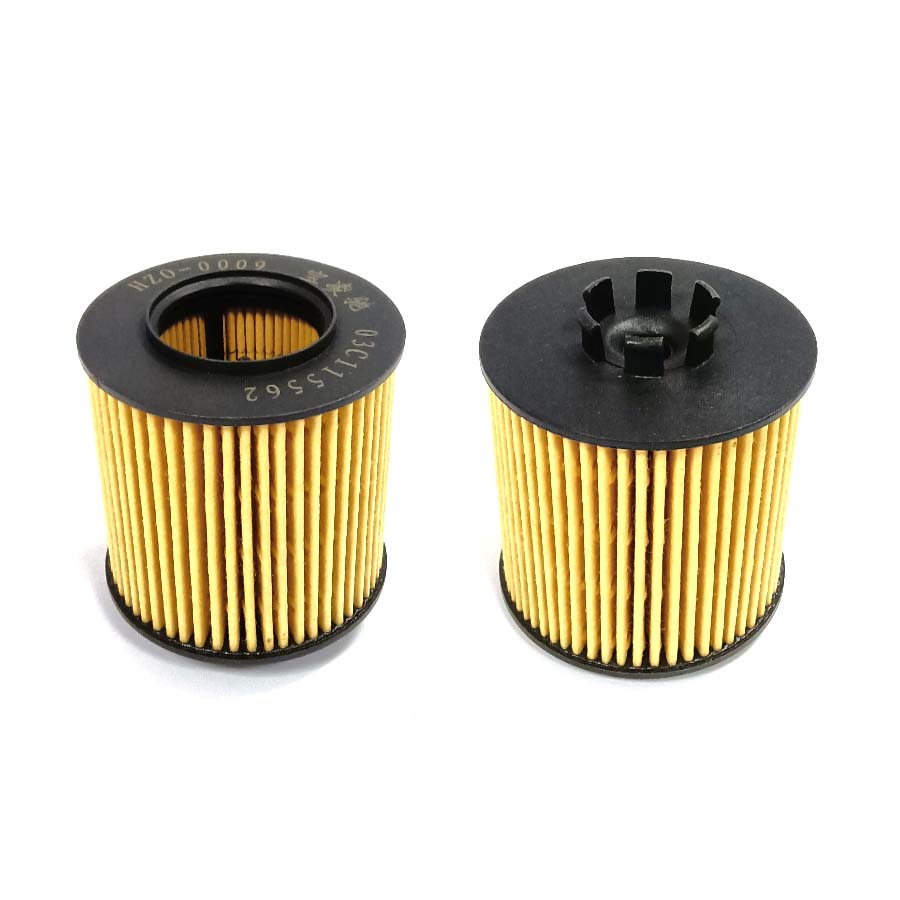 OIL ELEMENT FILTER
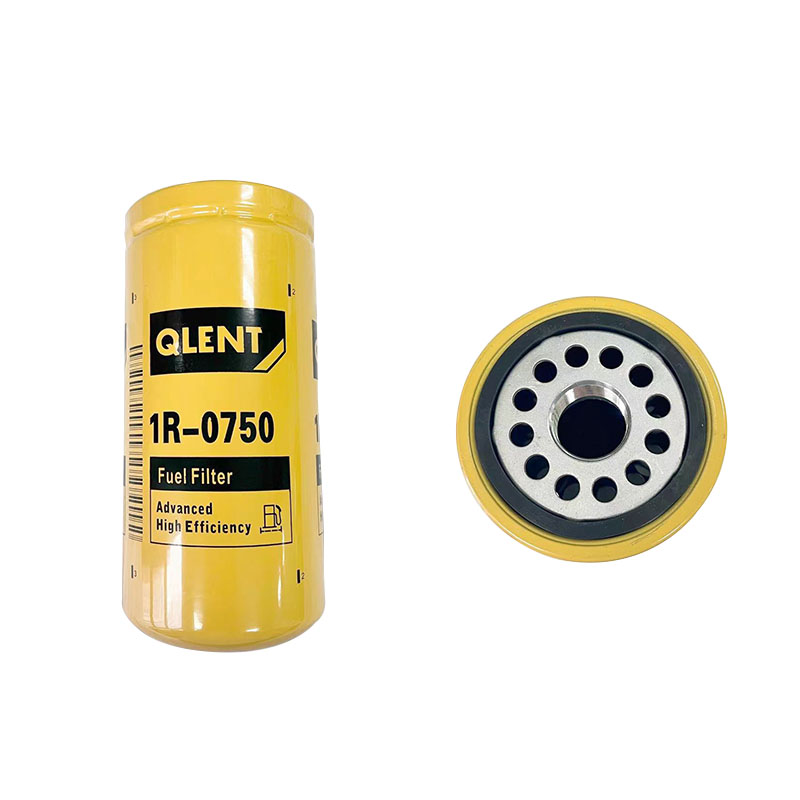 OIL FILTER
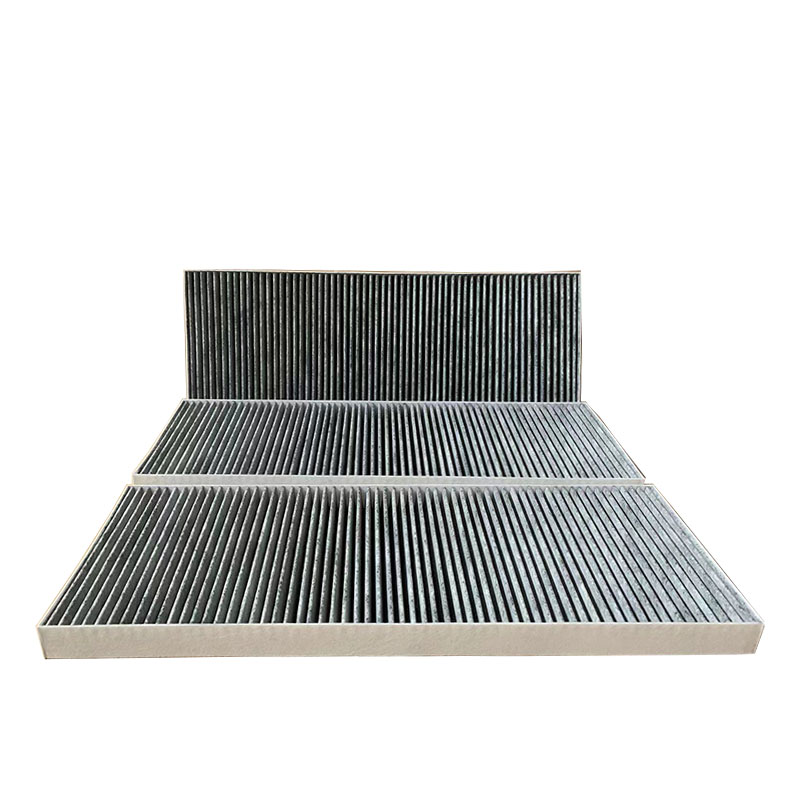 CABIN FILTER
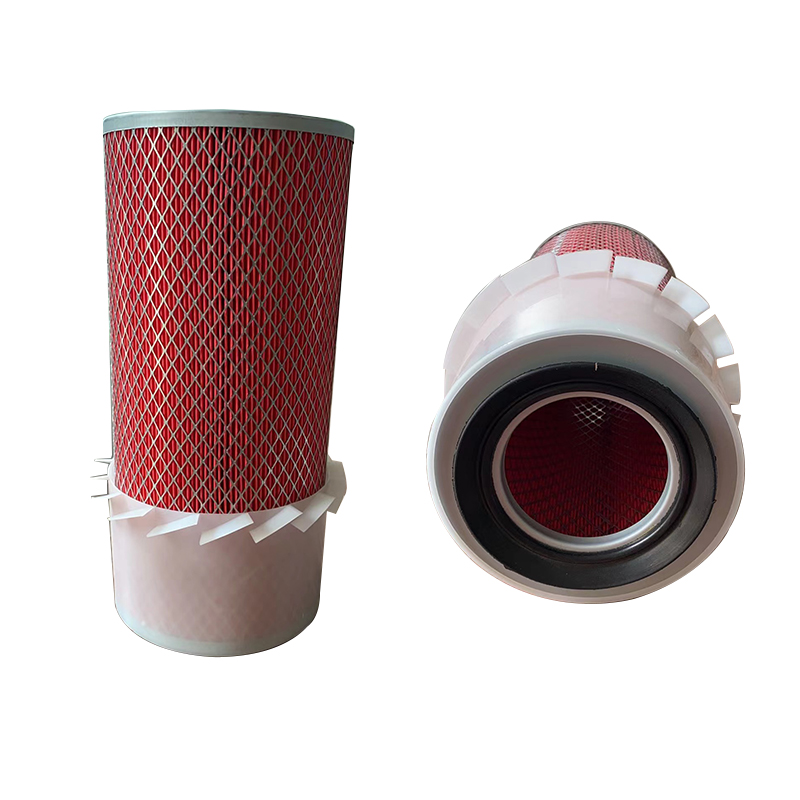 AIR FILTER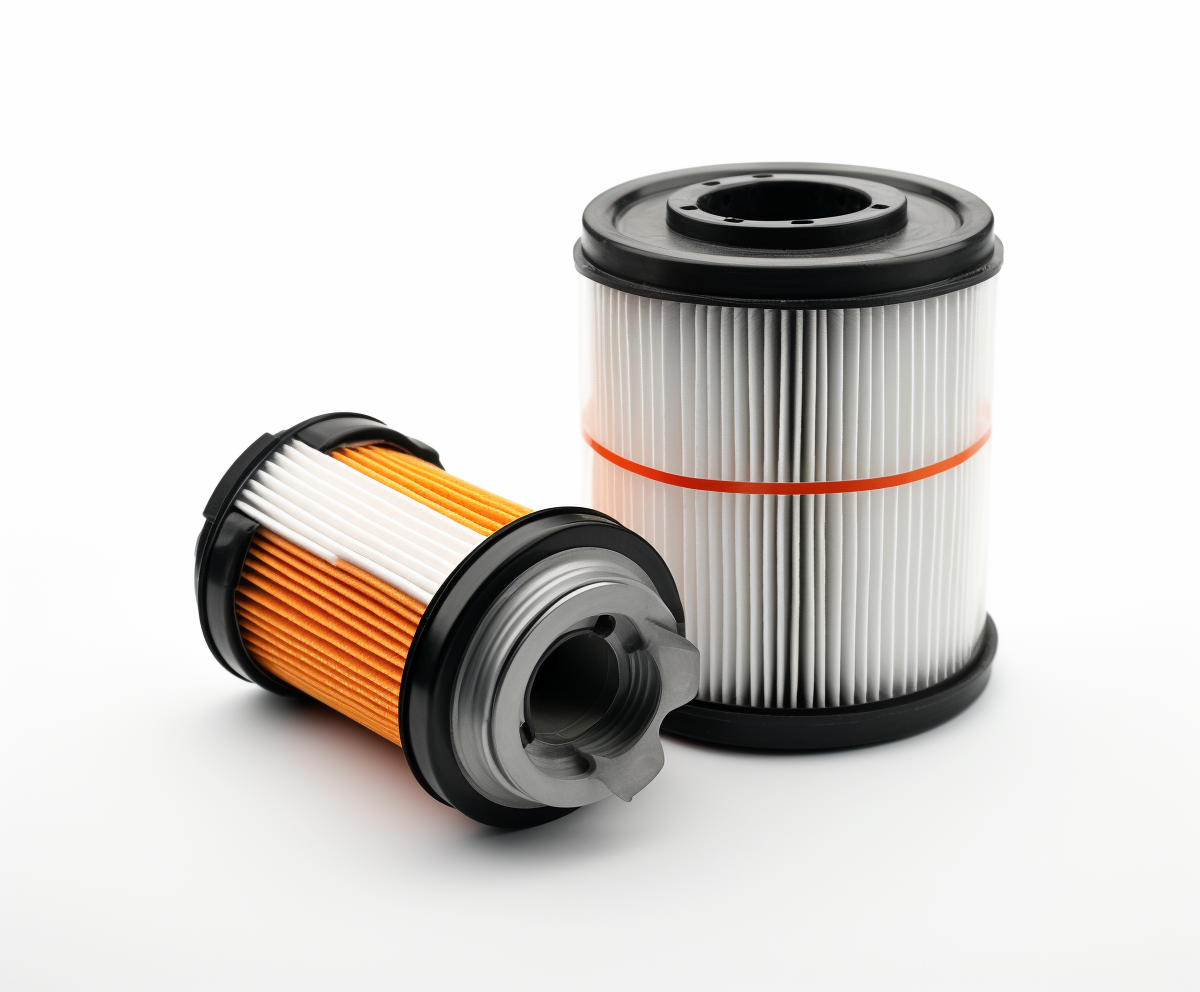

Inquiry
Form loading...
You know, when it comes to how well your vehicle performs and how long it lasts, a big part of that really comes down to the quality of its parts. One component that doesn't always get the attention it deserves is the auto Oil Filter. Believe it or not, a recent report from the Automotive Filter Industry Association revealed that over 80% of vehicle maintenance pros agree: using a top-notch oil filter can really help boost your engine's performance and cut down on wear and tear. As you rack up those miles, that oil filter is super important for catching contaminants and keeping your engine oil nice and clean, which in turn helps everything run smoothly and efficiently.
At Ningbo Hongzhuo Filter Co., Ltd., we totally get how crucial it is to pick the right auto oil filter. Since we kicked things off in 2013 in Ningbo City, Zhejiang Province, we've been all about making high-quality automotive filters—think oil filters, Air Filters, and cabin filters. Our focus on quality and innovation really helps us stand out in the filter game, and we’re proud to offer solutions that enhance your vehicle's performance and reliability. So when you're choosing your auto oil filter, you're not just checking off a maintenance box; you're also sticking to industry standards and best practices, which can make a huge difference for your engine's health and your overall driving experience.

You know, an oil filter is super important when it comes to keeping your car running smoothly. It makes sure that the engine oil stays clean and doesn’t get all gunked up with nasty stuff. Over time, dirt, little bits of debris, and even metal shavings can build up in the oil, which can really wear down your engine parts. That’s where the oil filter comes in—it catches those particles before they can get back into the engine, which means less chance of damage and better overall performance. Now, when you’re picking out an oil filter, you really want to think about how well it filters and how much it can hold. A top-notch filter is going to catch way more contaminants and won’t clog up on you too quickly. This is especially crucial if you’ve got a performance vehicle or if you drive in tough conditions—because let’s be real, that oil can get dirty pretty fast. And don’t forget, it’s got to match your car’s make and model. If it doesn’t fit just right, you could end up with leaks or not enough flow, and nobody wants that! So, remember, keeping up with regular oil changes and replacing the filter is super key for your engine’s longevity and performance. If you ignore the oil filter, it could lead to low oil pressure, crappy lubrication, and a drop in engine efficiency. By understanding just how important an oil filter is, you can make smart decisions that help keep your ride in tip-top shape for the long haul!

So, when you think about keeping your car running like a champ, picking the right oil filter is really key! There are a bunch of different oil filters out there, each made for certain needs and types of vehicles. You typically have three main players: spin-on filters, cartridge filters, and magnetic filters. Spin-on filters are super popular because they’re a breeze to install and they’re really sturdy. A report from the Automotive Filter Manufacturers Association (AFMA) even shows that these guys make up over 70% of the oil filter market! It’s mainly because they do a great job filtering oil and are just so easy for regular maintenance.
Now, cartridge filters are more of a favorite among European car brands and often show up in those high-performance rides. They’re designed for longer service intervals and can catch even the tiniest particles, which is awesome for protecting your engine. The International Journal of Automotive Engineering highlights that cars using cartridge filters can hit up to 98% filtration efficiency, so if you’re into performance, this might be the way to go.
And let’s not forget about magnetic filters! They’re a bit rarer, but they’re a solid choice for cars that deal with a lot of metal bits in the oil. These filters use magnets to grab onto metallic particles, helping to extend your engine’s life. According to a study in the Journal of Engine Lubrication, cars with magnetic oil filters have seen a 20% boost in engine longevity compared to vehicles that stick with the usual filters. So, choosing the right oil filter for your car not only helps its performance but can also give it a longer life!

Choosing the right oil filter for your car can feel a bit overwhelming, but it's super important if you want to keep your engine running smoothly. First things first, you need to make sure that the filter actually fits your engine model. Trust me, grabbing one that’s made just for your car’s make and model can really step up your oil circulation and filtration game, which is a game changer for prolonging your engine's life. Each car has its quirks, and sticking to the right specifications can help you dodge those nasty surprises when it’s time for an oil change.
Now, let’s talk about filtration capability. There’s been a lot of chatter out there about how high-quality filters snag more dirt and grime, which means better protection for your engine. Filters with a higher micron rating are great at catching those tiny particles and impurities. That’s super important for keeping everything running like a well-oiled machine. For example, filters with multiple layers usually do a better job of removing debris compared to the old school, standard models.
And we can’t forget about the flow rate of the filter. This is key for making sure the oil gets to the critical parts of your engine quickly, helping reduce wear and tear. Filters that come with proper bypass valves are especially nice because they allow the oil to circulate more freely, even when you’re starting your car in cold weather or if the oil gets a little thick. So, keeping all these factors in mind will really help you make the right decision about your oil filter, and that’ll definitely boost your car’s performance and longevity.

Hey there! So, if you want to keep your car running smoothly, one of the key parts to pay attention to is the oil filter. Seriously, it’s super important that you pick a filter that’s compatible with your engine type. Using the right one can really help filter out those nasty contaminants from the engine oil, and that’s essential if you want your engine to last and keep doing its job efficiently.
You know, different engines have their quirks when it comes to oil filtration. Like, if you’ve got a high-performance engine, it'll usually crank out more heat and pressure. That means you’ll need an oil filter that’s built for those kinds of tough conditions. These filters are made from specific materials and have better tearing strength to handle the extra stress. But if you’re rolling with a standard engine, that’s a different story — you’ll want something that balances cost and efficiency.
Oh, and don’t forget about fit! Choosing a filter that matches your vehicle's make and model is a big deal for compatibility. If the filter is too small or too big, you could end up with not enough oil circulation, or worse, causing some big mechanical issues. Luckily, manufacturers usually give good tips on which filters work best with their engines, which makes life easier for us car owners! So, definitely take a look at your owner’s manual or chat with a trusted mechanic to make sure you pick the right oil filter. Trust me, this little detail plays a huge role in keeping your car performing well and reliable for the long haul.
So, you know how important it is to take care of your vehicle, right? Well, one part that really stands out is the oil filter. It's kind of a big deal when it comes to making sure your engine lasts and runs smoothly. Think of it like a gatekeeper for your engine oil; its job is to kick out all those nasty contaminants that can sneak in. If your filter isn’t doing its job well, you might end up with dirt, debris, and those pesky metallic bits floating around in your oil, which can really do a number on your engine over time. Not cool!
When you're on the hunt for the right oil filter, it’s super important to look at the specs and efficiency ratings that match what your vehicle needs. Filters that score higher in efficiency can trap smaller particles, which means cleaner oil for your engine. This helps keep sludge from building up and makes sure that all those vital parts of the engine are happy and working well. Plus, top-notch filters tend to be more durable, able to handle all the pressure and heat without crumpling under stress.
Remember, it's not just about slapping on any old filter; you want one that fits your engine's design and oil requirements like a glove. Whether you’re all about performance, want better fuel efficiency, or just looking for something that’ll last longer, picking the right oil filter is super crucial for giving your engine a fighting chance. Putting your money into a good quality filter is definitely worth it—it’ll keep your ride running top-notch and extend its life too.
Hey there! When you’re taking care of your ride, there’s one little thing that often gets forgotten: the oil filter. I mean, seriously, giving it some love by checking and swapping it out regularly can do wonders for your engine’s performance and how long it’ll last. So, let’s chat about a few signs that it’s time to toss that old oil filter and grab a new one.
First off, if you see that oil pressure gauge dropping, that’s a red flag you don’t want to ignore. A clogged filter can really mess things up by blocking oil flow and messing with your pressure. And let’s not forget about those weird sounds—like ticking or knocking—that your engine might start making. Those could mean your filter is dirty and your engine isn’t getting enough lubrication.
You should also keep an eye out for any oil leaks or spills around the filter area. If you catch oil oozing out from there, it’s definitely time for a change. And what about the color and texture of your engine oil? If it looks darker and thicker than usual, that’s a big hint that your filter isn’t doing its job anymore. Staying on top of these signs is super important if you want your vehicle to keep running smoothly and efficiently. After all, a well-maintained car is not just about performance; it’s about extending its life, too!
So, when you're thinking about changing your vehicle's oil filter, one of the first things you'll have to decide is whether you want to do it yourself or get a pro to handle it. There are definitely pros and cons to both options, so it's a good idea to really think it through and figure out what fits your skills and needs best.
Going the DIY route can actually be pretty satisfying and save you some cash. If you're comfortable with basic mechanics and you've got the right tools, swapping out your oil filter can be fairly straightforward. Plus, you'll not only save on labor costs, but you'll also get to know your car better. Just remember, though—it's super important to do your homework and stick to the manufacturer's guidelines. This way, you can dodge any mishaps like installing it wrong or picking the wrong type of filter, which can be a real headache.
On the flip side, having a professional do it means you can rest easy knowing it’s gonna be done right by someone who knows their stuff. Mechanics can also take the chance to check out other parts of your engine while they're at it, which might save you from some troubles down the road. Sure, getting a pro can be pricier, but that peace of mind and assurance of quality might be just what you need, especially if you’re feeling unsure about your skills or if you don’t have the appropriate tools. In the end, it all boils down to what makes you feel most comfortable, your budget, and what your vehicle actually needs.
Choosing the right oil filter for your car can be a bit tricky, right? One major thing you’ve got to think about is how to balance cost and quality. Lots of folks wonder if they should go for a cheaper filter or splurge on one that costs more but promises better performance and lasts longer. It's super important to realize how your decision now can have long-term effects. A good quality filter can really help keep your engine from wearing out and make sure your vehicle runs like a champ.
I get it—budget-friendly filters can be really tempting, especially if you’re trying to save a buck. But here’s the catch: those cheaper options often don’t have the same advanced filtration and durability that pricier ones do. You might find yourself swapping them out more often, which can actually lead to spending more over time. On the flip side, while a high-quality oil filter might hit your wallet a bit harder at first, it can boost your engine's efficiency and even save you some cash by making your engine's components last longer.
As you’re pondering your choices, it’s super helpful to do a little digging. Check out product reviews and see what folks are saying. Just like searching for the best shop vacs—where user feedback really helps assess performance—checking those oil filter reviews can give you a good idea of how effective and reliable they actually are. In the end, finding the best deal is all about striking the right balance between what you're comfortable spending and the quality you’re getting. That way, your vehicle can keep running smoothly and efficiently for years to come.
The primary function of an oil filter is to trap dirt, debris, and metal shavings from the engine oil before they circulate back into the engine, helping to prevent potential damage and ensuring smoother operation.
When selecting an oil filter, consider its filtration efficiency, capacity, and compatibility with your vehicle’s make and model to ensure it fits correctly and avoids leaks.
The most common types of oil filters are spin-on filters, cartridge filters, and magnetic filters, each designed for specific needs and vehicle types.
Spin-on filters are popular due to their ease of installation and robust design, accounting for over 70% of the oil filter market while providing effective filtration for routine maintenance.
Cartridge filters are known for their ability to filter out smaller particles, achieving up to 98% filtration efficiency, making them ideal for high-performance vehicles and those with longer service intervals.
You should replace your oil filter if you notice a drop in oil pressure, unusual engine noises, visible oil leaks around the filter, or if your engine oil appears darker and thicker than usual.
Neglecting to change your oil filter can lead to lower oil pressure, reduced lubrication, and decreased engine efficiency, potentially shortening the engine's life.
Signs of a clogged oil filter include drops in oil pressure on the gauge, unusual engine noises, visible oil leaks, and darker, thicker engine oil.
Magnetic filters are advantageous for vehicles that experience high levels of metal debris, as they utilize magnets to attract and capture metallic particles, which can prolong engine life.
It's generally recommended to change your oil filter every time you change your engine oil, or as specified in your vehicle's maintenance schedule, to ensure optimal engine performance.


