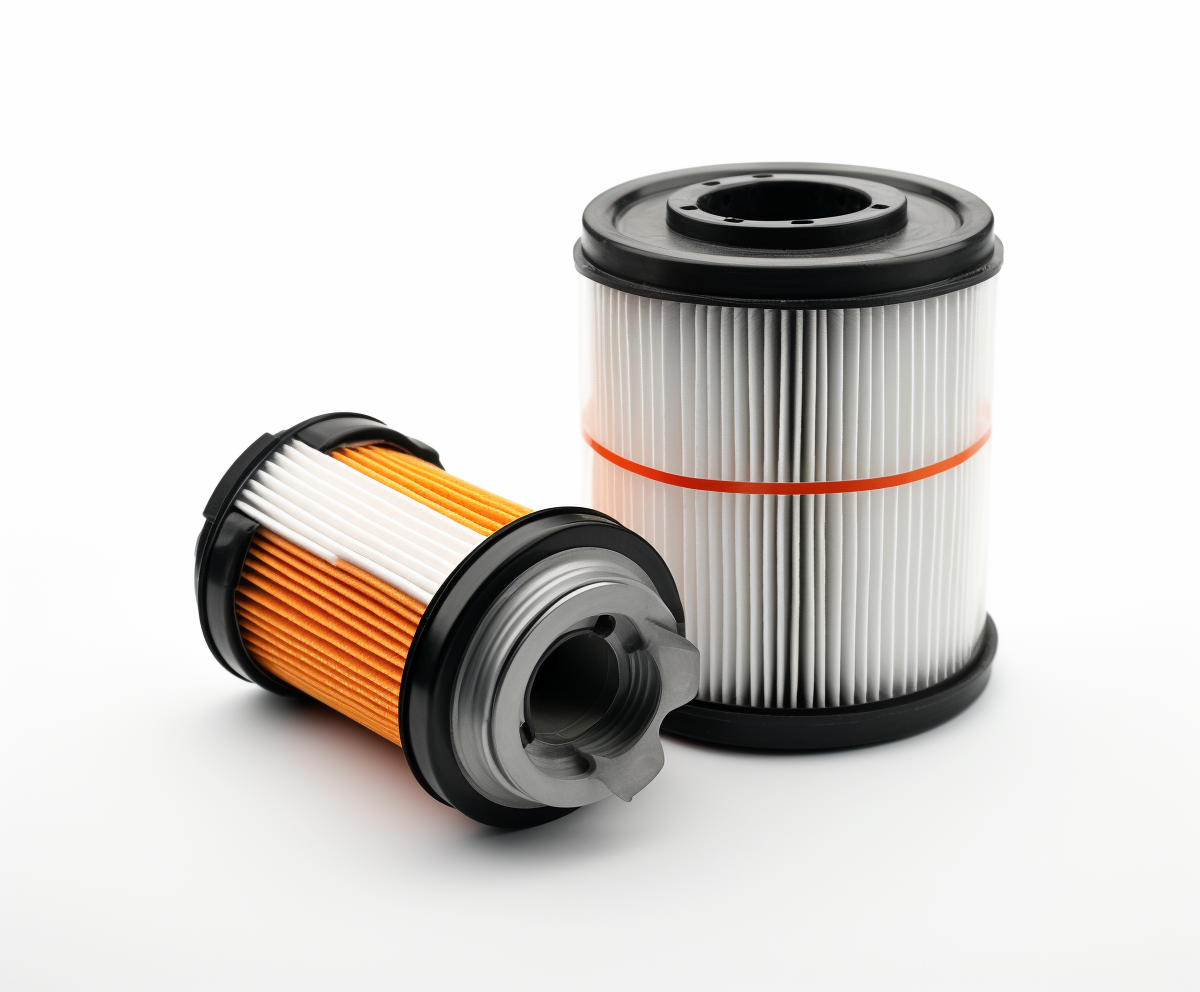
Hey there! You know, in the constantly changing automotive world, keeping your engine running smoothly is pretty much key to making sure your car lasts longer and performs better. And honestly, one of the biggest things that helps with that is using top-notch spare parts, especially quality Engine Filters. At Ningbo Hongzhuo Filter Co., Ltd., we totally get how important reliable filters are for keeping engines in tip-top shape. We’ve been around since 2013, based right in Ningbo City, Zhejiang Province, and we specialize in making all kinds of Automotive Filters — fromair filters and cabin filters to oil filters and more. With our know-how and dedication to doing things right, we’re all about providing filtration solutions that really meet what our customers need.

In this blog, I’m excited to share the five best spare parts engine filter options that can help boost your engine’s performance, make things more efficient, and just make driving a whole lot smoother. Hope you find it useful!
Understanding Engine Filters: Types and Their Roles in Performance Optimization
Engine filters might not be the most glamorous part of your car, but trust me, they’re pretty important when it comes to keeping your ride running smoothly. Basically, there are three main types—air, oil, and fuel filters—each doing its own little job. The air filter, for example, keeps dust and dirt from sneaking into the engine, helping it breathe cleaner and run better. Then there's the oil filter, which catches tiny particles and gunk from the engine oil, protecting those engine parts from unnecessary wear and tear. And don’t forget the fuel filter—it's there to make sure your fuel’s clean before it gets pumped into the engine, so everything runs nice and efficiently.
Honestly, how well these filters work can really affect your car’s performance—things like power, responsiveness, and even fuel economy. A clean air filter, for instance, can really boost how well your engine breathes, making it feel more lively. Meanwhile, good quality oil and fuel filters help keep your engine parts happy and healthy for longer, and they can even cut down on emissions. The trick is, you gotta stay on top of inspecting and replacing these filters when needed. It’s a simple step that can make a big difference if you want your vehicle to run its best and last longer.
Key Indicators of High-Quality Spare Part Engine Filters: What to Look For
When you're shopping for high-quality engine filters, it’s really important to get a grip on what actually makes a filter perform well and last long. One of the biggest things to look out for is how well the filter can trap dirt and debris—basically, its filtration efficiency. A good filter should keep the engine’s air or oil as clean as possible, only allowing the good stuff to pass through. You’ll want to find filters that meet or go beyond OEM standards—think of that as their gold standard for quality. Also, the materials used matter a lot; filters made from synthetic fibers tend to do a better job at filtering and can last a bit longer before they need changing.
Another thing to keep in mind is how well the filter is built. Top-notch filters usually come in solid casings with proper seals to prevent leaks and ensure a snug fit. It's also smart to check for certification marks, like ISO or SAE—those are little signs that the filter meets industry standards. Don’t forget to look into the manufacturer’s reputation and whether they offer warranties; trusted brands put their products through rigorous testing and generally have good reviews to back them up. By paying attention to these key points, you'll be able to pick engine filters that really boost your vehicle’s performance and help it run smoothly over the long haul.
5 Best Spare Parts Engine Filter Solutions for Optimized Performance
| Filter Type | Material Quality | Filtering Efficiency (%) | Durability (Hours) | Weight (grams) |
| Oil Filter | High-Grade Synthetic | 98 | 5000 | 200 |
| Air Filter | High-Efficiency Paper | 99 | 3000 | 150 |
| Fuel Filter | Aluminum Composite | 95 | 4000 | 180 |
| Cabin Air Filter | Activated Carbon | 92 | 2500 | 130 |
| Transmission Filter | Fiber Composite | 97 | 6000 | 220 |
Top 5 Engine Filter Brands: Performance Comparison Based on Industry Data
When it comes to getting the best out of your engine, choosing the right filter can really make a difference. There are so many brands out there now, each with their own little perks and features that cater to different kinds of vehicle owners. If you dig into industry data and performance reviews, you'll notice some brands consistently stand out because they deliver great filtration and airflow — which means your engine lasts longer and runs more powerfully.
In this crowded market, the brands that use innovative tech and quality materials tend to catch your eye. These filters do a good job of blocking out dirt and gunk, while still letting enough air in so your engine can breathe easy. When you're shopping for a replacement filter, it's worth comparing things like how well they filter, how long they'll last, and how straightforward they are to install.
Remember, picking the right filter isn’t just about sticking with a familiar brand; it’s about investing in something that will really boost your engine’s performance and keep things running smoothly for the long haul.
DIY Guide: How to Properly Install Engine Filters for Maximum Efficiency
Installing engine filters the right way really makes a difference in how your vehicle runs. If you’re into DO-ing it yourself, I’ve got a simple step-by-step guide to help you get it right and keep things running smoothly. First off, pick a good-quality engine filter that fits your car — those little filters are super important because they keep dirt and grime from sneaking into your engine. And trust me, it’s a good idea to check and change them regularly to keep your engine in top shape.
When you're ready to install, make sure the engine’s cooled down first—no hot spots here! Grab your tools and pop open the hood. Find the filter housing (it’s usually pretty obvious once you look around), and then carefully remove the old filter—try not to knock any dirt into the engine. Before slipping in the new one, give the housing a quick clean to clear out any leftover debris. Then, pop in the new filter, making sure it’s oriented the right way according to any arrows on it, and double-check that everything is snug and secure. Doing this right helps your engine breathe easier, runs more efficiently, and lasts longer. Keep up with regular filter changes, and your drive will feel smoother — trust me on this one, it’s worth it for that feel-good, hassle-free ride.
Maintenance Tips: Extending the Lifespan of Your Engine Filters for Better Performance
Taking the time to look after your engine filters really makes a difference if you want your car to run smoothly and last longer. It’s a good habit to check these filters regularly — not just for better performance, but also to avoid those nasty, costly repairs later on. For example, paying attention to your air filter is super important. If it’s clean, your engine can breathe easier, which usually means better fuel economy and a little more power when you need it. Depending on how and where you drive, I’d say it’s smart to swap or clean your air filter roughly every 12,000 to 15,000 miles. You don’t want dirt and gunk building up and messing with your engine’s performance, right?

And don’t forget about the oil filter! When you get your oil changed, make sure to replace that filter too. Using a good-quality filter that meets your car’s specs helps catch all the tiny contaminants that can wear things down over time. Sticking to your maintenance schedule not only keeps your engine running smoothly, but it also helps avoid unexpected engine problems. Honestly, putting in a little effort now — like keeping those filters clean — pays off later because your car will stay healthier and perform at its best for longer.
The Environmental Impact: Choosing Eco-Friendly Engine Filter Solutions
When you're thinking about engine filters, what you choose can really make a difference—not just for how your car runs, but also for our planet. Usually, traditional filters are made from materials that don't break down easily, so they end up polluting the environment once they're thrown away. But these days, there are eco-friendly options popping up that focus on keeping performance high while being kind to the earth. A lot of these new filters are made from renewable or recycled stuff, and they’re designed to cut down on nasty emissions. If you're someone who cares about the environment, these could be a great pick.
Switching over to sustainable engine filters can seriously help reduce our automotive footprint. Innovative solutions like biopolymer filters or reusable designs are catching on, and I think it shows a real commitment to cutting down waste. Plus, by making your engine run more efficiently, these eco-friendly filters can actually help save fuel—meaning less money spent at the pump and fewer greenhouse gases released into the air. As we all try to do our part to be more eco-conscious, choosing these greener engine filters is definitely a smart move towards a cleaner, more sustainable future for car maintenance.

FAQS
: Key indicators include filtration efficiency, construction integrity, material composition, certification marks, and the manufacturer's reputation.
Filtration efficiency ensures that only clean air or oil circulates through the engine, preventing contaminants from causing damage and maintaining optimal performance.
Look for filters that meet or exceed OEM specifications, check for robust construction, and ensure they have certifications from recognized industry standards such as ISO or SAE.
Filters made from synthetic fibers are typically preferable as they offer better filtration and a longer service life compared to traditional materials.
Trusted brands usually have a history of extensive testing and positive feedback, which can provide assurance regarding the quality and reliability of their products.
Consider attributes such as filtration efficiency, durability, ease of installation, and the use of innovative technology when comparing different brands.
Yes, look for certification marks or adherence to industry standards like ISO or SAE, which indicate the filter's quality and reliability.
The right engine filter can significantly influence overall efficiency, enhance engine longevity, and improve power output by maintaining optimal airflow and preventing contamination.
Research customer reviews, installation guides, and product specifications to determine how straightforward the filter installation process is.
While brand loyalty is a factor, it's essential to prioritize features and performance metrics over brand preference to ensure you invest in the best solution for your engine's needs.
Conclusion
Hey there! So, in the world of cars today, getting your engine to run smoothly really comes down to choosing the right spare parts—especially those engine filters. Knowing the different types and understanding what makes each one tick can seriously boost your vehicle’s performance. When you're shopping for high-quality spare parts, it's pretty important to keep an eye out for things like how well it filters and how long it lasts—that kind of stuff really matters.
In this post, I’ll walk you through a comparison of the top five engine filter brands, backed by real industry data. Plus, I’ll share some handy tips on how to install filters yourself if you're feeling DIY-ish, and ways to make your filters last longer. We’ll also touch on the environmental side of things—because choosing eco-friendly filters isn’t just good for your car, but for the planet, too. Here at Ningbo Hongzhuo Filter Co., Ltd., we're all about offering top-notch automotive filters—air, oil, you name it—to help you keep your ride running at its best while being mindful of our environment.

 Products
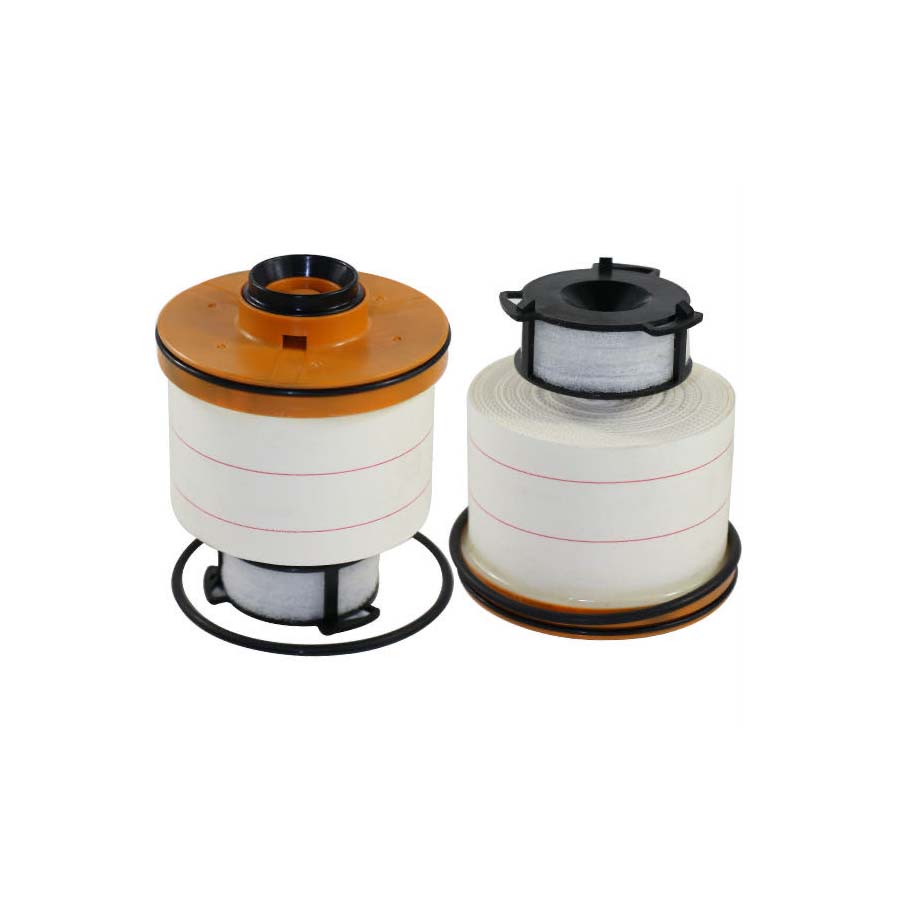 FUEL FILTER
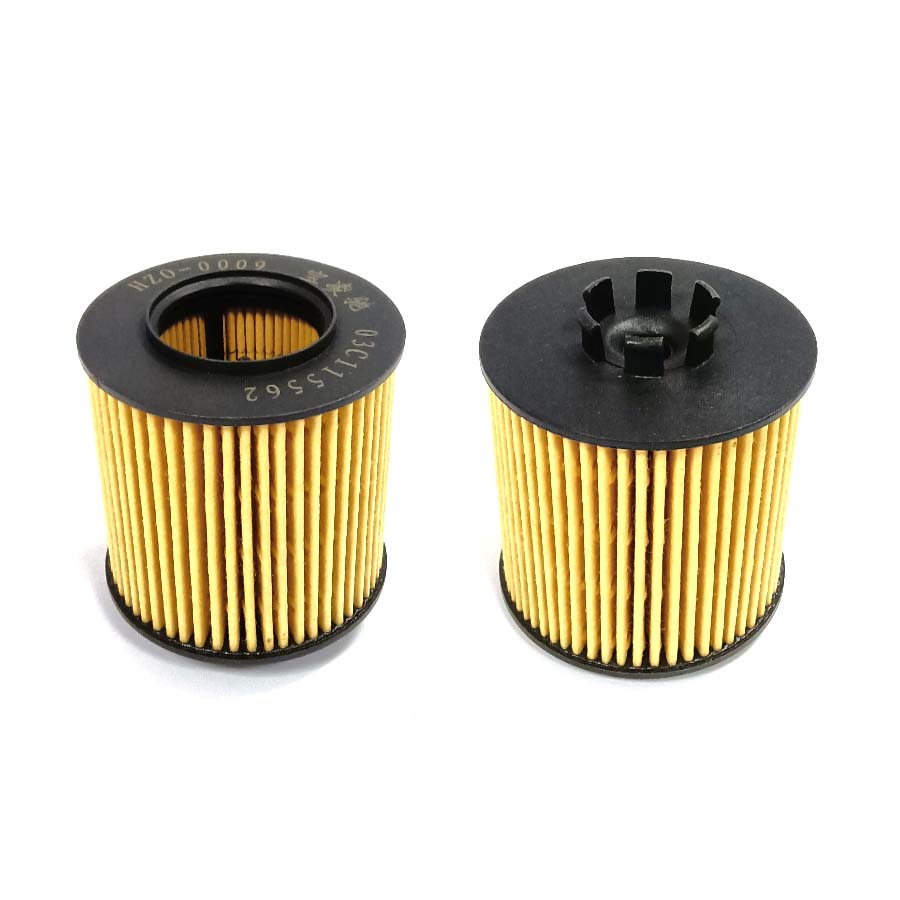 OIL ELEMENT FILTER
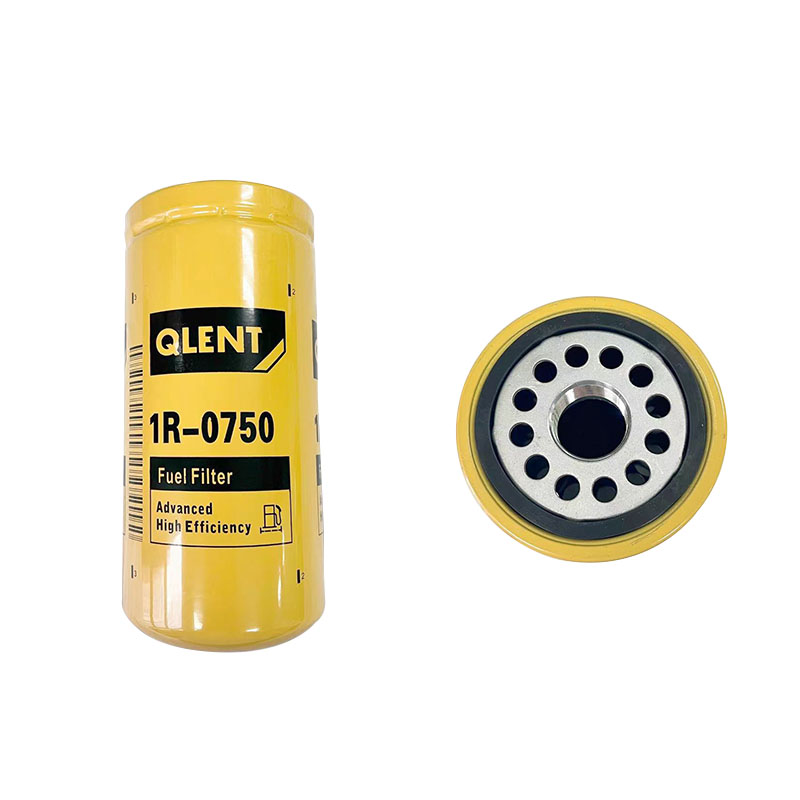 OIL FILTER
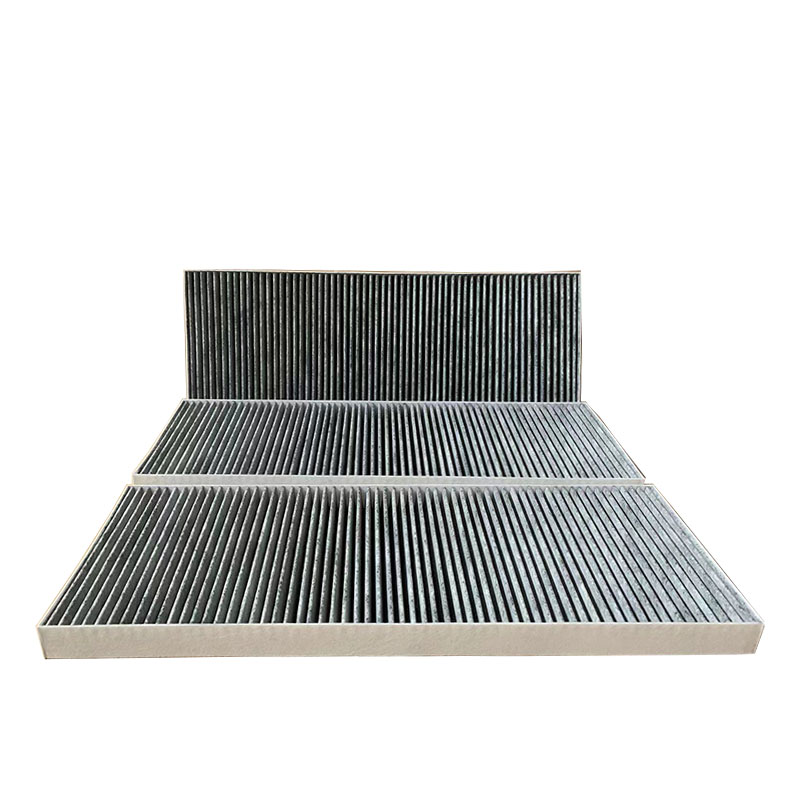 CABIN FILTER
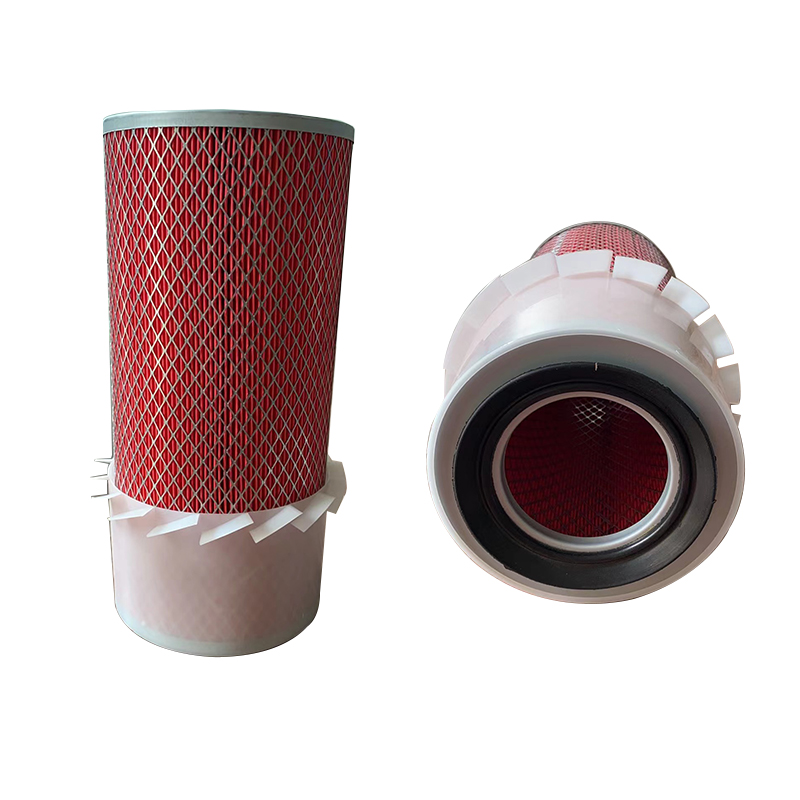 AIR FILTER