
 Products
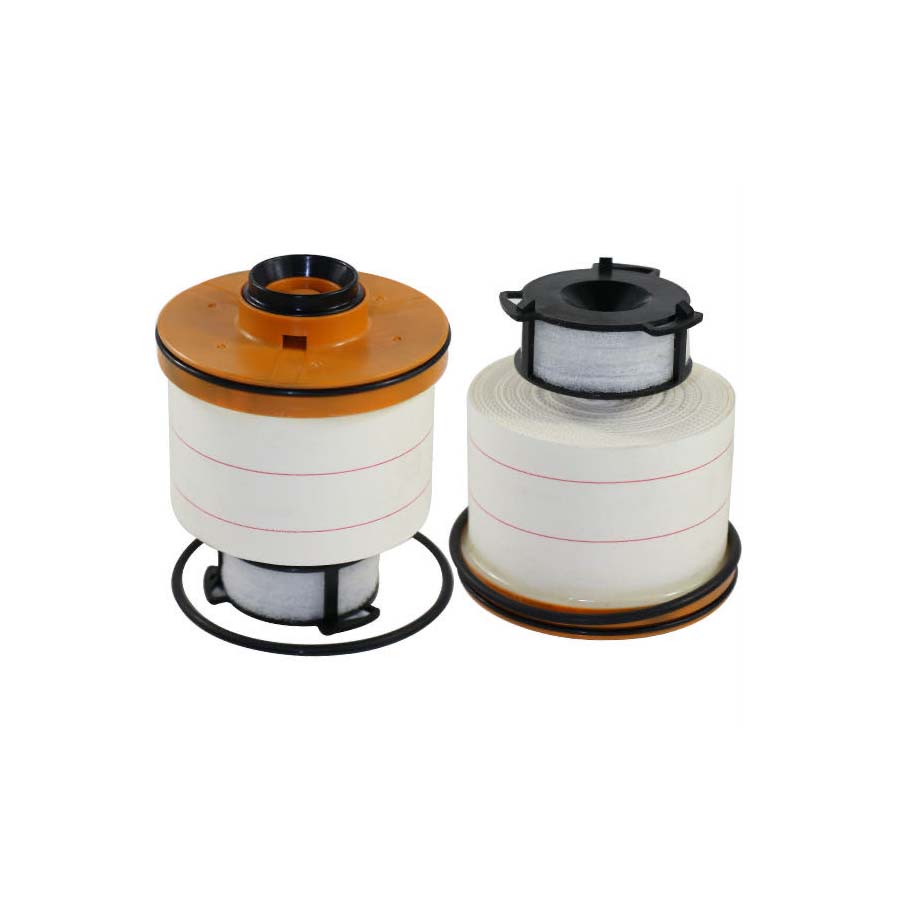 FUEL FILTER
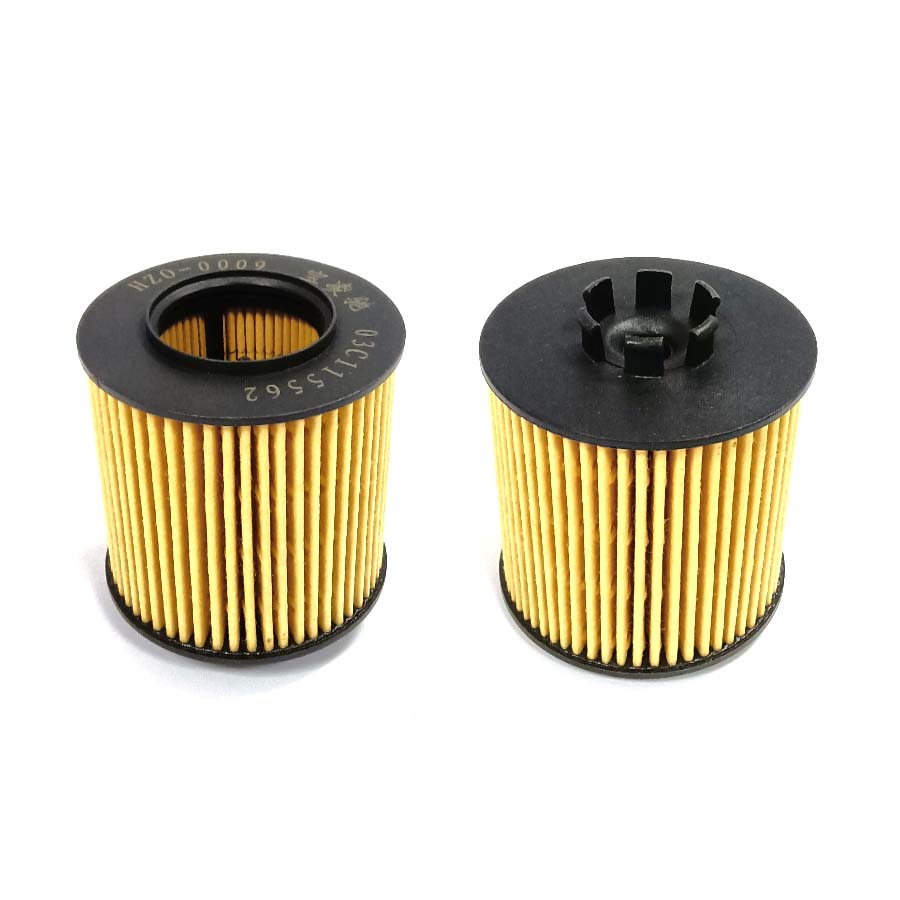 OIL ELEMENT FILTER
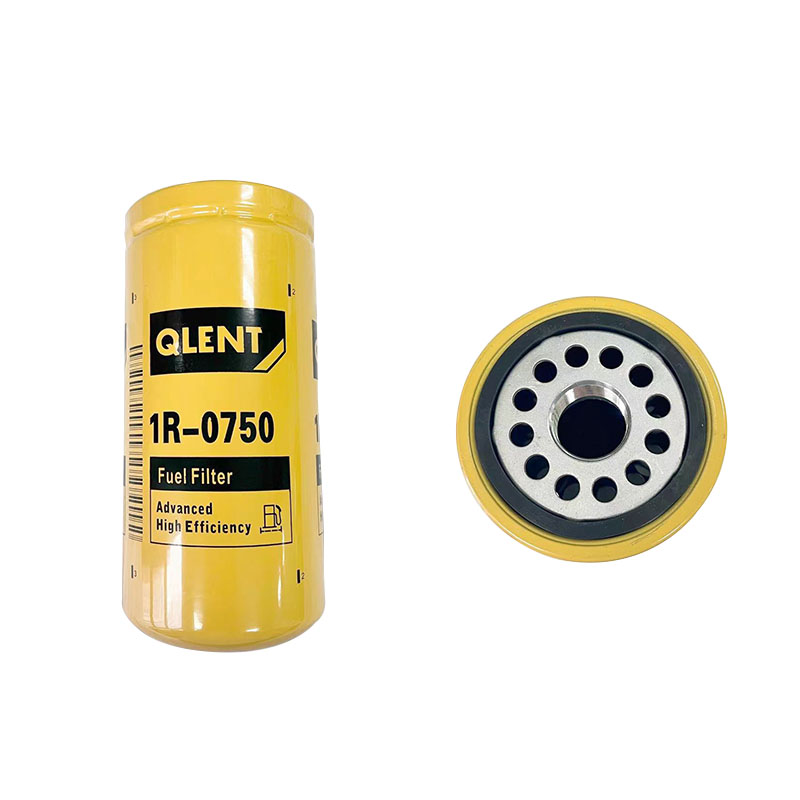 OIL FILTER
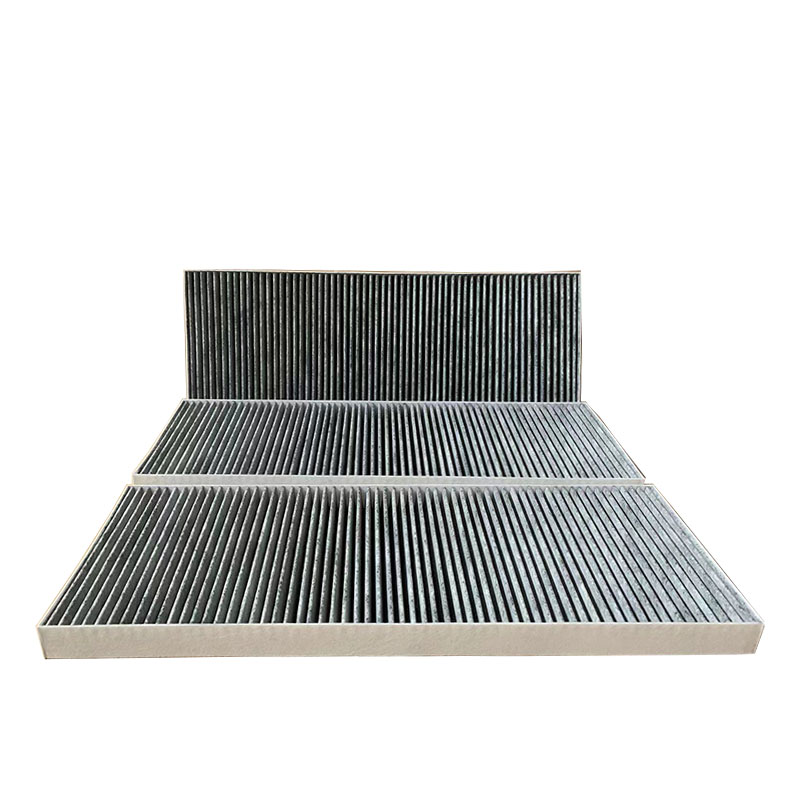 CABIN FILTER
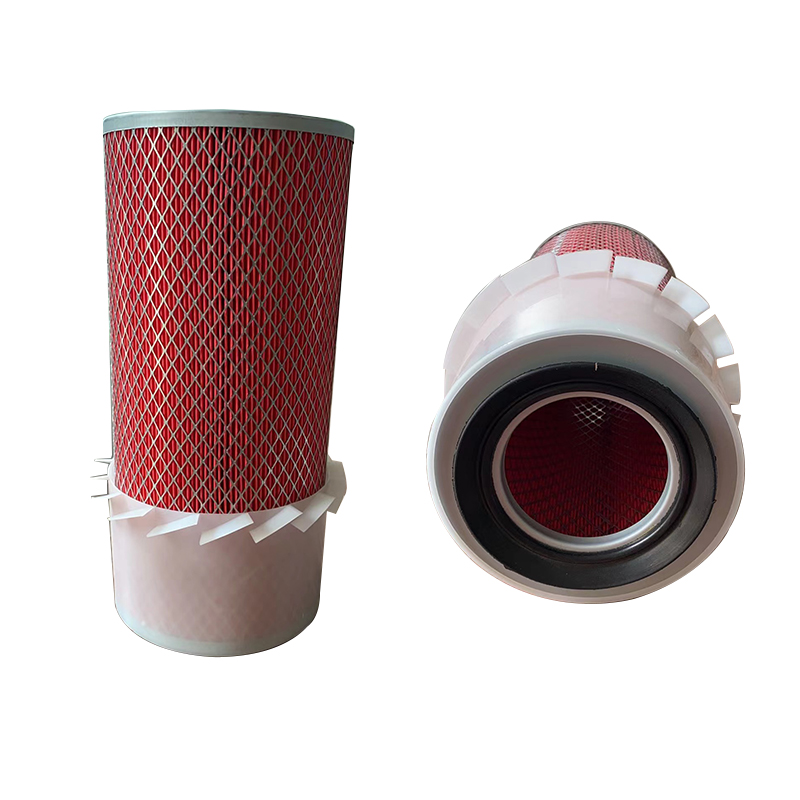 AIR FILTER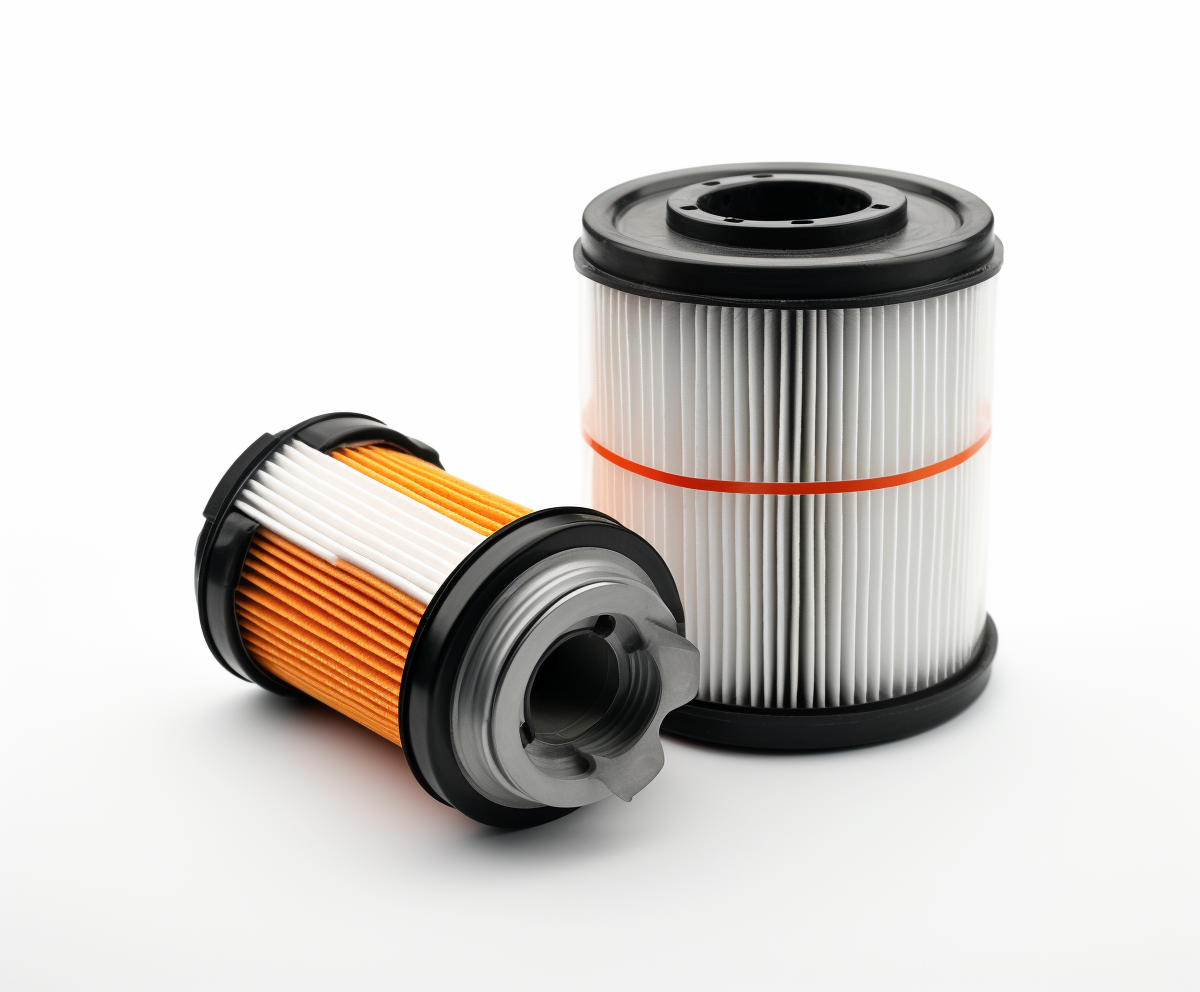

Inquiry
Form loading...
When it comes to keeping your car running smoothly, choosing the right engine filter is honestly a big deal — you can’t overlook it. I read somewhere that the automotive filters market is expected to hit around $5.3 billion by 2025, mainly because more folks are looking for better filtration systems to keep their vehicles in top shape. Back in 2013, Ningbo Hongzhuo Filter Co., Ltd. set out to make high-quality automotive filters — stuff like Air Filters, cabin filters, and oil filters that really help your engine perform better and last longer. Picking the right engine filter isn’t just about numbers; it’s about making sure your car runs efficiently, uses fuel smarter, and cares a bit less about emissions. Knowing how to choose the right one is super important these days. Thanks to our experience in making all kinds of filters, we’re here to help you pick what works best for your vehicle — so you can keep driving with peace of mind and maybe even do your part for the environment along the way.

Engine filters are pretty much the unsung heroes when it comes to keeping your vehicle running smoothly, especially nowadays when environmental stuff has a big impact on cars. For example, with those recent wildfires in Canada kicking up tons of particulate matter, it really drives home how important good air filters are—not just for your health, but for your truck’s overall performance too. When you keep your air filter in good shape, it helps keep out the dirt and contaminants, so the engine can breathe easily and run efficiently. Regularly changing your filters isn’t just good for performance; it can actually help your engine last longer. I mean, some modern cars can go over 200,000 miles with just routine maintenance if you stay on top of things. Pretty neat, right?
And don’t forget about engine oil and Fuel Filters—they’re just as crucial. Keeping up with their replacements, especially with fuel prices swinging around, is key to getting the best out of your engine. Skipping out on these changes can lead to worse fuel economy and even higher emissions, which isn’t great for your wallet or the environment. Companies like Ningbo Hongzhuo Filter Co., Ltd. make a ton of different automotive filters to help you keep your engine healthy. So, investing in quality filters and sticking to that schedule for replacements can really make a difference—your engine will thank you for it in the long run.
| Tip | Description | Importance |
|---|---|---|
| Consider Your Vehicle Specifications | Check the manufacturer's recommendations for engine filter specifications to ensure compatibility. | Helps maintain optimal engine performance. |
| Choose the Right Type of Filter | Select between paper, cotton, or synthetic filters based on your driving conditions. | Affects filtration efficiency and engine longevity. |
| Check the Filter's Flow Rate | Ensure that the engine filter allows sufficient airflow to the engine. | Critical for maintaining engine power and efficiency. |
| Look for Quality Certifications | Choose filters that meet industry standards for quality and performance. | Ensures reliability and effectiveness of the filter. |
| Consider Filter Lifespan | Check how long the filter is rated to last and replace it as needed. | Prolongs engine health by ensuring proper filtration. |
| Evaluate Price vs. Performance | Balance between cost and performance benefits when selecting a filter. | Helps in making a cost-effective choice without compromising quality. |
| Consult with a Mechanic | Get advice from a professional to ensure the best filter choice. | Leverages expert knowledge for better decision-making. |
When it comes to maximizing truck performance, one often overlooked but crucial component is the quality of oil filters used. High-quality oil filters, such as the manufacturer oil filter OE NO.: 20976003, play a vital role in maintaining the engine's health and efficiency. According to industry reports, filtration efficiency significantly impacts engine longevity and performance. For instance, studies have shown that using premium oil filters can enhance engine life by up to 50%, reducing wear and tear and improving fuel efficiency.
The oil filter OE NO.: 20976003 is compatible with various truck models, including those from Hino, Nissan, Renault, and Volvo. Its design not only meets but exceeds the standards set by leading industry certifications such as ISO 9001:2015 and IATF 16949:2016. Each filter is engineered to trap harmful contaminants effectively, ensuring that only clean oil circulates through the engine. With a minimum order quantity of 500 pieces for neutral packaging and 1,000 pieces for customized logos, businesses can conveniently stock this essential component for fleet maintenance.
Delivery timelines for this oil filter are also favorable, with products shipped within 30 to 35 days after receiving a deposit, directly from ports in Ningbo or Shanghai. With references such as 5221145173 and 7420875666, sourcing and replacing old filters with high-quality options like the oil filter OE NO.: 20976003 can be a game-changer for maximizing truck performance and reliability on the road.
: Key factors include compatibility with your car model, filter material quality, manufacturer's reputation and certifications, maintenance requirements, and price versus quality.
The three main types of engine filters are oil filters, air filters, and fuel filters, each serving a distinct purpose in maintaining engine performance.
It is generally recommended to replace engine filters every 12,000 to 15,000 miles, or according to your manufacturer’s guidelines.
A clean oil filter can extend engine life by up to 50% by maintaining clean engine oil and protecting engine components.
High-quality air filters can improve fuel efficiency by up to 10% and prevent dirt and debris from entering the engine, enhancing overall performance.
Fuel filters prevent impurities from clogging fuel injectors, which can lead to costly repairs, ensuring a steady supply of clean fuel to the engine.
Regularly checking and replacing the filter as per your vehicle's guidelines, monitoring driving conditions, and using high-quality filters can help extend its life.
A clogged filter can reduce engine performance by up to 11%, leading to reduced fuel efficiency and potential engine issues.
Choosing filters from well-regarded brands provides assurance regarding reliability and performance under various operating conditions.
If you frequently drive in such conditions, it’s advisable to inspect your engine filter more frequently to ensure it continues to protect your engine effectively.
When it comes to getting the most out of your vehicle, choosing the right engine filter really makes a difference. Honestly, understanding why engine filters matter can give your car a real boost in efficiency. A couple of things you should keep in mind are your car's make and model, plus what kind of driving you typically do. The market has all sorts of filters—like air filters and oil filters—each one designed for specific needs. Make sure you pick the right size and fit, because if it’s off, it can really affect how well the filter works.
Also, don’t forget to check out reviews and stick with trusted brands—those details can really steer you in the right direction. Regularly changing your engine filter and doing routine maintenance can honestly extend its life and keep your vehicle running smoothly. Here at Ningbo Hongzhuo Filter Co., Ltd., we’re all about crafting top-quality automotive filters. Our goal? Helping you keep your ride performing at its best, mile after mile.


