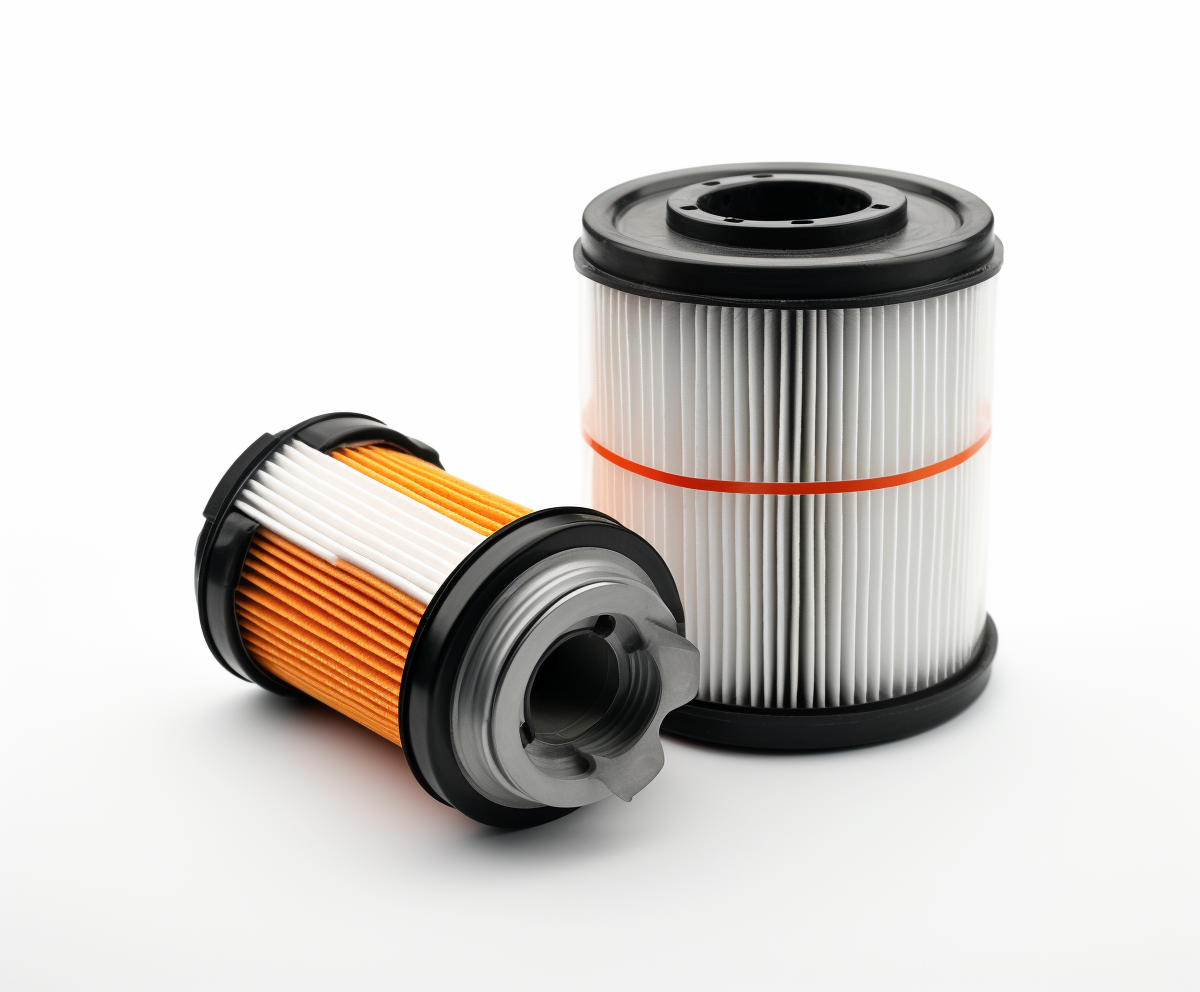
Choosing the right Air Filter really makes a big difference in how clean and fresh the air is inside your home. The EPA points out that poor indoor air quality isn't just uncomfortable—it can actually cause health problems like asthma or other respiratory issues. In fact, on some days, indoor pollution can be two to five times worse than what's outside. So, it's pretty important to know what types of air filters are out there and what they do.
There are quite a few options, each designed for different needs. For example, HEPA filters are known to trap 99.97% of particles that are 0.3 microns or bigger. That's why they’re great if anyone in your house suffers from allergies. The American Lung Association also recommends changing your air filters regularly—it keeps them working well and helps keep the air quality high. If you forget to do this, your filter—like the ones in your air compressor—can get clogged up, which means less efficiency and worse air quality overall.
When you're picking out an air filter, keep an eye on things like MERV ratings and what kind of particles it’s designed to catch. Sadly, a lot of people skip this step, and that can lead to higher energy bills and filters that just don’t do the job properly. If you’re ever unsure, talking to a professional can really help—you might get some advice tailored just for your home. Honestly, a good quality air filter isn’t just about saving some bucks; it’s really an investment in your health and comfort. So, don’t overlook it!

Understanding the Importance of Air Filters for Health and Comfort
Many people overlook the importance of air filters in their homes and workplaces. Clean air is crucial for health. It can impact respiratory conditions, allergies, and overall well-being. An effective air filter removes dust, pollen, pet dander, and other harmful particles. This leads to better indoor air quality.
When selecting an air filter, consider its MERV rating. This rating indicates how well the filter captures particles. A higher MERV rating means more effective filtration. The filter should also be compatible with your air compressor system. An Air Compressor Air Filter Element is essential for optimal performance. Neglecting to change filters regularly can lead to inefficient systems and health risks.
Consider the specific needs of your environment. Do you live in a dusty area? Do you have pets? These factors determine the type of filter you should choose. Regular cleaning and maintenance are also crucial. They ensure that filters work efficiently. The journey to cleaner air requires constant assessment. Always review what works best for you.
Types of Air Filters: An Overview of Options Available
When looking for the right air filter, it's essential to understand the various options available. You can choose from HEPA filters, activated carbon filters, and pre-filters. HEPA filters trap dust, pollen, and allergens effectively, making them ideal for those with allergies. Activated carbon filters combat odors by absorbing gases and pollutants. A pre-filter can enhance your system by capturing larger particles, increasing the lifespan of your main filter.
Consider your specific needs when selecting an air filter. If you have pets, a HEPA filter could help reduce pet dander in your home. For smoke or strong odors, activated carbon filters might be necessary. When using an Air Compressor Intake Air Filter, check the specifications carefully to ensure it meets your equipment's requirements. Some filters become less effective over time, so regular maintenance is crucial.
You might find yourself overwhelmed by the options available. Filtering systems can vary significantly in efficiency and cost. It’s important to weigh the benefits against your budget. Experimenting with different types could lead you to a solution that fits well. Make informed decisions by researching and consulting experts when needed.
Assessing Your Environment: Identifying Specific Air Quality Needs
When it comes to air quality, understanding your environment is crucial. The first step is identifying the specific pollutants in your area. Consider whether you live near industrial zones, heavy traffic, or areas with high pollen counts. Knowing these factors will help you decide what type of air filter suits your needs best.
Tips: Research common indoor pollutants. This includes dust, mold, pet dander, and smoke. Understanding your surroundings allows you to proceed effectively. A filter with a HEPA rating may be ideal for allergens, while activated carbon filters tackle odors and chemical vapors.
Evaluate your HVAC system as well. Some systems require special filters that fit properly. Using the wrong size or type may reduce your system's efficiency. It might take some trial and error to find the perfect fit. Keep an eye on your air quality and adjust your choices accordingly. Testing different filters can lead to improved comfort and health.
Key Factors to Consider When Choosing an Air Filter
When selecting an air filter, several key factors come into play. Understanding the types of particles you wish to filter out is essential. For instance, HEPA filters can capture 99.97% of particles as small as 0.3 microns, which includes dust, pollen, and pet dander. However, not all filters perform at this level. Many cheaper options may only block larger particles, leaving smaller pollutants in your air.
Another critical aspect is the filter's MERV rating. The Minimum Efficiency Reporting Value (MERV) ranges from 1 to 20, indicating how efficiently a filter captures particles. A higher MERV rating implies better filtration but can restrict airflow, leading to higher energy costs. Research shows that using a filter with a MERV rating between 8 to 13 balances efficiency and airflow, minimizing energy consumption while effectively cleaning the air.
Consider the specific needs of your environment as well. Homes with allergy sufferers may benefit from higher-quality filters, while spaces with mold or smoke may need specialized options. It's crucial to assess your unique circumstances and the limitations of available filters, as these choices directly impact indoor air quality. By evaluating these factors, you can make a more informed decision tailored to your specific needs.
Filter Efficiency Ratings: Understanding MERV and HEPA Metrics
When selecting an air filter, understanding efficiency ratings is crucial. Most filters feature MERV (Minimum Efficiency Reporting Value) and HEPA (High-Efficiency Particulate Air) ratings. MERV ratings range from 1 to 16, indicating how effectively a filter captures particles. Higher numbers reflect better filtration, but they may reduce airflow. Balance is key.
HEPA filters are renowned for their efficiency. They can trap at least 99.97% of particles, making them ideal for allergy sufferers and those seeking cleaner air. However, HEPA filters often require specific HVAC systems to function correctly. Consider your system’s compatibility before investing.
Reflect on your environment and needs. Do you have pets or allergies? Think about the air quality in your area. Sometimes, a high-MERV filter might not be suitable for your system. Striking a balance between efficiency and compatibility is essential. A well-chosen filter enhances your indoor air quality and promotes health.
Maintenance and Lifespan: How to Maximize Your Air Filter’s Performance
Choosing the right air filter is essential for optimal indoor air quality. The Air Filter Element For Air Compressor plays a crucial role in maintaining clean air. Regular maintenance is key to ensuring that your air filter performs well over its lifespan.
Studies indicate that air filters should be replaced every three months for optimal performance. However, factors like dust levels and usage frequency can influence this timeframe. An air filter clogged with dirt can reduce airflow, increasing energy costs by up to 15%. Clean filters facilitate better airflow and improve HVAC efficiency.
Understanding the lifespan of your air filter can prevent unnecessary indoor allergens. It’s normal to overlook the signs of a failing filter. Observing increased allergy symptoms or inconsistent temperature can be your first warning. Checking your air filter regularly and cleaning or replacing it as needed is essential for maintaining air purity and system efficiency.
Air Filter Maintenance and Lifespan Analysis
Budget Considerations: Finding the Best Value for Your Air Filter Needs
When selecting an air filter, budget plays a critical role. According to industry reports, homeowners spend an average of $130 annually on air filtration. However, with a broad range of options, it's crucial to assess what fits best for your home and your wallet. Some filters may appear cheap, but selecting a lower-quality filter can lead to increased energy costs. A quality air filter can improve HVAC efficiency by 15-20%.
Consider the MERV rating when choosing your filter. Higher MERV ratings trap more particles but may restrict airflow. A balance must be found. A filter with a MERV rating of 8-11 often offers a balance of filtration and airflow. This can be particularly beneficial for Rv Air Conditioner Air Filter systems.
Don’t overlook maintenance costs. Replacing filters regularly is essential for optimal performance. Neglecting this can lead to decreased efficiency and higher utility bills. The right filter choice can save money in the long run. However, investing in a high-quality option may seem pricey upfront. Weigh the long-term savings against initial costs. Each choice should reflect your unique needs and space, maximizing both health benefits and budget efficiency.
How to Choose the Right Air Filter for Your Needs? - Budget Considerations: Finding the Best Value for Your Air Filter Needs
| Filter Type | MERV Rating | Estimated Cost ($) | Lifespan (Months) | Recommended Use |
| Fiberglass Filter | 1-4 | $10 - $15 | 1 | Basic air quality |
| Pleated Filter | 5-8 | $15 - $25 | 3-6 | Moderate dust and allergens |
| HEPA Filter | 13-16 | $30 - $60 | 6-12 | Allergies and asthma |
| Activated Carbon Filter | 5-6 | $25 - $40 | 3-6 | Odor removal |
| Washable Filter | 5-10 | $20 - $50 | 5+ | Long-term use |
Choosing the Right Air and Cabin Filter: A Guide to the Air Filter 436-440-0388 and Its Benefits
When it comes to maintaining the air quality within a vehicle, choosing the right air and Cabin Filter is essential. The Cabin Filter with OE No. 436-440-0388 stands out as a reliable option, particularly for buses. It effectively traps dust, pollen, and other airborne particulates, ensuring that the air circulating inside the vehicle remains clean and breathable. According to industry reports, regularly replacing cabin filters can improve HVAC system efficiency by up to 20%, resulting in a more pleasant ride for passengers.
The 436-440-0388 filter is available in various material options, including white fiber or carbon, allowing for customization based on specific user needs. This flexibility benefits operators focusing on different regional markets, including the United States, Middle East, and Southeast Asia. With a minimum order quantity of 100 pieces for neutral packaging and 500 for custom logos or packages, it caters to both small and large scale operations. Moreover, the proven certifications, such as ISO 9001:2015 and IATF 16949:2016, guarantee that customers receive a product that meets rigorous quality standards.
Fast delivery times of 15 to 20 days post-deposit further enhance the appeal of this cabin filter. With access from major ports like Ningbo and Shanghai, logistics become seamless for businesses aiming to enhance their vehicle maintenance offerings. Investing in the right cabin filter not only safeguards the health of passengers but also helps in extending the lifespan of the vehicle’s HVAC system, making it a smart choice for fleet managers and individual owners alike.
FAQS
: Clean air reduces respiratory issues, allergies, and improves overall well-being. Filters remove harmful particles.
Look at the MERV rating. Higher ratings mean better particle capture. Compatibility with your system is vital.
Regular changes prevent inefficiencies. Neglecting this can lead to health risks and increased energy costs.
Common types include HEPA, activated carbon, and pre-filters. Each serves different purposes like trapping allergens or odors.
If you have pets, a HEPA filter helps reduce dander. This leads to cleaner air and fewer allergy symptoms.
Quality filters can improve efficiency and save money long-term. Weigh the price against potential savings and health benefits.
Regular cleaning and replacement are essential. They ensure optimal performance and maintain indoor air quality.
Research options carefully. Some cheaper filters can raise energy costs. Investigate MERV ratings to find a suitable balance.
Yes, testing different filters can help you find the best fit. Don’t hesitate to consult with experts for guidance.
Low-quality filters may cause inefficiencies, leading to higher utility bills and poor air quality. Always consider long-term impacts.
Conclusion
When selecting an air filter, it's crucial to understand its significance for maintaining optimal health and comfort in your living environment. Various types of air filters are available, each catering to specific air quality concerns. By assessing your particular needs, such as allergies or respiratory issues, you can identify the most suitable options.
Key factors to consider include filter efficiency ratings, particularly MERV and HEPA metrics, which determine the effectiveness of the filter in capturing airborne particles. Additionally, understanding the maintenance and lifespan of the air filter can help maximize its performance. Budget considerations are also important to ensure that you find the best value for your investment in air quality. Ultimately, making an informed choice will enhance the air you breathe and contribute to a healthier home environment.

 Products
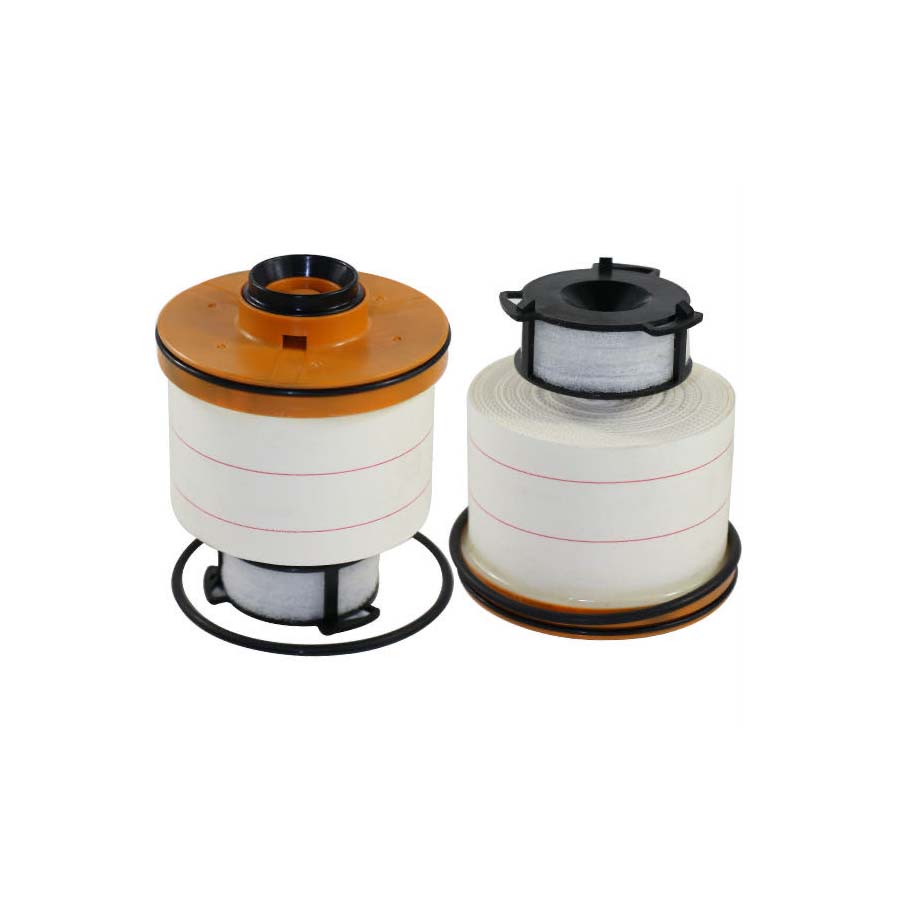 FUEL FILTER
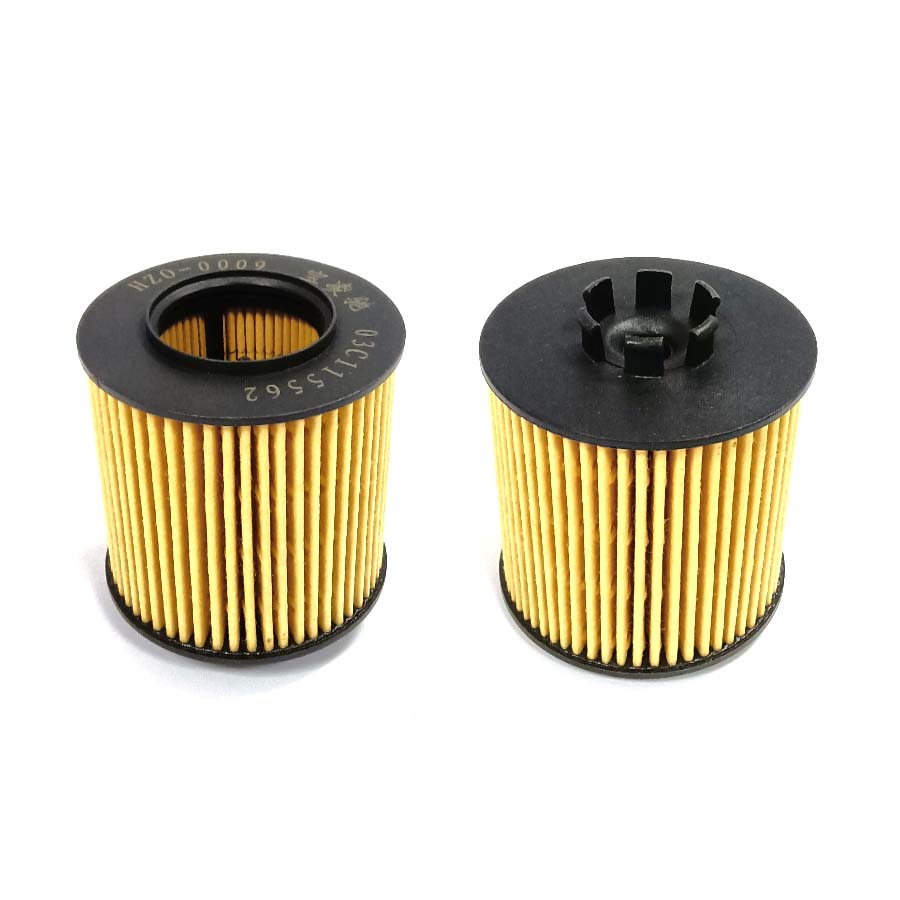 OIL ELEMENT FILTER
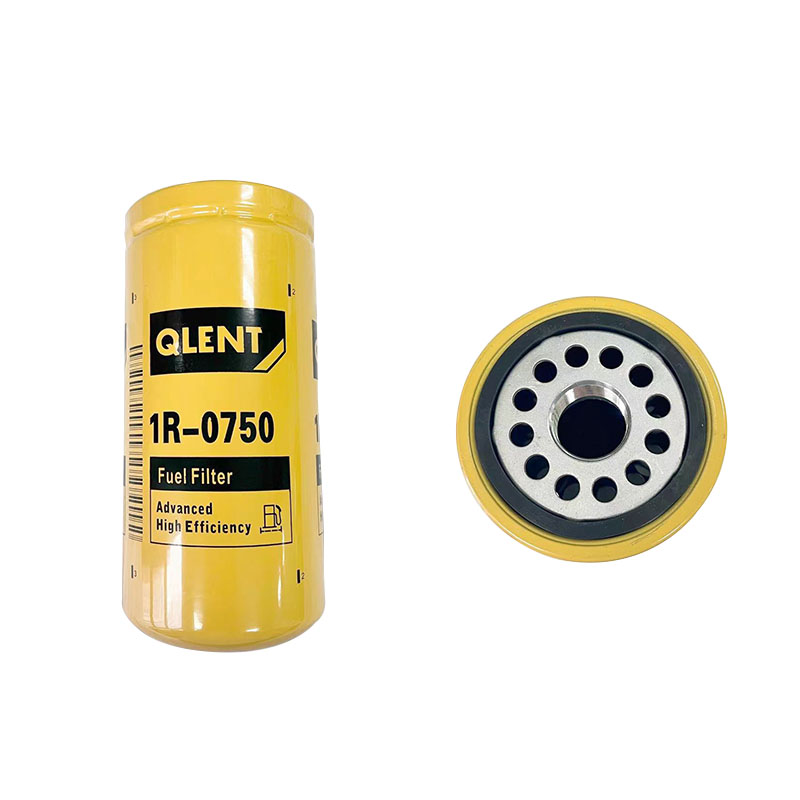 OIL FILTER
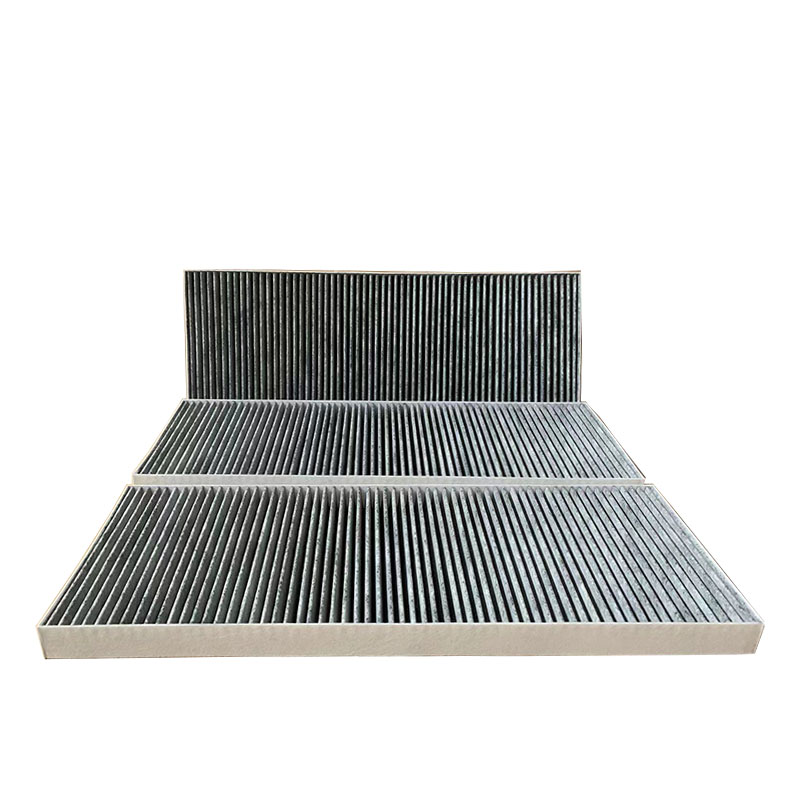 CABIN FILTER
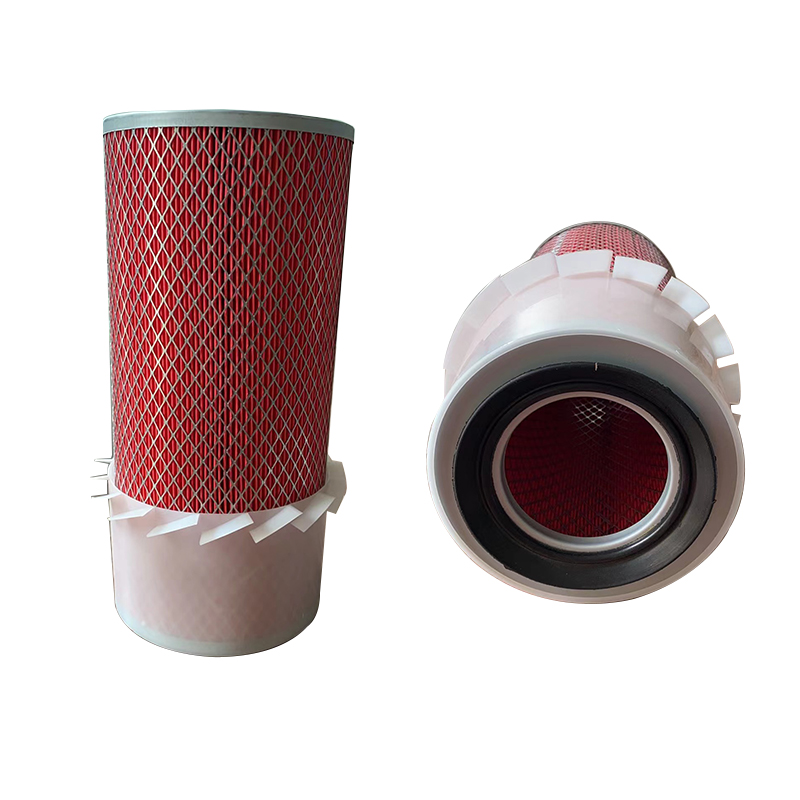 AIR FILTER