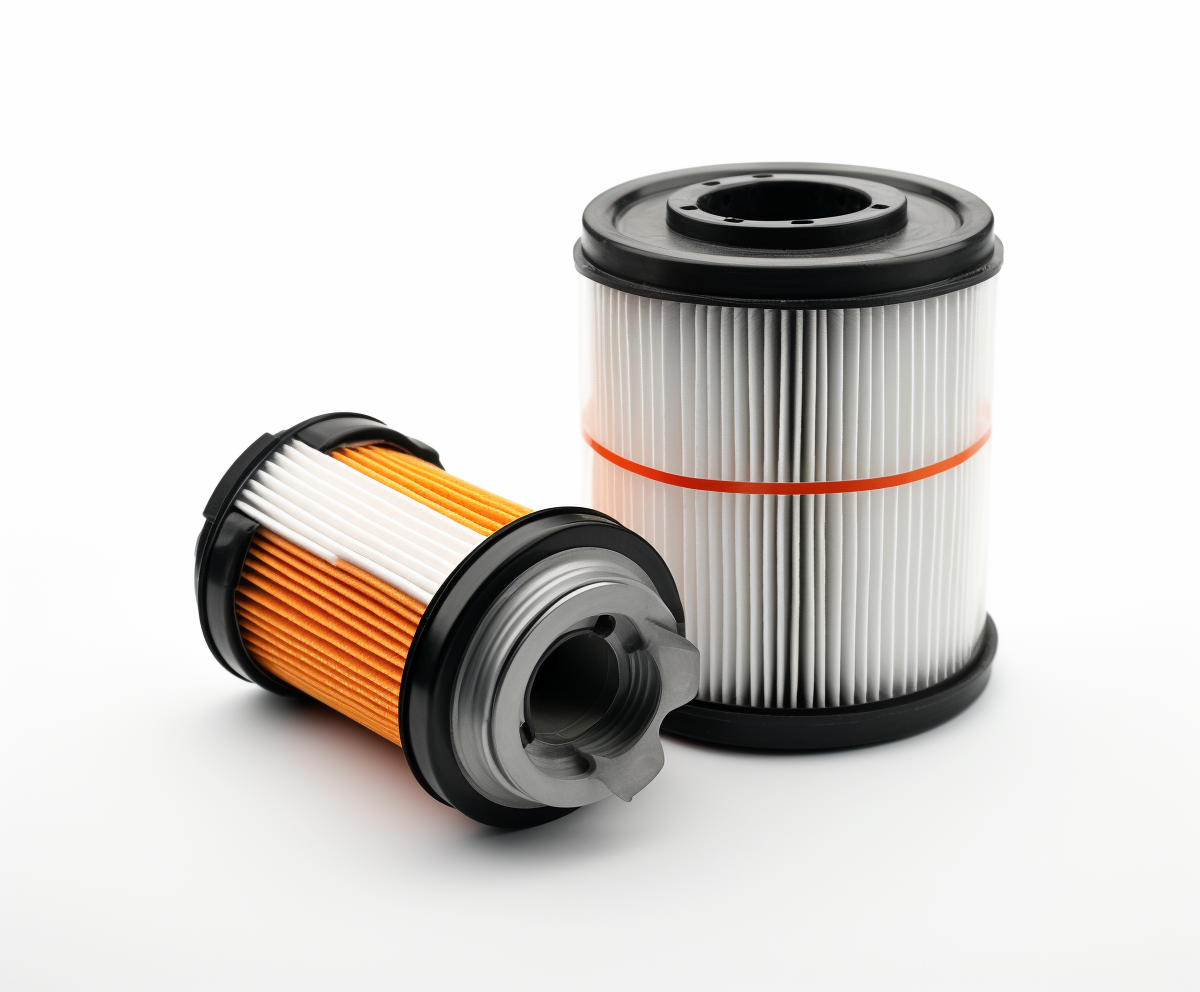
Taking care of your truck’s Air Filter isn’t just a small detail — it’s actually pretty important if you wanna keep your engine running smoothly and last longer. Here at Ningbo Hongzhuo Filter Co., Ltd., we totally get how crucial it is to have quality filters, especially for trucks, because they help your vehicle work more efficiently.
We’ve been around since 2013 in Ningbo City, Zhejiang Province, and our main gig is making all kinds of filters tailored to keep your vehicles and equipment in tip-top shape. If you make it a habit to check or replace your truck’s air filter regularly, you’ll notice better airflow, improved engine performance, and you might even extend your truck’s lifespan.
In this post, I’ll share some practical tips and easy strategies to help you get the most out of your truck’s air filter — so your engine can keep running smoothly and reliably down the road, for years to come.
Understanding the Role of the Air Filter in Your Truck's Engine Performance
Your truck’s air filter is pretty much the unsung hero when it comes to keeping your engine happy. Basically, it’s responsible for making sure only clean air gets into the engine’s combustion chamber. When the filter is in good shape, air flows smoothly—crucial for mixing nicely with fuel and giving you that optimal burn. But if that filter gets all clogged up with dirt, dust, and debris, airflow slows way down, which means your engine won’t perform as well. You might notice less power, and it’ll probably burn more fuel, too. That’s why it’s a good idea to check and replace the filter regularly. Not only does this keep your engine running smoothly, but it can also help those other engine parts last longer since they’re not battling a bunch of grime and contaminants.

Knowing when to swap out your air filter is pretty important. Most manufacturers suggest checking it around every 12,000 miles, but if you’re driving through a lot of dusty roads or rough conditions, you might want to do it more often. And hey, there are high-performance filters or aftermarket options out there that might do a better job at filtering and letting air flow freely. Keep an eye on your filter’s condition and replace it as needed—that way, your truck will run better and last longer, and you’ll save some headaches in the long run.
Signs Your Truck Air Filter Needs Replacement
Taking good care of your truck’s air filter is super important if you want your engine to run smoothly. Did you know that, according to the EPA, a clean air filter can boost your vehicle’s acceleration by up to 11%? Pretty neat, huh? But it’s just as crucial to keep an eye out for the telltale signs that your filter needs replacing. Usually, you might notice your engine isn’t performing as well, your fuel economy starts slipping, or you see dirt and debris sitting right on the filter itself. Those little clues can save you a lot of trouble down the line.

Here at Ningbo Hongzhuo Filter Co., Ltd., we get how important air filters are for keeping your truck in top shape. Whether it’s high-quality air filters, cabin filters, or oil filters, we make sure our products hit the highest standards and help your engine run more efficiently. Plus, research from the Society of Automotive Engineers points out that a clogged air filter can cut engine power by around 10%. So, checking your filter regularly and swapping it out when needed can really pay off—long-term, your truck will stay more reliable and perform better.
So yeah, don’t overlook that little filter — it’s a small thing that makes a big difference!
Best Practices for Cleaning and Maintaining Your Air Filter
Keeping your truck's air filter in check isn't just a good idea – it's pretty much essential for the engine to run smoothly and last longer. A quick regular check can do wonders for airflow, helping your engine breathe easier and work more efficiently. There's actually some solid research from the Engine Manufacturers Association that says a clean air filter can boost your engine's efficiency by up to 10%. That means better fuel economy and fewer emissions, which is a win-win, right?
Now, to really get the most out of your air filter, here are a few tips. First off, make it a habit to check it visually every 15,000 to 20,000 miles, or follow your truck’s manual if it has different advice. If it looks pretty dirty, it's time to clean or swap it out. Cleaning isn’t complicated—just use some compressed air to blow out the dirt and grime, but be careful not to damage the filter fibers.
While you're at it, consider investing in a high-quality aftermarket filter. These tend to last twice as long and do a better job at filtering out harmful particles, which means better protection for your engine. And don’t forget, it’s a good idea to replace the filter whenever you’re doing an oil change. Keep an eye on how the truck runs—if you notice sluggish performance or your fuel bills are creeping up, your filter might need some attention.
Impact of Regular Air Filter Maintenance on Engine Performance
Choosing the Right Air Filter for Your Truck Model
When you're picking out the right air filter for your truck, it's pretty important to think about what your engine actually needs. Every truck model has its own set of engine specs, so not all filters are gonna give you the same performance. I'd definitely recommend checking out your owner’s manual to see what the manufacturer suggests — using a filter made specifically for your truck can really help improve airflow and keep your engine running smooth and efficient.
Also, don’t forget to look at what the filter’s made of and how it’s designed. High-performance options, like those made of cotton or synthetic materials, tend to do a better job at filtering out dirt and last longer than typical paper filters. Plus, they usually let more air in while still catching the junk—that’s a win for your engine’s health. Some brands even offer fancy features, like washable filters or special coatings, which can really boost performance and make maintenance easier. All this stuff adds up to your truck running nicely for years to come, with less hassle and better reliability.
Common Mistakes to Avoid That Shorten Air Filter Lifespan
If you want your truck's air filter to last longer, avoiding some common mistakes really helps. A lot of truck owners skip regular inspections, which can be a big no-no. Noticing when dirt starts to build up is key—ignoring it can mess with airflow and even hurt your engine’s performance. So, it’s a good idea to set up a regular checkup routine to keep that filter clean and working properly.
Another thing that trips people up is choosing the wrong type of air filter. Some go for cheaper, aftermarket filters that aren’t genuine, thinking they’re saving a few bucks. But honestly, these might not filter out enough dirt, meaning more crap gets into your engine, and that could lead to costly fixes down the line. It’s smarter to stick with high-quality, manufacturer-approved filters to keep things running smoothly. And don’t forget—installing the filter correctly is super important, too. If it’s not fitted well, air can leak, which hurts your engine’s efficiency. By being aware of these little pitfalls, you can really extend the life of your air filter—and keep your truck running like a champ.
When to Seek Professional Help for Air Filter Issues
When it comes to taking care of your truck, a lot of people tend to overlook the importance of the air filter. Honestly, a clogged or damaged air filter can really mess with your engine’s performance and even poor fuel economy – it’s one of those small things that make a big difference. Knowing when to call in a pro can save you a lot of headaches down the road. If you start noticing things like your truck’s acceleration feeling sluggish, weird noises from the engine, or you're suddenly getting worse gas mileage, it might be time to get it checked out by a mechanic. They can do a proper inspection and figure out if the air filter needs a change or if there’s something more serious going on.
You know, sometimes advice or lessons come from personal stories. Like that dad who made an air purifier to help his kids breathe easier because of their respiratory issues. It’s kind of similar with vehicle filters—they keep the air that your engine breathes clean, which isn’t just about performance but also about keeping your engine healthy in the long run. Just like that dad wanted to improve his kids’ lives through innovation, paying attention to your truck’s air filter is key to making sure it runs smoothly for years to come. If anything seems off, don’t hesitate to get help from a professional. Catching problems early can save you a bunch of money on repairs and make sure your vehicle stays reliable and happy for a long time.
How to Maximize the Lifespan of Your Truck Air Filter for Optimal Engine Performance
| Maintenance Tips | Frequency | Signs of Replacement Needed | When to Seek Professional Help |
| Inspect Air Filter | Every month | Visible dirt or debris | If damaged or torn |
| Clean Air Filter | Every 10,000 miles | Decreased fuel efficiency | Persistent engine performance issues |
| Replace Air Filter | Every 15,000-30,000 miles | Unusual engine noise | Limitations on DIY skills |
| Use High-Quality Filters | When replacing | Poor air filtration | If unsure about product choice |
Ensuring Optimal Performance: The Critical Role of Quality Fuel Filters for Toyota Vehicles Supported by Industry Reports
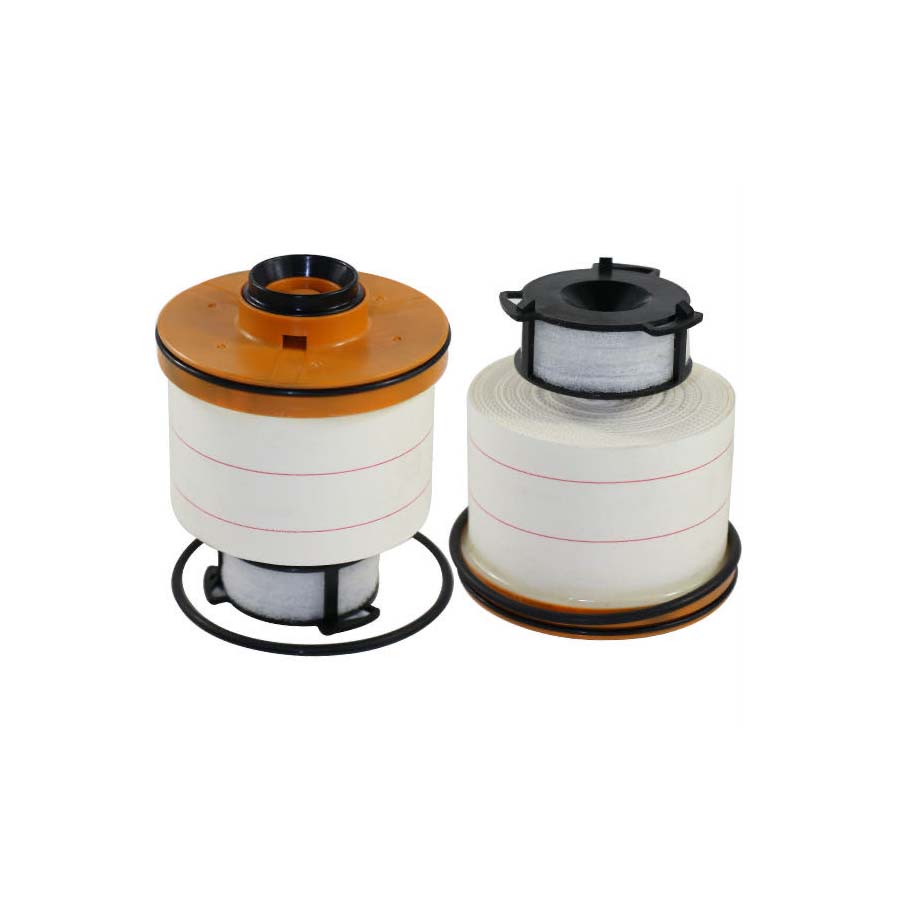
When it comes to maintaining optimal performance in Toyota vehicles, the critical role of quality Fuel Filters cannot be overstated. Fuel filters are essential components that ensure the engine receives clean fuel by trapping dirt, debris, and other contaminants. This is particularly important for Toyota owners seeking longevity and efficiency from their cars. Reports from the automotive industry consistently highlight that neglecting fuel filter maintenance can lead to decreased engine performance and increased wear on essential engine parts.
One top recommendation for Toyota vehicle owners is the Replacement Fuel Filter with OE No. 23390-0L070. This filter is designed for various Toyota models, ensuring that your vehicle benefits from maximum filtration efficiency. With reference numbers 23390-0L090 and 23390-11240 also applicable, this product supports a wide range of applications. The standard size and customizable materials allow for seamless incorporation into your vehicle’s fuel system, while the minimum order quantities ensure that both large and small businesses can access high-quality parts.
Produced with certifications like ISO 9001:2015 and IATF 16949:2016, this fuel filter promises reliability and performance. The convenient delivery time of 15 to 20 days after deposit receipt makes it an accessible choice, with load ports available in Ningbo or Shanghai. Investing in a quality fuel filter like this one is a savvy decision for Toyota owners who prioritize performance and durability in their vehicles.
FAQS
: It's essential to consult your truck's owner manual for the manufacturer’s recommended air filter type, as different models have varying engine specifications. Using a filter designed specifically for your model can enhance airflow and improve engine efficiency.
High-performance air filters made of cotton or synthetic materials typically offer better filtration and durability compared to standard paper filters. These materials allow for increased airflow while effectively trapping contaminants.
Yes, using cheaper, non-genuine filters can introduce unwanted particulates into the engine, which may lead to reduced performance and costly repairs over time. It's best to stick with high-quality, manufacturer-recommended filters.
It's crucial to establish a routine checkup schedule to regularly inspect your air filter for dirt accumulation. Neglecting inspections can lead to reduced airflow and engine performance.
Signs of an air filter that needs replacement include reduced engine performance, poor fuel economy, and visible dirt or debris on the filter itself.
Common mistakes include neglecting regular inspections, using the wrong type of air filter, and improper installation. Always follow installation guidelines and use manufacturer-recommended filters to ensure optimal performance.
Yes, consider filters with advanced features like washable options or specialized coatings, which can optimize performance and maintenance intervals.
A poorly fitted air filter can lead to air leakage, which ultimately affects engine efficiency and performance. Always follow the installation guidelines carefully.
The quality of the air filter directly affects engine airflow and the ability to trap contaminants. A high-quality filter can enhance overall engine performance and prolong the life of engine components.
This depends on the type of air filter. Some reusable filters, such as those made of cotton or synthetic materials, can be washed and reused, while others may need to be replaced when dirty.
Conclusion
If you want your truck’s air filter to last longer and keep your engine running smoothly, it’s really important to understand just how crucial that little filter actually is. It might seem small, but a dirty or clogged filter can seriously cut down your horsepower and hurt your fuel economy — nobody wants that! So, keep an eye out for telltale signs that it’s time for a replacement. Regular cleaning and proper maintenance go a long way in making sure your filter stays in good shape, and picking the right one for your specific truck model is just as important for keeping things running well.
Oh, and don’t forget to avoid common mistakes—like skipping inspections or using the wrong products. Those little lapses can really shorten your filter’s lifespan. If you start noticing weird performance issues or things just aren’t feeling right, it might be a good idea to reach out to a pro. At Ningbo Hongzhuo Filter Co., Ltd., we’re all about high-quality truck and automotive filters, so your vehicle can stay running smoothly and efficiently for years down the road.

 Products
 FUEL FILTER
 OIL ELEMENT FILTER
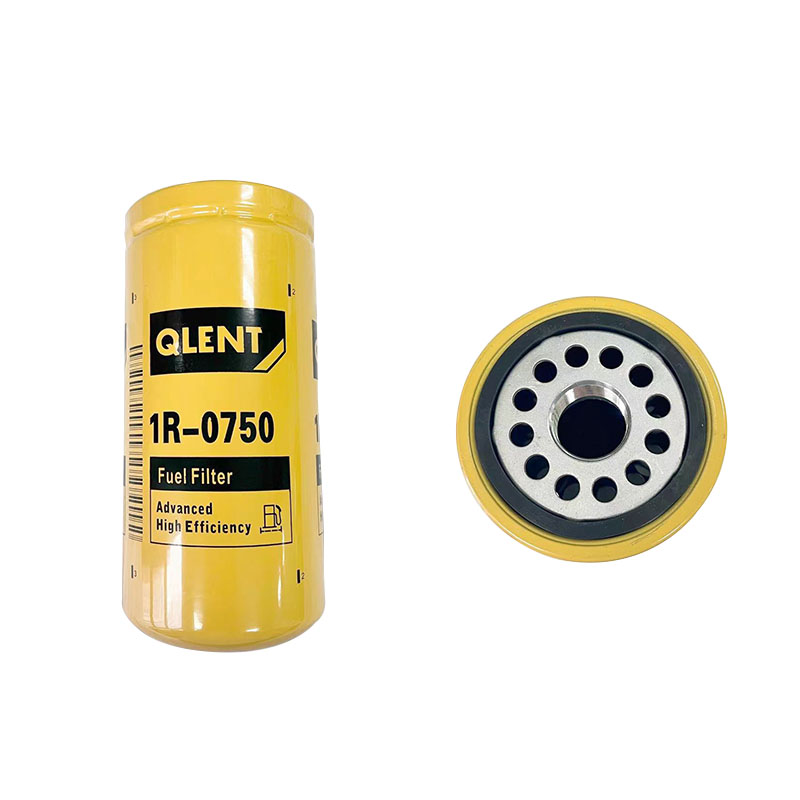 OIL FILTER
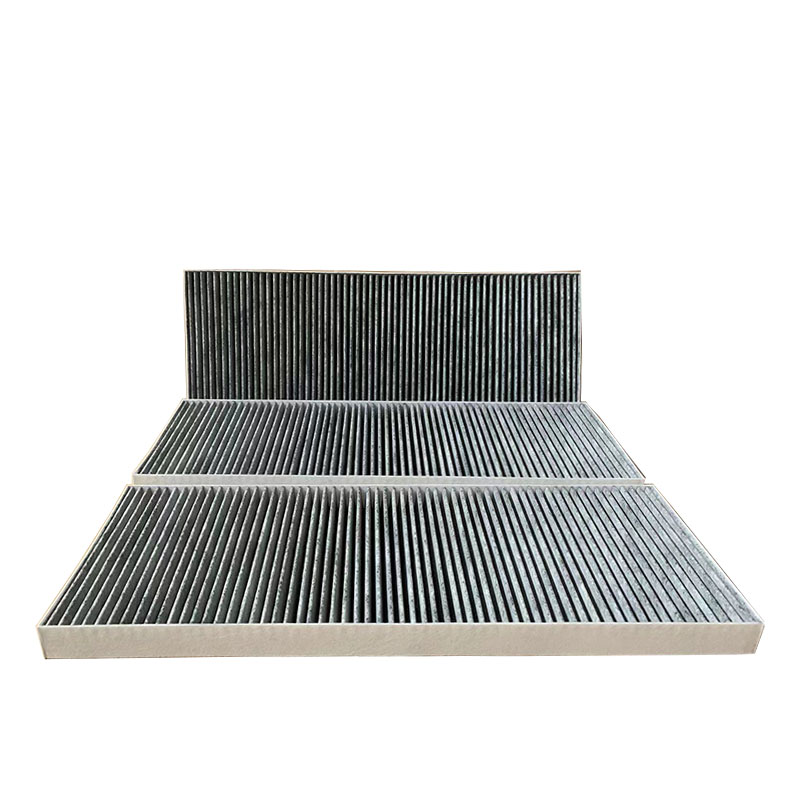 CABIN FILTER
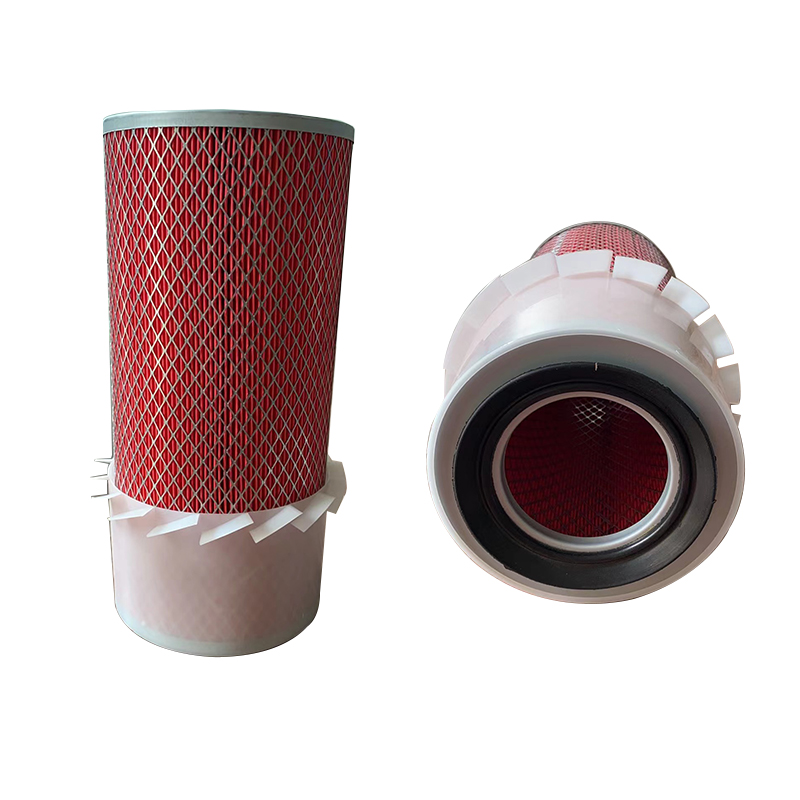 AIR FILTER