Inquiry
Form loading...
0%

You know, when it comes to today's cars, picking the right Vehicle Filter really cannot be stressed enough. It’s a big deal because it directly impacts how well your car runs and how long it’ll last. I came across a report from Allied Market Researchthat says the global market for Automotive Filters is expected to hit around$28.88 billion by 2026—that's pretty huge! This growth is mainly fueled by more cars being made and tougher emissions rules.

Since starting back in 2013, Ningbo Hongzhuo Filter Co., Ltd. has been right there at the forefront, focusing on making all kinds of automotive filters—stuff like air filters, cabin filters, and oil filters. Knowing the differences between these filters and what they’re used for is pretty important, whether you’re a car maker or just someone who cares about their ride.

Choosing the right filter can really boost engine performance, cut down on wear and tear, and help your vehicle run smoother overall. So, in this little guide, I’ll walk you through the key points to keep in mind when selecting filters—so your car stays in top shape.

How to Choose the Right Vehicle Filter for Optimal Performance and Longevity

Understanding the Different Types of Vehicle Filters and Their Functions

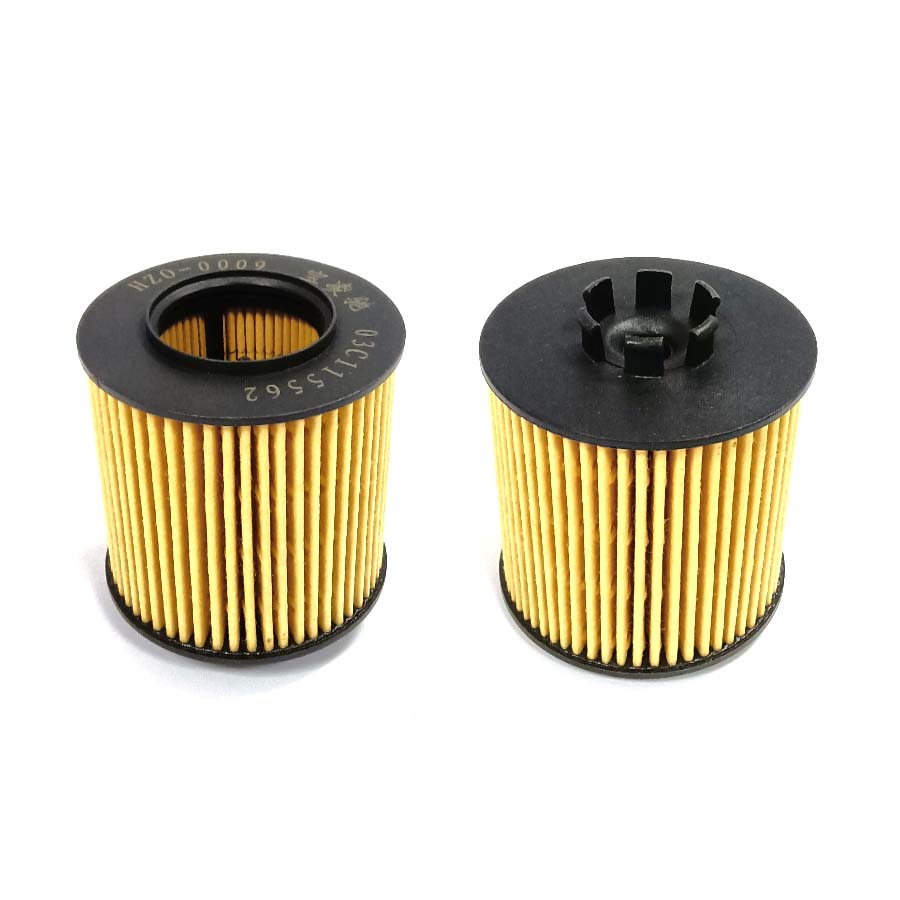
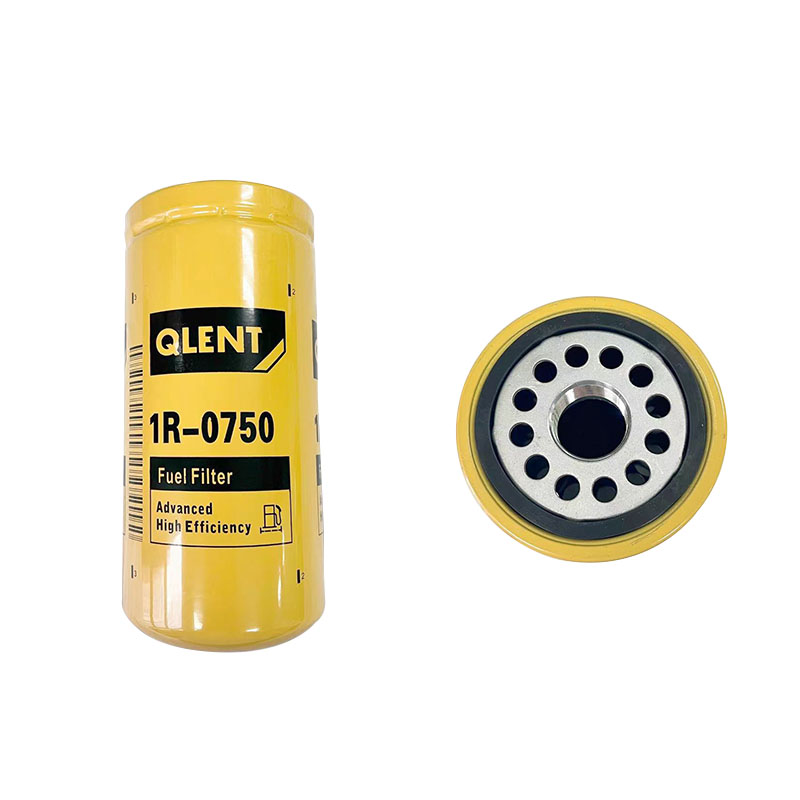
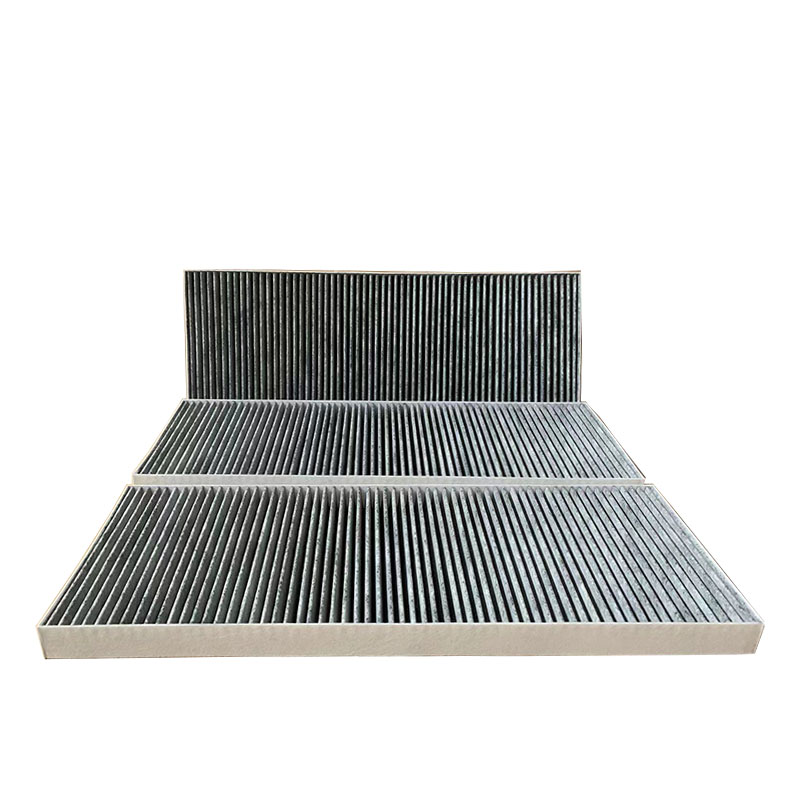
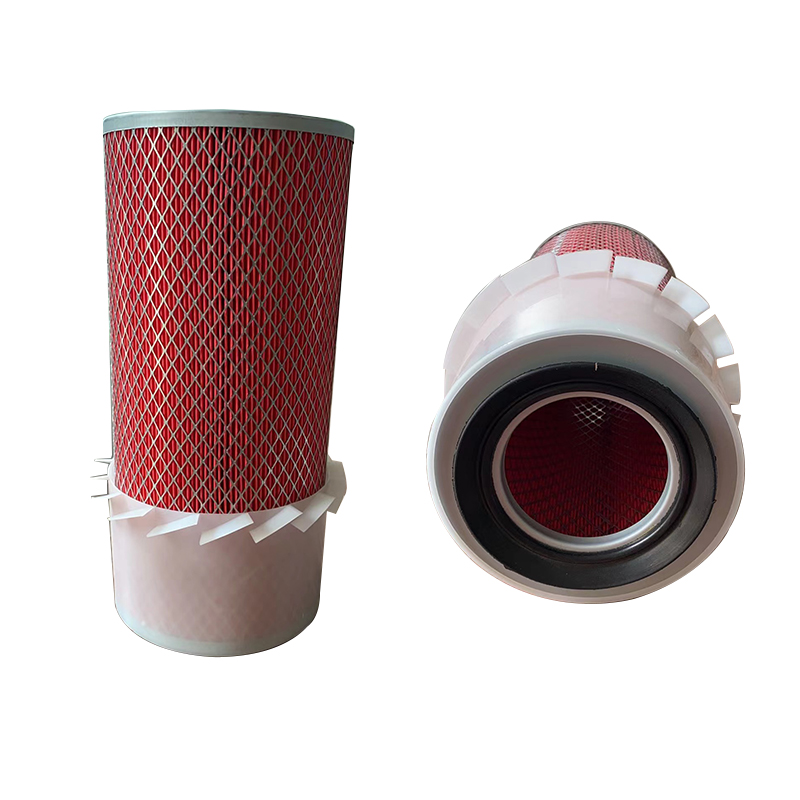
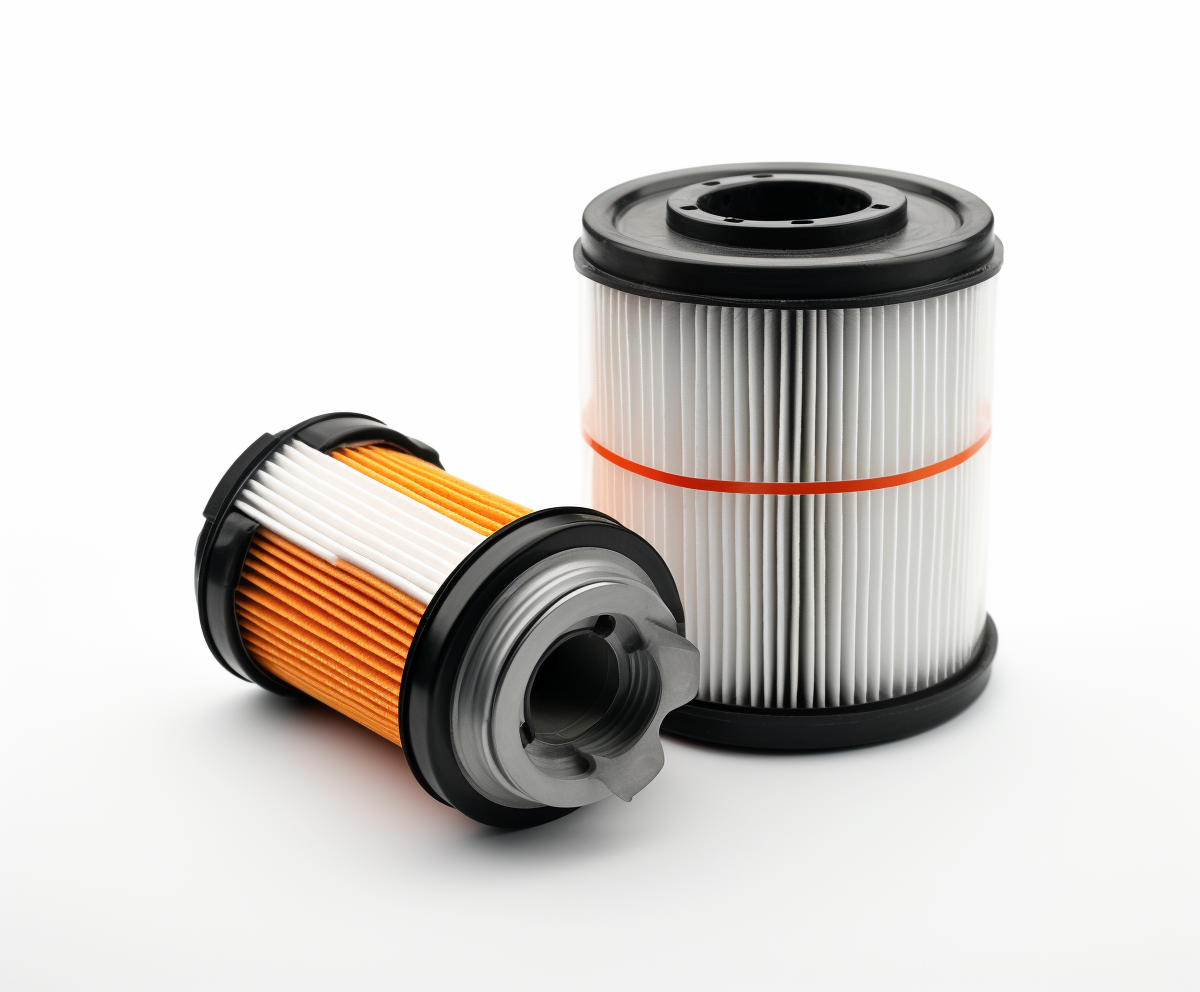
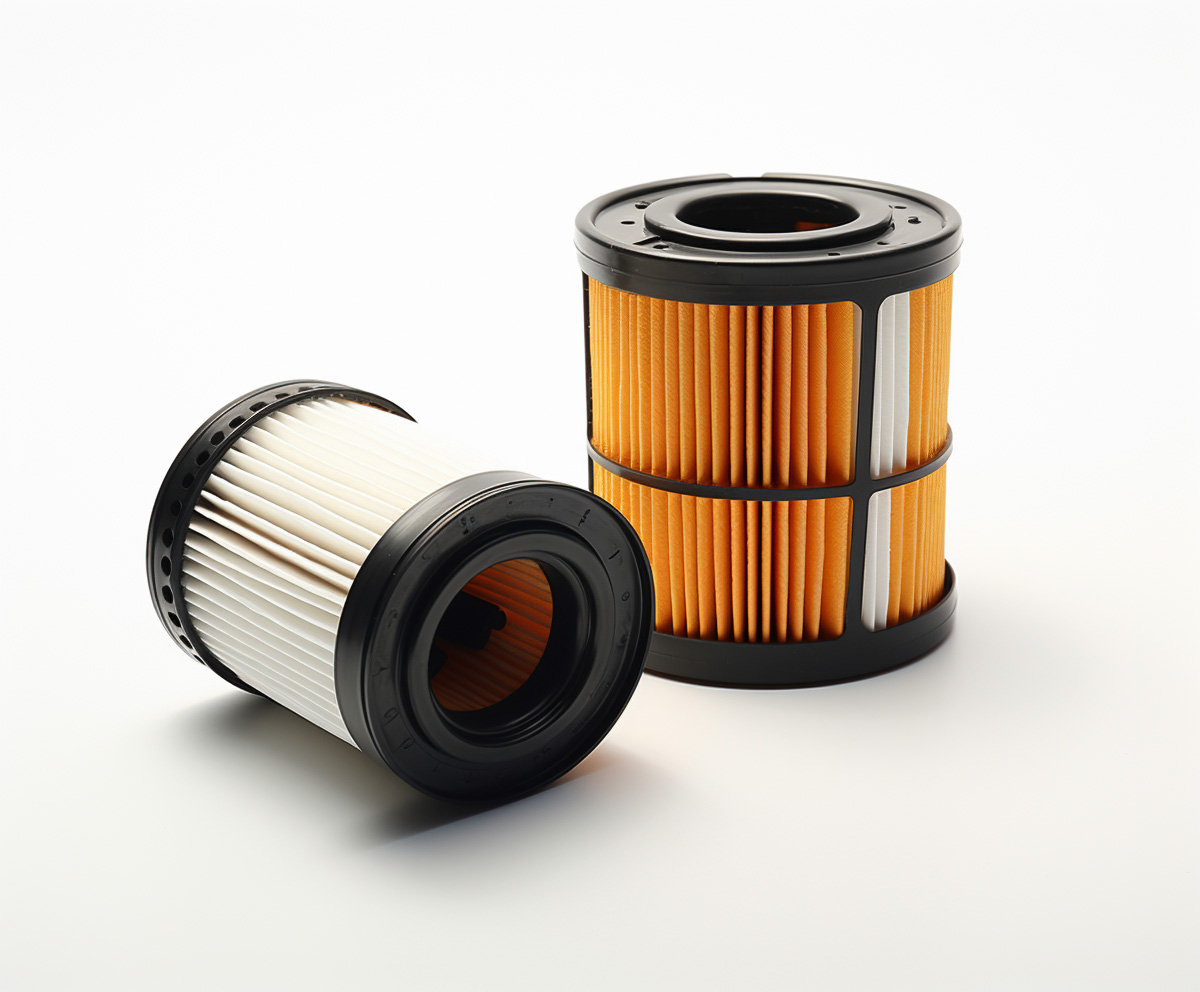
When you're thinking about keeping your vehicle running smoothly and lasting longer, it’s really important to understand the different kinds of filters your car needs. There are mainly four types: air filters, fuel filters, oil filters, and cabin filters. Each one has a specific job, and they all work together to keep your car in good shape. For example, air filters trap harmful particles from getting into the engine — a big deal because a clean engine runs better and lasts longer. If you don’t change them regularly, your fuel might get used up more quickly, and worse, it could even damage your engine. So yeah, regular maintenance and timely filter replacements are key.

How to Choose the Right Vehicle Filter for Optimal Performance and Longevity

The market for car filters is expected to grow quite a bit, actually—potentially hitting around $14.6 billion by 2030. This is mainly because people are becoming more aware of how important vehicle upkeep is, along with a growing demand for cleaner air inside cars. For instance, in the U.S., the market for cabin air filters—which keep dust, allergens, and even germs out—is projected to jump from $2.75 billion in 2024 up to about $4.48 billion by 2032. That’s a decent growth rate of around 6.3% annually. It really shows how much folks are looking for better-quality filters, not just to block dust but also to create a healthier environment for drivers and passengers alike. As cars keep changing over time, picking the right filters is gonna be even more important for keeping everything running safely and smoothly.

Key Performance Indicators: How Filters Impact Vehicle Efficiency and Fuel Economy

When you're talking about keeping your car in good shape, the kind of filters you use really makes a big difference—not just for performance, but also for saving on fuel. Think of filters as the first line of defense against all the gunk and dirt that can slow your engine down. For example, the air filter is like the filter for the engine’s lungs—it lets clean air in so your engine can breathe and run smoothly. If that filter gets clogged or dirty, it’s like trying to breathe through a straw, which means your engine won’t perform as well and you'll end up wasting more gas. So, popping in a fresh air filter every now and then keeps things running smoothly, boosting power and helping you save on fuel.

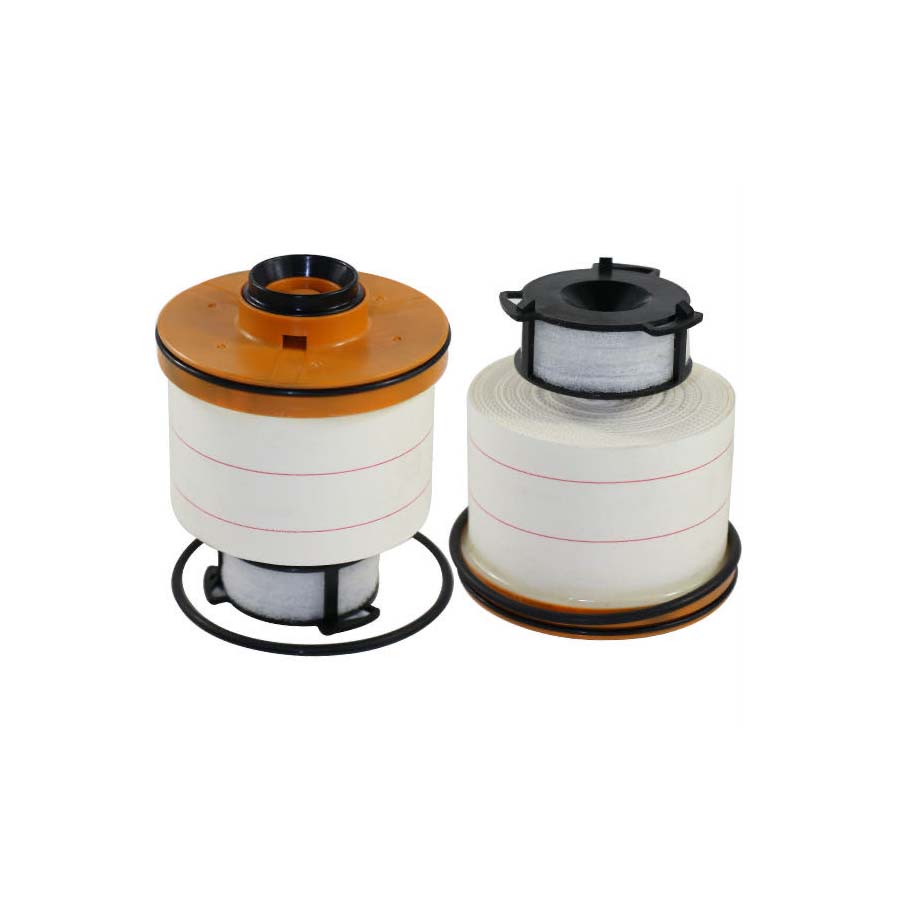
Same goes for the fuel filter—it's there to block out harmful particles and keep clean fuel reaching your engine. If that filter gets clogged or starts to fail, you might notice it’s harder to accelerate, you could get engine misfires, or even risk damaging your engine over time. By keeping an eye on both your air and fuel filters, you can help your engine last longer and make each gallon go further. Picking the right filters and sticking to a regular maintenance routine might seem small, but it really pays off when it comes to keeping your car running at its best.

Impact of Different Vehicle Filters on Fuel Economy

This bar chart illustrates how various types of vehicle filters affect fuel economy. The data suggests that a high-quality air filter significantly improves fuel efficiency compared to standard filters, while cabin filters have a lesser impact.

Industry Statistics: The Lifespan of Filters and Recommended Change Intervals

Choosing the right vehicle filters isn’t just about ticking a box — it’s pretty important if you want your car to run smoothly and last longer. For example, oil filters usually last around 5,000 to 7,500 miles, but that can vary depending on your car and the type of oil you use. Changing your oil filter on a regular basis helps keep contaminants out of your engine, which can really boost its lifespan and keep it running efficiently. Trust me, it’s a little thing that makes a big difference.

Now, air filters? They tend to stick around a bit longer, usually between 15,000 and 30,000 miles. But here’s the thing — a clogged air filter can cut your engine’s efficiency by up to 10%. Nobody wants that, right? Not only does it sap some power, but it also makes your fuel economy worse and can crank up emissions. So, a good rule of thumb is to check your air filter around every 12,000 miles and swap it out if it’s looking rough. Better safe than sorry!

And don’t forget about fuel filters. These usually need a change somewhere between 20,000 and 30,000 miles. Some of the high-performance ones can go even longer, but ignoring this can lead to serious issues like damaging your fuel pump — and nobody wants to deal with those costly repairs. Keeping an eye on these intervals isn’t just about saving money; it genuinely helps your car run better for longer. So, staying informed about when to change these filters is really key to keeping your ride in top shape.

How to Choose the Right Vehicle Filter for Optimal Performance and Longevity

Filter Type Average Lifespan (miles) Recommended Change Interval (miles) Impact on Vehicle Performance
Oil Filter 5,000 - 7,500 3,000 - 5,000 Essential for engine health
Air Filter 15,000 - 30,000 12,000 - 15,000 Improves fuel efficiency
Cabin Air Filter 15,000 - 25,000 10,000 - 15,000 Enhances air quality inside vehicle
Fuel Filter 30,000 - 50,000 20,000 - 30,000 Key for engine performance and fuel efficiency

Choosing the Right Filter: Factors to Consider for Different Vehicle Types

Picking the right filter for your car really makes a difference in how it runs and how long it’ll last. Every vehicle is a bit different, so it’s super important to think about the specific needs when choosing a filter. For example, if you’re driving a sporty ride that loves speed, you'll want an air filter that lets as much air in as possible — it helps boost performance. On the flip side, if you’re into off-roading and tackling dirt and dust, a filter that traps debris is gonna keep your engine running smoothly out there in the salty, gritty terrain.

Tip 1: Always check your car’s owner manual first. It’ll clue you in on what kind of filter your ride needs — stick to those recommendations to keep things running efficiently without sacrificing quality.

Tip 2: Think about where you're driving. If you mostly zip around the city, a simple paper filter might do the trick. But if you’re out on dusty roads a lot, going for a washable or high-capacity filter is probably a smarter move — it’s all about matching your filter to your driving habits.

Tip 3: Don’t forget to pay attention to the quality of the filter material. Better filters often use advanced, durable materials that do a great job at filtering and don’t need replacing as often. Spending a bit more upfront on a good filter can actually save you time and money down the road.

The Cost-Benefit Analysis of High-Quality Filters vs. Standard Options

When you're picking out vehicle filters, it's really important to weigh the pros and cons of going for high-quality ones versus the standard options. Honestly, grabbing a premium filter can make a pretty big difference—studies from the Automotive Aftermarket Suppliers Association (AASA) show that these filters can cut down engine wear by up to 30%, which means your engine lasts longer. Sure, those quality filters might cost a bit more upfront, but they tend to need replacing less often, so in the long run, you could save around 200 bucks on maintenance and repairs over the lifetime of your vehicle.

And let’s be real—top-tier filters from leading brands are often made to trap tiny particles, sometimes as small as 10 microns. That’s much better than standard filters, which usually only catch particles down to about 40 microns, letting in dirt that can really mess up your engine. Plus, according to a report in the International Journal of Automotive Technology, engines running with these better filters can improve fuel efficiency by up to 6%. Not only does that save you some cash at the pump, but it also means fewer emissions and a little boost for the environment. All in all, investing in quality filters really pays off—improving performance and helping out Mother Earth at the same time.

How to Choose the Right Vehicle Filter for Optimal Performance and Longevity

Maximize Vehicle Performance with Reliable Engine Fuel Filter and Oil Filter Spin-On 26300-42040

Maximizing vehicle performance is essential for ensuring longevity and reliability on the road. One critical component that plays a significant role in maintaining optimal engine health is the engine fuel filter and oil filter. The Oil Filter OE No. 26300-42040 is designed specifically to meet the high demands of various vehicles, including those from Hino, Hyundai, Kia, Mazda, and Mitsubishi. By incorporating this filter into your maintenance routine, you are not only enhancing the efficiency of your engine but also preventing contaminants from causing damage.

Constructed from durable metal, the Oil Filter offers a standard size that ensures compatibility across numerous applications. Its reliable performance is backed by certifications including ISO 9001:2015 and IATF 16949:2016, giving you peace of mind that your vehicle’s engine is safeguarded against premature wear. With a minimum order quantity of 1000 pieces for neutral packaging and customer logos, this oil filter is an ideal choice for both individual consumers and businesses looking to optimize their fleet's maintenance strategies. Ensure your vehicles are equipped with the best, and keep performance at its peak with the 26300-42040 oil filter.

FAQS

: What purpose do filters serve in a vehicle's engine?

: Filters are the first line of defense against contaminants that can degrade engine efficiency, allowing clean air and fuel into the engine for optimal combustion.

How does a clogged air filter affect vehicle performance?

A clogged or dirty air filter restricts airflow, leading to a decrease in power and an increase in fuel consumption.

Why are regular inspections and replacements of air filters important?

Regular inspections and timely replacements ensure the engine runs smoothly, enhancing horsepower and improving fuel efficiency.

What role do fuel filters play in vehicle performance?

Fuel filters keep harmful particles out of the fuel system, ensuring that fuel flows freely to the engine and preventing issues like reduced acceleration and engine misfires.

How can using high-quality filters benefit vehicle owners financially?

High-quality filters can reduce engine wear by up to 30% and lead to savings of approximately $200 over a vehicle's lifespan due to lower maintenance and repair costs.

What are the filtration efficiencies of high-quality filters compared to standard options?

High-quality filters can capture particles as small as 10 microns, while standard filters might only filter down to 40 microns, allowing more harmful contaminants into the engine.

How do quality filters affect fuel efficiency?

Engines operating with quality filters can exhibit improved fuel efficiency by up to 6%, leading to cost savings and lower emissions.

What is the long-term cost implication of choosing standard filters over high-quality filters?

Although standard filters have a lower initial cost, they require more frequent replacements, resulting in higher long-term expenses.

What is the environmental impact of investing in high-quality filters?

Investing in reputable filters not only enhances vehicle performance but also supports environmental sustainability by contributing to lower emissions.

Why is it essential to choose the right filters for vehicle maintenance?

Selecting the right filters and adhering to a regular maintenance schedule are critical steps toward achieving optimal vehicle performance and efficiency.

Conclusion

Picking the right vehicle filter is super important if you want your car to run smoothly and last longer. There are all sorts of filters out there — from air filters to oil filters — and each one plays a part in keeping your ride efficient and saving you some bucks on fuel. Honestly, the quality of these filters really does make a difference in how well your vehicle performs. When you go for a good filter, you might see better mileage and fewer issues down the line, which is always a win.

Now, did you know that how long a filter lasts can really vary? That’s why it’s so important to stick to the recommended replacement schedules — ignoring them could lead to some pretty costly repairs. When you're picking out a filter, you should think about your specific vehicle and its needs — not just grab the cheapest thing. Investing in top-notch filters, like those from Ningbo Hongzhuo Filter Co., Ltd., might cost a bit more upfront, but they tend to last longer and work better, which actually saves you money in the long run. So, if you’re serious about taking care of your car and getting the best bang for your buck, going for quality filters is definitely the way to go.

Julian

Julian

Julian is a dedicated marketing professional at Ningbo Hongzhuo Import and Export Co., Ltd., where he leverages his extensive expertise to drive the company's presence in the global market. With a deep understanding of the products offered, Julian is instrumental in crafting insightful blog......
Previous Maximize Efficiency with Element Filters 7 Key Benefits and Cost Saving Tips