Inquiry
Form loading...
0%

When it comes to keeping your vehicle running smoothly and lasting longer, understanding Automotive Filters really matters. These little guys are pretty much the gatekeepers—making sure all the different systems in your car work properly by filtering out dirt and debris. From the engine to the cabin, having the right filters in place doesn’t just give you a smoother ride; it also helps keep you safe on the road.

In this article, I’ll walk you through the top 10 automotive filters every car owner should know about. Each one has its own job—like oil filters that catch tiny harmful particles before they mess up your engine, or Air Filters that make sure only clean air gets into the cabin. Getting to know these parts a bit better means you can make smarter choices about maintaining your ride and keeping it in top shape.

Spending some time learning about automotive filters isn’t just about prolonging your car’s life—it's also a nice little boost of confidence every time you hit the road. Whether you’re a total car geek or just bought your first car, knowing about these filters can really help you keep your vehicle running at its best.

Top 10 Automotive Filters Every Car Owner Should Know About

Types of Automotive Filters: An Overview

Top 10 Automotive Filters Every Car Owner Should Know About

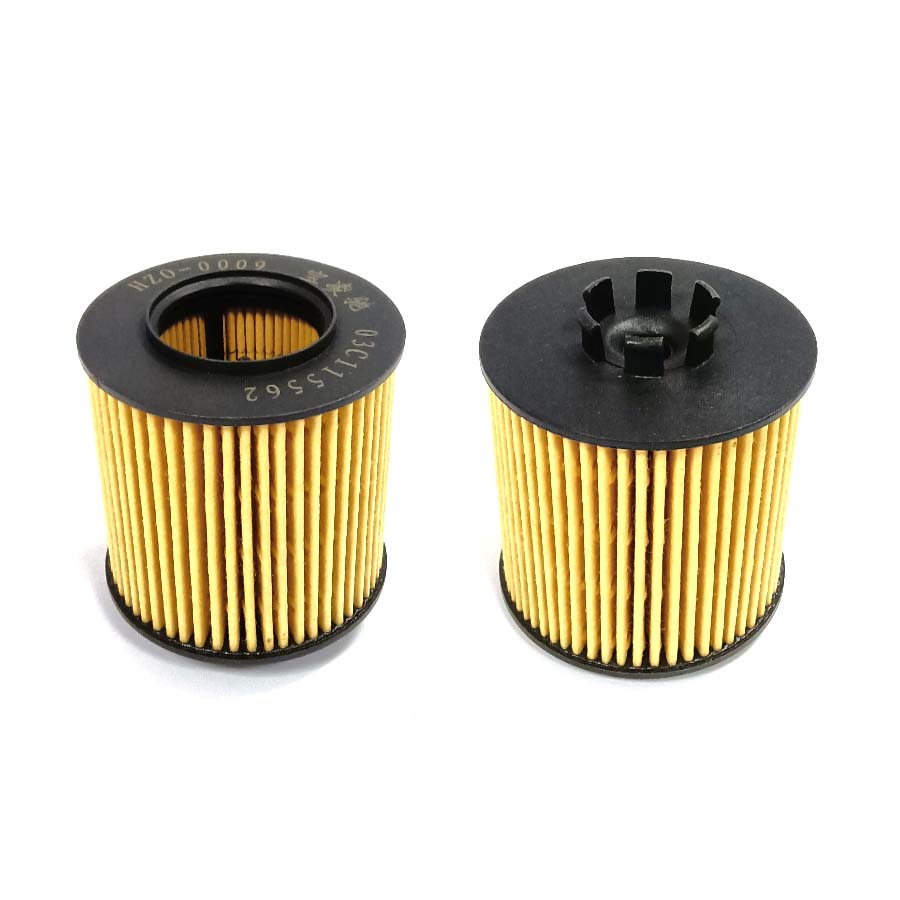
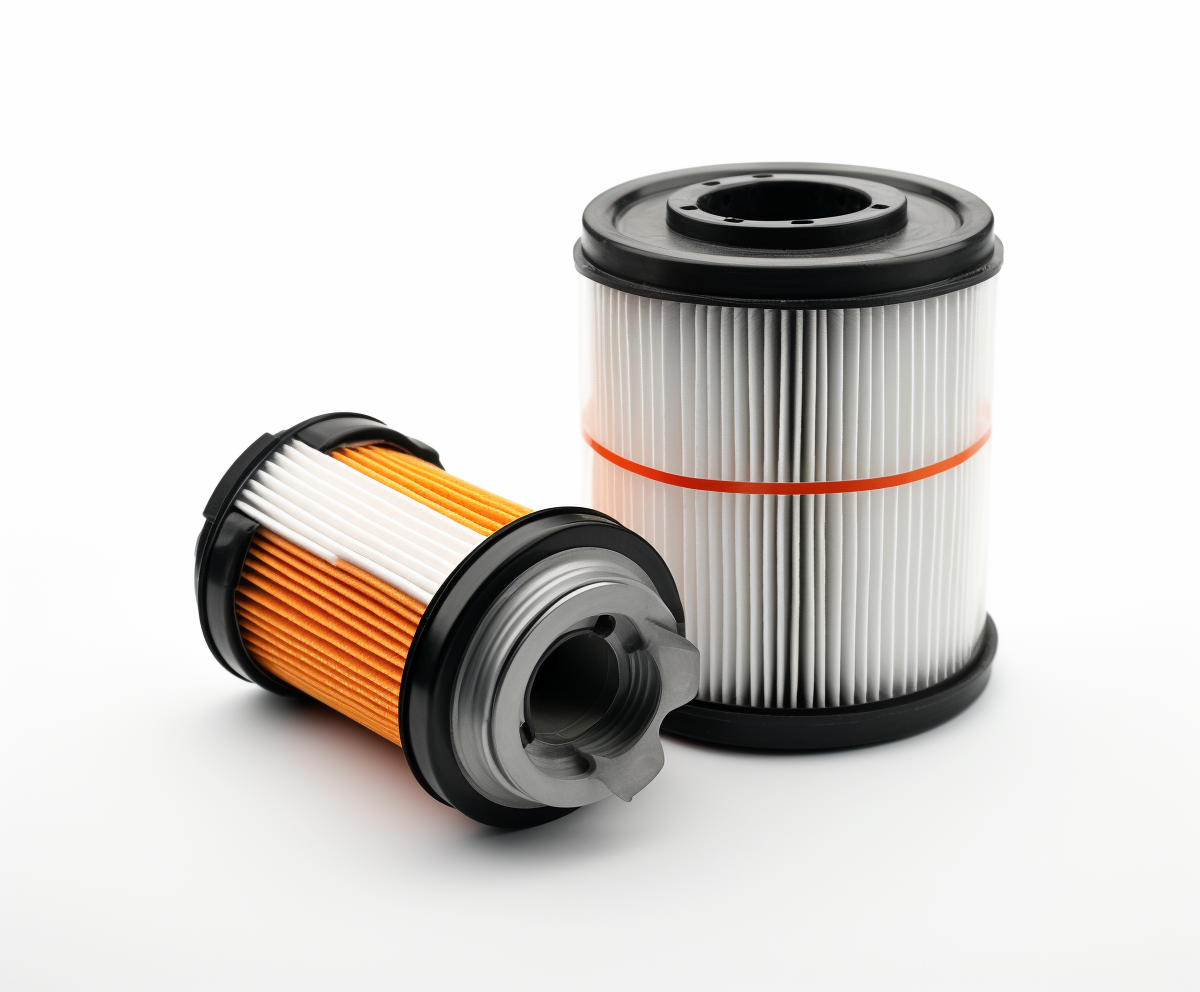
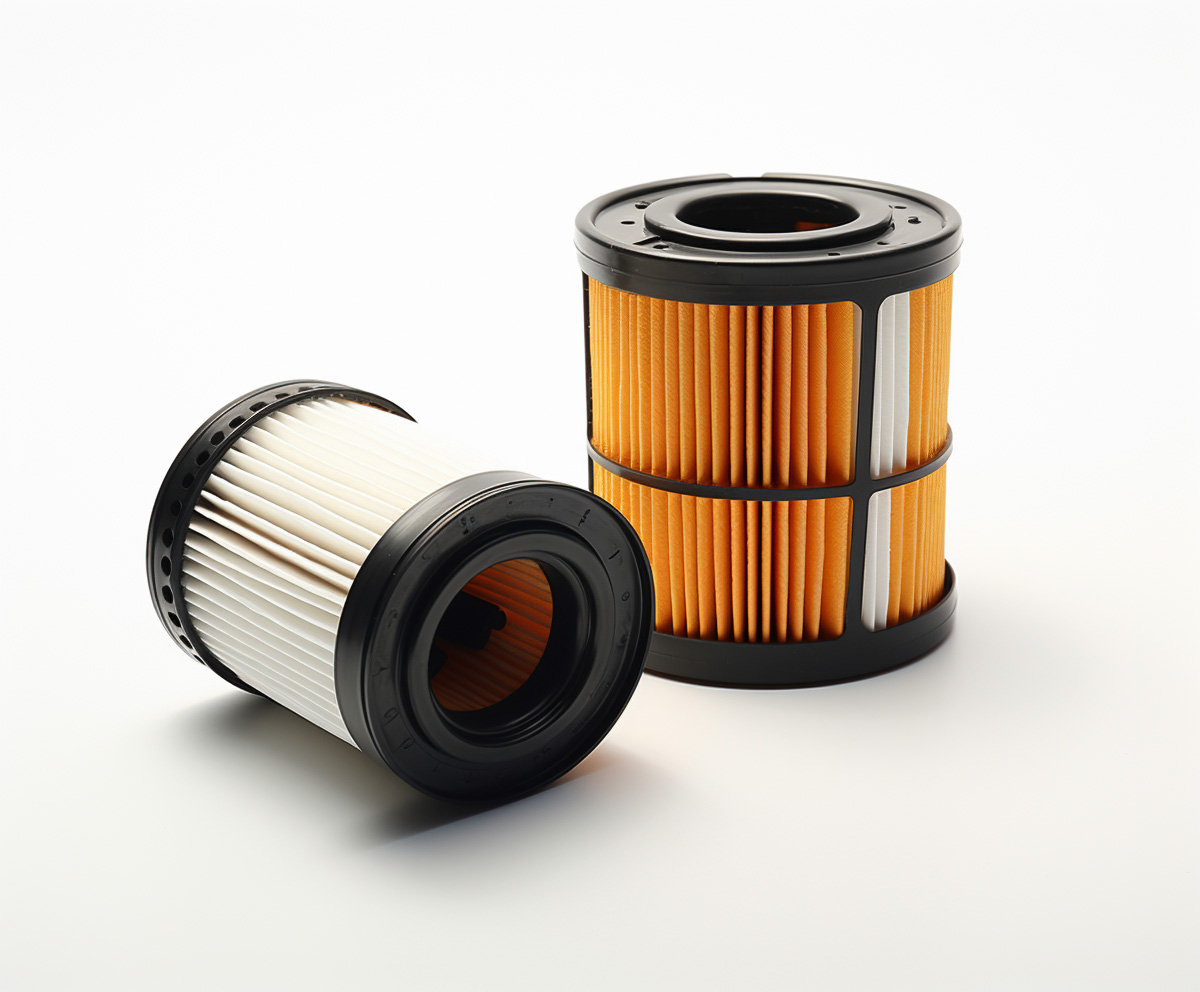
Automotive filters play a vital role in maintaining the performance and longevity of vehicles, filtering out impurities that can harm engine function and overall driving experience. There are several key types of filters that every car owner should be familiar with. The engine oil filter is essential for removing contaminants from the engine oil, ensuring smooth operation and reducing wear on engine components. Similarly, the air filter prevents dust, dirt, and other particles from entering the engine, allowing for a clean air-fuel mixture that optimizes combustion efficiency.

Another crucial filter is the fuel filter, which prevents debris from entering the fuel system, thus protecting the fuel injectors and ensuring optimal engine performance. The cabin air filter, though often overlooked, contributes to passenger comfort by capturing dust, pollen, and other airborne pollutants, thus improving air quality within the vehicle. Additionally, there are transmission filters that keep the transmission fluid clean and free of contaminants, which is essential for the smooth shifting of gears. Understanding these different types of automotive filters helps car owners take better care of their vehicles, leading to improved efficiency and a smoother driving experience.

Importance of Regularly Changing Filters

Regularly changing automotive filters is crucial for maintaining the performance and longevity of your vehicle. Filters play an essential role in keeping various systems running smoothly by trapping dirt, debris, and contaminants. When filters become clogged or dirty, they can lead to decreased efficiency, lower fuel economy, and even engine damage. Therefore, staying on top of filter maintenance is not just a recommendation; it's a necessity for every car owner.

**Tip:** To ensure you're changing your filters at the right intervals, consult your vehicle's owner manual for specific maintenance schedules. Most manufacturers provide guidelines on when to replace air filters, oil filters, and more. Additionally, consider setting reminders or using a tracking app to help you stay proactive with these essential tasks.

Another important aspect is inspecting filters during oil changes or routine check-ups. Many service centers offer filter inspections as part of a comprehensive service. This way, you can identify potential issues before they escalate, saving you time and money. Don’t overlook smaller filters, such as cabin air filters, as they affect your driving comfort and air quality.

**Tip:** Keep an eye out for changes in performance, such as reduced acceleration or strange noises, as these can be indicators that a filter needs replacing. Regular maintenance of filters not only helps in achieving optimal vehicle performance but also helps you avoid unexpected breakdowns that can disrupt your daily life.

Top 10 Automotive Filters Every Car Owner Should Know About - Importance of Regularly Changing Filters

Filter Type Function Recommended Change Interval Impact of Neglect
Engine Oil Filter Removes contaminants from engine oil Every 5,000 to 10,000 miles Engine wear and reduced performance
Air Filter Filters air entering the engine Every 12,000 to 15,000 miles Poor fuel efficiency and power loss
Cabin Air Filter Filters air entering the cabin Every 15,000 to 25,000 miles Poor air quality and odor in cabin
Fuel Filter Removes impurities from fuel Every 20,000 to 30,000 miles Engine stalling and difficulty starting
Transmission Filter Cleans transmission fluid Every 30,000 to 50,000 miles Transmission issues and possible failure
PCV Valve Filter Regulates engine pressure Every 20,000 to 30,000 miles Increased oil consumption and emissions
Differential Filter Clears debris from differential fluid Every 30,000 to 60,000 miles Differential wear and noise
Hydraulic Filter Filters hydraulic fluid Every 20,000 to 40,000 miles Handling and performance issues
Air Conditioning Filter Cleans the air conditioned by the system Every 12,000 to 15,000 miles Reduced cooling efficiency and odors

Air Filters: Role in Engine Performance and Cabin Air Quality

Top 10 Automotive Filters Every Car Owner Should Know About

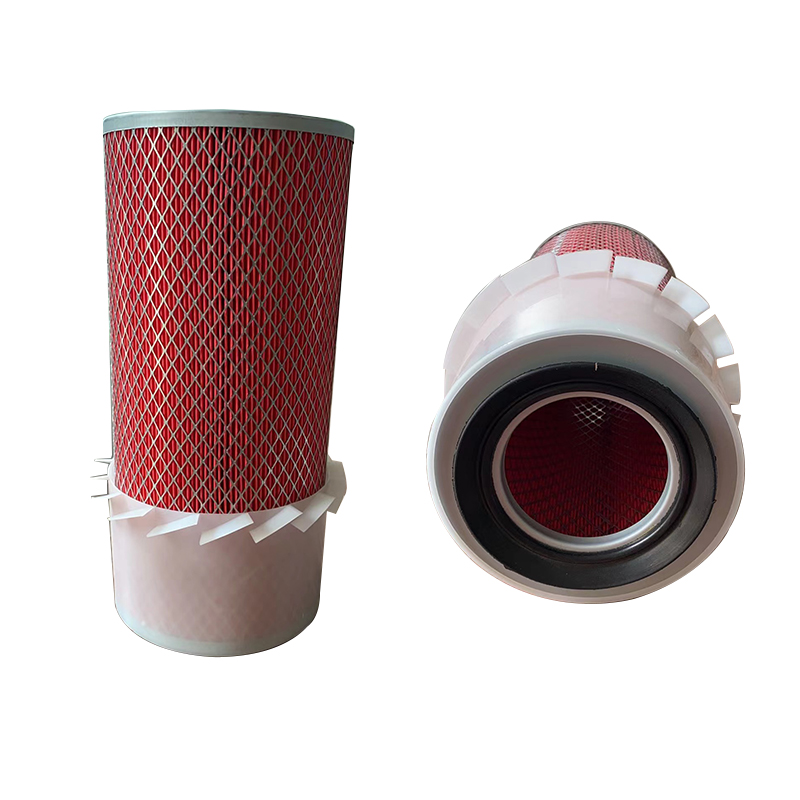
Air filters play a crucial role in both engine performance and cabin air quality, making them essential components for every vehicle owner to understand. The primary function of the engine air filter is to prevent harmful particles, such as dirt and dust, from entering the engine's combustion chamber. A clean air filter ensures optimal airflow, which is vital for achieving efficient fuel combustion. When the air filter is clogged or dirty, it can lead to a decrease in engine power, reduced fuel efficiency, and increased emissions. Regularly checking and replacing the air filter as part of routine maintenance can significantly enhance engine performance and prolong the life of your vehicle.

In addition to engine performance, cabin air filters are equally important for ensuring a healthy driving environment. These filters work to remove pollutants such as pollen, mold spores, and dust from the air entering the vehicle's cabin. By maintaining a clean cabin air filter, drivers and passengers can enjoy improved indoor air quality, reducing the likelihood of allergies and respiratory problems. As more time is spent in vehicles, especially in urban settings with higher pollution levels, the importance of a clean cabin air filter cannot be overstated. Regular maintenance of both air filters will not only enhance the driving experience but also contribute to overall vehicle efficiency and wellness.

Oil Filters: Essential for Engine Longevity and Efficiency

Oil filters are a crucial component in maintaining the health and performance of a vehicle's engine. They play an essential role in removing contaminants and debris from engine oil, which can accumulate over time. According to a report from the Automotive Aftermarket Suppliers Association (AASA), an estimated 75% of engine wear is due to contaminants that are not filtered out of the oil. This statistic underscores the importance of regular oil and filter changes to ensure engine longevity and efficiency.

Choosing the right oil filter can significantly impact not just the operational efficiency of an engine, but its overall lifespan. A study from the Society of Automotive Engineers (SAE) indicates that engines using high-quality filters can maintain better oil flow and filtration efficiency, enhancing fuel economy by up to 2%. Additionally, poor filtration can lead to sludge buildup, which the American Petroleum Institute (API) reports can cause catastrophic engine failures and costly repairs. Thus, understanding and prioritizing the importance of oil filters is vital for every car owner aiming to protect their investment and ensure peak performance.

Top 10 Automotive Filters Every Car Owner Should Know About

Fuel Filters: Ensuring Clean Fuel Delivery

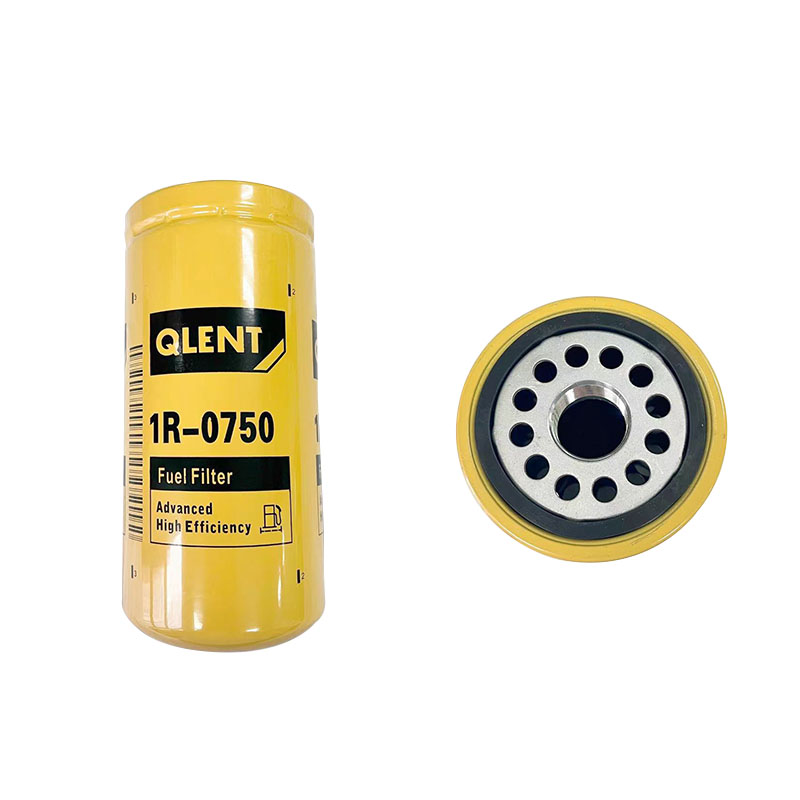
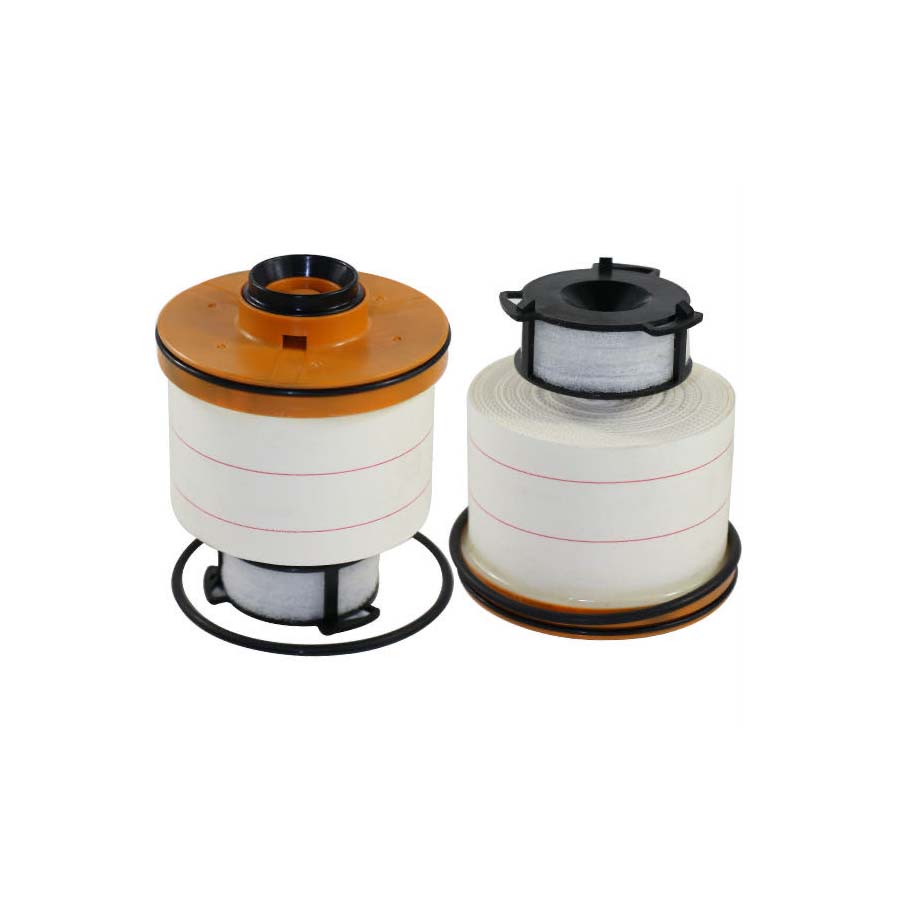
Fuel filters play a crucial role in maintaining the performance and longevity of your vehicle. They are responsible for trapping dirt, rust, and other contaminants from the fuel before it reaches the engine. A clean fuel supply is essential not only for optimal engine performance but also for better fuel efficiency. Over time, fuel filters can become clogged, leading to decreased engine power, difficulty starting, and potential damage to fuel injectors or the engine itself.

To ensure your fuel filter remains effective, it's important to follow some maintenance tips. Regularly checking and replacing the fuel filter according to your vehicle's service manual can prevent many common fuel delivery issues. Additionally, using high-quality fuel can minimize the introduction of contaminants into your fuel system. If you notice your engine sputtering or a decrease in acceleration, it might be time to inspect the fuel filter as part of your routine vehicle care.

Another key tip is to be proactive about fuel system inspections, especially if you frequent areas with poor fuel quality. Keeping your fuel system clean and free from debris will prolong the life of not just the fuel filter but other components as well. Remember, a well-maintained fuel system is vital for your vehicle’s overall performance and reliability.

Transmission Filters: Maintaining Smooth Gear Shifting

Transmission filters play a crucial role in maintaining the performance and longevity of a vehicle's transmission system. These filters are responsible for purifying the transmission fluid, removing contaminants and debris that can accumulate over time. By ensuring that only clean fluid circulates through the transmission, these filters help maintain smooth gear shifting and prevent potential transmission failures. A well-functioning transmission filter contributes to a more responsive driving experience and extends the overall lifespan of the transmission components.

Regular maintenance of the transmission filter is essential for optimal vehicle performance. Ignoring it can lead to issues such as slipping gears, rough shifting, or even complete transmission failure. Car owners should consult their vehicle's maintenance schedule to determine how often the transmission filter needs to be replaced.

During routine servicing, mechanics typically check the condition of the filter alongside the fluid level, ensuring that any buildup of grime is addressed promptly. By prioritizing the maintenance of the transmission filter, drivers can enjoy a more reliable and enjoyable driving experience.

Cabin Air Filters: Enhancing Passenger Comfort and Health

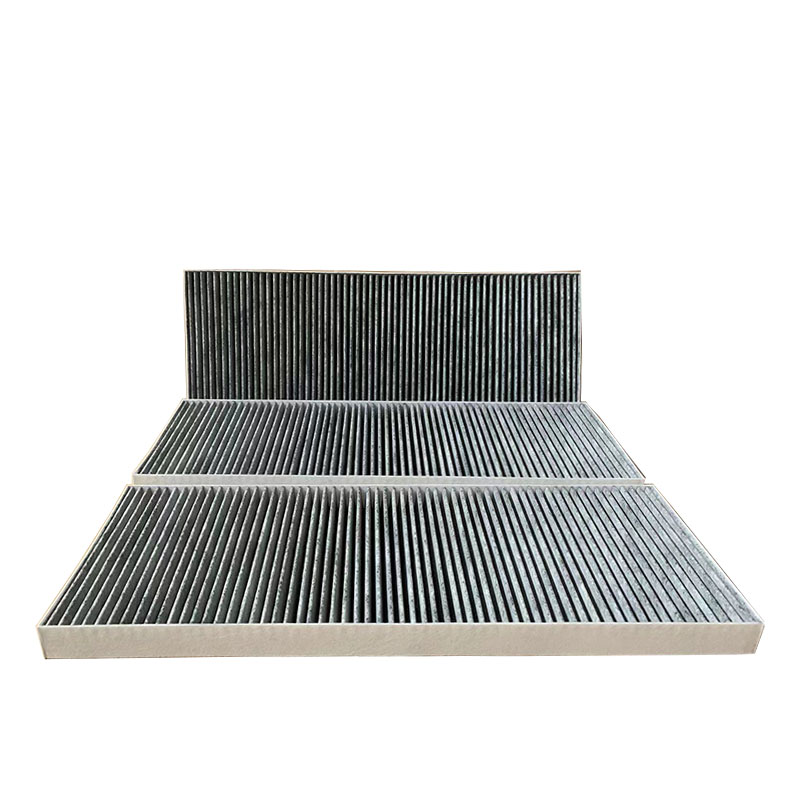
Cabin air filters play a crucial role in enhancing both passenger comfort and health while driving. These filters are designed to trap dust, pollen, and other airborne particles that can enter the vehicle’s interior through the ventilation system. By ensuring clean air circulation, cabin air filters significantly contribute to a healthier driving environment, which is especially important for individuals with allergies or respiratory issues.

To keep your cabin air filter functioning optimally, it’s important to perform regular maintenance. Here are a few tips: First, check your vehicle’s owner manual for recommended replacement intervals, typically every 12,000 to 15,000 miles. Additionally, pay attention to signs such as reduced airflow from the vents, unpleasant odors, or visible dirt on the filter. These can indicate that it’s time for a change, ensuring that you and your passengers enjoy fresh and clean air during your journeys.

Another helpful tip is to choose a high-quality filter. While many OEM filters are available, aftermarket options can also provide excellent filtration and often at a lower cost. Remember, investing in a good cabin air filter can enhance your driving experience, leading to healthier and more enjoyable drives, especially during allergy seasons or in urban environments where air quality may be compromised.

Choosing the Right Intake Air Filter: A Comprehensive Guide to OEM 1109130P3030 for JAC Shuailing T6 2.0

When selecting an intake air filter for vehicles, particularly for models like the JAC Shuailing T6 2.0, it is crucial to focus on specific performance metrics that can significantly influence engine efficiency and longevity. The OEM 1109130P3030 air filter is an exceptional choice, known for its ability to maintain optimal airflow while effectively trapping particulates. According to recent industry analysis, a high-quality air filter can increase engine performance by up to 10%, ensuring better throttle response and fuel efficiency.

The 1109130P3030 air filter features a robust design utilizing filter paper, which is tailored to provide outstanding filtration without compromising airflow. With standard sizing and customizable options, this filter respects the engineering standards necessary for modern engines. Recent studies indicate that maintaining clean air intake is essential, as dirty filters can reduce engine efficiency by approximately 15%. This demonstrates the importance of timely replacement and using filters that meet or exceed OEM specifications.

Moreover, the production of the 1109130P3030 air filter adheres to stringent quality control standards, certified under ISO 9001:2015 and IATF 16949:2016. With a minimum order quantity of 100 pieces for neutral packaging and 500 for custom branding, this product not only supports the operational demands of automobile manufacturers but also promises a delivery time within 15 to 20 days post-deposit. Identifying trustworthy suppliers in the automotive parts industry is essential for ensuring the reliability and performance of air filters, which play a pivotal role in vehicle maintenance and efficiency.

FAQS

: What are the main types of automotive filters?

: The main types of automotive filters include engine oil filters, air filters, fuel filters, cabin air filters, and transmission filters.

What is the function of an engine oil filter?

The engine oil filter removes contaminants from the engine oil, ensuring smooth operation and reducing wear on engine components.

Why is it important to maintain a transmission filter?

Maintaining a transmission filter is crucial for keeping the transmission fluid clean, which prevents issues like slipping gears and rough shifting, thus extending the lifespan of the transmission.

How does a cabin air filter enhance passenger comfort?

A cabin air filter traps dust, pollen, and airborne particles, improving air quality inside the vehicle and making the driving experience more comfortable and healthier.

What signs indicate that a cabin air filter needs replacement?

Signs that a cabin air filter may need replacing include reduced airflow from the vents, unpleasant odors, and visible dirt on the filter.

How often should you replace cabin air filters?

Cabin air filters should typically be replaced every 12,000 to 15,000 miles, but it's best to check the vehicle’s owner manual for specific recommendations.

What are the benefits of using a high-quality cabin air filter?

A high-quality cabin air filter provides excellent filtration, which enhances air quality and contributes to a healthier driving environment, especially for individuals with allergies.

What role does a fuel filter play in vehicle performance?

The fuel filter prevents debris from entering the fuel system, protecting the fuel injectors and ensuring optimal engine performance.

What maintenance actions should be taken regarding transmission filters?

Regularly check the condition of the transmission filter alongside the fluid level during routine servicing to prevent buildup of contaminants.

How can automotive filters impact the driving experience?

Properly functioning automotive filters enhance vehicle efficiency, lead to smoother operation, and contribute to a more reliable and enjoyable driving experience.

Conclusion

Automotive filters play a crucial role in maintaining the performance and longevity of a vehicle. This article highlights the top types of automotive filters that every car owner should be aware of, including air, oil, fuel, transmission, and cabin air filters. Each filter serves a specific function, from ensuring engine performance and enhancing cabin air quality to maintaining smooth gear shifting and prolonging engine life.

Regularly changing these automotive filters is essential for optimal vehicle performance. Air filters contribute to cleaner engine operation and improved cabin conditions, while oil filters are vital for removing contaminants that can harm engine efficiency. Fuel filters ensure the delivery of clean fuel, and transmission filters help maintain smooth gear shifts. Finally, cabin air filters enhance passenger comfort and health by improving air quality inside the vehicle. Knowledge of these filters empowers car owners to make informed maintenance decisions, ultimately leading to a safer and more efficient driving experience.

Elena

Elena

Elena is a dedicated professional at Ningbo Hongzhuo Import and Export Co., Ltd., where she excels as a specialized marketer. With a profound understanding of the company's diverse product range, Elena plays a crucial role in effectively communicating the unique value propositions of their......
Previous Maximize Efficiency with Element Filters 7 Key Benefits and Cost Saving Tips