
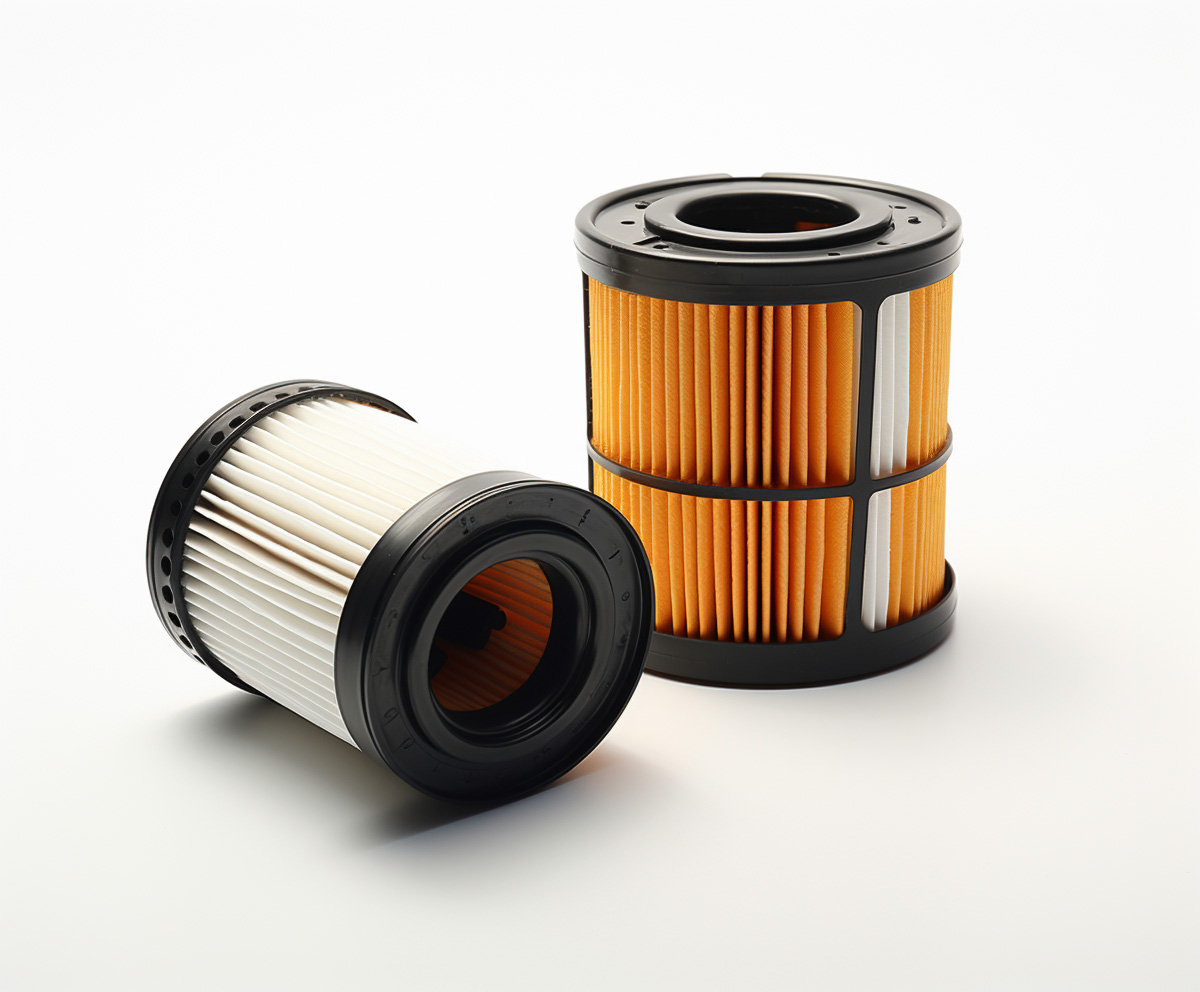
 Products
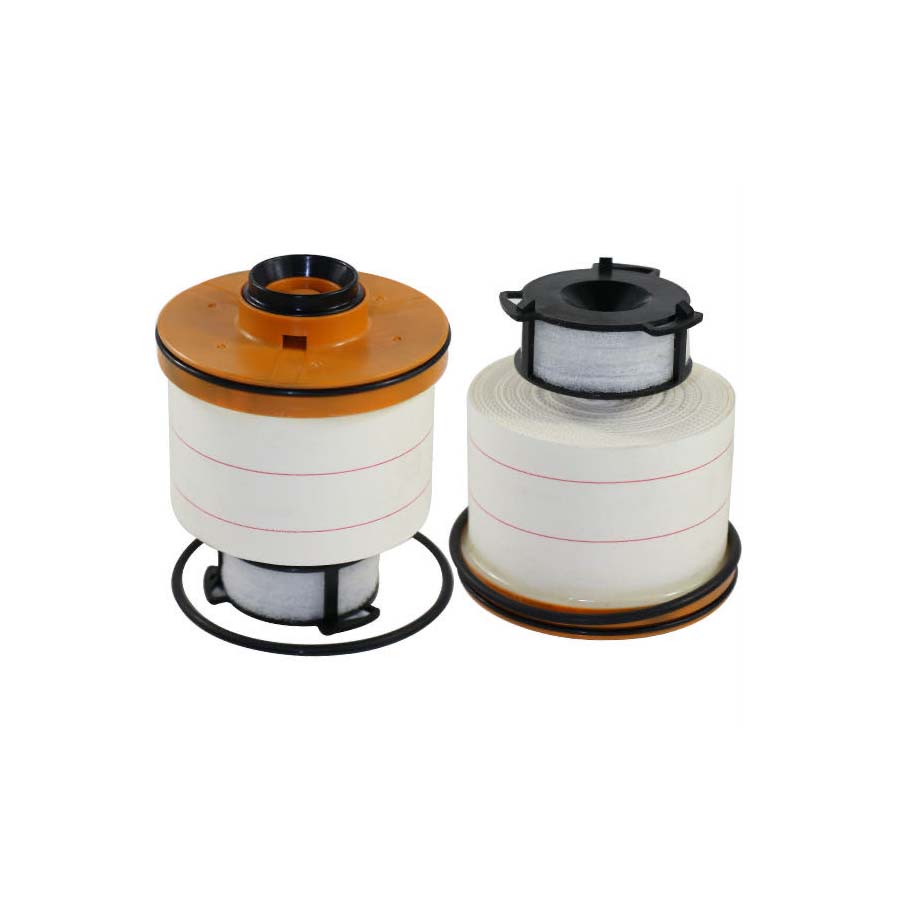 FUEL FILTER
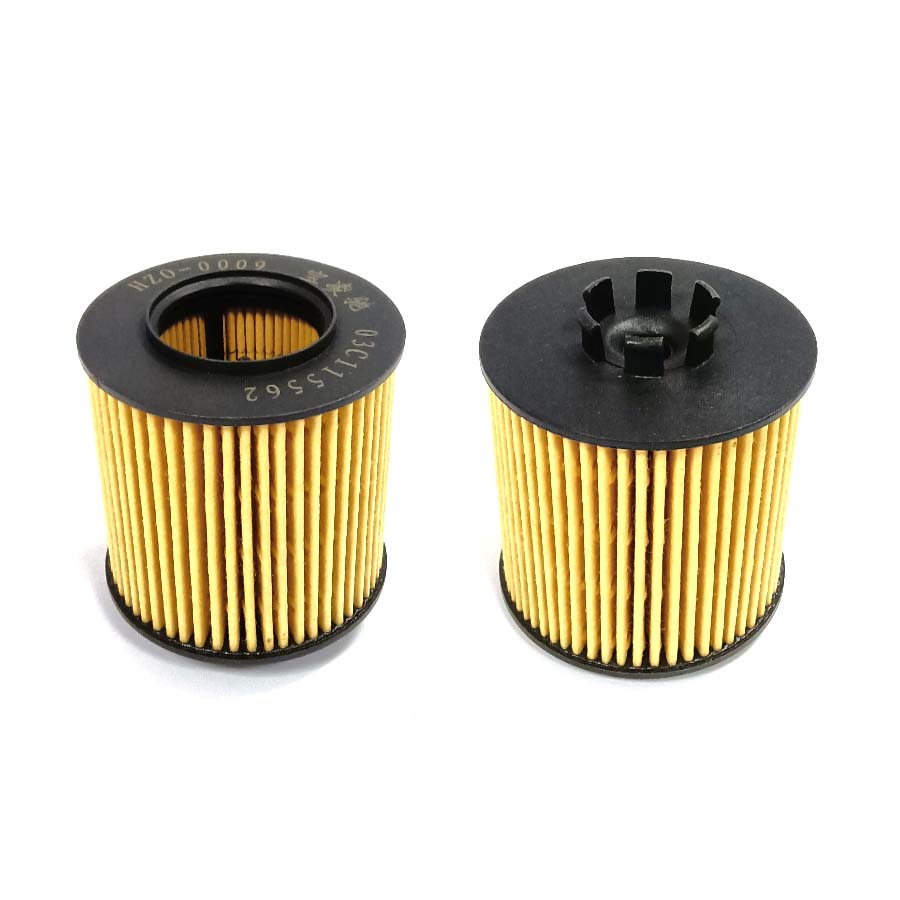 OIL ELEMENT FILTER
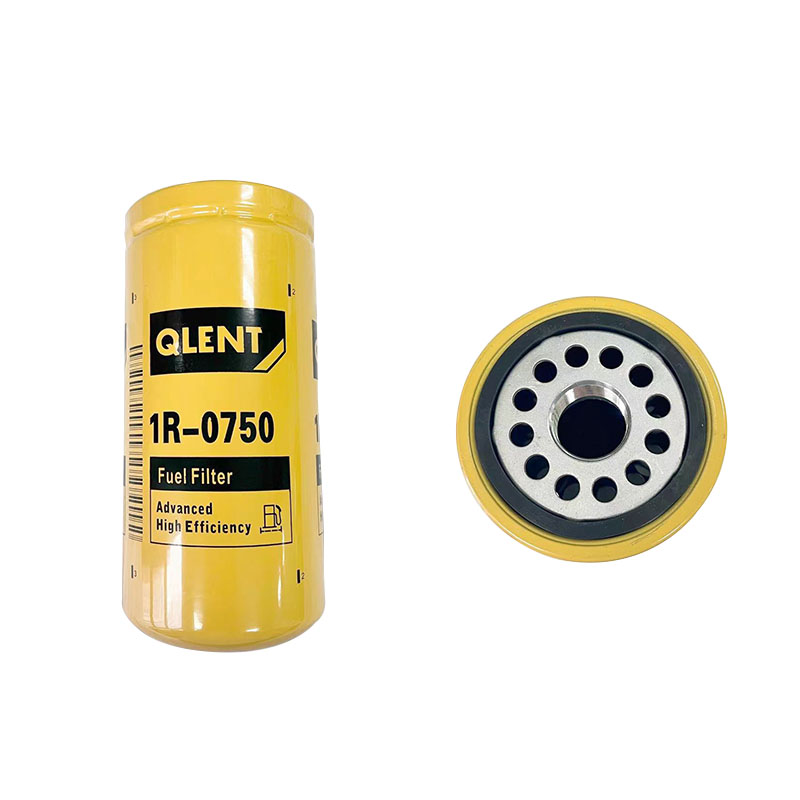 OIL FILTER
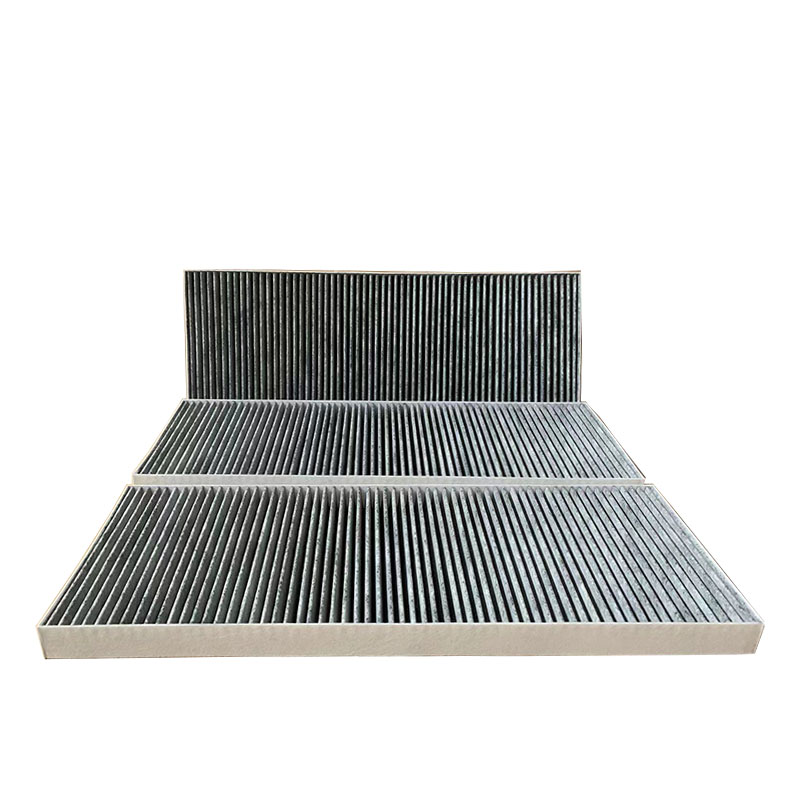 CABIN FILTER
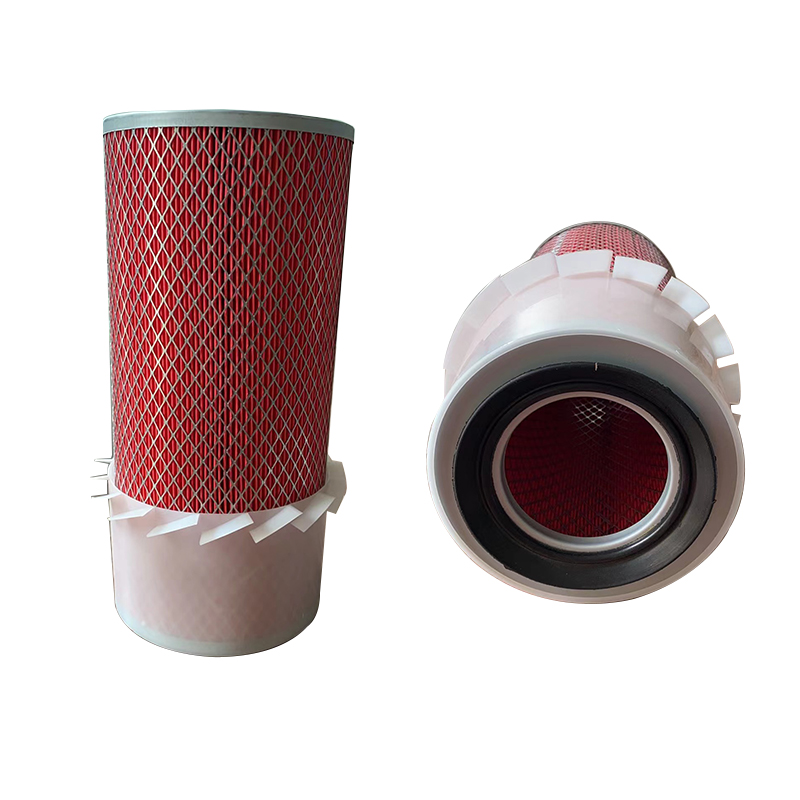 AIR FILTER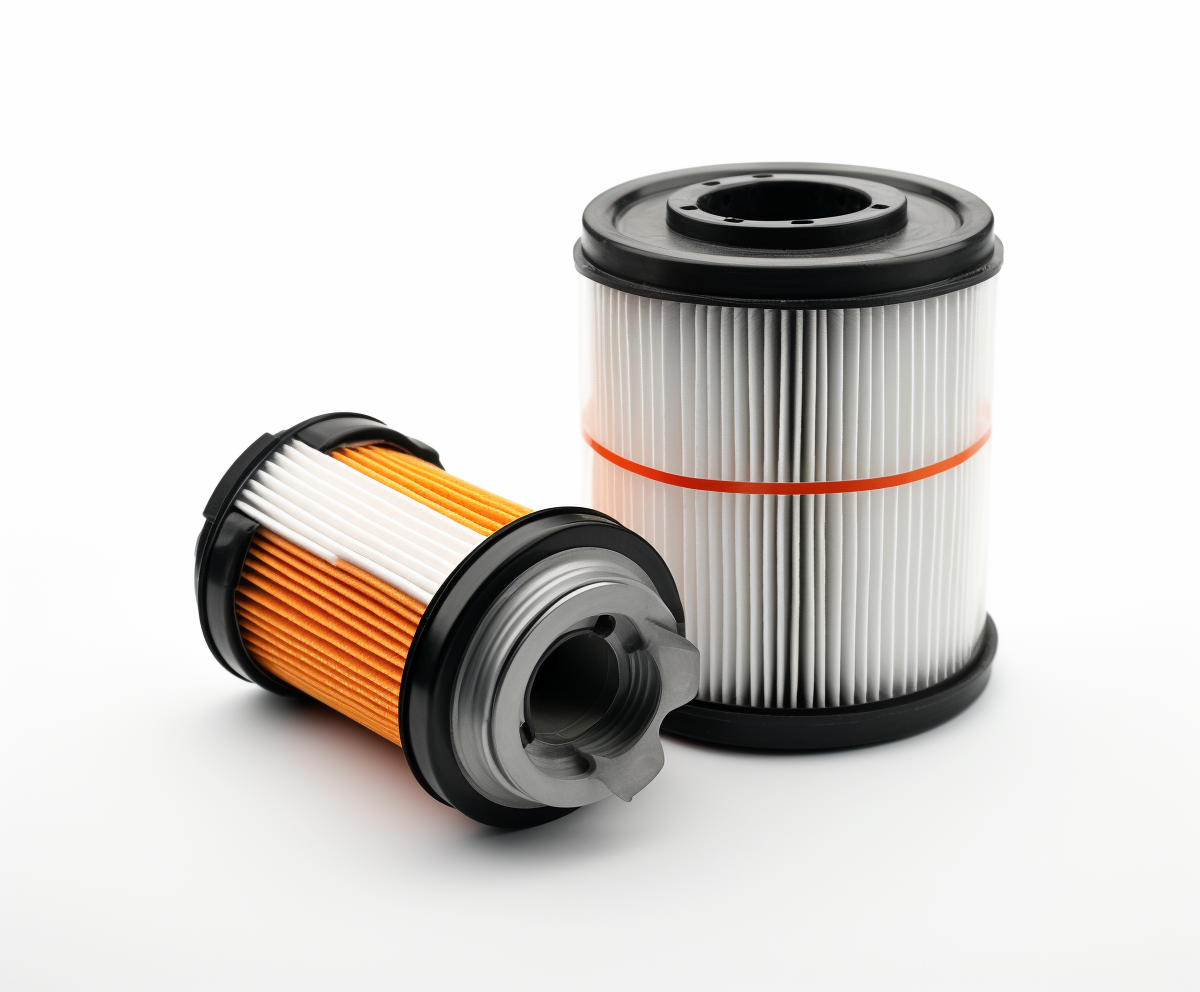


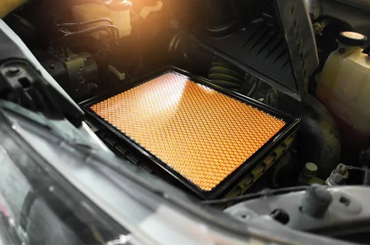
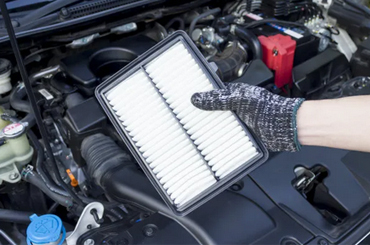
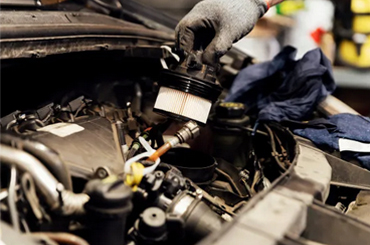
- A generator air filter protects the intake path, which is one of the fastest ways to reduce contamination-related downtime risk.
- Downtime prevention depends on the full system: filter media, sealing quality, restriction level, and replacement timing.
- In dusty or high-vibration environments, the right air filter can lower maintenance surprises and protect equipment uptime more effectively than reactive repairs.
- For procurement teams, model accuracy, consistent fit, and documented specs matter as much as filtration efficiency.
Generator air filter selection affects equipment uptime because the intake system directly controls how much particulate reaches the engine, and particulate exposure is a well-known wear driver in combustion equipment; for context, ISO 5011 is the standard test method used to evaluate engine air cleaner performance, while EPA emission guidance for stationary engines highlights the importance of proper maintenance and intake system integrity for reliable operation. If your operation depends on backup power, a generator air filter is one of the simplest ways to protect start reliability, reduce service interruptions, and avoid avoidable derating. For buyers comparing broader consumable options, it also helps to review the oil filter range, the fuel filter lineup, and the cabin filter category to build a complete maintenance plan across the whole fleet.
Why a Generator Air Filter Matters for Downtime Reduction
A generator air filter matters because airborne contamination is a predictable failure multiplier, not a random inconvenience.
Dust, soot, pollen, and fine road debris do more than dirty the intake path. They increase pressure drop across the element, reduce airflow to the engine, and can accelerate abrasion in cylinders, turbochargers, and intake sensors. In standby power systems, that often shows up as a failed start test or a unit that runs, but not at rated performance. In prime power or harsh-site duty, it can become a service call, a missed production window, or a load-handling problem.
The practical point is simple: a clean intake supports combustion stability. When airflow is restricted, the engine management system may compensate, but compensation has limits. Over time, restricted airflow can contribute to higher fuel consumption, higher exhaust temperatures, and reduced margin during load transients. That is why downtime reduction is not only about reacting to breakdowns; it starts with reducing contamination exposure before it creates a fault.
Generator Air Filter and Uptime: What Fails First
The first failure is usually restriction, not total collapse.
Most generator air filters do not fail by suddenly falling apart. They typically lose effectiveness gradually as the media loads with dust. Once restriction rises beyond the designed service window, the engine draws harder through the element, airflow falls, and performance drift begins. In real operations, this creates a hidden risk: the unit may still run during a quick inspection, but it may be less capable of carrying a full load when the next outage happens.
| Failure mode | Operational symptom | Downtime impact | What the filter does |
|---|---|---|---|
| Dust loading | Higher restriction, reduced airflow | Performance loss and missed load margin | Captures particles before intake damage |
| Poor sealing | Bypass contamination | Accelerated wear and service calls | Maintains a closed filtration path |
| Wrong fit | Installation gaps or distortion | Premature replacement and reliability risk | Supports correct housing engagement |
| Late replacement | Restricted starting or derating | Unexpected outage during critical use | Restores airflow before performance loss |
In most fleets, the hidden cost is not the element itself. It is the labor, lost runtime, and emergency intervention caused by avoidable intake contamination. That is why fit accuracy and replacement discipline are central to uptime protection.
How Generator Air Filter Media Affects Dust Capture and Service Life
Higher filtration efficiency is useful only when it is balanced against airflow and dust-holding capacity.
Generator air filters are usually built with pleated cellulose, synthetic, or blended media. Cellulose media is common and cost-effective, while synthetic blends can offer better dust-holding performance or more stable restriction behavior under demanding conditions. The right choice depends on dust loading, service interval, and the cost of downtime relative to the cost of the element.
| Media type | Typical strength | Typical tradeoff | Best fit scenario |
|---|---|---|---|
| Cellulose | Low cost, widely available | Shorter service life in heavy dust | Light to moderate duty |
| Synthetic blend | Better dust-holding capacity | Higher unit cost | Dusty industrial or outdoor use |
| Multilayer composite | More stable restriction curve | More complex manufacturing | High uptime and critical standby systems |
Dust-holding capacity matters because service life is not just about filtration efficiency at one moment; it is about how long the element can maintain acceptable airflow before restriction becomes a problem. In field use, the best element is often the one that stays predictable, not simply the one with the highest paper spec.
For buyers working on OEM or wholesale programs, the most useful questions are practical: What is the element’s rated service interval? How does pressure drop change as dust loads? Does the seal remain stable after repeated vibration? Those answers reduce warranty risk far more than generic marketing claims.
Industry Standards That Support Reliable Generator Air Filter Selection
Standards matter because they replace guesswork with repeatable test conditions.
For intake filtration, ISO 5011 is the key reference for testing engine air cleaners, including dust loading, efficiency, and restriction behavior. That matters to procurement teams because two filters that look similar can perform very differently when measured under the same test method. If you are comparing suppliers, a claim without a test method is difficult to trust.
For emissions and stationary engine context, the U.S. Environmental Protection Agency provides maintenance guidance for stationary internal combustion engines, which reinforces that clean air intake and routine service are essential to performance and compliance. A useful starting point is EPA stationary internal combustion engines. For filtration system language and performance validation, many engineering teams also reference NIST resources when they need traceable measurement discipline and calibration thinking in test and inspection workflows.
In field procurement, standards reduce disputes. If a supplier can show test method, fitment logic, and consistent inspection criteria, the buyer can make a lower-risk decision. If not, the lowest unit price can become the highest total cost.
Quantitative Benchmarks Buyers Should Ask For
Reliable downtime reduction depends on measurable specifications, not general promises.
When evaluating a generator air filter, request the numbers that show how the element will behave in service. A meaningful spec sheet should include dimensions, initial restriction, recommended replacement interval, media type, seal construction, and test standard. In industrial equipment, a small dimensional error can create a sealing problem that defeats the entire purpose of the filter.
| Specification | Why it matters | What to ask the supplier |
|---|---|---|
| Fit tolerance, such as +/-0.5 mm on critical dimensions | Prevents bypass leakage and installation issues | Ask for drawing-based inspection criteria |
| Initial restriction in Pa or inH2O | Shows airflow resistance when new | Ask for measured value at the stated flow rate |
| Dust-holding capacity in grams | Indicates service life potential | Ask for ISO 5011 test data |
| Seal integrity method | Protects against bypass contamination | Ask how the seal is tested under vibration |
One practical benchmark is that many industrial intake systems are designed around a replacement interval, not a universal calendar date. In other words, the right answer is often operating-hours-based rather than monthly. That is especially true in dusty applications where one month of service can equal several months of contamination exposure.
Another important benchmark is installation quality. A filter with excellent media can still underperform if the sealing surface is distorted, the housing is cracked, or the element is installed incorrectly. For downtime reduction, the filter is only as good as the weakest interface around it.
Where Generator Air Filters Save the Most Money
The highest return usually comes from critical standby and dusty duty cycles.
In a clean indoor environment, an air filter mainly supports maintenance discipline. In a dusty yard, quarry, construction site, agricultural setting, or telecom backup location with poor ambient air quality, the same component can become a major uptime control. That is because contamination pressure rises quickly, and service intervals shorten when the environment is harsh.
- Backup generators for hospitals, data rooms, and utilities, where start reliability is non-negotiable.
- Construction and mining support equipment, where dust loading is constant and intense.
- Fleet and rental generators, where one failed unit can affect multiple customers.
- Remote industrial sites, where service access is expensive and downtime is slow to resolve.
In these settings, the cost of one preventable service interruption often exceeds the cost of multiple replacement elements. That is why experienced buyers look beyond unit price and focus on total uptime risk.

Generator Air Filter Procurement Checklist for Lower Downtime Risk
Good purchasing decisions start with the operating environment, not the catalog photo.
When sourcing a generator air filter, the buyer should verify application fit, quality consistency, and supply continuity. This is especially important for aftermarket and OEM/ODM programs, where the wrong model can create return costs and installation delays.
- Confirm the generator model, engine family, and housing dimensions before ordering.
- Check whether the filter is for standby, prime, or continuous-duty operation.
- Request test method references, preferably ISO 5011 or equivalent documented procedures.
- Ask for initial restriction, dust-holding capacity, and sealing specifications.
- Verify packaging, labeling, and traceability for batch control.
- Match the service interval to the real dust load, not just the factory recommendation.
For procurement teams, a simple rule helps: the more critical the generator, the more you should prioritize consistency over price alone. In other words, a stable supply of correctly matched elements is a form of risk reduction.
How to Tell If Your Generator Air Filter Is Creating Uptime Risk
A generator air filter often signals trouble before the generator itself does.
Warning signs include visible dust accumulation near the intake, repeated replacement of dirty elements in short intervals, unexplained power loss under load, and a sudden increase in maintenance labor. In some cases, the unit may start fine, then show weakness only when the load rises. That pattern often points to restriction or bypass rather than a fuel problem.
Another sign is inconsistency across units. If identical generators in similar duty cycles show very different filter life, the issue may be fitment, housing condition, or environmental exposure rather than the element alone. That is why disciplined inspection matters: compare seal condition, housing damage, and installation quality before assuming the filter media is the only variable.
For operations managers, the goal is not to replace on instinct. It is to create a replacement logic based on measured restriction, operating hours, and environment severity. That approach lowers emergency intervention and improves equipment uptime.
Practical Best Practices for Generator Air Filter Maintenance
Maintenance discipline turns a consumable into a reliability tool.
The best air filter program uses a simple process: inspect, measure, decide, and document. This makes service timing more predictable and reduces the risk of premature changeouts or late replacements. It also gives procurement teams better data for supplier evaluation.
- Inspect the intake housing at every routine service for dust leakage and seal damage.
- Measure restriction or use a documented operating-hours threshold if pressure data is unavailable.
- Replace the element before performance drops, not after a failed start or derated run.
- Keep spare filters in controlled storage to avoid humidity damage and packaging deformation.
- Record part number, batch, date, and operating context to improve future purchasing decisions.
This process is especially important in fleets that use multiple filter types, such as air filters, fuel filters, and oil filters. A well-managed consumables program reduces unplanned service events because each component is replaced according to its actual risk profile.
When a Generator Air Filter Is Not Enough
An air filter reduces downtime risk, but it cannot fix mechanical neglect.
If the housing is cracked, the intake duct is leaking, or the engine already has wear from long-term contamination, replacing the filter alone will not solve the root cause. The same is true if fuel contamination, lubrication failure, or poor cooling is driving the fault. In other words, the air filter is one part of an uptime strategy, not the entire strategy.
That is why serious maintenance programs treat filtration as a system. Air, fuel, and oil each protect a different failure path. The air filter handles particulate ingress, the fuel filter protects the injection system, and the oil filter controls wear debris in the lubrication circuit. Combined, they lower the probability that a single contamination event turns into a shutdown.
For buyers, the advantage of that systems view is clarity. You can compare products by fit, media, sealing, test method, and supply consistency rather than by price alone. That makes generator air filter sourcing more predictable and reduces the chance of downtime caused by a simple consumable oversight.
FAQ
How does a generator air filter reduce downtime risk?
It reduces downtime risk by keeping dust and debris out of the intake system, which helps protect airflow, combustion stability, and engine components from premature wear.
How often should a generator air filter be replaced?
The best interval depends on operating hours, dust load, and generator duty cycle, but replacement should be based on measured restriction or documented service conditions rather than a fixed guess.
What standards should I look for when comparing generator air filters?
ISO 5011 is the most relevant test reference for air cleaner performance, including dust loading and restriction behavior.
What causes a generator air filter to fail early?
Common causes include poor sealing, wrong fit, excessive dust exposure, damaged housing, and late replacement after restriction has already increased.
Are synthetic generator air filters better than cellulose filters?
Not always, but synthetic blends often offer better dust-holding capacity and more stable service life in heavy-dust environments.
Can a bad air filter cause a generator not to start?
Yes, in severe cases restriction or installation problems can affect airflow enough to trigger starting or load-handling issues, especially in demanding duty cycles.
What should procurement teams check before ordering generator air filters?
They should verify part number match, dimensions, test method, seal construction, operating environment, packaging, and supply consistency to reduce return and downtime risk.