
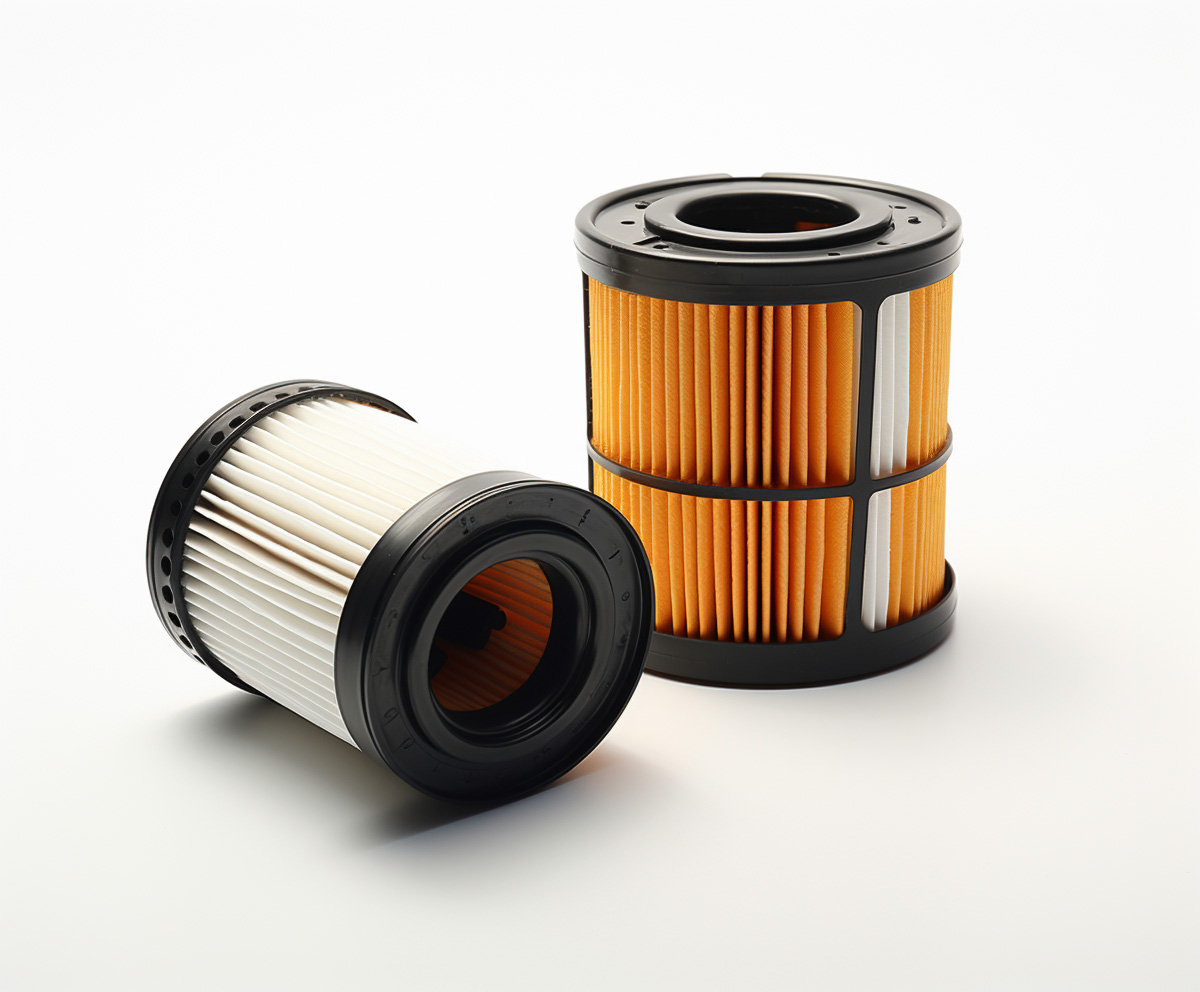
 Products
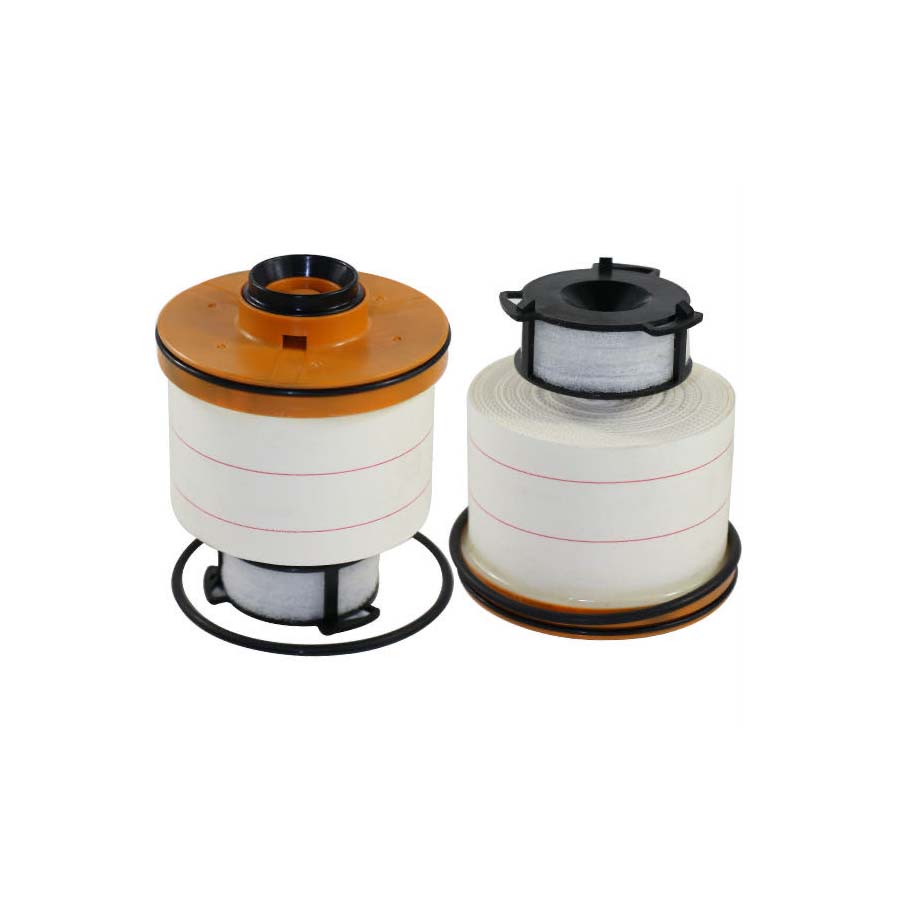 FUEL FILTER
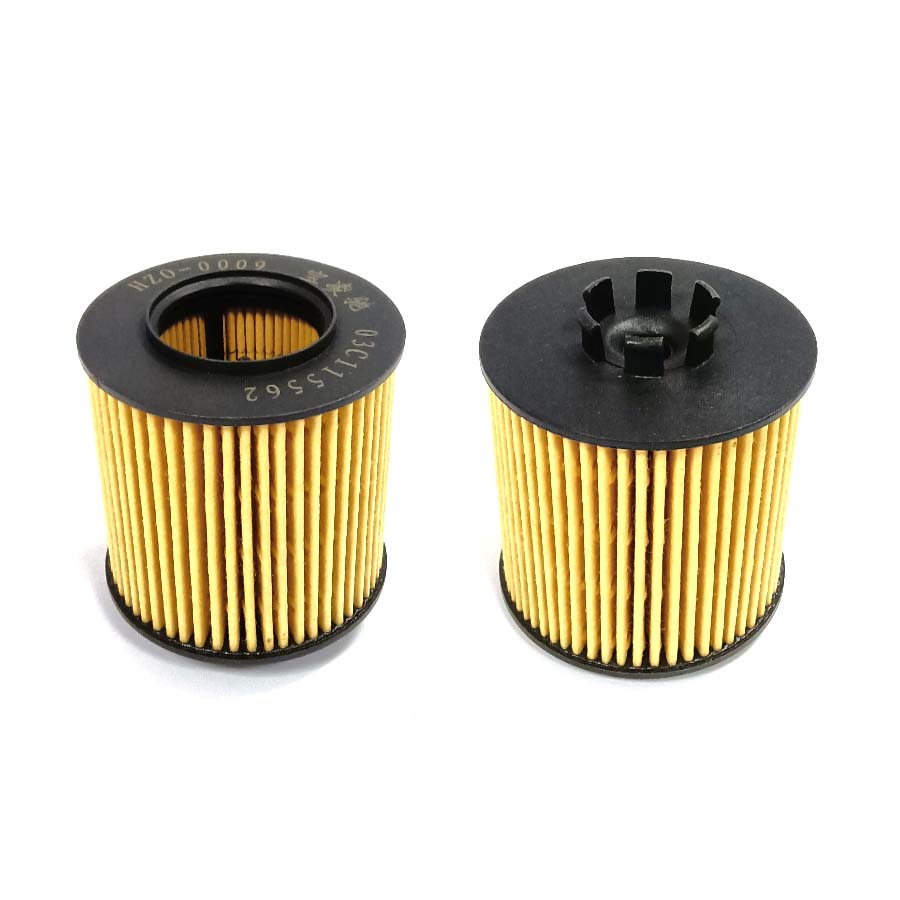 OIL ELEMENT FILTER
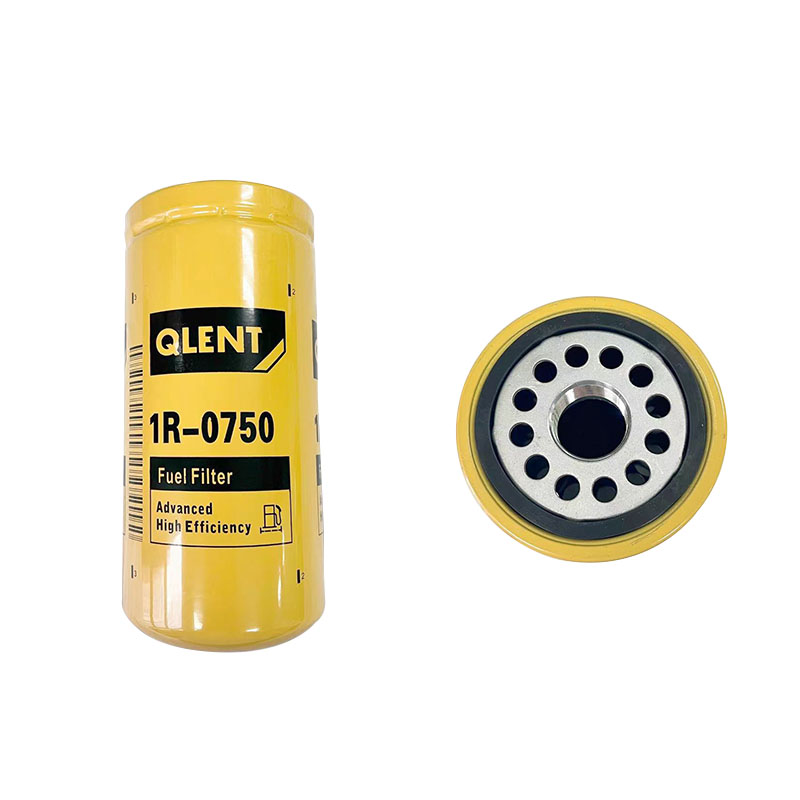 OIL FILTER
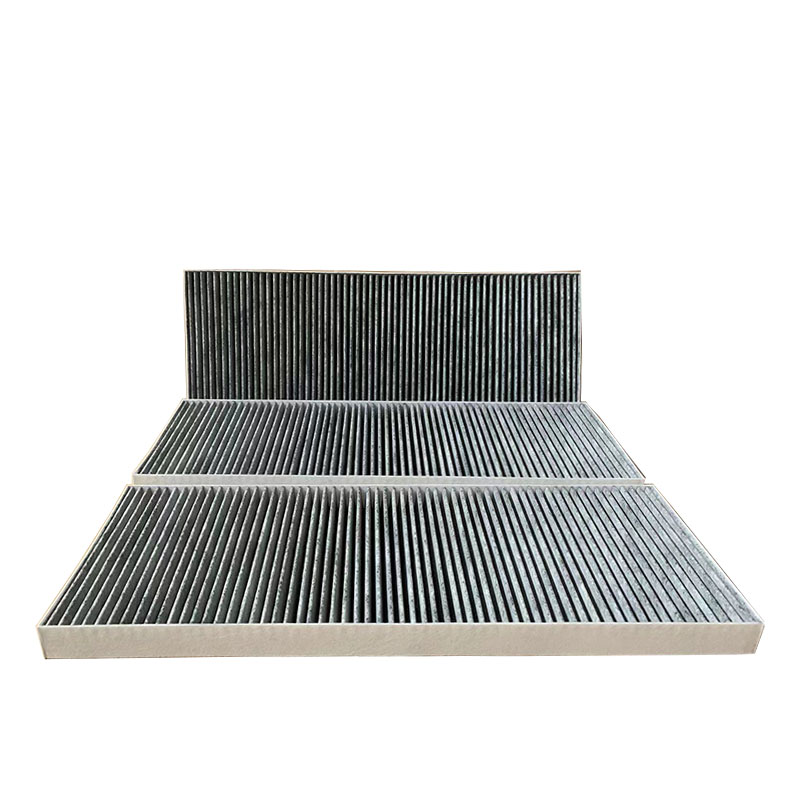 CABIN FILTER
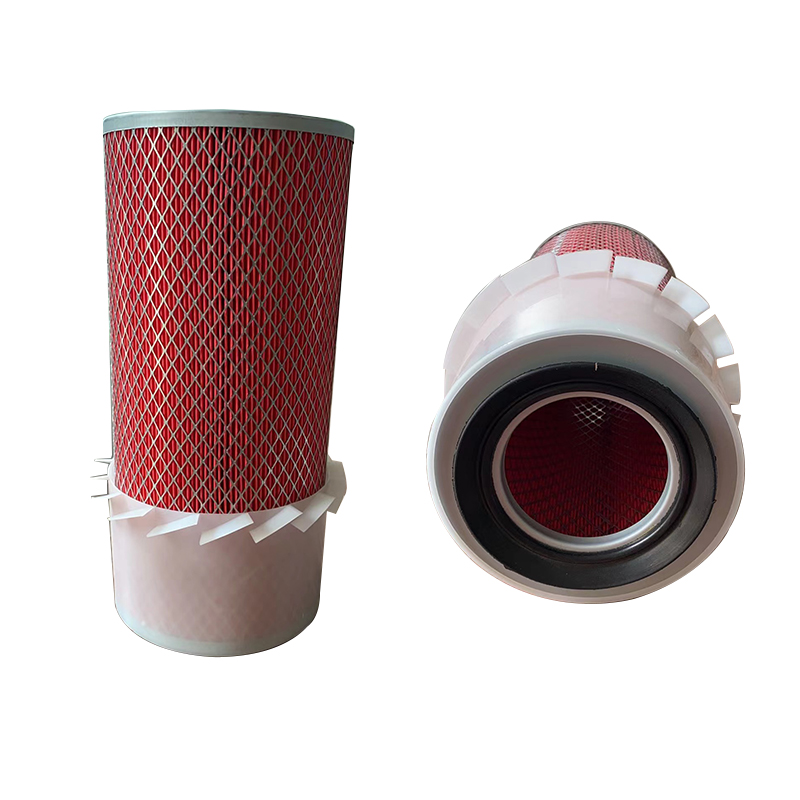 AIR FILTER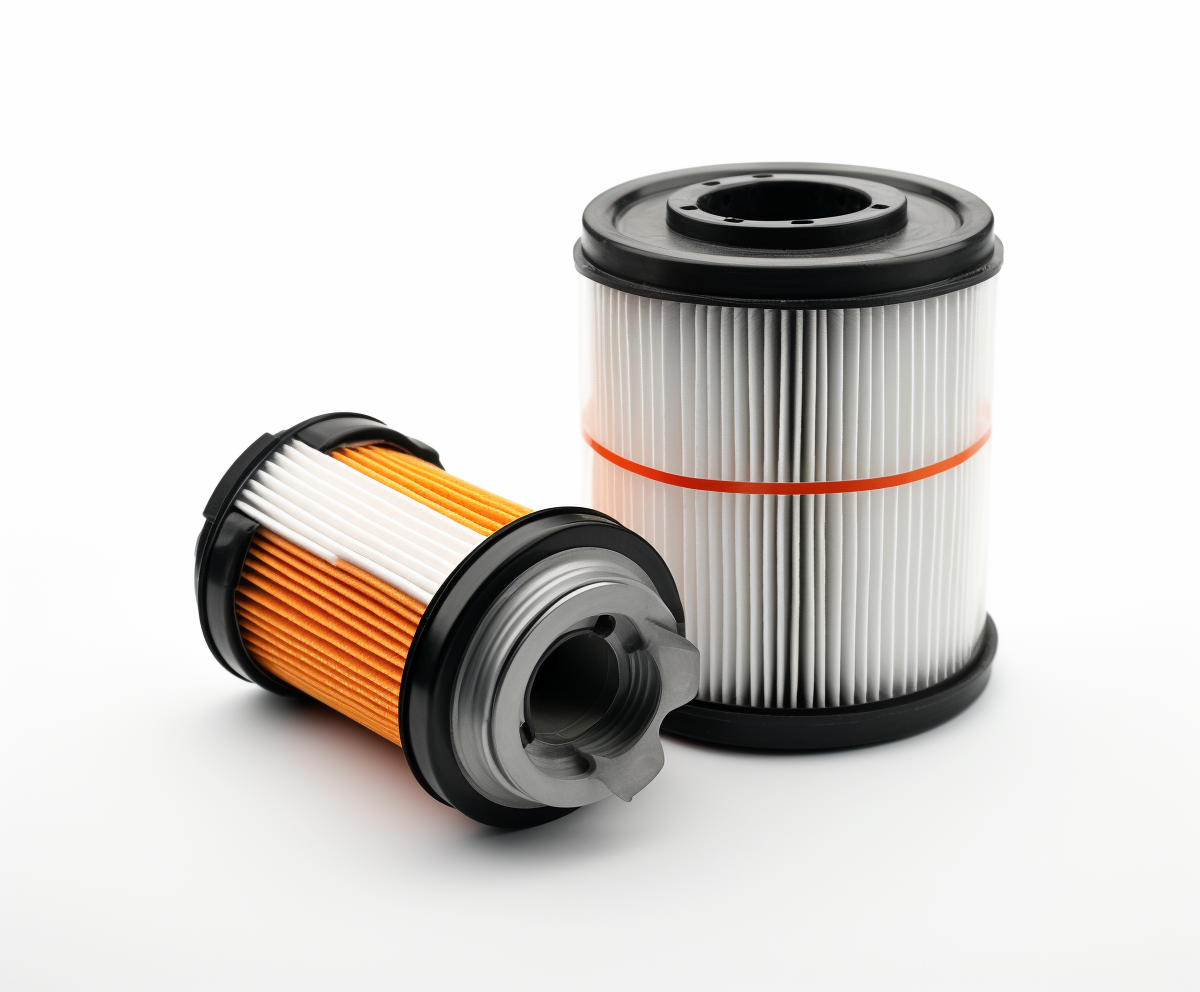





- Filtration efficiency and pressure drop are the first two specs to compare.
- Dimensional accuracy and seal integrity matter as much as media quality in bulk procurement.
- Dust-holding capacity and service interval alignment affect fleet downtime and total cost.
- Testing against recognized standards such as ISO 5011 improves sourcing confidence.
- Bulk buyers should ask for model cross-reference, sample approval, and packaging control before placing a large order.
For truck air filter bulk purchase decisions, the right spec set usually starts with airflow protection and ends with logistics discipline. ISO 5011 is the core reference for engine air cleaner testing, and it helps buyers compare filtration performance using repeatable methods rather than marketing claims. In practical sourcing, a fleet or distributor should treat the filter as a system component: the media, end caps, adhesive, gasket, and dimensions all influence whether the part protects the engine properly. If you are comparing supplier options, review the product range on air filters, truck filters, and the company background on about before requesting samples or bulk quotes.
What truck air filter specs matter most in a bulk purchase?
The most important truck air filter specs are the ones that affect engine protection, airflow, and replacement consistency.
Bulk buyers often focus on price first, but the spec sheet determines whether the filter fits, seals, and performs over the intended service interval. A low-cost unit with poor sealing can create bypass leakage, while an over-restrictive element can raise intake pressure loss and reduce engine efficiency. For commercial vehicles, that tradeoff matters because downtime, fuel consumption, and premature engine wear are far more expensive than a small difference in unit price.
| Spec | Why it matters | What to request from supplier |
|---|---|---|
| Filtration efficiency | Controls dust passage into the engine | Test method, particle size range, efficiency curve |
| Initial pressure drop | Shows intake resistance when new | Value at stated airflow |
| Dust-holding capacity | Indicates service life under dusty use | Test load and end-point criteria |
| Dimensions | Ensures fitment in the housing | OD, ID, height, gasket size |
| Seal quality | Prevents unfiltered air bypass | Gasket material, compression data |
| Media construction | Balances efficiency and airflow | Cellulose, synthetic, or blend description |
In procurement terms, filtration efficiency and pressure drop are the primary performance pair, while dimensions and seal quality are the primary fitment pair.
How filtration efficiency and pressure drop affect truck air filter bulk buying
Filtration efficiency and pressure drop should be evaluated together, not separately.
A highly efficient truck air filter is not automatically the best option if it creates excessive restriction. Engine intake systems need adequate airflow to support combustion, especially under load or in hot environments. That is why fleet managers and distributors should ask suppliers for both efficiency and restriction data at the same airflow condition. For benchmark context, ISO 5011 is the recognized engine air cleaner test standard used to measure performance under controlled dust loading conditions. You can review the standard reference here: ISO 5011.
Pressure drop is especially important for turbocharged diesel applications, where intake restriction can affect response and long-term efficiency. In bulk buying, this spec also helps compare product families that use different media designs. A synthetic or blended media often offers better dust capacity than basic cellulose, but the real question is whether the restriction stays stable as dust loads accumulate.
| Performance factor | Common buyer question | Procurement impact |
|---|---|---|
| High efficiency | Will more fine dust be trapped? | Better engine protection |
| Low initial restriction | Will airflow stay strong? | More stable engine breathing |
| Stable loaded restriction | Does performance stay consistent? | Longer usable service window |
| Dust loading curve | How fast does restriction rise? | Better fleet planning |
According to the U.S. Department of Energy, vehicle maintenance and operating conditions can materially affect fuel economy; for fleets, intake system condition is one part of that broader maintenance picture. See the DOE’s fuel economy resources at U.S. Department of Energy.
Which dimensions and fitment details prevent costly returns?
Dimensional accuracy is one of the most overlooked truck air filter specs in bulk purchase orders.
Even a technically strong filter can fail commercially if it does not fit the housing perfectly. That is why buyers should confirm outer diameter, inner diameter, overall height, gasket thickness, end cap geometry, and latch or seal interface. In aftermarket supply, wrong fitment drives returns, delayed installs, and customer complaints. In fleet service, it can even mean a truck is down while the correct part is reordered.
For purchasing teams, the safest practice is to request a physical sample approval before confirming a large order. Cross-reference the part number against vehicle make, model, engine family, and production year. If the supplier serves multiple markets, ask for alternate reference numbers and packaging labels so the warehouse team can identify the right SKU quickly.
- Verify the housing dimensions with a sample part or measured drawing.
- Confirm gasket compression and sealing edge height.
- Check whether the part is designed for panel, cylindrical, or cone-style housing.
- Ask for cross-reference data by OEM number and aftermarket number.
- Review packaging labels for barcode, part number, and language requirements.
For fleets, fitment accuracy is not a convenience issue; it is a downtime issue.
What media and construction details should bulk buyers compare?
Filter media construction determines how the truck air filter behaves in real service, not just on a spec sheet.
Common media options include cellulose, synthetic, and blended structures. Cellulose is often cost-effective, but synthetic or composite media can improve dust capacity and stability. The tradeoff is usually price versus service life, with air permeability and loading behavior sitting in the middle. Buyers should also examine pleat count, pleat spacing, embossing quality, adhesive application, and end-cap bonding. These details influence whether the filter maintains shape under vibration and heavy dust exposure.
In construction terms, the worst failure is not always visible damage; it can be media collapse or edge leakage after repeated vibration. That is especially relevant for trucks operating on construction sites, agricultural routes, or long-haul dust corridors. If your business also covers industrial equipment, the same logic applies to heavy-duty filters and oil filters, because the operating stress profile often overlaps.
| Media type | Typical strength | Typical tradeoff |
|---|---|---|
| Cellulose | Lower cost, broad availability | Shorter service life under heavy dust |
| Synthetic | Better stability and dust capacity | Higher unit cost |
| Blended | Balanced airflow and capacity | Performance varies by design |
Construction quality is often where two suppliers with similar prices become clearly different after six months of real use.
How dust-holding capacity and service interval affect fleet economics
Dust-holding capacity is one of the most valuable bulk purchase specs because it influences replacement timing.
In fleet operations, a filter that lasts longer under real road conditions can reduce labor events, inventory turns, and emergency purchases. A shorter service interval may look acceptable in a clean environment, but the same filter can become costly in mining, logistics, construction, or regional distribution routes with higher dust exposure. The buyer should ask for test loading data, the end-point restriction threshold, and the recommended replacement interval under representative conditions.
This is where vehicle duty cycle matters. A long-haul truck, a refuse vehicle, and a site support truck do not consume filters at the same rate. Bulk buyers should segment orders by operating environment rather than purchasing a single universal SKU for every route.
- Identify the dominant operating environment: urban, highway, rural, or off-road.
- Match the filter to the expected dust load and service interval.
- Confirm stock coverage for peak maintenance windows.
- Track actual replacement mileage and compare it with supplier guidance.
- Adjust the next purchase order based on return and inspection data.
For sourcing teams, dust-holding capacity is not just a technical metric; it is a planning tool.
Which standards and test methods make bulk sourcing more reliable?
Recognized standards reduce risk because they make product comparisons more objective.

The most relevant reference for engine air cleaners is ISO 5011, which covers test procedures for evaluating intake air cleaners under dust loading conditions. For material and dimensional verification, buyers may also rely on internal inspection plans tied to engineering drawings and approved samples. If the product is sold into regulated environments, traceability and consistent lot identification become even more important.
For general filter-related technical literacy, the U.S. National Institute of Standards and Technology provides a reliable standards and measurement context through its publications and metrology resources at NIST. For broader industrial purchasing, standard-based documentation helps ensure that the supplier can repeat quality across batches, not only on the first sample.
| Reference | What it helps verify | Why it matters in bulk |
|---|---|---|
| ISO 5011 | Air cleaner performance under dust loading | Comparability across suppliers |
| Engineering drawing | Critical dimensions and tolerances | Fitment control |
| Approved sample | Visual and structural baseline | Lot-to-lot consistency |
Standardized testing does not remove the need for real-world validation, but it gives buyers a trustworthy starting point.
What should wholesale buyers ask before placing a large order?
The best bulk purchase decisions come from asking operational questions, not just price questions.
Before confirming a truck air filter order, buyers should request documentation that proves the part is both technically suitable and logistically manageable. That includes sample confirmation, cross-reference lists, carton dimensions, label format, lead time, minimum order quantity, and replacement guidance. If the supplier offers multiple product families, it is worth comparing truck air filters with related categories such as cabin filters and fuel filters to simplify multi-item procurement.
Bulk buyers also need to think about warehouse handling. A filter that ships well in one carton layout may still be awkward to store if the packaging is not stack-friendly or barcode-ready. For export orders, multilingual labeling, pallet configuration, and moisture protection can matter almost as much as the product itself.
- Can you match the exact OEM and aftermarket part numbers?
- What is the test standard behind the efficiency and restriction claims?
- Do you provide pre-shipment inspection or sample approval?
- How are cartons labeled for barcode scanning and warehouse control?
- What is the normal lead time for repeat bulk orders?
In wholesale, smooth execution often beats a marginal spec advantage.
Common bulk buying mistakes to avoid
The most expensive truck air filter mistakes usually happen before the order is placed.
First, buyers sometimes compare only unit price and ignore restriction or fitment. Second, they rely on vague catalog descriptions instead of verified dimensions. Third, they skip sample testing, even when the order will be used across multiple truck models. Fourth, they fail to align service intervals with fleet operating conditions, which leads to stockouts or premature replacement. Finally, they assume all suppliers can handle export packing and consistent reordering at the same quality level.
- Do not approve a bulk order without verified fitment data.
- Do not accept performance claims without a test method.
- Do not assume one filter suits every route or truck class.
- Do not ignore packaging and labeling requirements.
- Do not treat samples as optional when the order is large.
These mistakes are avoidable, and avoiding them usually saves more money than negotiating a slightly lower price.
How to build a better truck air filter bulk procurement checklist
A practical procurement checklist turns technical data into repeatable buying decisions.
For distributors and fleets, the best checklist usually combines engineering verification, supply chain readiness, and service planning. A good supplier should be able to provide drawings, sample units, test references, cross-fit information, and packaging specifications without long delays. If the business also serves multiple vehicle categories, a unified catalog structure helps buyers compare options faster and reduce stock complexity.
| Checklist item | Target result | Pass or fail question |
|---|---|---|
| Fitment | No return risk from mismatch | Does it match the housing exactly? |
| Efficiency | Reliable engine protection | Is there a verifiable test method? |
| Restriction | Stable airflow | Does the spec stay acceptable when loaded? |
| Packaging | Warehouse-friendly delivery | Are labels and cartons clear? |
| Service interval | Predictable replacement planning | Does it fit the route duty cycle? |
A solid checklist lowers risk and makes future reorders faster, because the team can compare new offers against an approved baseline instead of starting from zero.
FAQ
What is the most important spec in a truck air filter?
Filtration efficiency and pressure drop are usually the most important pair because they show how well the filter protects the engine while still allowing enough airflow.
Why does fitment matter so much in bulk buying?
Fitment matters because even a high-quality filter can fail commercially if the dimensions or sealing interface do not match the truck housing.
Is ISO 5011 relevant for truck air filters?
Yes. ISO 5011 is the widely recognized test standard for engine air cleaners and is highly relevant when comparing supplier performance claims.
Should I choose cellulose or synthetic media?
It depends on duty cycle, dust load, and target service interval. Synthetic or blended media often performs better under demanding conditions, while cellulose is usually lower cost.
What should I ask for before placing a large order?
Ask for samples, drawings, cross-reference data, test method details, carton and label specifications, and lead time for repeat orders.
How do I reduce returns on bulk filter orders?
Use verified part numbers, approve samples, confirm dimensions, and align the filter spec with the vehicle’s actual operating environment.
Can truck air filter procurement be combined with other filter categories?
Yes. Many buyers bundle air filters with cabin, fuel, and oil filters to simplify inventory and reduce purchasing overhead.