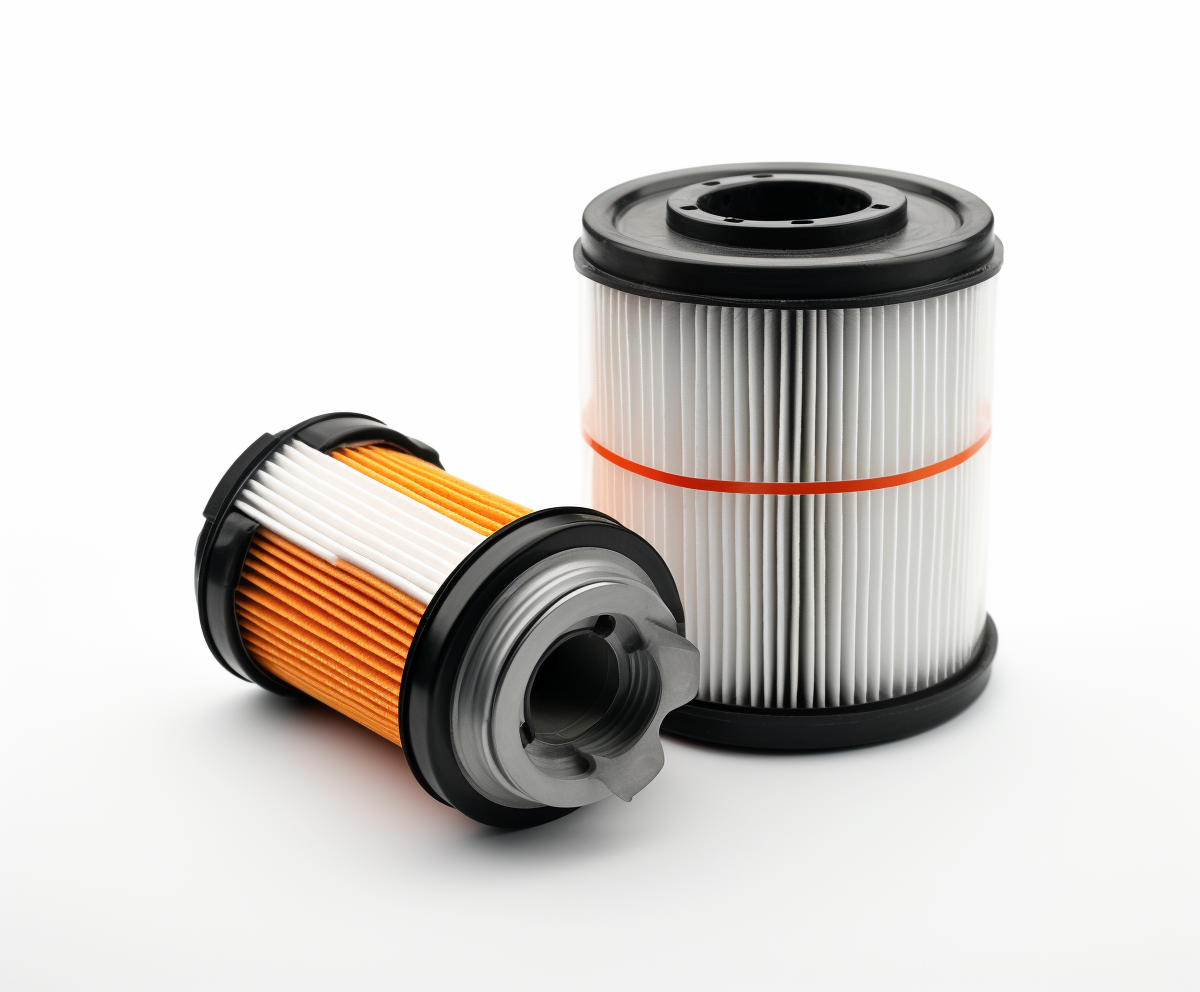
Picking the right car Air Filter might not be the most exciting thing ever, but trust me, it’ssuper important if you want your engine to stay in top shape and last longer. Basically, it’s the first line of defense against dirt, dust, and all those tiny debris that can mess with your engine’s performance. A good-quality air filter can actually make a difference — improving your fuel economy, giving you smoother acceleration, and keeping your engine healthier in the long run.
At Ningbo Hongzhuo Filter CO., Ltd., we’ve been around since 2013, based in Ningbo City, Zhejiang Province. We focus on making all kinds of automotive filters — from air filters and cabin filters to oil filters and more. With our experience in crafting premium Auto Filters, we like to think we’re a pretty reliable choice for anyone looking to boost their vehicle’s performance.
In this guide, I’ll walk you through key things to consider — like the different types of filters, what materials are best, and how to take care of them — so you can choose what works best for your car and keep it running smoothly for years down the road.
The Importance of Car Air Filters for Engine Efficiency
Car air filters might not be the most glamorous topic, but trust me, they’re super important for keeping your engine running smoothly. When your air filter is clean, it allows the engine to breathe properly, which is pretty much essential for good combustion. Lately, there’s been some pretty exciting advancements in air filter tech—like nanofilters—that not only help your ride perform better but also play a part in cutting down air pollution. And with the market for automotive air filters expected to grow a lot in North America by 2029, it’s pretty clear that folks are starting to appreciate just how important high-quality air filters really are.
A quick tip—make it a habit to check your air filter regularly and swap it out when needed. This way, you’re avoiding any blockages that might mess with airflow. If you want, you could even look into modern nanofilters; they’ve been shown to boost filtration performance quite a bit. Oh, and during pollen season, a clean cabin air filter can make your drives way more pleasant and help keep allergens out of your car’s interior. Plus, keeping your filters in tip-top shape doesn’t just help with airflow—it can improve your fuel economy and help your engine last longer. So, it’s really worth paying attention to this tiny yet mighty part of your car!
Key Factors to Consider When Choosing Your Car Air Filter
When it comes to keeping your engine running smoothly at its best, picking the right car air filter is a pretty big deal. One thing you really want to pay attention to is the type of filter material. Lately, HEPA filters are becoming more popular because they’re super good at catching tiny particles that could mess with your engine or make your fuel use more wasteful. Actually, the global market for HEPA filters is expected to grow at about 8.1% each year until 2032, which shows folks are more aware than ever about air quality and how it affects car performance.
Another thing to keep in mind is whether the filter actually fits your car’s engine properly. Using one that doesn’t fit right can cause more resistance in airflow, which definitely isn’t good for your engine’s performance. Industry insights suggest that in the U.S. alone, the air filter market is projected to jump from around $4.62 billion in 2025 to over $7.44 billion by 2032—that’s a clear sign that people are really into high-quality filtration solutions these days.
**Quick Tips**: Always peek at your vehicle’s manual to see what kind of air filter is recommended. Make sure to check your filter regularly and replace it when needed—trust me, a clogged one can slash your fuel efficiency by up to 10%. Also, if you’re eyeing durability and better performance, filters made of synthetic materials are definitely worth considering.
The Ultimate Guide to Choosing the Right Car Air Filter for Peak Engine Performance
| Filter Type | Material | Lifespan (miles) | Price Range ($) | Benefits |
| Paper Filter | Cellulose | 15,000 - 30,000 | 15 - 25 | Cost-effective, good filtering |
| Cotton Filter | Cotton and Oil | 50,000 - 100,000 | 30 - 100 | Reusable, improved airflow |
| Foam Filter | Foam | 30,000 - 50,000 | 20 - 60 | Good filtration and airflow |
| Synthetic Filter | Synthetic Media | 50,000 - 70,000 | 25 - 80 | High filtration efficiency, durable |
Top 5 Types of Car Air Filters and Their Benefits
When it comes to keeping your engine running smoothly, choosing the right car air filter is a pretty big deal. There are actually five main types you might wanna know about: paper filters, cotton filters, foam filters, HEPA filters, and synthetic filters. Each one has its own perks and can help boost your car’s performance in different ways. For example, some tests have shown that high-quality cotton filters can improve airflow by about 15%, which means better acceleration and fuel efficiency — pretty neat, right?

Now, paper filters are usually the go-to for most folks because they’re cheap and pretty effective at catching dust and dirt. But, heads up — you’ll probably need to change them more often. Synthetic filters, on the other hand, tend to last longer and do a better job filtering out tiny particles. Actually, a report from the Automotive Research Group mentioned that switching to a synthetic filter could even double your service interval—like, up to 50% longer between changes—which definitely saves some hassle and cash.
A quick tip: It’s good practice to check your air filter roughly every 12,000 to 15,000 miles — but of course, always double-check what your owner’s manual recommends. And if you often drive on dusty roads or just want that extra oomph in engine response, upgrading to a high-performance filter is worth considering. Trust me, you’ll notice the difference — smoother driving and, hopefully, some extra miles per gallon!
Best Practices for Replacing and Maintaining Your Car Air Filter
Keeping an eye on your car’s air filter — replacing and maintaining it — is a really important part of making sure your engine runs smoothly. A good rule of thumb is to check it every 12,000 miles or just follow what’s recommended in your owner’s manual. If your filter gets pretty dirty or worn out, it can choke off airflow, which means your fuel efficiency drops and your engine starts to wear out faster. When it’s time to swap it out, make sure to pick one that fits your vehicle — don’t just go for a generic one, since it might not do the best job of filtering and protecting your engine.
And don’t forget about regular maintenance! If your filter is reusable, give it a good clean now and then — you can use compressed air or gently wash it with mild soap and water. Just make sure it’s completely dry before popping it back in. While you’re at it, it’s a good idea to peek around the air intake system for any debris or damage — little things that could mess with your car’s performance. Keeping everything clean and in check not only helps your engine run at its best but can also help your car last longer and run more efficiently. Paying a bit of attention to these small details can actually save you money in the long run and make your driving experience way more enjoyable.
5 Common Myths About Car Air Filters Debunked
When you're talking about car air filters, there are actually quite a few myths out there that can trip up vehicle owners. A common one? People often think that a dirty air filter will really tank your fuel efficiency. Sure, a clogged filter can impact how your car runs, but the truth is, replacing it can boost your fuel economy by up to 10% in some cars—who knew, right? The Engine Manufacturers Association even says that keeping your air filter clean helps improve airflow, which means better combustion and more power on the road.
And then there’s the myth that everyone needs high-performance air filters for their cars. Not quite! For most daily drivers, standard filters do the trick just fine. In fact, a study by the Automotive Electronics Association found that most passenger vehicles perform at their best with the factory-installed filters. Upgrading to a fancy high-performance filter might give you some tiny benefits in certain situations, but for everyday driving, it's probably not worth the extra dough. Getting the facts straight about air filters can really help you make smarter choices and keep your engine running smoothly.

How to Maximize Performance with the Right Air Filter Selection
Picking the right air filter really makes a difference when it comes to getting the most out of your car. A good, efficient air filter helps the engine breathe better, which is super important for good combustion. When you're choosing one, think about your driving habits—are you mostly city driving, or do you hit the highway? Also, consider what your vehicle actually needs. Some high-performance filters use fancy materials that do a better job of catching dirt and gunk, but still let air flow freely. That means you’ll notice better throttle response and maybe even a bit more horsepower, making your drives way more fun.
And hey, don’t forget that changing your air filter regularly is just as key as picking the right one in the first place. A clogged filter can really choke airflow, which drops your engine’s power and hurts your fuel economy. I usually recommend checking your filter around every 15,000 miles, or sooner if you’re driving through tough conditions. If you're someone who drives in rough environments often, upgrading to a high-flow or reusable filter could be a game changer. Spending a little extra time and some cash on the right filter and keeping it in good shape can really keep your engine running smoothly and efficiently—on the road and totally at its best.
FAQS
: Car air filters are crucial for maintaining engine efficiency and performance by ensuring optimal airflow to the engine, which is essential for the combustion process.
A clean air filter can improve fuel efficiency, enhance engine performance, and prolong the lifespan of the engine by facilitating better airflow and combustion.
While a clogged air filter can affect performance, studies show that replacing an air filter can improve fuel economy by up to 10% in some vehicles.
No, standard air filters are often sufficient for everyday driving, and many passenger vehicles perform optimally with factory-standard filters.
It is advisable to check your air filter every 15,000 miles and replace it as necessary to prevent obstructions that can hinder airflow.
Modern nanofilters have been shown to significantly improve filtration performance, helping to enhance overall engine efficiency and reduce air pollution.
Selecting the right air filter should consider your driving habits and conditions, as high-performance filters can provide benefits in harsh conditions, while standard filters may suffice for regular use.
Regularly inspect your air filter for clogs and replace it as needed to maintain optimal airflow and engine performance.
A clean cabin air filter can protect the vehicle's interior from pollen and allergens, ensuring a pleasant driving experience.
Understanding the facts about air filters helps drivers make informed decisions regarding air filter maintenance and upgrades, ultimately leading to better vehicle performance.
Conclusion
Picking out the right car air filter might not seem like a big deal, but honestly, it’s pretty important for keeping your engine running smoothly and efficiently. These filters are super key because they make sure only clean air gets into the engine — which means better fuel burn and fewer nasty emissions. If you know a few basics—like the different types, what materials they're made from, and whether they fit your car—you’ll be able to make smarter choices.
In this guide, we’re gonna go over the top five kinds of car air filters and what they’re good for. Plus, I’ll share some handy tips on when to swap them out, how to keep them in shape, and clear up some common myths about air filters. If you pick the right filter and stay on top of maintenance, your car’s going to run better and last a lot longer. Oh, and by the way, Ningbo Hongzhuo Filter Co., Ltd., started back in 2013, and we’ve been making high-quality automotive air filters to help folks like you stay on top of their game.

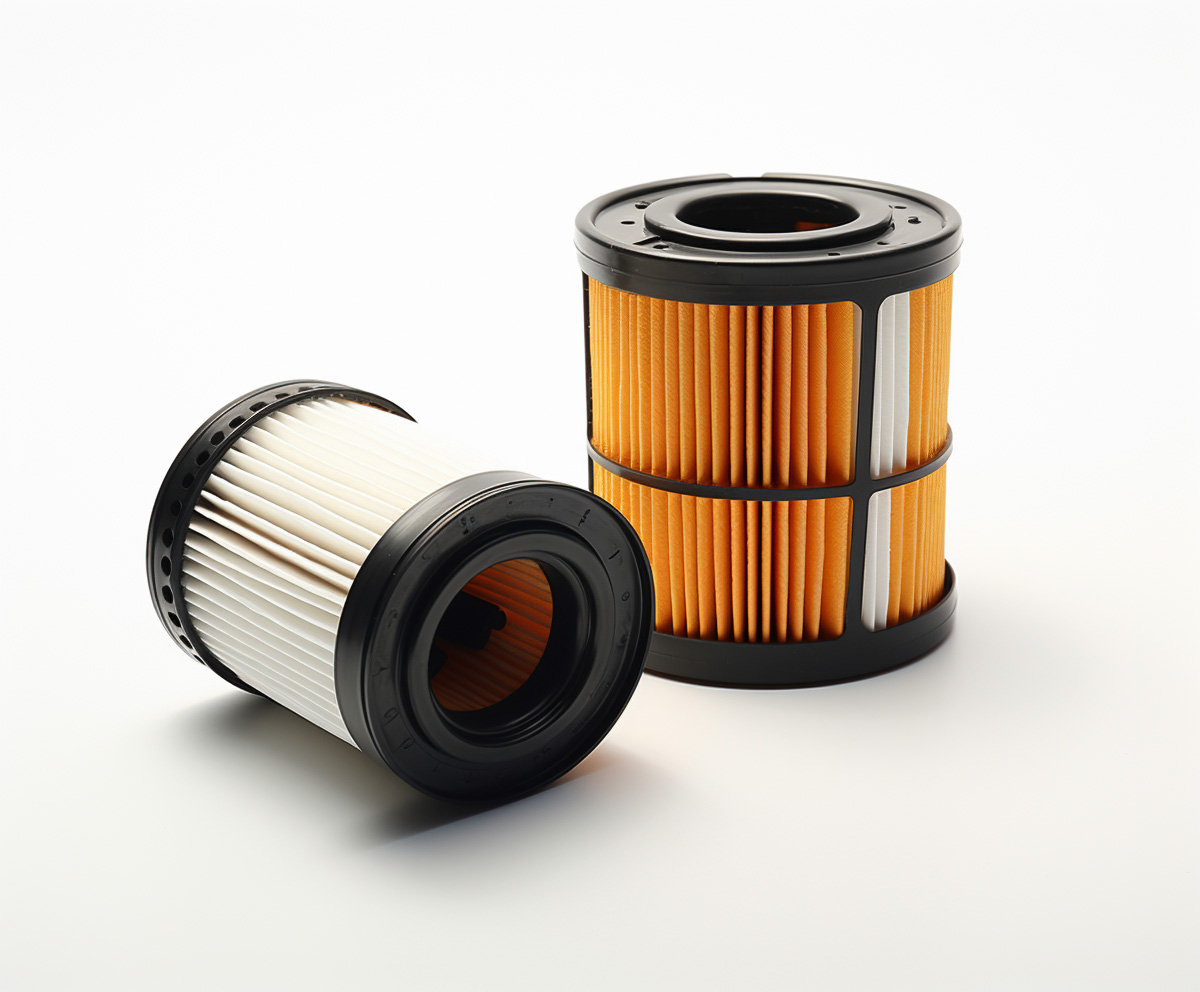 Products
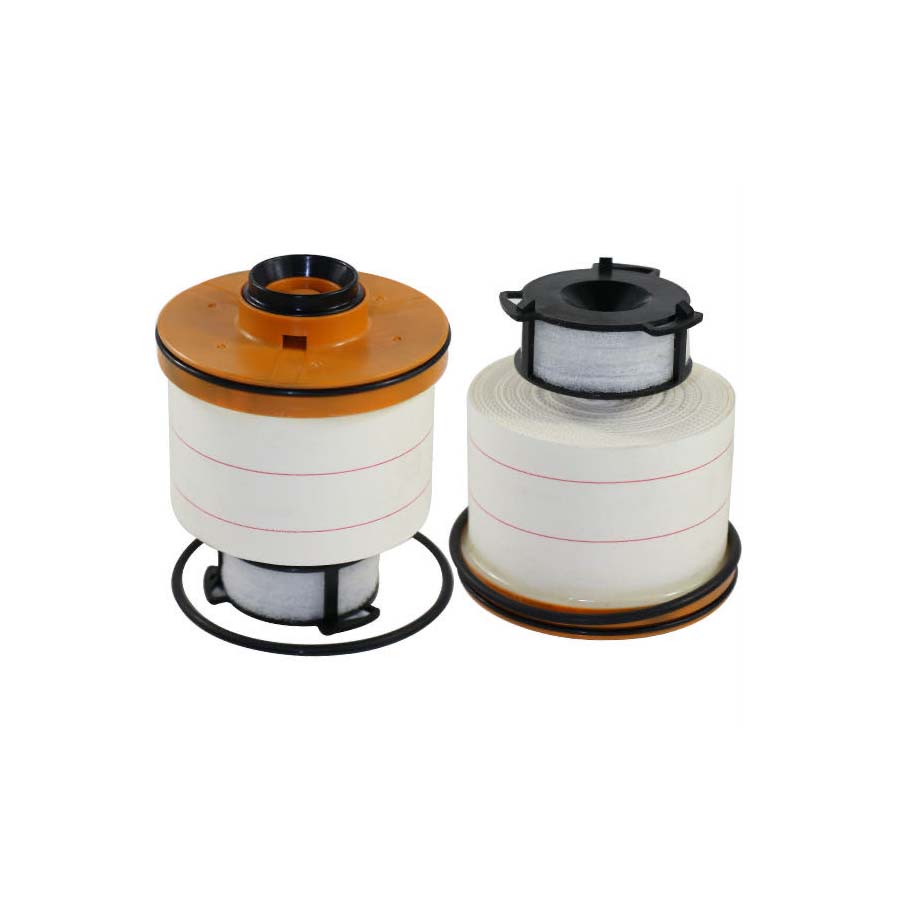 FUEL FILTER
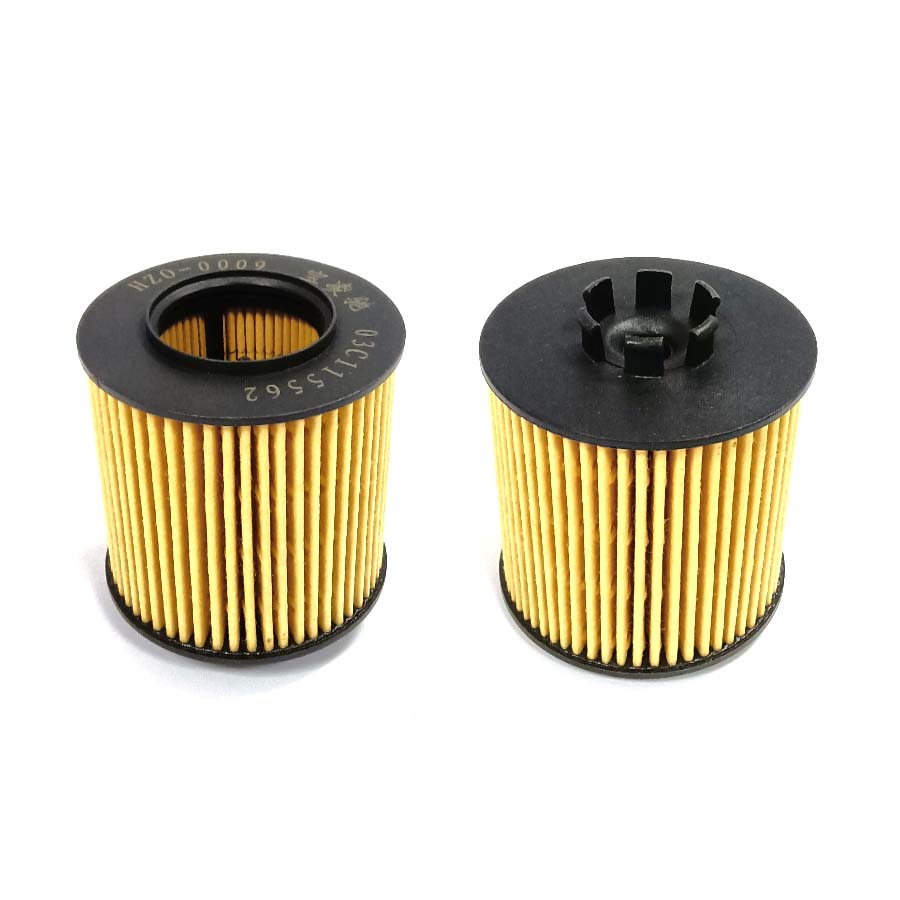 OIL ELEMENT FILTER
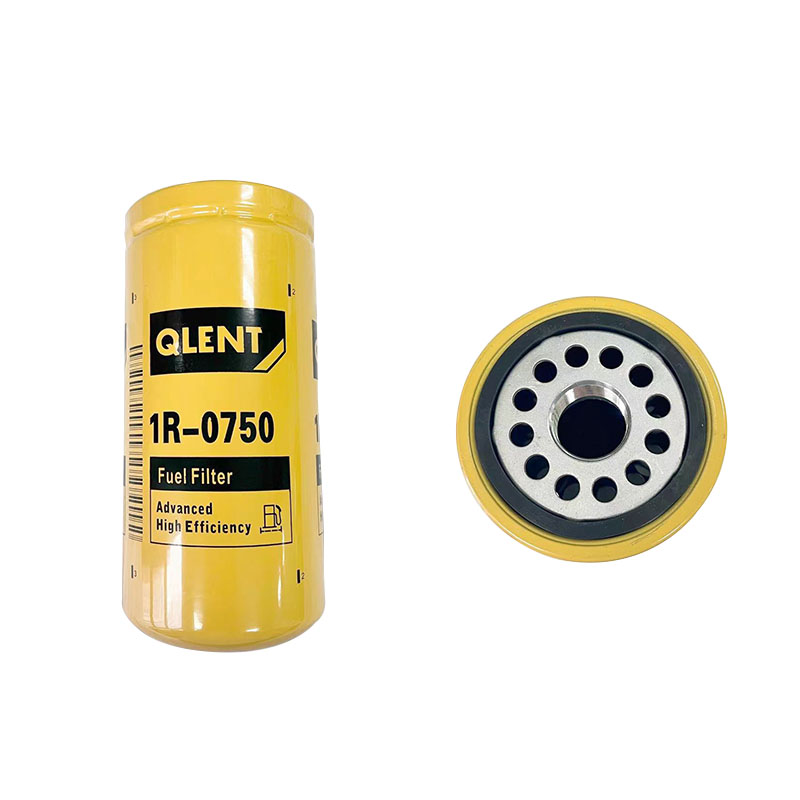 OIL FILTER
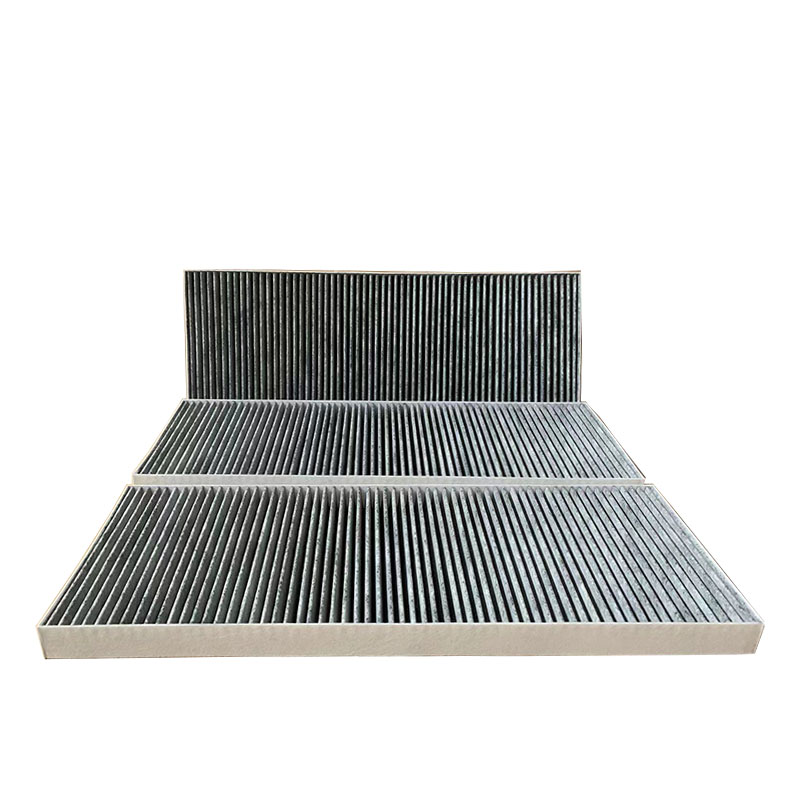 CABIN FILTER
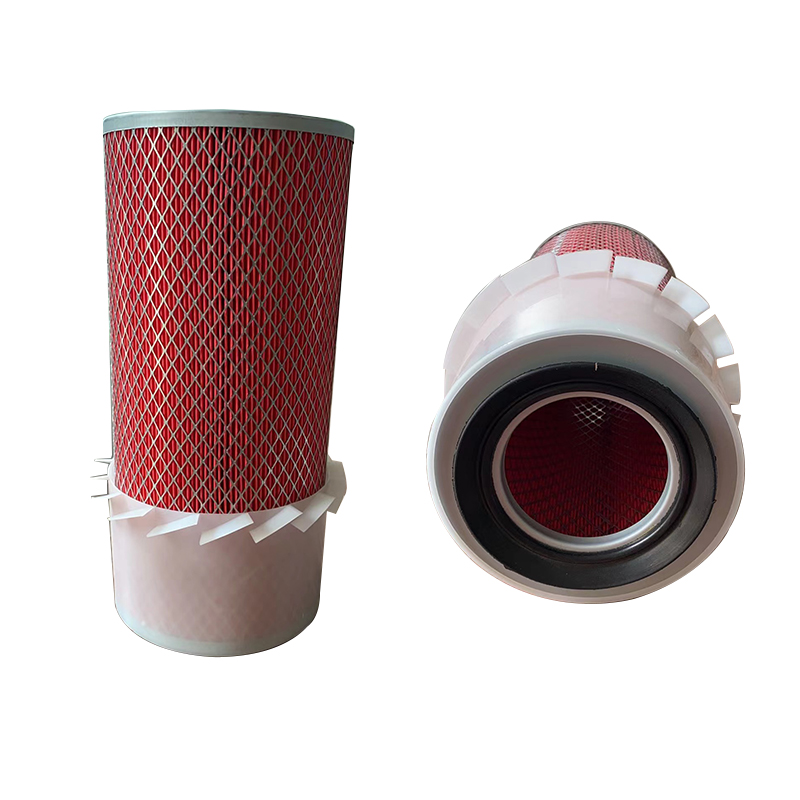 AIR FILTER