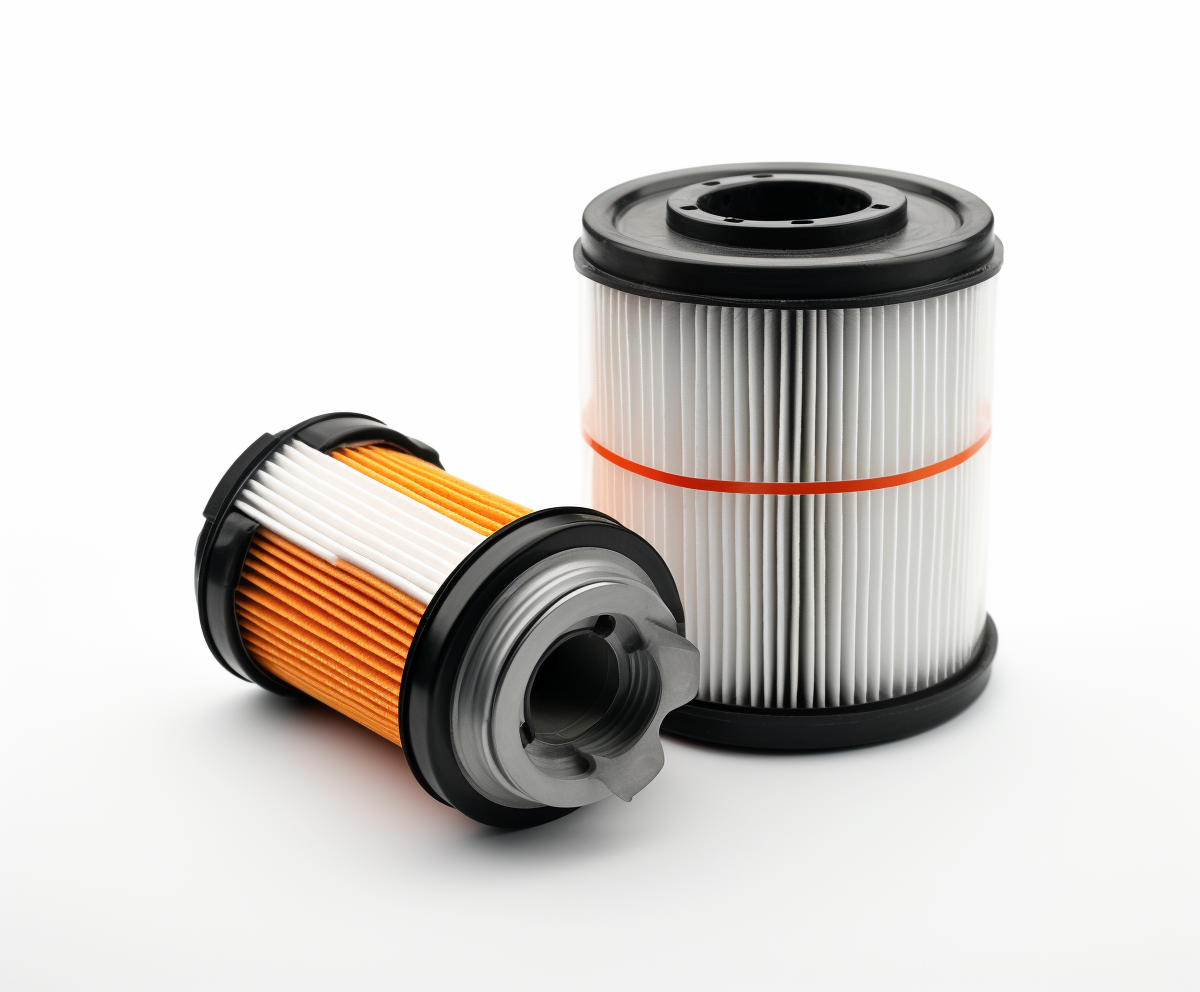
Keeping your auto engine systems, especially the Car Filters, in good shape is really important if you want your vehicle to last. You know, the Automotive Aftermarket Suppliers Association (AASA) mentioned that about 40% of car problems actually come down to not maintaining engine parts properly—stuff like filters. These filters are pretty much the first line of defense, stopping dirt, debris, and other gunk from messing up your engine. So, making it a habit to check and change your air, oil, and fuel filters regularly can do a lot—boosting your engine’s performance, saving you fuel, and even helping cut down on emissions, which is good for the planet too.
The EPA also points out that if your filters are working right, your car could get up to 10% better fuel efficiency. That’s a pretty big deal when it comes to saving money and being eco-friendly. So, following some simple tips for keeping those filters in check isn’t just good for your car—it’s good for the environment and your wallet too. As the auto industry keeps pushing toward greener options, taking these maintenance steps seriously has never been more important.

Understanding the Function of Auto Engine Filters
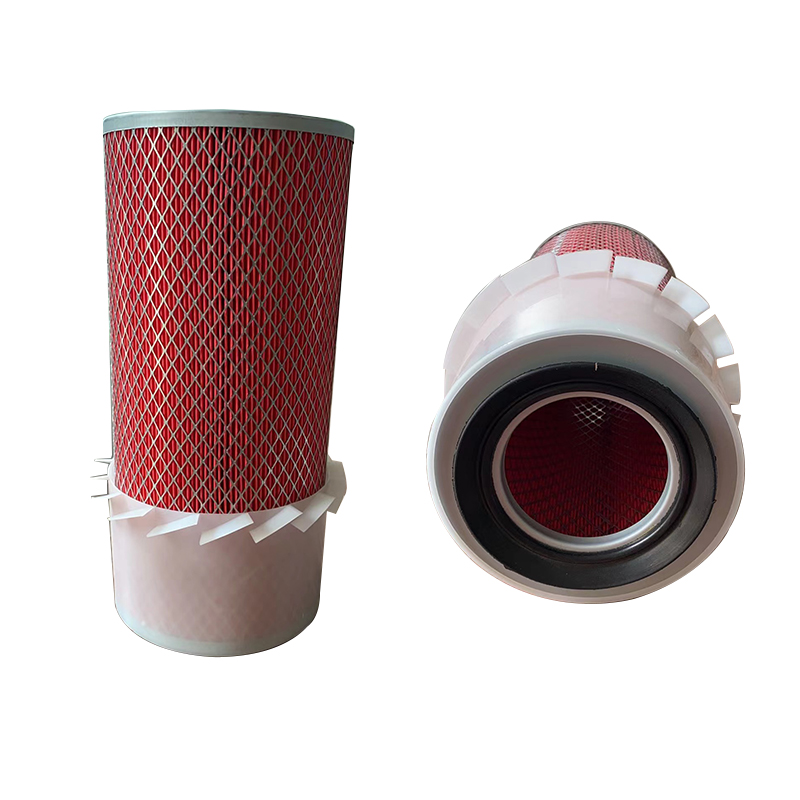
Auto Engine Filters play a crucial role in ensuring the longevity and efficiency of a vehicle's engine. These filters come in various types, including air filters, oil filters, and fuel filters, each serving a specific purpose. Air filters trap dust, dirt, and other contaminants from the air entering the engine, preventing these particles from causing wear and tear. According to a report by the Automotive Filter Manufacturers Council, a clean air filter can improve engine performance by up to 10% and enhance fuel efficiency by approximately 5%. This data underscores the importance of regular filter maintenance, as clogged filters can lead to reduced engine power and decreased fuel economy.
Oil filters, on the other hand, are essential for removing impurities from the engine oil, which is vital for engine lubrication. The American Automobile Association (AAA) states that unfiltered oil can become thick and sludgy, increasing the risk of engine wear and damage. It is recommended that oil filters be changed with every oil change, which is typically every 5,000 to 7,500 miles, depending on vehicle use and oil type.
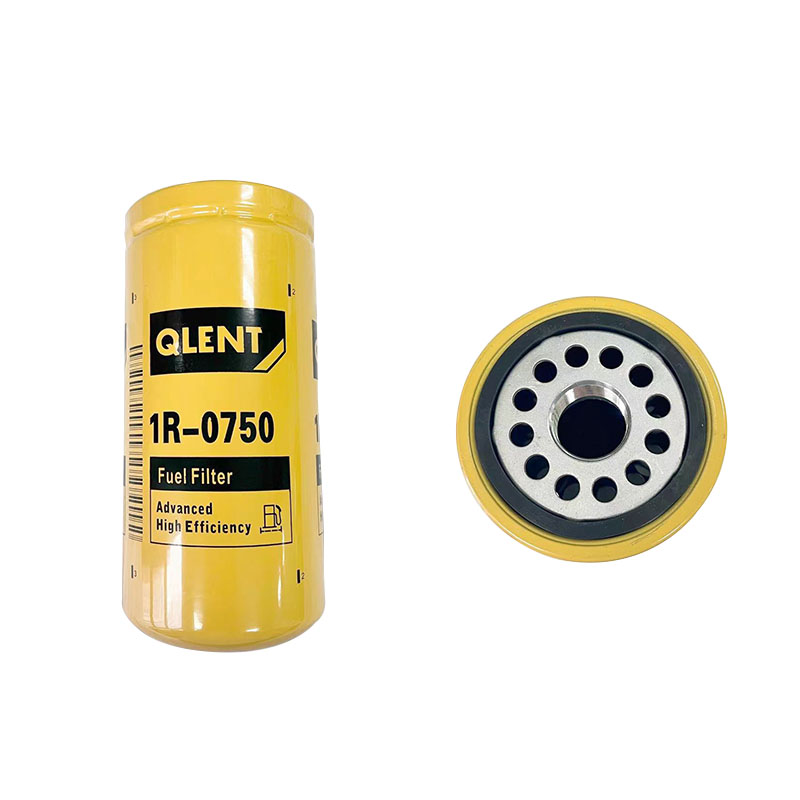
Fuel filters similarly serve a protective function by ensuring that contaminants do not enter the fuel injectors, which can lead to engine misfires and decreased fuel efficiency. The Society of Automotive Engineers highlights that regular replacement of fuel filters can prevent costly repairs related to fuel system failures.
By understanding the functions of these essential auto engine filters and adhering to a regular maintenance schedule, vehicle owners can maximize engine performance and extend the lifespan of their vehicles.
Types of Car Filters and Their Specific Roles
When it comes to maintaining a vehicle's efficiency, understanding the various types of car filters and their specific roles is crucial. A well-functioning engine relies heavily on its filtration systems, including oil, air, fuel, and cabin filters. According to industry data, routine maintenance of these filters can enhance engine performance by up to 10%, significantly reducing emissions and improving fuel economy.
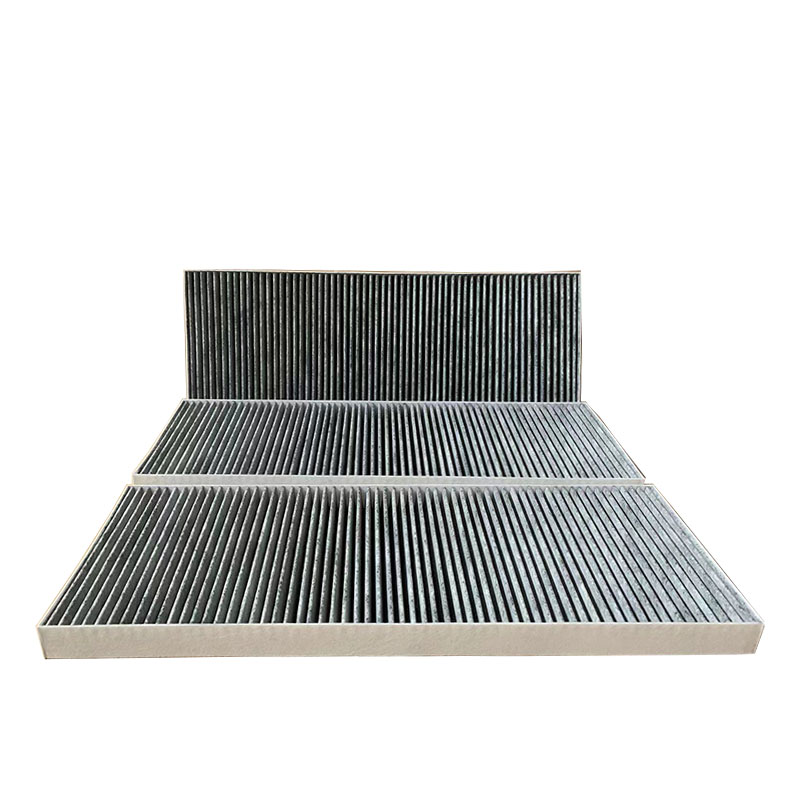
Oil filters, for instance, prevent contaminants from damaging the engine's internal components, while air filters ensure that the engine receives optimal airflow for combustion. A clogged air filter can reduce engine power by 6% to 11%. Fuel filters, on the other hand, play a vital role in keeping the fuel system clean by removing dirt and debris, which can lead to fuel injector failure if neglected. Cabin air filters, though often overlooked, contribute to passenger safety by trapping pollutants and allergens.
**Tip 1:** Regularly inspect and replace your air filter every 12,000 to 15,000 miles to maintain optimal engine performance.
**Tip 2:** Change your oil filter with every oil change, typically every 5,000 to 7,500 miles, to ensure the engine runs smoothly and efficiently.
By prioritizing filter maintenance, car owners can extend their engine's lifespan and enhance their vehicle’s overall performance.
5 Essential Car Filter Types and Their Role in Engine Maintenance
Understanding the different types of car filters and their roles can help maintain your engine systems effectively. The chart above shows the importance level of various car filters needed for optimal engine performance and air quality.
Signs That Your Car Filters Need Replacement
Car filters play a crucial role in maintaining the health of your vehicle’s engine systems. Over time, these filters become clogged with dirt, debris, and contaminants, which can significantly affect performance and reduce fuel efficiency. According to the Automotive Aftermarket Industry Association (AAIA), replacing a clogged air filter can improve fuel efficiency by up to 10%. This is a significant factor to consider, especially in the context of rising fuel costs.
There are several signs that indicate your car filters might need replacement. If you notice a decrease in acceleration or power, especially during heavy acceleration, this could be a sign of a clogged air filter. Additionally, frequent engine misfires or rough idling can also indicate that the engine is not receiving sufficient air. A simple way to check the condition of your air filter is to visually inspect it; if it appears dirty or discolored, it’s time for a change. Moreover, the U.S. Department of Energy reports that replacing a dirty air filter can enhance engine life and performance, emphasizing the importance of regular maintenance to avoid potential costly repairs down the line. Keeping an eye on your car filters not only promotes better efficiency but also contributes to overall vehicle longevity.
Step-by-Step Guide to Replacing Car Filters
Replacing car filters is a crucial step in maintaining your vehicle’s engine efficiency and longevity. According to a report from the Automotive Aftermarket Industry Association, nearly 77% of vehicle owners do not replace their filters regularly. This can lead to decreased fuel efficiency, increased emissions, and potential engine damage over time. A clean air filter can improve acceleration by up to 11%, while a new oil filter can help improve engine performance significantly by providing better lubrication.
To replace your car filters, start by identifying the types of filters your vehicle requires: air, cabin, and oil filters. The first step is to consult your owner’s manual to determine the recommended replacement intervals, often every 15,000 to 30,000 miles. Begin with the air filter by locating it near the engine compartment, removing the cover, and swapping the old filter for a new one. Next, for the cabin filter—located behind the glove box or under the dashboard—carefully dismantle the housing to access the filter. Finally, for the oil filter, ensure the engine is cool, then drain the old oil, replacing it with fresh oil and installing the new filter. Following these steps diligently not only keeps your engine systems running smoothly but also enhances the overall driving experience.
Best Practices for Regular Filter Maintenance
Regular maintenance of your car’s filters is crucial for optimal engine performance and longevity. One of the most important aspects is ensuring that your air filters are clean and free of debris. A clogged air filter restricts airflow to the engine, which can lead to decreased efficiency and increased fuel consumption. Schedule routine inspections and replace the air filter as recommended in your vehicle's maintenance guide. Typically, it’s advisable to check the air filter every 12,000 to 15,000 miles, but driving conditions may require more frequent checks.
Another essential practice is maintaining your fuel filter, which plays a key role in protecting the engine from impurities in the fuel. A dirty fuel filter can hinder fuel flow, resulting in insufficient power and efficiency. Consider replacing the fuel filter based on your vehicle's specifications, typically every 20,000 to 40,000 miles, or sooner if you notice any symptoms of fuel delivery issues. Regularly checking your oil filter is equally important, as it captures contaminants that can cause engine wear over time. Implementing these best practices ensures all engine systems operate smoothly, contributing to a reliable and efficient driving experience.
Choosing the Right Filter for Your Vehicle
Choosing the right filter for your vehicle is crucial for optimal engine performance and longevity. Various types of filters serve different purposes, including air filters, oil filters, and fuel filters, each specifically designed to trap contaminants and maintain efficiency. When selecting a filter, always consider your vehicle’s make and model, as specifications can vary significantly. Consulting your owner’s manual can provide valuable insights into the recommended filter types and replacement intervals.
Another important factor is the filter's material. Filters can be made from paper, foam, or synthetic materials, each offering distinct benefits. For instance, high-quality synthetic filters often provide better filtration efficiency and longer service life compared to standard paper filters. Additionally, look for filters that meet or exceed the industry standards to ensure they will adequately protect your engine. Investing in a suitable filter not only helps in maintaining engine efficiency but also contributes to fuel economy and reduces emissions.
The Impact of Clean Filters on Engine Performance
The health of your vehicle's engine is intricately linked to the condition of its filters. Regularly replacing air, oil, and fuel filters can substantially enhance engine performance and longevity. According to a study by the American Automobile Association (AAA), clogged air filters can lead to a decrease in engine performance by as much as 10%. This degradation occurs because a restricted airflow reduces oxygen intake, affecting combustion efficiency and ultimately resulting in reduced power and increased fuel consumption.
Moreover, clean oil filters are vital in maintaining optimal engine lubrication. The Society of Automotive Engineers (SAE) states that replacing the oil filter at regular intervals can improve engine life by preventing contamination and ensuring that the lubricating oil remains effective. In fact, engines that operate with clean oil and filters can exhibit a significant performance improvement, potentially increasing fuel efficiency by up to 12%. Therefore, keeping your auto engine systems' filters clean and well-maintained is essential for preserving your vehicle's performance and efficiency over time.
5 Essential Tips for Maintaining Your Auto Engine Systems Car Filter - The Impact of Clean Filters on Engine Performance
| Tip | Description | Frequency of Maintenance | Impact on Engine Performance |
| Regular Inspection | Inspect filters for dirt and debris. | Every 3 months | Enhances airflow to engine. |
| Replace Air Filter | Change air filter to maintain optimal engine function. | Every 12,000 miles | Boosts fuel efficiency and power. |
| Fuel Filter Maintenance | Check and replace fuel filters to prevent clogs. | Every 20,000 miles | Ensures proper fuel delivery. |
| Cabin Air Filter Check | Replace cabin air filter for clean air quality. | Every 15,000 miles | Improves air quality inside the vehicle. |
| Visual Check for Blockages | Look for visible blockages in the air intake. | Monthly | Prevents engine strain and improves longevity. |
Comprehensive Guide to Choosing and Maintaining Auto Car Oil Filters for HINO Vehicles
When it comes to maintaining the performance and longevity of HINO vehicles, selecting the right auto car oil filter is crucial. In the realm of automotive maintenance, oil filters play a pivotal role in removing contaminants from engine oil, which is essential for preventing engine wear and ensuring smooth operation. According to industry reports, using high-quality oil filters can improve engine efficiency by up to 10%, highlighting the importance of choosing the right one that meets the specifications of your vehicle.
For HINO vehicles, the recommended oil filter is the Auto Car Oil Filter, also known as an Oil Element Filter. This filter is compatible with various OE numbers, including S2340-11730, 23304-E0190, and 23304-EV080, among others. The product is designed with standard sizing and is constructed to meet the durability needs of automotive engines. Notably, it adheres to ISO 9001:2015 and IATF 16949:2016 standards, ensuring high reliability and performance in demanding conditions.
Maintenance of the oil filter should not be overlooked; it is generally advisable to replace the oil filter with every oil change, or at least every 5,000 to 7,500 miles, depending on the vehicle's usage. By investing in this quality oil filter, vehicle owners can expect a decrease in engine wear and an improvement in fuel efficiency. Available with customization options, this product supports different packaging needs, with a minimum order quantity starting from 300 pieces for neutral packaging, ensuring flexibility for various customer requirements.
FAQS
: Car filters are essential for maintaining the health of engine systems by trapping dirt, debris, and contaminants, which helps improve performance and fuel efficiency.
Signs of needing replacement include a decrease in acceleration or power during heavy acceleration, frequent engine misfires, rough idling, and visibly dirty or discolored filters.
Replacing a clogged air filter can enhance fuel efficiency by up to 10%, which is particularly important in light of rising fuel costs.
A dirty air filter can lead to reduced engine performance and efficiency, potentially shortening engine life, making regular maintenance critical to prevent costly repairs.
Essential filters include air filters, oil filters, and fuel filters, each serving specific purposes and designed to trap different contaminants.
When choosing a filter, consider your vehicle’s make and model, consult the owner’s manual for recommendations, and choose filters that meet or exceed industry standards.
Paper filters are standard but may not offer the same efficiency as synthetic filters, which provide better filtration and longer service life. Foam filters also have their advantages but are less common.
Investing in a quality filter helps maintain engine efficiency, contributes to better fuel economy, and reduces harmful emissions, supporting overall vehicle longevity.
Conclusion
Maintaining your auto engine systems car filter is crucial for optimal vehicle performance. Understanding the function of different auto engine filters, such as air, oil, and fuel filters, helps in recognizing their specific roles in safeguarding your engine. Key signs that indicate the need for replacement include decreased fuel efficiency, unusual noises, or warning lights.
Replacing car filters involves a straightforward step-by-step guide that ensures each filter is properly installed. Adopting best practices for regular maintenance, such as checking filters during routine inspections, can prolong their lifespan. Additionally, selecting the right filter compatible with your vehicle enhances engine efficiency, ensuring that clean filters contribute significantly to overall performance. Prioritizing these aspects will keep your engine running smoothly and efficiently.

 Products
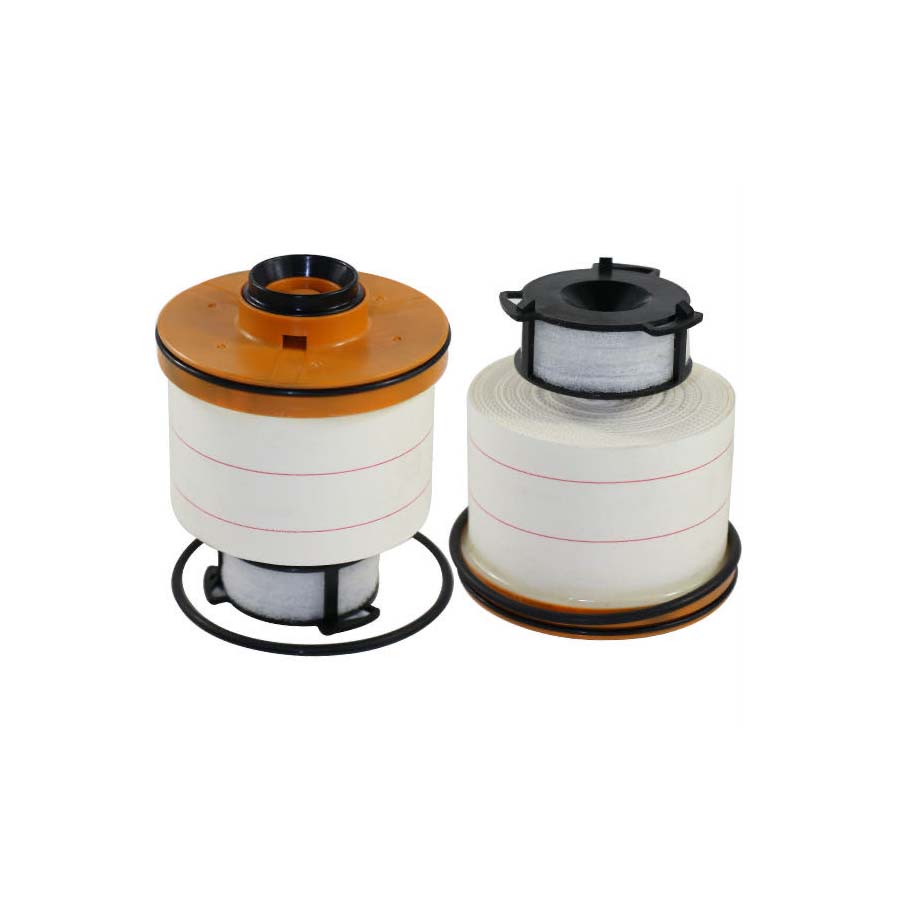 FUEL FILTER
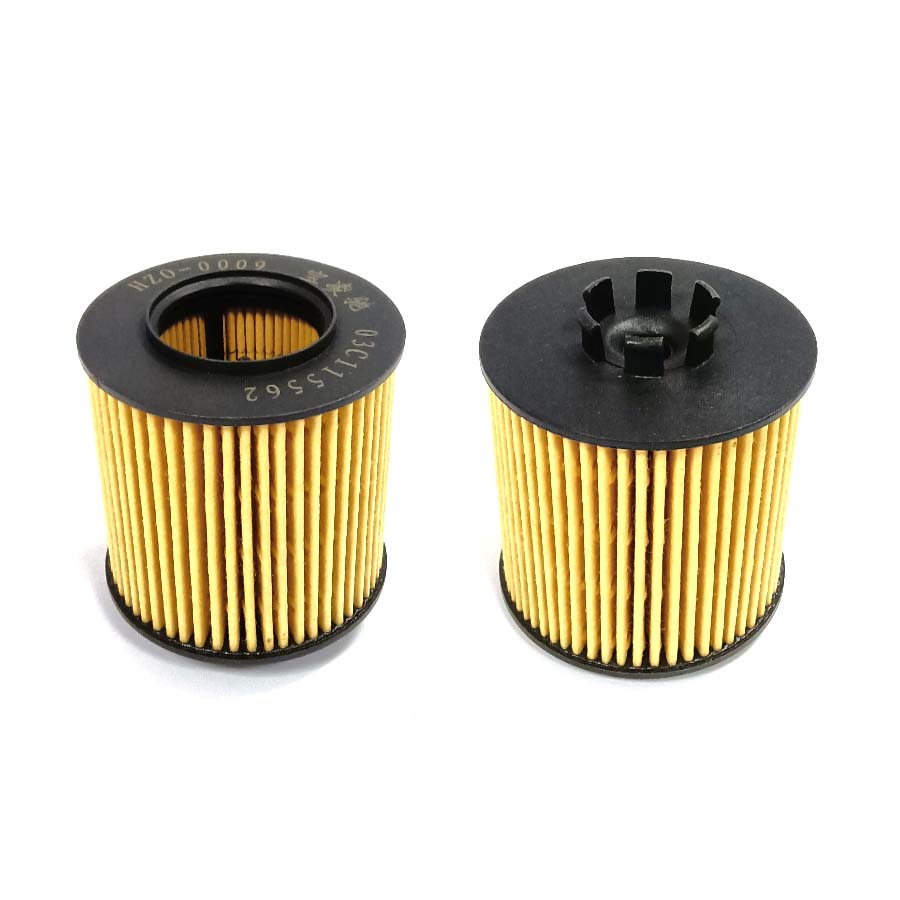 OIL ELEMENT FILTER
 OIL FILTER
 CABIN FILTER
 AIR FILTER