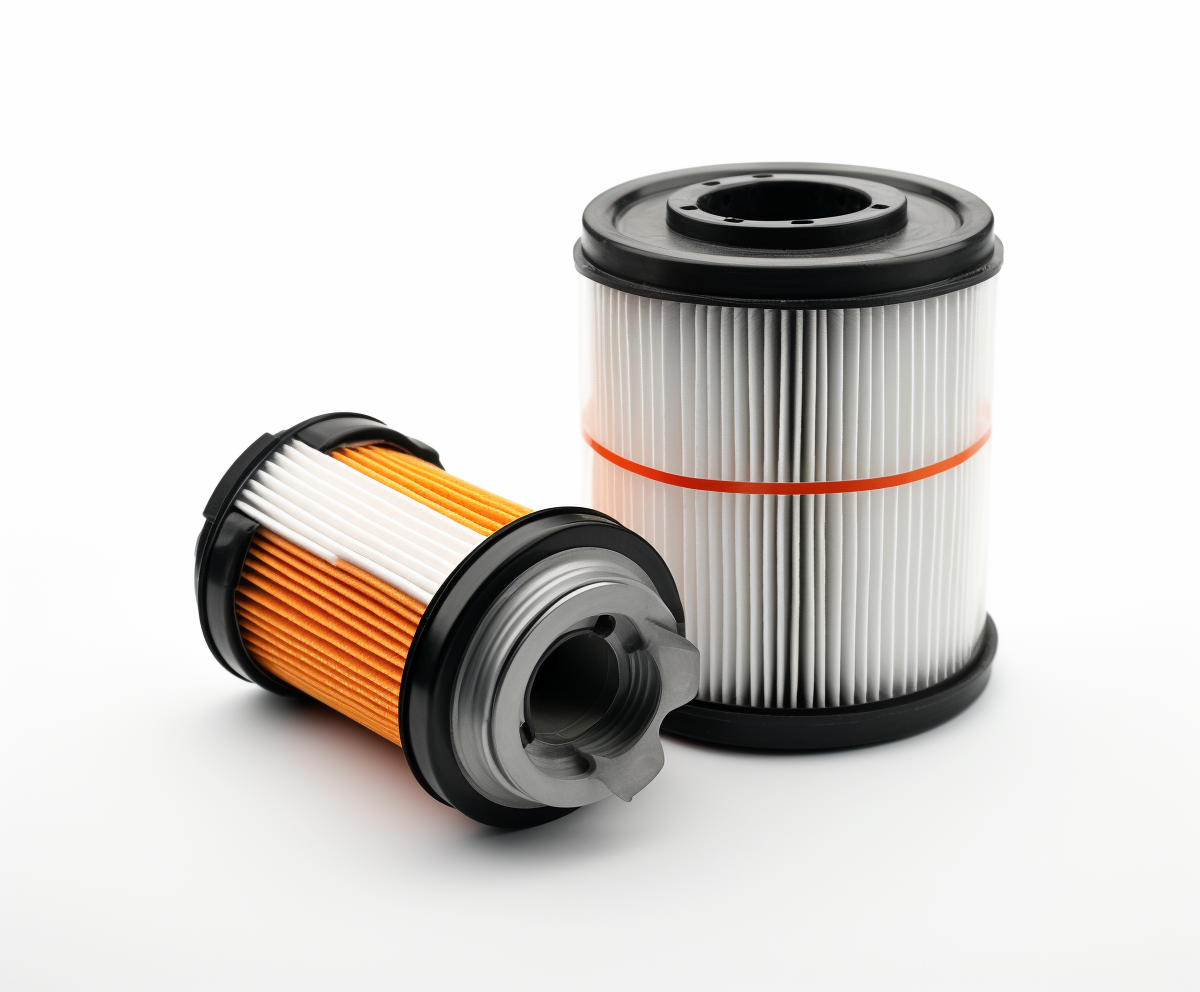
When it comes to taking care of your car, picking the right auto Oil Filtermight seem like a small thing, but it's actually pretty important for keeping your vehicle running smoothly and lasting longer. Lately, I’ve noticed more talk about the Auto Filter market growing—probably because more folks are realizing how vital regular maintenance is, and let’s be honest, more cars on the road means more need for good filters.
If you’re wondering where to get quality filters, Ningbo Hongzhuo Filter Co., Ltd., has been around since 2013 in Ningbo City, Zhejiang Province. They focus on making high-quality automotive filters—everything from oil filters to air and cabin filters. They really care about innovation and quality, so they’re pretty geared up to meet what modern drivers need to keep their engines healthy.
This guide is gonna help you understand what to look for when choosing the right auto oil filter—so you can make a smarter choice and ensure your vehicle’s performance stays top-notch.
Understanding Auto Oil Filters: Types and Functions
When you're taking care of your vehicle, it’s pretty important to understand the different types of auto oil filters and what they actually do. Basically, oil filters are a big deal because they keep your engine clean by catching all the dirt and gunk that can ruin it. There are mainly two kinds: full-flow filters and bypass filters. Full-flow filters are like the main filter—they clean all of the oil that runs through your engine, ensuring it stays as clean as possible. Bypass filters, on the other hand, only handle a part of the oil. They’re typically used in setups where a secondary filtering system is in place.
According to a report from 2022, around 20% of engine wear comes from contaminated oil—that shows just how crucial it is to pick good quality oil filters if you want your engine to last longer. Companies like Ningbo Hongzhuo Filter Co., Ltd., which was founded back in 2013, really stress the importance of reliable automotive filters. They focus on making all sorts of filters, including oil filters, and their priority is quality. Choosing the right oil filter isn’t just about keeping the oil clean—it can also help boost your fuel efficiency and give your engine a longer lifespan. So, yeah, it’s definitely worth paying attention to this stuff if you want your ride to keep running smoothly for years to come.
Auto Oil Filter Efficiency Comparison
Key Factors in Choosing the Right Oil Filter for Your Vehicle
When you're taking care of your vehicle, choosing the right oil filter is super important. The right filter not only helps catch the nasty contaminants that can harm your engine, but it also keeps things running smoothly. One thing to keep in mind is making sure the filter actually fits your car’s make and model. If you're not sure, it’s a good idea to check your owner’s manual or just ask a mechanic — better safe than sorry, right?
Another big deal is how efficient the filter is. Higher-quality filters usually come with some pretty advanced tech that can trap even the tiniest particles, giving your engine extra protection. It’s also smart to look for filters that can hold more dirt — that way, they last longer and keep your oil cleaner for longer periods.
Pro tip: Keep an eye out for certifications like the API (American Petroleum Institute) badge — that’s a quick way to know the filter meets some basic industry standards. Also, think about the type of oil you’re using; if you’re into synthetic oils, you might need a specific kind of filter designed to get the most out of it. And don’t forget — swapping out your oil filter regularly during oil changes is key to keeping your engine happy and healthy!
Comparing Synthetic vs. Conventional Oil Filters: Pros and Cons
When you're picking out an oil filter for your car, it’s good to have a sense of the difference between synthetic and conventional options. Synthetic oil filters are pretty impressive—they're built to handle higher temperatures and do a better job at filtering out tiny particles. Usually made with synthetic media, they can trap even the smallest dirt and debris, which means your engine gets better protection and hopefully lasts longer. Plus, because of the fancy tech behind them, you might be able to go longer between oil changes. That’s why a lot of folks who care about performance and convenience tend to go for these options.
On the flip side, conventional oil filters are pocket-friendly and work just fine for everyday driving. They might not be as efficient at filtering out the microscopic bits as synthetic filters are, but they still do a decent job keeping your engine clean and healthy. That said, it’s worth thinking about your specific situation—like, if you drive an older car or often hit the kinds of roads and conditions that put a strain on your engine, a synthetic filter might give you that extra bit of protection. At the end of the day, your choice should really match what your vehicle needs and how you usually drive. Easy enough, right?
Essential Guide to Choosing the Right Auto Oil Filter for Your Vehicle's Health
| Feature | Synthetic Oil Filters | Conventional Oil Filters |
| Filtration Efficiency | Higher efficiency in trapping smaller particles | Good for larger particles but less effective for smaller ones |
| Lifespan | Longer lifespan, typically 10,000 miles or more | Shorter lifespan, generally around 3,000 to 5,000 miles |
| Cost | Usually more expensive due to advanced materials | More affordable and widely available |
| Temperature Resistance | Better performance in extreme temperatures | Standard performance, may degrade faster in extreme conditions |
| Myth vs. Fact | Myth: More expensive means better; the efficiency is demonstrable | Fact: Budget-friendly options can still perform adequately |
Step-by-Step Guide to Installing an Oil Filter
When it comes to keeping your car running smoothly, choosing the right oil filter is a pretty big deal. Think of it like how restaurants are now required to have grease traps to deal with oil and food waste—drivers should also pay attention to installing quality oil filters. It’s a small step that makes a huge difference, not just for how your engine performs but also to keep oil clean and prevent nasty contamination that could lead to costly repairs down the line.
Honestly, changing an oil filter might sound intimidating at first, but it’s actually pretty straightforward once you get the hang of it. Just make sure you’ve got the right tools—like an oil filter wrench and a clean rag—and find a safe, level spot to work. Once the engine’s cooled down a bit, pop the oil drain plug and let the old oil drain out into a container. Then, carefully take off the old filter with your wrench. Before you screw the new one in, it’s a good idea to rub a bit of fresh oil on its rubber gasket—that helps it seal properly. After that, just screw in the new filter, put the drain plug back in, and refill with fresh oil according to your car’s specs. Doing these little things really helps keep your engine healthy and your driving smooth as butter—a win all around.

Common Oil Filter Brands and Their Features
When you're picking out an oil filter for your car, it’s pretty helpful to know what sets apart the common brands—this can actually make a big difference in how your engine runs and how long it lasts. Brands like Mobil 1, Purolator, and K&N each have their own strengths. For instance, Mobil 1 filters are famous for their top-notch synthetic tech, which does a great job of catching dirt and keeping the oil fresh longer. I read somewhere that using high-quality filters like Mobil 1 can boost your engine’s efficiency by around 10-15%. That means fewer headaches and potentially lower repair costs down the road.
Purolator filters, meanwhile, are known for being budget-friendly but still reliable. They use multi-fiber media that’s pretty good at holding onto dirt while letting the oil flow smoothly. You’re looking at about 98% filtration efficiency there—which is pretty solid for keeping those harmful particles out of your engine. And then there are K&N filters, which are perfect if you’re into high-performance stuff. They’re reusable, cool-looking, and let way more air through—up to 50% more than regular paper filters. That extra airflow can really help if you’re into racing or just pushing your engine harder.
A quick tip—always double-check your owner’s manual for the right oil filter specs before buying. Don’t forget, changing your oil and filter regularly is one of the simplest ways to keep your engine running smoothly and efficiently. And if you’re driving in tough conditions—think really hot, cold, or dusty environments—spending a little extra on a higher-quality filter can really pay off in protecting your engine from wear and tear.
Maintaining Your Vehicle's Health: The Role of Regular Oil Filter Changes
You know, changing your oil filter on a regular basis is actually pretty important if you want your car to stay healthy. The oil filter’s job is to catch all the dirt, sludge, and tiny metal bits that can sneak into your engine oil. When you skip these changes, or just forget about it, the filter can get clogged up, which slows down oil flow and puts extra stress on the engine. Over time, that can lead to more wear and tear, and nobody wants costly repairs down the line.
Doing routine oil filter changes as part of your regular maintenance can really help your engine last longer. Experts usually recommend swapping it out whenever you get your oil changed—so basically, keeping both in sync. This helps keep the oil clean and your engine running smoothly. Also, it’s super important to pick the right filter for your make and model; using the proper one really makes a difference in filtering out the gunk and protecting your engine.
All in all, it’s a simple step that can make a big difference in how well your car performs and how long it stays on the road.
Enhancing Vehicle Comfort and Safety: Insights from Recent Studies on the Importance of Car Air Conditioning Cabin Air Filters
The importance of cabin air filters in vehicles cannot be overstated, particularly when it comes to enhancing comfort and safety within the car environment. Recent studies highlight that the air quality inside vehicles can be several times worse than the air outside, often leading to health issues such as allergies and respiratory problems. A high-quality cabin air filter, such as the OE number 95981206, is vital for shielding occupants from pollutants, dust, and allergens, thus ensuring a healthier driving experience.
The effectiveness of a cabin air filter is largely determined by its material, with options ranging from standard white fiber to advanced carbon filters that offer superior filtration capabilities. The filter for vehicles like Chevrolet and GM is not just a replacement part; it represents a significant investment in passenger well-being. With a minimum order quantity of just 100 pieces for neutral packages, businesses can easily stock these essential components, ensuring that customers' vehicles are equipped with optimal air filtration systems.
Moreover, the industry has recognized the necessity for continuous improvement in quality management and production practices, as evidenced by certifications such as ISO 9001:2015 and IATF 16949:2016. The delivery time for these essential components is typically within 15 to 20 days after deposit receipt, making it convenient for suppliers to maintain their inventory effectively across markets in the United States, Middle East, Brazil, and beyond. Upgrading vehicle air conditioning cabin air filters not only contributes to a more comfortable ride but also plays a crucial role in the long-term health of drivers and passengers.
FAQS
: The two main types of auto oil filters are full-flow filters and bypass filters. Full-flow filters filter all the oil circulating through the engine, while bypass filters only filter a portion of the oil.
Oil filters are essential because they remove contaminants and debris from the oil, which helps keep the engine clean and can reduce engine wear caused by contaminated oil.
Approximately 20% of engine wear can be attributed to contaminated oil.
Synthetic oil filters can withstand higher temperatures and provide superior filtering capabilities, capturing finer particles and improving engine protection, which also allows for extended oil change intervals.
Conventional oil filters are generally more affordable and suitable for standard driving conditions, but they may not provide the same level of filtration efficiency as synthetic filters.
Drivers should consider their specific use cases, such as the age of their vehicle and the driving conditions. For example, those with older vehicles or extreme driving conditions may benefit more from synthetic oil filters.
High-quality oil filters help keep the oil clean, which not only protects the engine but also contributes to improved fuel efficiency.
Ningbo Hongzhuo Filter Co., Ltd. is a company that specializes in the production of various automotive filters, including oil filters, and emphasizes the importance of reliable automotive filters.
Synthetic oil filters offer enhanced protection and longer oil change intervals, making them a popular choice for high-performance vehicles that prioritize performance and convenience.
The main function of an oil filter in a vehicle is to remove contaminants and debris from the engine oil, helping to maintain engine cleanliness and health.
Conclusion
Picking the right auto oil filter might not seem like a big deal, but trust me, it’s actually pretty important for keeping your car running smoothly and avoiding headaches down the road. Getting a good handle on the different kinds of filters and what they do can really help you make smarter choices. Some of the main things to think about are whether the filter will work with your specific vehicle, the quality of the filter itself, and whether you should go for a synthetic or regular one. Each type has its ups and downs—some last longer, while others might do a better job filtering out the gunk.
By the way, Ningbo Hongzhuo Filter Co., Ltd., has been around since 2013 and specializes in all sorts of automotive filters, including top-notch auto oil filters. Their products are designed to support your car’s health with routine upkeep. Also, knowing how to properly install your oil filter and being aware of reputable brands can go a long way in making sure everything runs smoothly. Don’t forget—changing your auto oil filter regularly is super important if you want your engine to last longer and keep your vehicle running efficiently. A little attention here can save you a lot of trouble later on.

 Products
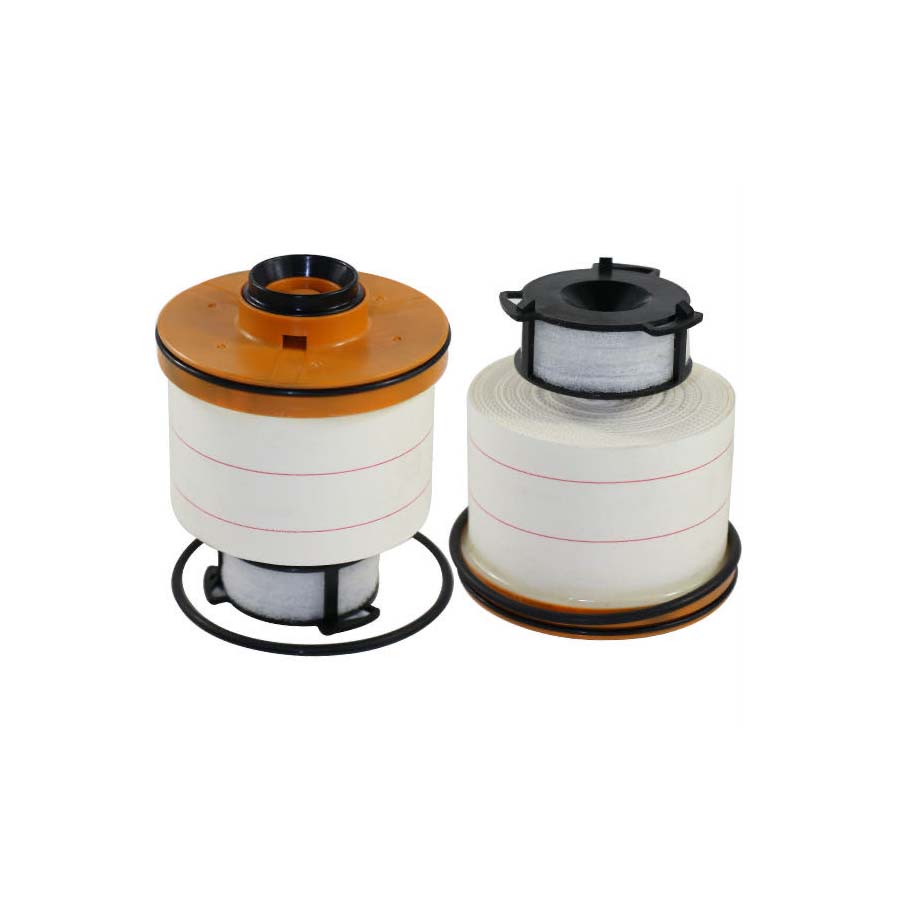 FUEL FILTER
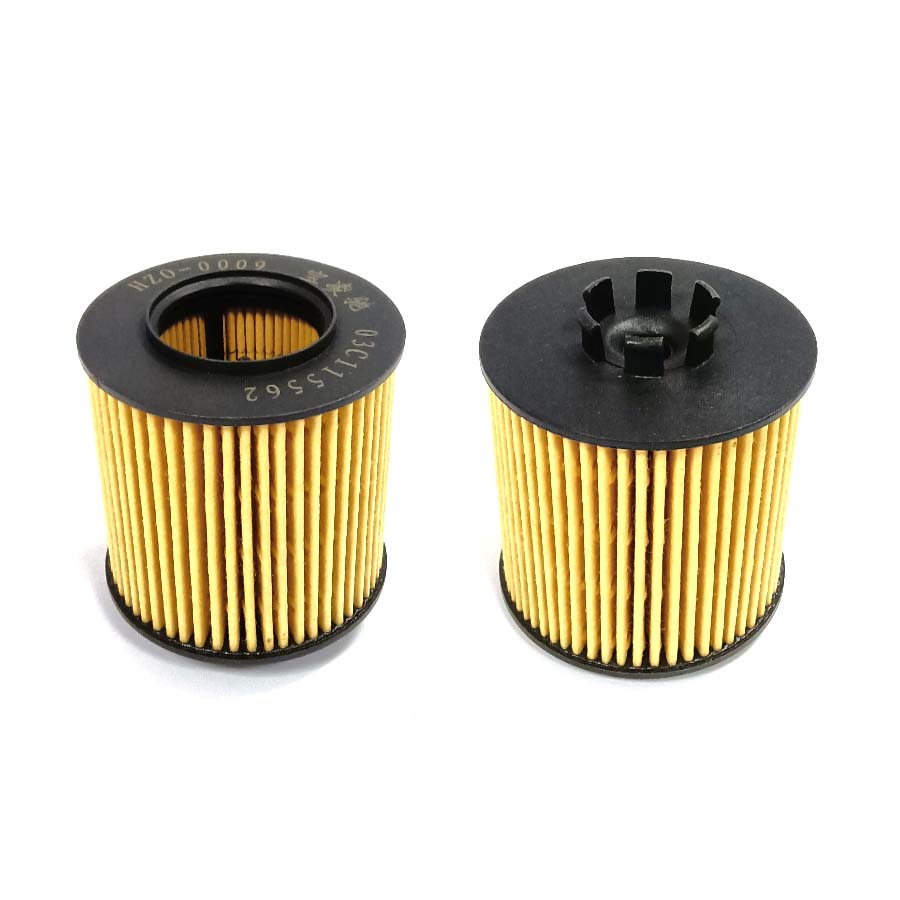 OIL ELEMENT FILTER
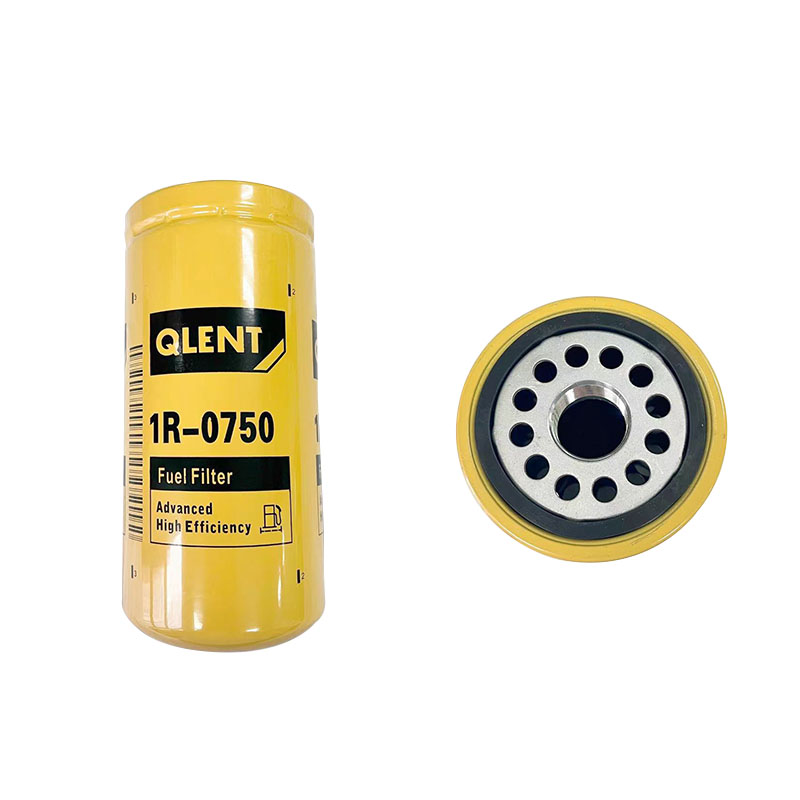 OIL FILTER
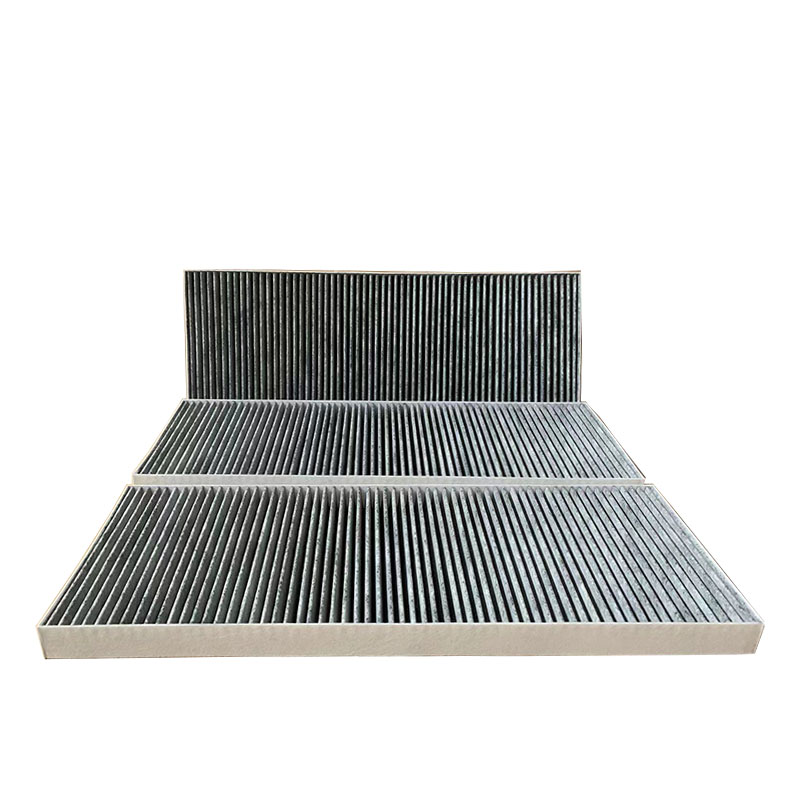 CABIN FILTER
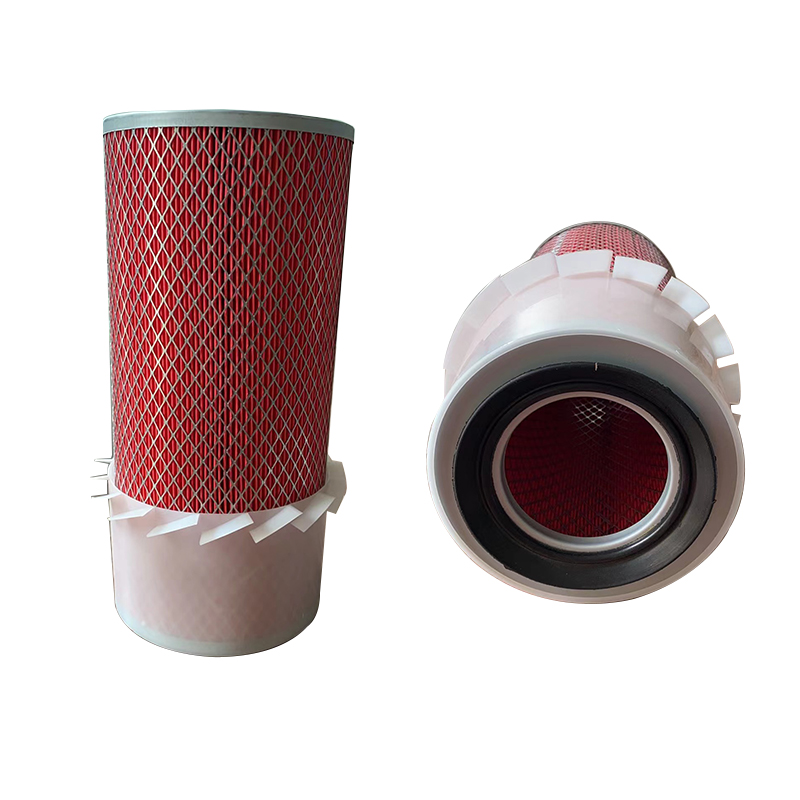 AIR FILTER