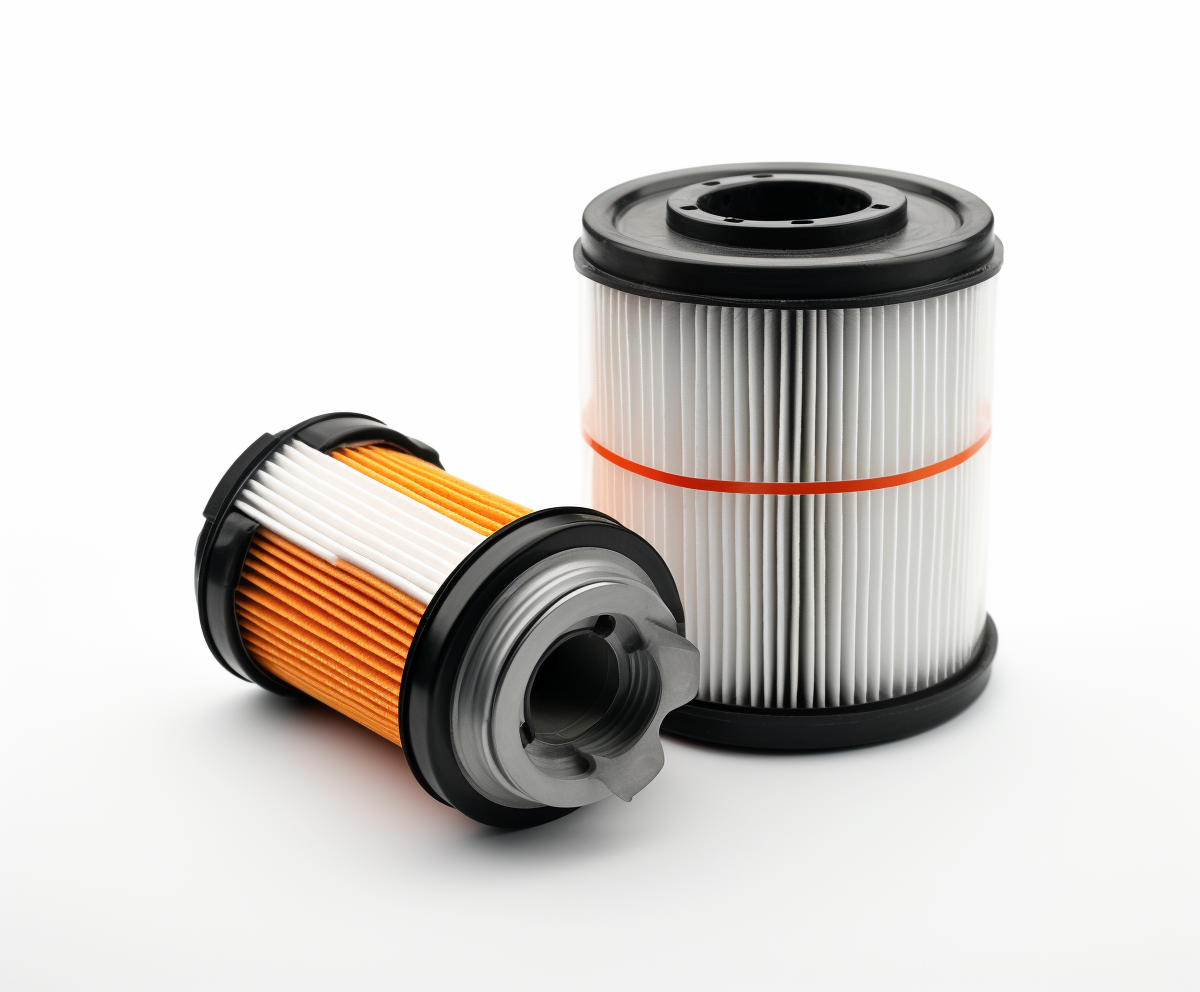
Your truck’s performance really depends on a bunch of factors, and one often overlooked part is the air conditioning system. The truck Ac Filter, for example, plays a pretty big role in making sure the air inside stays clean. If that filter gets clogged up, you’ll notice less airflow and your AC won’t work as efficiently. Over time, dirt and debris build up, putting extra strain on the system and potentially causing it to fail down the line.
Changing your truck’s AC filter regularly isn’t just some chore you can ignore — it’s actually super important for keeping everything running smoothly. When the filter is in good shape, the air inside feels fresher, and it helps keep out nasty particles that you don’t want breathing in. Plus, good air quality can even boost your mood and keep you alert while you’re on the road — which is pretty crucial for safe driving.
Honestly, it’s easy to forget about this small task or brush it off as unimportant. But ignoring it can lead to bigger, more expensive problems later on. Sometimes, we overlook the little components, thinking they’re not a big deal — but they really add up. Just taking a few minutes to check and replace that filter can extend the life of your AC system and improve your truck’s overall performance. Trust me, never underestimate the power of a clean filter — it makes a difference.

Overview of Truck AC Filter Functions and Importance
The truck AC filter plays a crucial role in your vehicle's comfort and air quality. It helps to trap dust, pollen, and other contaminants from entering the cabin. When the filter is dirty, it restricts airflow, making the AC work harder. This can lead to a rise in energy consumption and potential damage to the system. Regularly replacing the Truck Air Filter ensures a clean supply of air, enhancing your riding experience.
Failure to maintain the truck AC filter can result in several issues. A clogged filter may cause unpleasant odors and trigger allergies. You might notice reduced cooling efficiency, leading to an uncomfortable ride. It can be easy to overlook this small component, but its importance cannot be underestimated. Regular checks and replacements can prolong your truck's lifespan and prevent costly repairs in the future. Make sure to assess the filter periodically for optimal performance.
Signs That Indicate a Clogged AC Filter
A clogged AC filter can significantly affect your truck's performance. If you notice poor airflow from the vents, this is a strong sign. The cabin may become stuffy and uncomfortable. It can lead to increased humidity inside, causing foggy windows. Such conditions challenge your visibility, which is vital for safe driving.
Another indicator is unusual noises coming from the AC system. If you hear rattling or whining, the filter may be blocked. Dust and debris build-up can create these sounds. Regularly inspecting and replacing your Truck Fuel Filter is critical. An effective fuel system helps maintain overall vehicle health. Ignoring these signs can lead to more severe issues down the line.
If the air smells musty or off, that’s another warning sign. A dirty AC filter allows mold or mildew to flourish. This not only compromises air quality but can also affect your health. Taking proactive steps to replace your AC filter safeguards you and your passengers. A well-maintained truck ensures a pleasant driving experience.
Why You Should Replace Your Truck AC Filter Regularly? - Signs That Indicate a Clogged AC Filter
| Signs of Clogged AC Filter | Potential Issues | Recommended Action |
| Reduced Airflow | Increased cabin temperature and discomfort | Check and replace AC filter |
| Unpleasant Odors | Mold or mildew growth in the system | Clean or replace filter and inspect system |
| Frequent AC Service Requests | Higher maintenance costs | Establish a regular maintenance schedule |
| Increased Dust and Particles in Cabin | Compromised air quality | Replace the filter immediately |
| Hissing or Unusual Noises | Possible debris in the system | Inspect and clean the AC system |
Effects of a Dirty AC Filter on Truck Performance
A dirty AC filter can significantly affect your truck's performance. First, the airflow will decrease, making the AC system work harder. This extra strain can lead to overheating and increased fuel consumption. If you notice warm air blowing in, this might be a sign of a clogged filter.
Moreover, neglecting the filter can lead to air quality issues inside the cabin. Dust, pollen, and other allergens accumulate when the filter is dirty. This can create an uncomfortable environment, especially for those with allergies. You might find yourself sneezing more often on the road.
Regularly replacing your truck's AC filter is a simple task that can prevent these problems. It improves airflow and maintains the efficiency of your HVAC system. When you prioritize this maintenance, you enhance your driving experience and protect your truck’s longevity. Even small changes, like this, can make a significant impact.
Recommended Frequency for Replacing Truck AC Filters
Replacing your truck AC filter regularly is essential for maintaining a healthy cabin environment. Dust, pollen, and contaminants can build up quickly. According to industry reports, a clogged filter can reduce airflow by up to 50%. This not only affects comfort but can also lead to poor AC performance.
Experts recommend replacing the truck AC filter every 12,000 to 15,000 miles under normal driving conditions. For those who frequently drive in dusty or polluted environments, a more frequent change is advisable. Skipping replacements can cause system strain, impacting your truck's longevity. Pay attention to any changes in airflow or odors; these can indicate a need for replacement.
Tips: Check your truck’s manual for specific recommendations. If driving conditions change, reassess how often you replace filters. Always prioritize the quality of replacement parts. Remember, a clean filter improves air quality and vehicle performance, just as a clean Truck Oil Filter ensures smooth engine operations. Regular maintenance is key to preventing expensive repairs down the line.
Steps to Replace Your Truck AC Filter Safely
Replacing your truck’s AC filter is crucial for maintaining good air quality inside your vehicle. A clean filter ensures that dust, pollen, and other particles do not recirculate in the cabin. Over time, filters can become clogged, reducing airflow. This makes the AC work harder and potentially leads to other issues.
To replace your truck’s AC filter safely, start by locating the filter. It may be behind the glove compartment or under the dashboard. Consult your owner’s manual for specific instructions. Remove any screws or clips holding the compartment in place. Make sure to be gentle, as forcing components can cause damage. Once exposed, take out the old filter. Check for dirt and debris.
When installing the new filter, ensure it fits snugly. Align it according to the airflow direction indicated on the filter. After replacing it, reassemble all parts carefully. Test the AC to confirm it’s working effectively. Reflect on your comfort during drives, as fresh air contributes significantly to the overall experience. Regularly changing the AC filter can save you trouble in the long run.
Choosing the Right AC Filter for Your Truck
Choosing the right AC filter for your truck is crucial for maintaining optimal performance. Studies show that a clean filter can improve air quality by up to 95%. This not only contributes to a comfortable driving experience but also supports your health. Pollutants, dust, and allergens can infiltrate your truck’s cabin. A high-quality Truck Filter effectively captures these unwanted elements.
When selecting an AC filter, consider the material and efficiency rating. Filters made from HEPA materials can remove particles as small as 0.3 microns. This ensures a healthier environment inside your truck. However, many truck owners neglect regular changes. A study indicates that 25% of drivers overlook filter replacement, leading to reduced airflow and potential engine strain.
Recognize the signs of a worn filter. If you notice strange odors or reduced cooling efficiency, it may be time to act. Routinely checking and replacing your Truck Filter can enhance system longevity. This attention to detail may prevent costly repairs in the future. It's an essential aspect of truck maintenance that is often underestimated.
Importance of Regular Truck AC Filter Replacement
This chart illustrates the frequency of AC filter replacements among truck drivers. Regular replacement ensures better air quality and efficiency in the cooling system.
Cost-Effective Benefits of Regular AC Filter Replacement
Maintaining your truck's AC system is crucial for comfort and efficiency. Regularly replacing the AC filter can save significant costs. Research indicates that a clean filter can improve efficiency by up to 15%. This translates to better fuel economy, especially in older models. According to a study from the Department of Energy, clogged filters can reduce efficiency by 10% or more.
Tip: Check your truck's AC filter every 10,000 miles. A quick inspection can save you future headaches. Don’t wait until you notice symptoms. Ineffective cooling or strange smells can mean it's time for a replacement.
Ignoring the AC filter can lead to long-term issues. Dust and debris build-up may damage the system over time. This neglect can result in costly repairs. The average cost to repair an AC system can range from $200 to $1,500, depending on the damage. A simple filter change could prevent these expenses.
Tip: Replace your AC filter before peak seasons, like summer. This ensures optimal performance when you need it most. Keeping a proactive maintenance schedule can minimize costs and maximize comfort. Regular changes lead to cleaner air and a more reliable system.
The Impact of High-Quality Engine Fuel and Oil Filters on Diesel Engine Performance: Insights from Recent Industry Reports
The performance of diesel engines is significantly influenced by the quality of engine fuel and the effectiveness of oil filters. Recent industry reports underscore that using high-quality oil filters can enhance engine longevity and efficiency by effectively trapping contaminants and particles that may otherwise lead to premature wear and tear. An example of such a product is a standard-sized oil filter designed for various car models, ensuring compatibility and optimal performance.
The described oil filter, referred to by its OE number, is crafted from durable metal, reflecting a commitment to quality and reliability. With a minimum order quantity of 1,000 pieces for various packaging options, this oil filter meets rigorous industry standards, backed by ISO certifications. It is critical for car owners looking to maintain their vehicles' performance and extend engine life to invest in top-tier oil filters that facilitate the clean operation of diesel engines by ensuring that lubricants remain free from harmful contaminants.
Incorporating high-quality oil filters as part of routine maintenance is an investment in overall vehicle performance, enabling diesel engines to run smoothly and efficiently. The benefits of using such filters extend beyond immediate results, supporting long-term engine health and reliability in a range of automotive applications.
FAQS
Skipping replacements can reduce airflow and strain the system. It may lead to costly repairs.
Yes, dusty or polluted environments require more frequent changes to maintain performance.
Changes in airflow or unpleasant odors can indicate it's time for a replacement.
A clean filter can improve efficiency by up to 15%, enhancing fuel economy, especially in older trucks.
Yes, checking every 10,000 miles can prevent future issues and save on repair costs.
Ignoring maintenance can lead to dust build-up, system damage, and higher repair expenses.
It's best to replace it before peak seasons, like summer, to ensure optimal performance.
A clogged filter can drastically reduce airflow and make your cabin uncomfortable.
Always prioritize quality replacement parts for better air quality and system reliability.
Conclusion
Regularly replacing your truck AC filter is crucial for maintaining optimal vehicle performance and ensuring a comfortable driving experience. The truck AC filter plays a vital role in preventing dust, pollen, and other contaminants from entering the cabin, helping to improve air quality. Signs of a clogged AC filter include reduced airflow, unusual smells, and increased strain on the AC system, which can lead to higher fuel consumption and mechanical issues.
To keep your truck running efficiently, it's recommended to replace the truck AC filter every 12,000 to 15,000 miles, although this can vary based on driving conditions. When replacing the filter, it’s important to choose the right type for your specific vehicle model. The cost-effective benefits of regular AC filter replacement not only enhance air quality but also contribute to better overall truck performance, saving you from costly repairs in the long run.

 Products
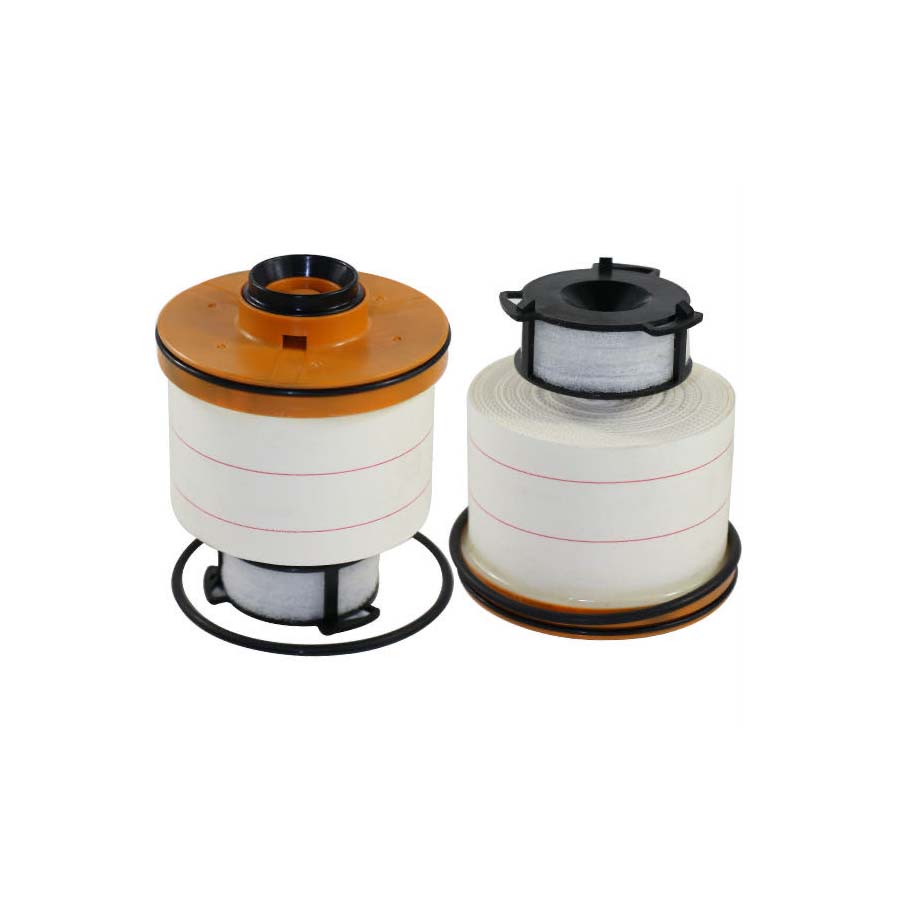 FUEL FILTER
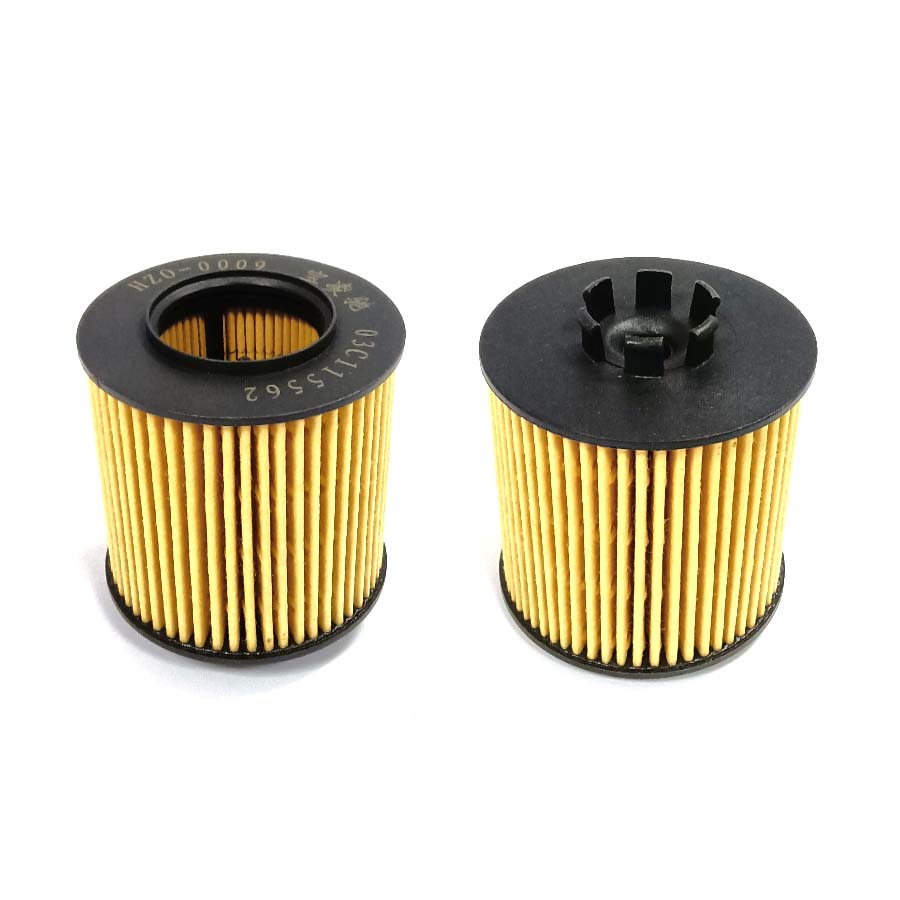 OIL ELEMENT FILTER
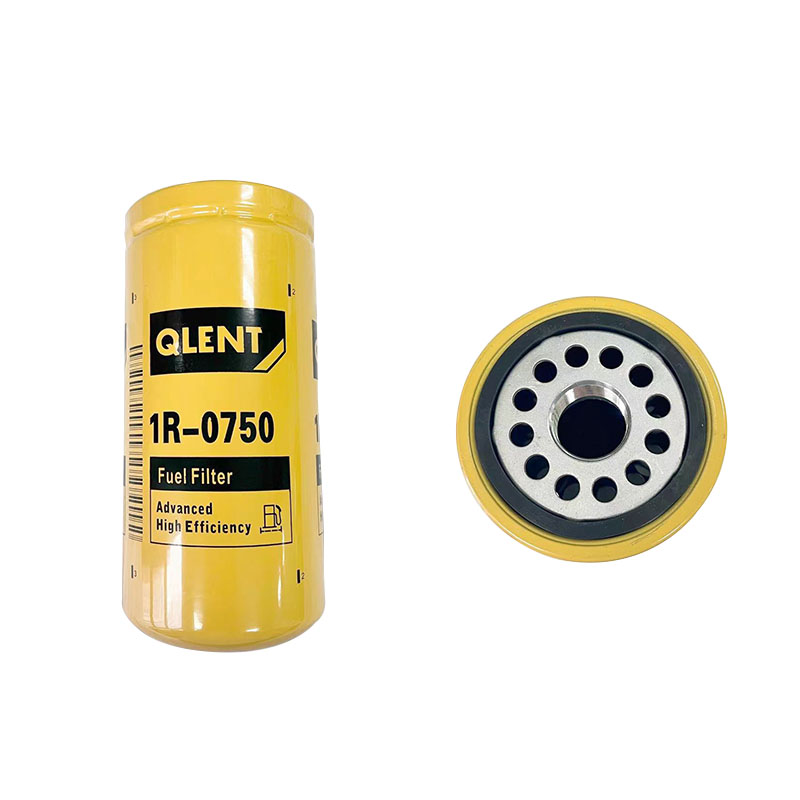 OIL FILTER
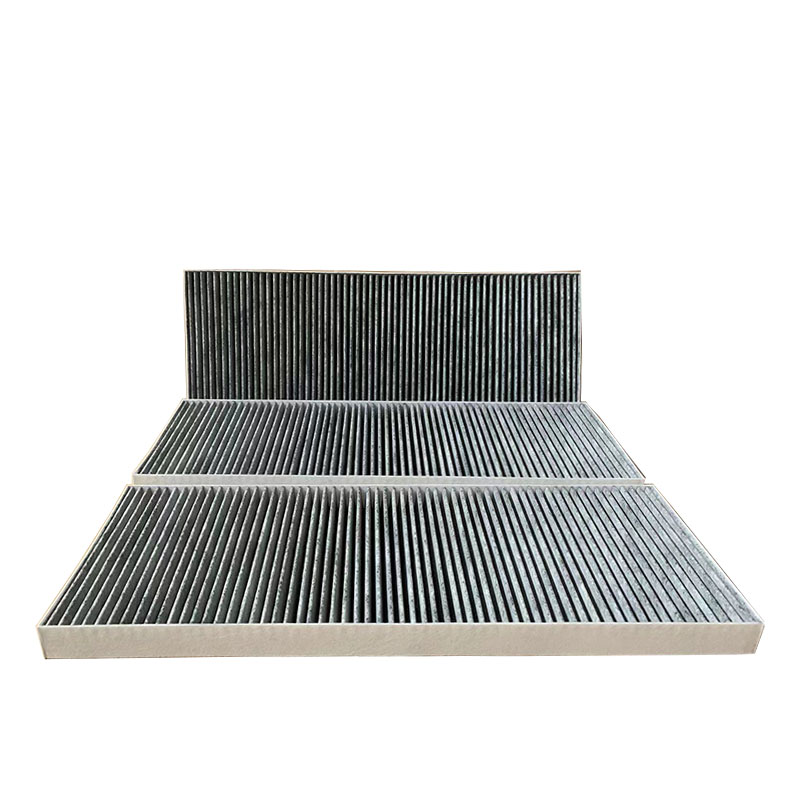 CABIN FILTER
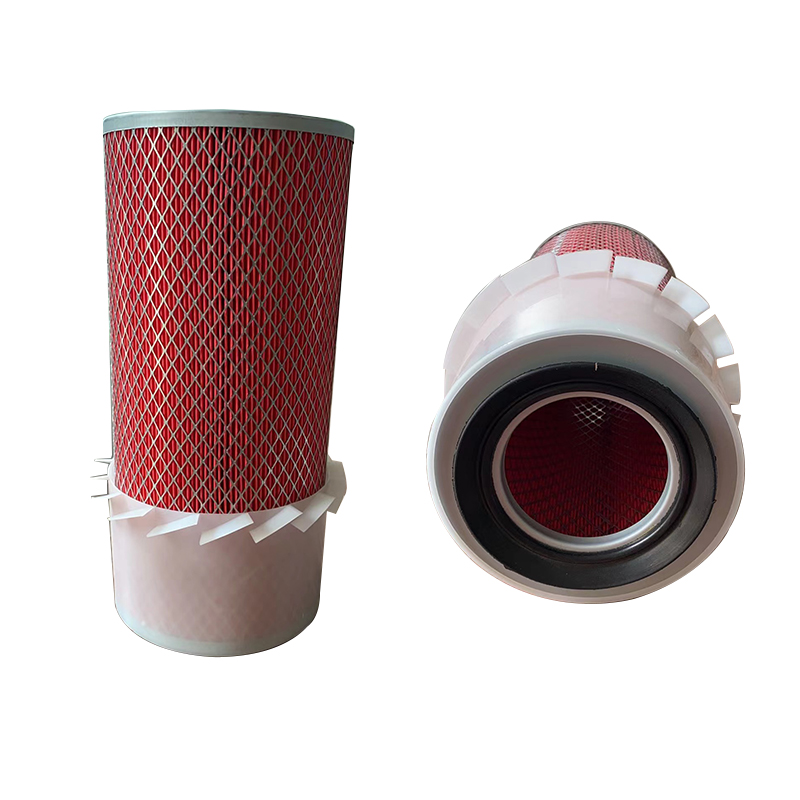 AIR FILTER